Why Your Backpack Matters More Than Any Other Piece of Gear
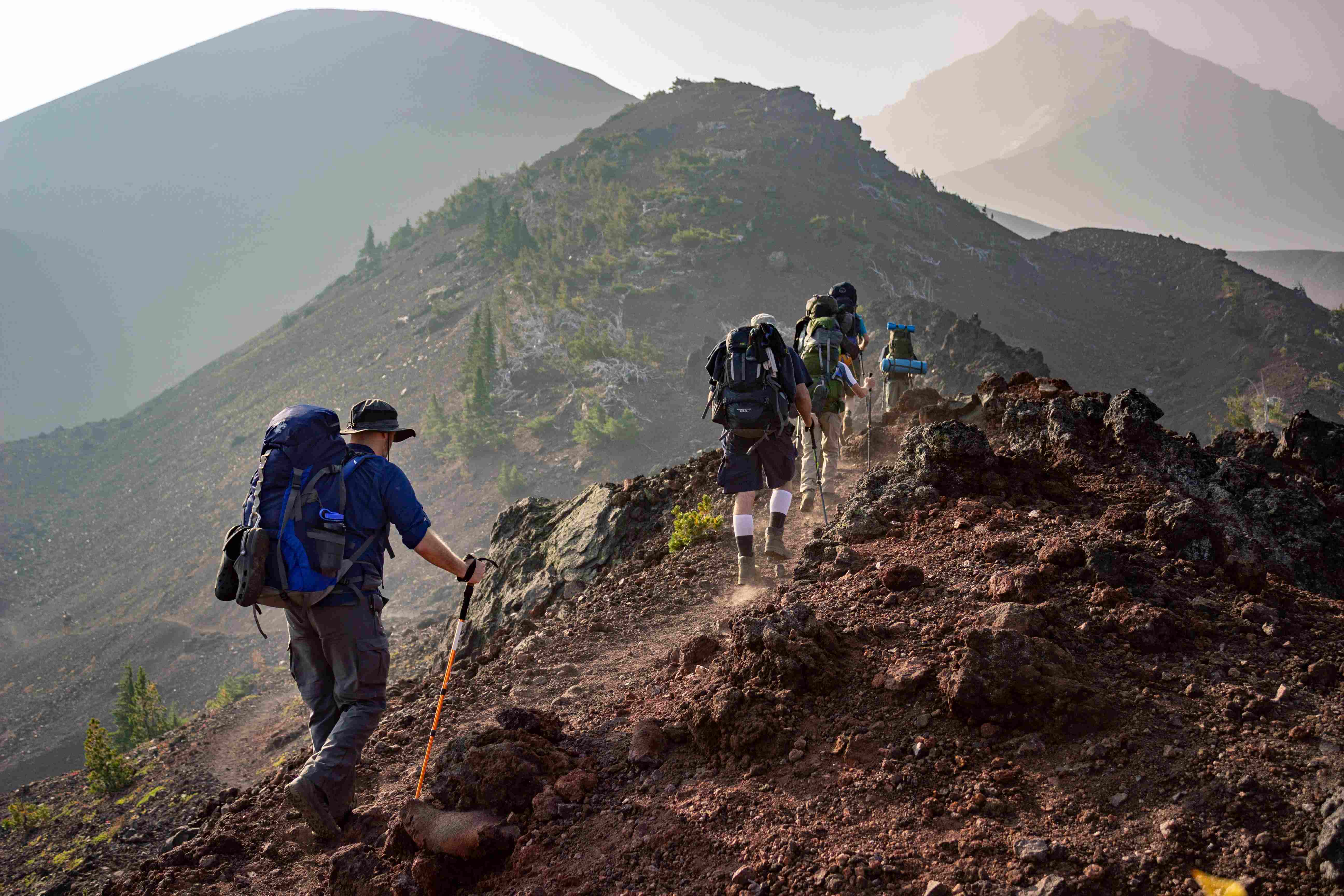
A Himalayan trekking backpack isn’t just another piece of gear—it’s something you’ll rely on every step of the journey. Choosing the right one can make the difference between an enjoyable trek and an exhausting experience.
Every trekker remembers their first truly long day in the Himalayas.
It might be the climb toward Namche Bazaar in the Everest region, the endless stone staircases on the approach to Annapurna Base Camp, or a cold morning ascent above the tree line in Langtang. Whatever the location, there is usually a moment when the scenery fades into the background and your attention shifts entirely to the weight on your back.
At that point, your backpack stops being a piece of equipment and becomes part of the trekking experience itself.
A well-fitted backpack can make a demanding day feel manageable. A poorly fitted one can turn even a spectacular trail into a test of endurance. Sore shoulders, aching hips, and constant strap adjustments may seem like minor inconveniences at first, but after several consecutive days on the trail, they can affect everything from your pace to your enjoyment of the journey.
The mistake many first-time trekkers make is assuming that all trekking backpacks perform more or less the same. In reality, the difference between a good pack and a great one becomes obvious only after hours of climbing, descending, and navigating uneven terrain. Features that seem insignificant in a store—hip belt design, suspension systems, load distribution, and ventilation—become incredibly important in the mountains.
The Himalayas are particularly demanding because conditions change constantly. A single trekking day may begin in humid forests, continue across exposed ridgelines, and finish in near-freezing temperatures. Your backpack needs to remain comfortable through all of it while carrying everything from insulation layers and rain gear to water, electronics, and emergency essentials.
Durability matters just as much as comfort. Trekking backpacks in Nepal and the Indian Himalayas are rarely treated gently. They’re loaded into jeeps, tied onto bus roofs, dragged across lodge floors, and exposed to dust, rain, snow, and rough terrain. Weak stitching, poor-quality zippers, and cheap buckles tend to reveal themselves at the worst possible moment.
After spending years trekking across different regions of the Himalayas, I’ve come to appreciate that the best backpack isn’t necessarily the lightest, the most expensive, or the most popular. The best backpack is the one that fits your body correctly, carries weight efficiently, and remains comfortable long after the excitement of a new purchase has worn off.
In this guide, we’ll examine five backpacks that consistently stand out on Himalayan trails. Each has its own strengths, weaknesses, and ideal use cases. Whether you’re planning your first tea-house trek in Nepal or preparing for a longer high-altitude adventure, these are the packs worth considering in 2026.
Osprey Atmos AG 65
Capacity: 65L
Weight: 2.09 kg
⭐ Best Comfort
Deuter Aircontact Core 60+10
Capacity: 70L
Weight: 2.31 kg
Expeditions
Trawoc Trailmaster 80L
Capacity: 80L
Weight: 1.5 kg
Value
Tripole Walker Pro 55L
Capacity: 55L
Weight: 1.60 kg
Budget
Top 4 Best Backpacks for Himalayan Trekking in 2026
1. Osprey Atmos AG 65
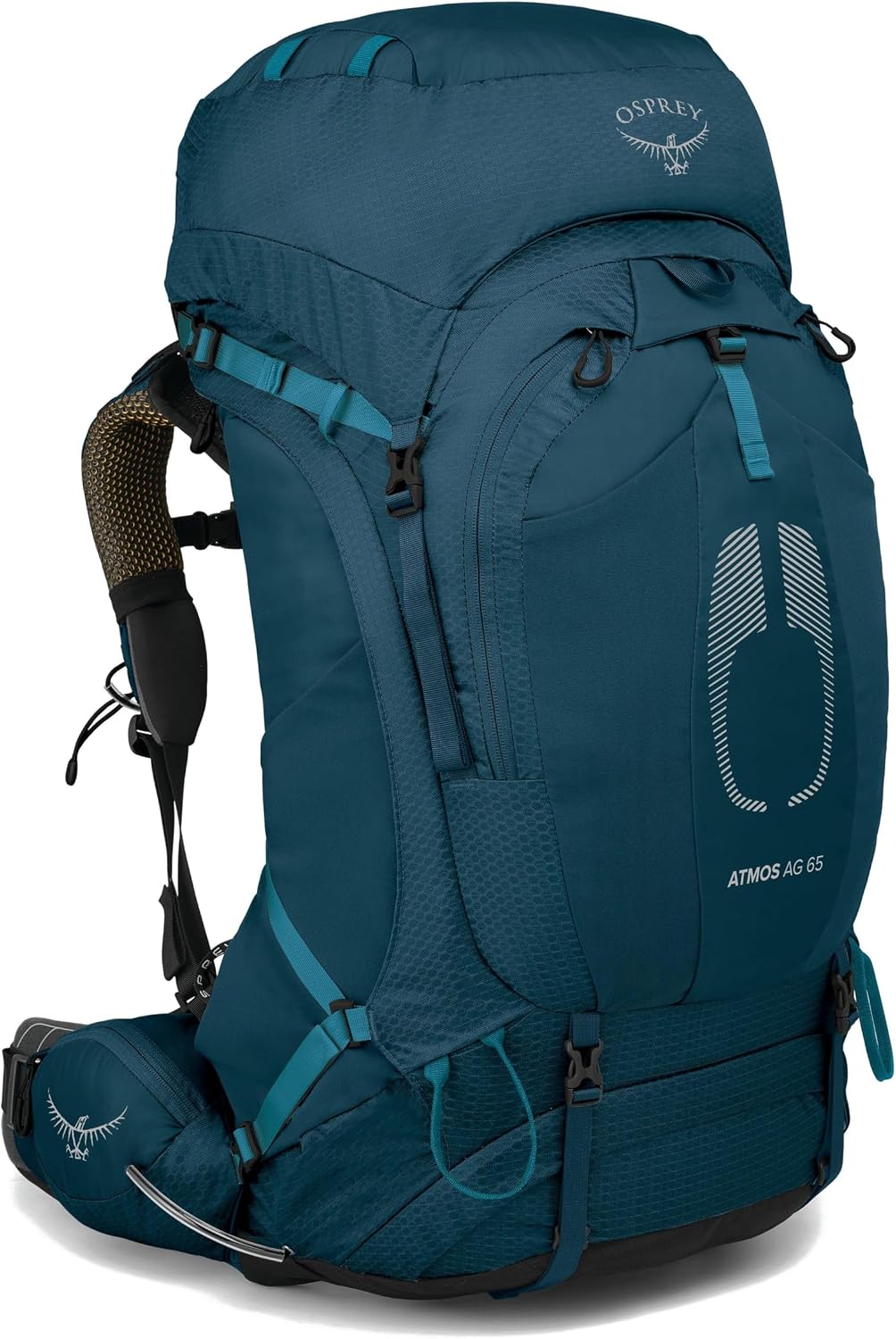
Spend enough time on popular Himalayan trekking routes and you’ll notice a pattern: Osprey backpacks are everywhere. Among them, the Atmos AG 65 remains one of the most frequently recommended options for trekkers who prioritize comfort over everything else.
The reason becomes obvious the moment you put it on. Osprey’s Anti-Gravity suspension system creates a suspended mesh back panel that feels noticeably different from traditional designs. Rather than resting directly against your back, the pack seems to float slightly away from your body, improving airflow and reducing pressure points.
That design works particularly well on Himalayan trails. During long climbs through warmer valleys, the additional ventilation helps reduce heat buildup and makes the pack feel less restrictive. While no backpack can eliminate sweat entirely, the Atmos AG performs better than most when temperatures begin to rise.
Comfort isn’t limited to ventilation. The suspension system distributes weight exceptionally well, helping the pack move naturally with your body. On rocky trails and uneven staircases, the load remains stable without feeling rigid. After several hours of trekking, that balance can make a surprisingly large difference.
Storage is equally well thought out. The pack offers enough room for a typical tea-house trekking setup while remaining organized and easy to access. One particularly useful feature is the side zip entry, which allows you to reach items buried deep inside the main compartment without unpacking everything.
Build quality is exactly what experienced trekkers have come to expect from Osprey. The materials feel durable, the stitching is excellent, and the overall construction inspires confidence for long-term use.
The Atmos AG isn’t perfect, however. Trekkers carrying unusually heavy loads may find its comfort-focused design slightly less supportive than more expedition-oriented alternatives. Once pack weights become significantly heavier, a more rigid suspension system can provide better load control.
For standard Himalayan treks such as Everest Base Camp, Annapurna Base Camp, Langtang Valley, and Mardi Himal, though, the Atmos AG 65 sits comfortably among the best all-round options available today.
Before investing in any backpack, it helps to think about the kind of treks you actually plan to do. A pack that feels comfortable on a weekend hike can feel very different after several long days in the mountains. If destinations like the Gokyo Lakes Trek, Kashmir Great Lakes Trek, or Valley of Flowers Trek are on your list, spending a little extra on comfort is often money well spent.
2. Deuter Aircontact Core 60+10
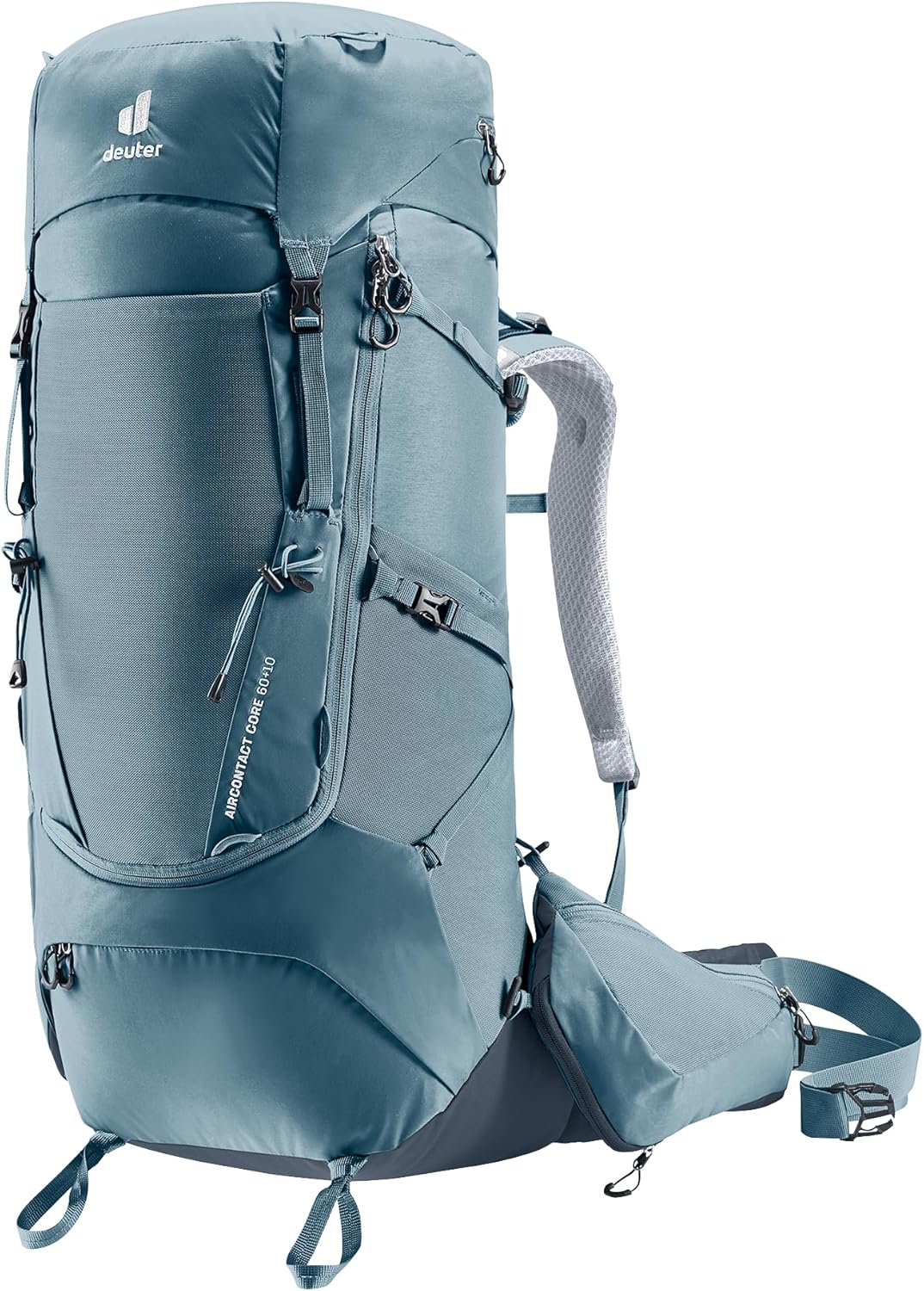
Some backpacks are designed to impress you in a store. Others earn their reputation after years of hard use in the mountains. The Deuter Aircontact Core 60+10 belongs firmly in the second category.
Deuter has long been respected among trekkers, mountain guides, and expedition leaders for producing gear that prioritizes reliability over flashy marketing. The Aircontact Core continues that tradition. It may not generate the same excitement as some of its competitors, but it has a reputation for quietly doing its job exceptionally well.
The first thing most trekkers notice is how solid the pack feels. Everything from the frame structure to the fabric choice gives the impression that it was built with durability in mind. On rough Himalayan trails where backpacks are constantly exposed to abrasion, dust, and unpredictable weather, that durability becomes a significant advantage.
The Aircontact Core shines when carrying moderate to heavy loads over long distances. The suspension system keeps weight close to the body, creating a stable and controlled feel even on steep descents. This is particularly useful on routes where elevation changes are dramatic and footing can be uneven.
Another feature that deserves attention is the adjustable volume. The additional ten liters of expandable capacity provide flexibility for trekkers who occasionally need extra space for colder-weather gear or longer itineraries. Instead of committing to a larger backpack year-round, you can simply expand the pack when necessary.
Comfort is excellent, though achieved in a different way than the Osprey Atmos AG. Rather than prioritizing maximum ventilation, Deuter focuses on creating a close-fitting carry that improves load control. The result is a backpack that feels secure and dependable in technical terrain.
The compromise is airflow. During warm days in lower valleys, the back panel can feel noticeably warmer than highly ventilated suspended-mesh systems. Most experienced trekkers consider that a reasonable trade-off given the pack’s stability and durability.
For trekkers planning demanding routes such as the Manaslu Circuit, Three Passes Trek, or longer expeditions where reliability matters more than saving a few grams, the Aircontact Core 60+10 remains one of the strongest options available.
Some treks are demanding enough that your backpack becomes just as important as your boots. On longer journeys such as the Makalu Base Camp Trek or the Kanchenjunga Circuit Trek, you’ll spend countless hours carrying your gear, which is why support, stability, and durability deserve serious attention when choosing a pack.
3. Trawoc Trailmaster 80L
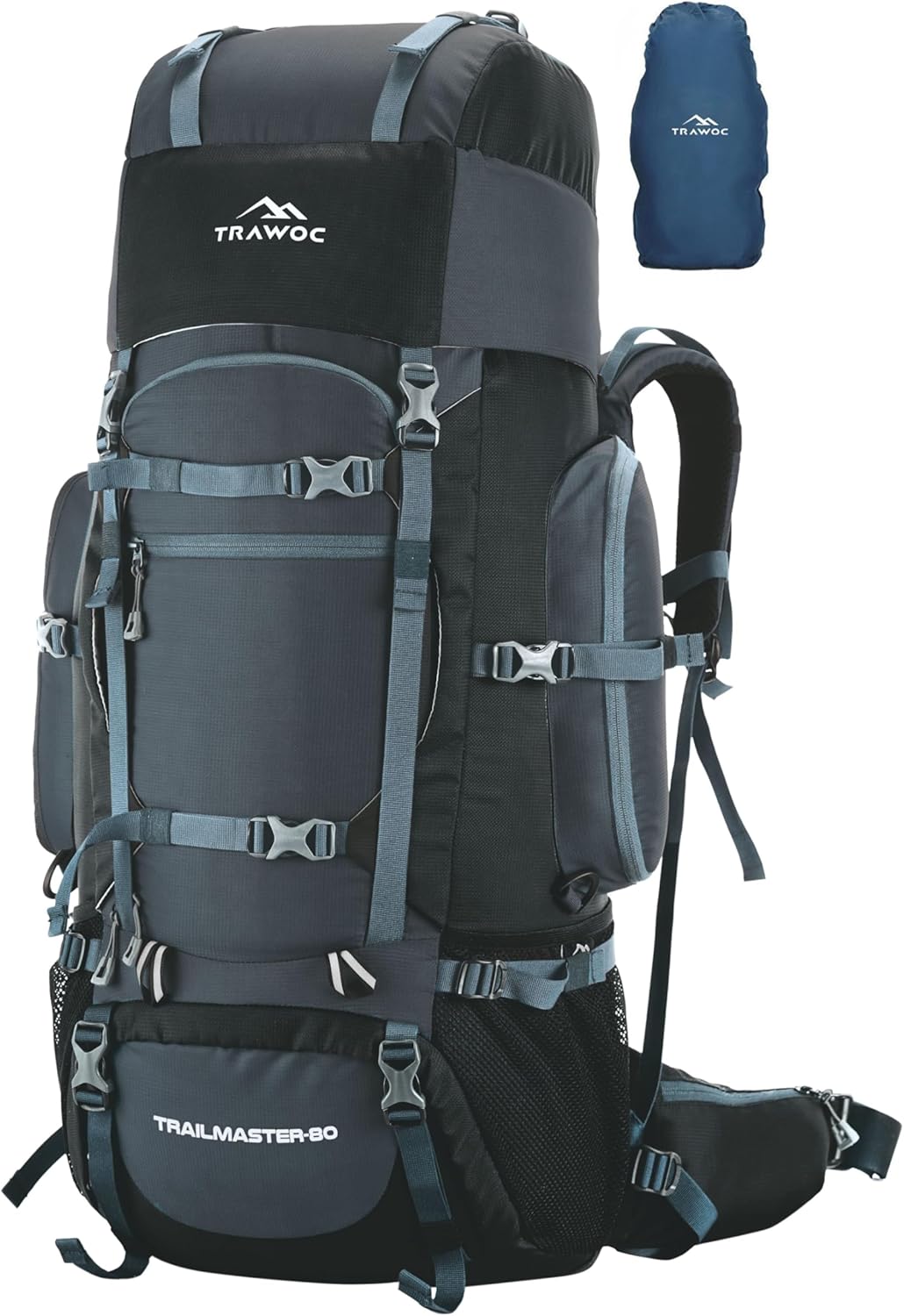
The Trawoc Trailsmaster 80L is built for trekkers who need maximum space on a tight budget. It doesn’t focus on premium branding or advanced features—instead, it keeps things simple, practical, and functional, which is exactly what most beginner trekkers actually need.
For long Himalayan treks or multi-day travel, this backpack feels very straightforward to use. There is no complicated setup or confusing adjustment system. You simply pack your gear, adjust the straps properly, balance the weight, and you’re ready to start your journey.
On the trail, the biggest highlight is its 80L capacity. It easily fits all essential trekking gear like extra clothing layers, sleeping bag, food supplies, and emergency items. When fully loaded, the weight is noticeable, but with proper packing and hip-belt support, it remains manageable for long walking days.
Comfort is decent for this price range. The shoulder straps and back padding are basic but effective enough for regular trekking use. It is not a premium comfort system, but it performs well when the load is distributed correctly and not overloaded.
The storage design is simple and user-friendly. The large main compartment makes packing easy, while smaller pockets help keep essentials like snacks, documents, and small gear within quick reach during the trek.
In terms of durability, it is suitable for normal trekking conditions. It is not built for extreme expedition-level use, but for beginner and occasional trekkers on popular Himalayan routes, it holds up reliably.
This backpack is best suited for longer budget treks such as Kedarkantha, Hampta Pass, Valley of Flowers, and similar multi-day routes where carrying capacity is more important than ultra-light performance.
4. Tripole Walker Pro 55L
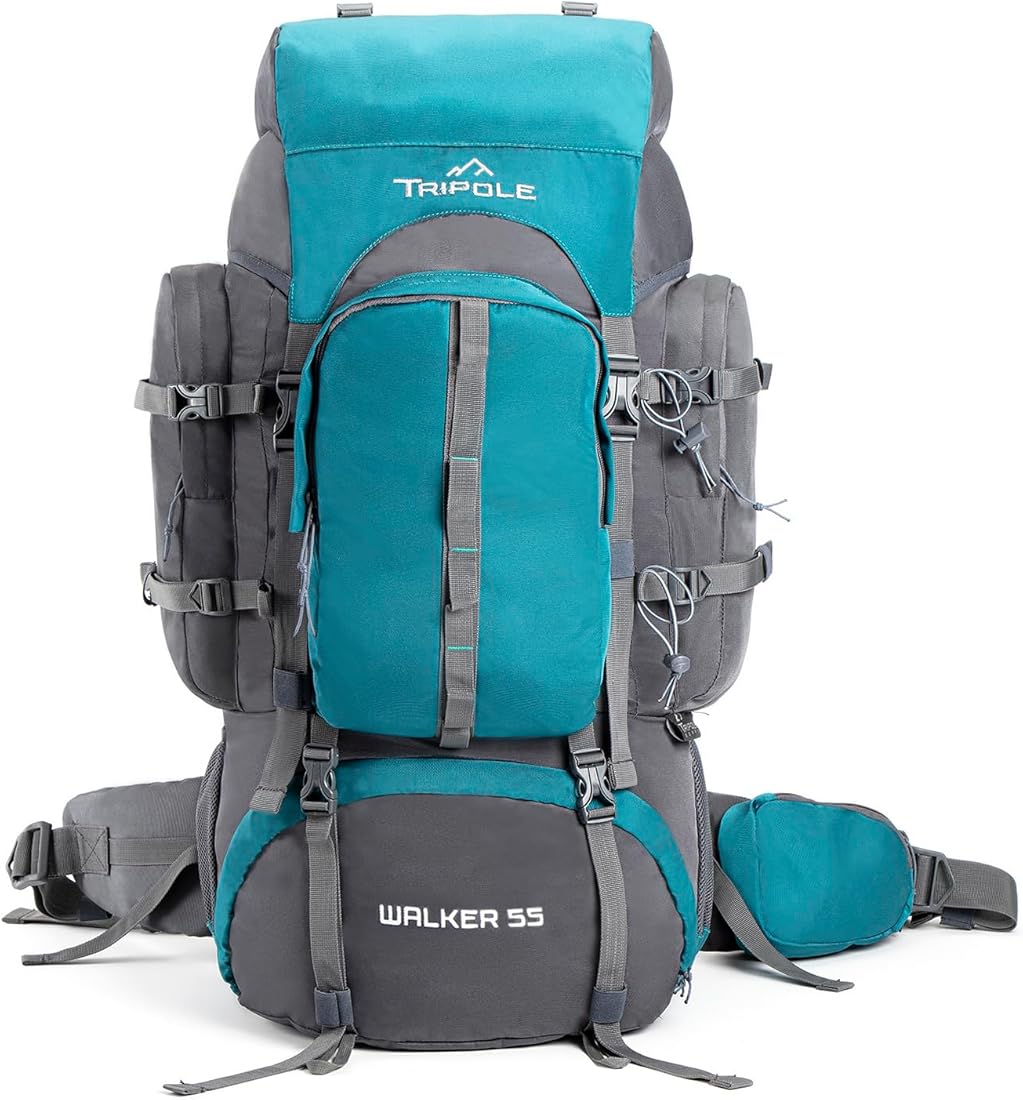
The Tripole Walker Pro 55L is not the kind of backpack that tries to impress you with fancy features. Instead, it focuses on being simple, practical, and affordable, which is exactly what many beginner trekkers need.
For someone just getting into Himalayan trekking, this backpack feels easy to use right away. There’s nothing complicated about the design, and you don’t need time to “figure it out” before heading out on a trail.
On the trek, the backpack feels light on the shoulders, especially when you’re carrying a reasonable load. This makes a noticeable difference on long uphill climbs, where every bit of weight starts to matter.
Comfort is decent for its price range. The padding on the shoulder straps and back support is basic but effective enough for short to moderate treks. It may not feel as refined as premium brands, but it does the job without causing discomfort when packed properly.
The storage layout is simple and practical. You get enough compartments to organize your essentials like clothes, food, and basic trekking gear without overcomplicating things. Everything stays fairly easy to access, which is helpful on the trail.
In terms of durability, it holds up well for regular trekking use. It’s not designed for heavy expedition-level loads, but for weekend and beginner Himalayan treks, it performs reliably.
This backpack fits best on routes like Triund, Kedarkantha, and other beginner-friendly Himalayan treks where you don’t need advanced gear but still want something dependable.
For anyone starting out in trekking and looking for a budget-friendly option, the Tripole Walker Pro 55L is a practical and sensible choice.
Not every trek requires premium gear from day one. Many trekkers start with simpler backpacks and upgrade later as they gain experience. If you’re preparing for routes such as the Valley of Flowers Trek or Kashmir Great Lakes Trek, a practical and budget-friendly pack can still get the job done comfortably.
Which Backpack Is Right for You?
Choosing the right backpack ultimately comes down to the type of trekking you do and the amount of weight you expect to carry.
If comfort and ventilation are your top priorities, the Osprey Atmos AG 65 remains the easiest recommendation. It excels on classic tea-house routes where loads are moderate and long days on the trail are common.
The Deuter Aircontact Core 60+10 is ideal for those who value durability and reliability above all else. It may not be the lightest option, but few backpacks inspire more confidence on extended mountain journeys.
Budget-conscious trekkers have two excellent choices. The Trawoc Trailsmaster 80L offers impressive value and practical features, while the Tripole Walker Pro 55L provides an affordable entry point for those beginning their trekking journey.
The good news is that all five backpacks featured in this guide are capable of handling Himalayan conditions. The challenge isn’t finding a good backpack—it’s finding the one that best matches your trekking style, body shape, and long-term goals.
Buyer’s Guide: How to Choose a Backpack for Himalayan Trekking
Choosing a trekking backpack is very different from buying a travel bag or a daypack. In the Himalayas, your backpack will be carrying everything you need for days or even weeks at a time. The wrong choice can leave you uncomfortable throughout the journey, while the right one can make even challenging trekking days feel far more manageable.
The key is understanding which features genuinely matter and which are mostly marketing.
Backpack Capacity
One of the first decisions you’ll need to make is choosing the correct capacity.
For most tea-house treks in Nepal and India, a backpack between 55 and 65 liters is ideal. This size provides enough room for clothing layers, a down jacket, rain gear, toiletries, electronics, and other trekking essentials without encouraging unnecessary overpacking.
Many first-time trekkers assume a larger backpack is automatically better. In reality, oversized packs often create more problems than they solve. Extra space usually gets filled with gear that never gets used, resulting in additional weight that must be carried every day.
Larger backpacks become useful only when carrying camping equipment, cooking gear, or supplies for extended self-supported expeditions. For routes such as Everest Base Camp, Annapurna Base Camp, Langtang Valley, Mardi Himal, and most popular tea-house treks, a well-organized 55–65L backpack is generally more than sufficient.
Weight Matters More Than Most People Realize
Every kilogram feels heavier at altitude.
A backpack that seems reasonably light in a gear shop can feel significantly different after several hours of climbing above 3,000 meters. This is why experienced trekkers pay close attention to the empty weight of a pack before purchasing.
That doesn’t mean the lightest backpack is always the best choice. Extremely lightweight models often achieve their low weight by reducing padding, simplifying suspension systems, or using thinner materials. Those compromises may not matter on short hikes, but they can become noticeable during long Himalayan treks.
The goal is finding the balance between comfort, durability, and weight. Most quality trekking backpacks designed for Himalayan use fall somewhere between 1.8 and 2.4 kilograms, which is generally a sensible range.
Getting the Right Fit
No feature is more important than fit.
Two trekkers can wear the exact same backpack and have completely different experiences. One may find it incredibly comfortable, while the other struggles with pressure points and discomfort from the first day.
This happens because backpacks are designed around torso length rather than overall height. A person who is six feet tall can have the same torso length as someone much shorter.
A properly fitted backpack should transfer most of the load onto your hips rather than your shoulders. The hip belt should sit securely around the hip bones, while the shoulder straps should wrap comfortably around the shoulders without creating gaps or excessive pressure.
Whenever possible, load a backpack with weight before testing it. An empty backpack tells you very little about how it will feel during a real trek.
Suspension Systems Explained
The suspension system is the heart of any trekking backpack.
Its job is simple: carry weight efficiently while keeping the load stable.
Different brands achieve this in different ways. Osprey focuses heavily on ventilation through suspended mesh systems. Gregory emphasizes load transfer and stability. Deuter often prioritizes durability and close-to-body carrying comfort.
None of these approaches is universally better than the others. The best choice depends on your priorities.
Trekkers carrying lighter loads may prefer the airy feel of suspended mesh designs. Those carrying heavier equipment often appreciate the additional stability offered by more traditional frame systems.
Ventilation and Back Comfort
Ventilation becomes surprisingly important in the Himalayas.
Many treks begin in warm valleys where temperatures can rise significantly during the day. Climbing uphill with a fully loaded backpack quickly generates heat, and poor airflow can leave your back soaked in sweat.
Suspended mesh systems generally provide the best ventilation because they create space between your body and the pack. Traditional foam back panels usually offer less airflow but often provide better load control.
The choice comes down to personal preference. Some trekkers prioritize staying cool, while others value stability more highly.
Durability and Materials
Mountain environments are tough on gear.
Backpacks are constantly exposed to abrasion, rough handling, changing weather, and repeated use. This makes material quality extremely important.
High-quality trekking backpacks typically use durable nylon or polyester fabrics with reinforced base panels. These materials are designed to withstand years of regular use while resisting tears and abrasion.
It’s also worth paying attention to buckles, zippers, and stitching. Many backpack failures occur not because the fabric tears, but because a buckle breaks or a zipper fails when far from civilization.
A durable backpack may cost more initially, but it often proves cheaper in the long run because it lasts for many years.
Weather Protection
One of the most common misconceptions among new trekkers is that trekking backpacks are waterproof.
Most are not.
Even backpacks made from water-resistant materials can eventually allow moisture to enter through seams and zippers during prolonged rain.
A rain cover provides an important first layer of protection, but experienced trekkers rarely rely on it alone. Dry bags or waterproof liners inside the backpack offer much better protection for clothing, sleeping gear, and electronics.
In the Himalayas, keeping critical gear dry is not simply a matter of convenience—it can become a safety issue in cold conditions.
Hydration Compatibility
Staying hydrated becomes increasingly important as altitude increases.
Many modern backpacks include dedicated sleeves for hydration reservoirs, making it easier to drink while walking. Others provide easily accessible side pockets for water bottles.
Whichever system you prefer, the goal is the same: make drinking water convenient enough that you actually do it regularly.
Trekkers who stop drinking because accessing their water is inconvenient often find themselves struggling with fatigue, headaches, and reduced performance later in the day.
Common Backpack Buying Mistakes
Most backpack-related problems begin long before a trek starts. They happen during the purchasing process.
One of the biggest mistakes is buying a backpack online without understanding torso sizing. A highly rated backpack that doesn’t fit your body properly will never perform well, regardless of how expensive it is.
Another common mistake is choosing a pack that’s too large. Many beginners assume extra space will be useful. More often, it simply encourages carrying unnecessary gear.
Ignoring pack weight is another frequent error. Heavy backpacks combined with excessive gear can quickly turn enjoyable trekking days into exhausting ones.
Many trekkers also focus heavily on features while overlooking comfort. Extra pockets, attachment points, and organizational systems may look impressive, but they matter very little if the backpack becomes uncomfortable after several hours on the trail.
Finally, some people assume a rain cover makes a backpack completely waterproof. Unfortunately, mountain weather has a way of proving otherwise. Internal waterproof storage remains essential.
Expert Packing Advice
Even the best backpack can feel uncomfortable if it’s packed poorly.
The heaviest items should be positioned close to your back and roughly between shoulder and hip level. This keeps the center of gravity close to your body and improves balance on uneven terrain.
Lighter items can be packed toward the outside of the backpack, while gear needed during the day should remain easily accessible near the top.
A common mistake is placing heavy equipment far away from the back panel. This creates a pulling sensation that increases shoulder strain and makes the backpack feel heavier than it actually is.
Good packing isn’t just about organization. It directly affects comfort, stability, and energy expenditure throughout the trek.
Trekkers often spend hours researching backpacks while spending only a few minutes learning how to pack them properly. In reality, both are equally important.
Frequently Asked Questions
Is a 55L backpack enough for the Everest Base Camp Trek?
For most trekkers, yes.
A well-packed 55-liter backpack is usually sufficient for the Everest Base Camp trek, especially if you’re staying in tea houses and not carrying camping equipment. Modern trekking gear is more compact than ever, allowing most hikers to comfortably fit everything they need into a 55L pack.
The key is packing efficiently and avoiding unnecessary items.
Should I choose a men’s or women’s backpack?
If possible, choose the version designed for your body type.
Women’s-specific backpacks typically feature shorter torso lengths, narrower shoulder straps, and differently shaped hip belts. These adjustments often result in a significantly more comfortable fit during long trekking days.
That said, fit is always more important than labels. The best backpack is the one that matches your body correctly.
How long should a quality trekking backpack last?
A premium trekking backpack can easily last five to ten years or more with proper care.
Many experienced trekkers continue using the same backpack for hundreds of trail days. Regular cleaning, proper storage, and avoiding unnecessary abuse can dramatically extend its lifespan.
Can I use a regular travel backpack for Himalayan trekking?
Technically yes, but it is not recommended.
Travel backpacks are designed for airports, buses, and city travel. They generally lack the suspension systems, load transfer capabilities, and supportive hip belts needed for long days on mountain trails.
For multi-day Himalayan trekking, a dedicated trekking backpack is a far better investment.
Do I really need an internal frame backpack?
For most Himalayan treks, absolutely.
The internal frame is what allows the backpack to transfer weight efficiently from your shoulders to your hips. Without that support, carrying heavier loads becomes significantly more tiring.
For anything beyond a simple day hike, an internal frame is highly recommended.
How do I clean my backpack after a trek?
The safest approach is hand washing.
Use lukewarm water, a soft brush, and mild soap to remove dirt and dust. Avoid washing machines, as aggressive spinning can damage frames, fabrics, and buckles.
Once cleaned, allow the backpack to air dry naturally in a shaded area before storing it.
Why does my lower back hurt while trekking?
In most cases, the problem is related to fit or adjustment rather than the backpack itself.
A loose hip belt, incorrect torso sizing, or poor packing technique can all place excessive stress on the lower back. Before replacing a backpack, check whether it is adjusted correctly and whether the weight is distributed properly.
Small adjustments often make a surprisingly large difference.
Is ventilation really important in the Himalayas?
More than many people realize.
Although the Himalayas are famous for cold temperatures, much of the trekking takes place in relatively warm valleys. During long climbs, excessive heat and sweat can become uncomfortable.
Ventilated suspension systems won’t eliminate sweating entirely, but they can noticeably improve comfort during warmer sections of a trek.
Final Verdict
After comparing the most popular trekking backpacks currently available, three models stand out for different reasons.
Best Overall Backpack
Osprey Atmos AG 65
For the majority of trekkers, the Atmos AG 65 offers the best balance of comfort, ventilation, organization, and overall performance. It handles the demands of classic Himalayan tea-house treks exceptionally well and remains one of the easiest backpacks to recommend.
Best for Durability
Deuter Aircontact Core 60+10
If long-term reliability is your highest priority, the Aircontact Core is difficult to beat. Built for years of demanding use, it remains a favorite among serious trekkers and expedition enthusiasts.
Best Budget Backpack
Tripole Walker Pro 55L
For trekkers looking to maximize value, the Walker Pro 55L delivers impressive performance at a much lower price point. It proves that a capable trekking backpack doesn’t need to cost a fortune.
Best Value Alternative
Trawoc Trailmaster 80L
The Trailmaster strikes a strong balance between affordability and functionality, making it an excellent option for trekkers who want dependable performance without investing in a premium international brand.
The truth is that the best backpack depends less on the brand name and more on the adventure ahead. A weekend trek, a high-altitude expedition, and a multi-week Himalayan journey all place different demands on your gear. If you’re still deciding on your next destination, take a look at our guides to the Gokyo Lakes Trek, Makalu Base Camp Trek, Valley of Flowers Trek, Kashmir Great Lakes Trek, and Kanchenjunga Circuit Trek to understand what each trail requires before making your final choice.
Conclusion
The perfect backpack doesn’t exist.
Every trekker has different priorities, different body shapes, and different expectations from their gear. What feels ideal for one person may feel completely wrong for another.
The good news is that all five backpacks featured in this guide have proven themselves capable of handling Himalayan conditions. Whether you’re planning your first trek to Everest Base Camp, exploring the Annapurna region, or preparing for longer high-altitude adventures, any of these packs can serve you well when matched to the right user.
If there’s one lesson worth remembering, it’s this: fit matters more than specifications.
A backpack with the most advanced suspension system in the world won’t help if it doesn’t fit your body correctly. Before making a purchase, take the time to measure your torso, test the backpack with weight inside, and adjust it properly.
The mountains will always be challenging. Your backpack shouldn’t be.
Choose wisely, pack thoughtfully, and you’ll spend less time thinking about discomfort and more time enjoying what brought you to the Himalayas in the first place—the experience of walking through some of the most spectacular landscapes on Earth.
ABOUT AUTHOR
Afjal Khan
Afjal Khan is the founder of Epic Himalayan Trails and a passionate Himalayan trekker. He shares trekking guides, route information, itineraries, and practical travel tips to help trekkers plan better journeys across Nepal and the Indian Himalayas. Through Epic Himalayan Trails, his goal is to make trekking information simple, reliable, and useful for both beginners and experienced trekkers.