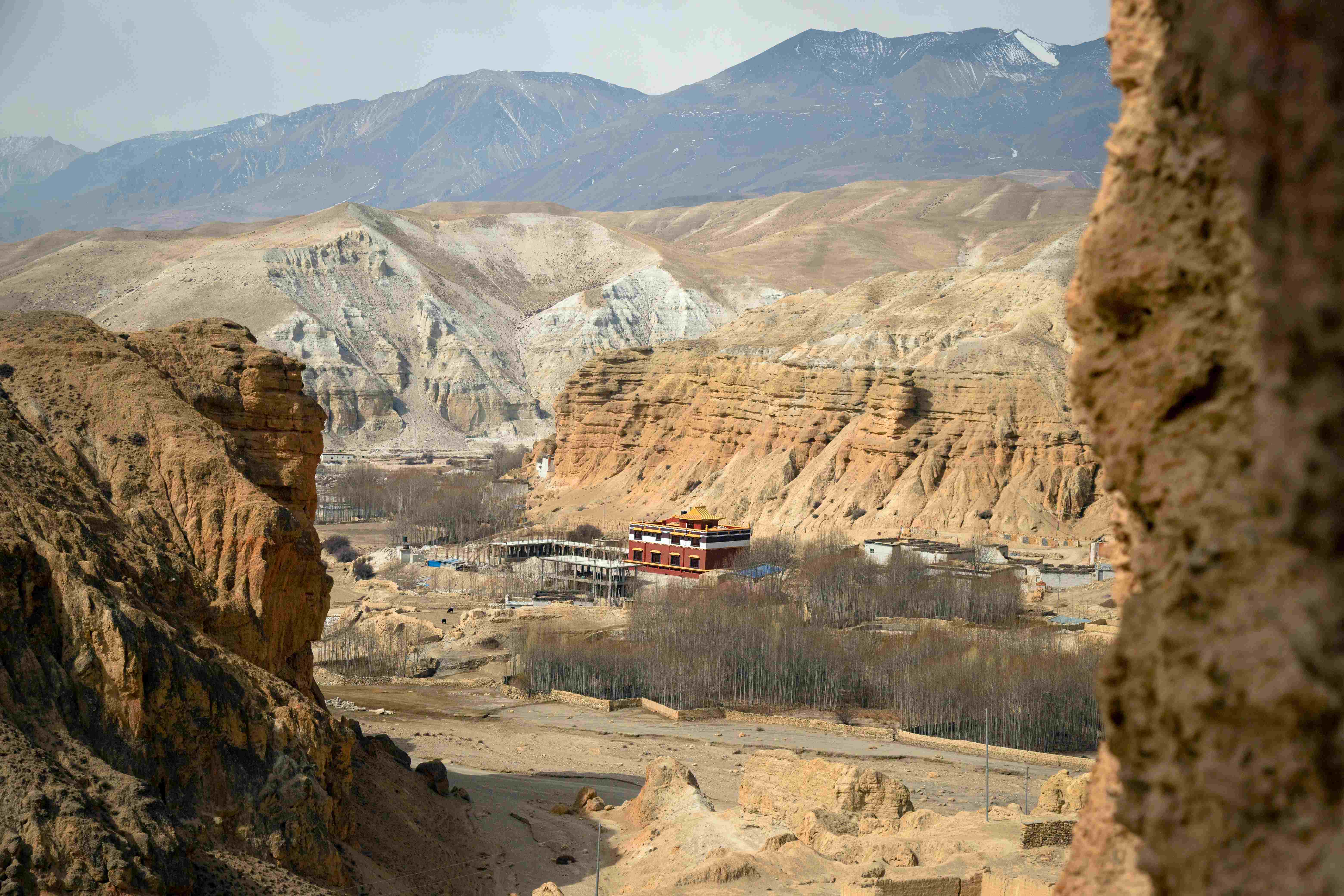
Some treks impress you with towering mountains. Others stay with you because of the stories, culture, and landscapes you experience along the way. The Upper Mustang Trek belongs firmly in the second category.
Hidden in the rain shadow of the Annapurna and Dhaulagiri ranges, Upper Mustang feels completely different from the image most people have of Nepal. Instead of green forests and rushing waterfalls, you’ll walk through vast desert-like valleys, colourful cliffs, deep canyons, and centuries-old villages where Tibetan traditions continue to shape everyday life.
The journey ends at Lo Manthang, the ancient walled capital of the former Kingdom of Lo. Its narrow lanes, whitewashed monasteries, old mud-brick houses, and spinning prayer wheels create an atmosphere that’s difficult to find anywhere else in the Himalayas. Even after tourism reached the region, life here has changed remarkably little.
What makes Upper Mustang even more fascinating is its history. The region remained closed to foreign visitors until 1992 and is still protected as a restricted area today. Visitor numbers are carefully managed, helping preserve its unique culture, fragile environment, and centuries-old heritage. As a result, the trails are far quieter than those in Everest or Annapurna, giving trekkers a rare sense of peace and remoteness.
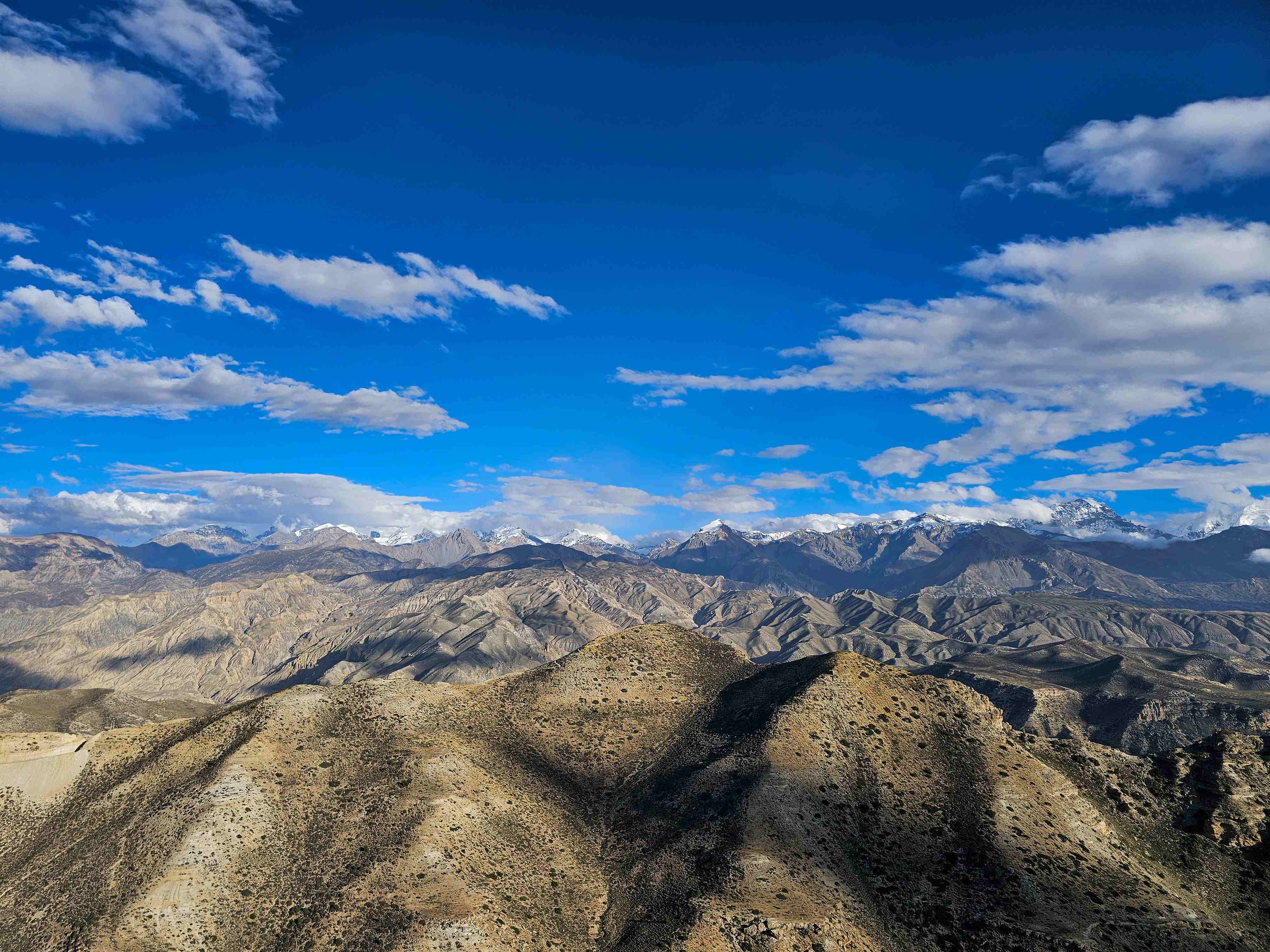
If you’re looking for more than mountain views, Upper Mustang is one of Nepal’s most rewarding adventures. It’s a journey through living history, dramatic landscapes, and a culture that has remained remarkably authentic for generations.
In this complete Upper Mustang Trek Guide (2026), you’ll find everything you need to plan your trip, including the best itinerary, permit requirements, trekking costs, difficulty level, accommodation, transportation, packing tips, weather, and practical advice to help you prepare with confidence.
Upper Mustang Trek Overview
| Trek Detail | Information |
|---|---|
| Location | Mustang District, Gandaki Province, Nepal |
| Duration | 12– 13 Days |
| Difficulty | Moderate |
| Highest Elevation | Chogo La Pass (Approx. 4,300 m) |
| Main Destination | Lo Manthang (3,840 m) |
| Distance | Around 120–140 km |
| Best Time | March–May & September–November |
| Accommodation | Traditional Tea Houses |
| Permits Required | Restricted Area Permit (RAP) & Annapurna Conservation Area Permit (ACAP) |
| Starting Point | Jomsom |
| Ending Point | Jomsom |
Why the Upper Mustang Trek Is Different
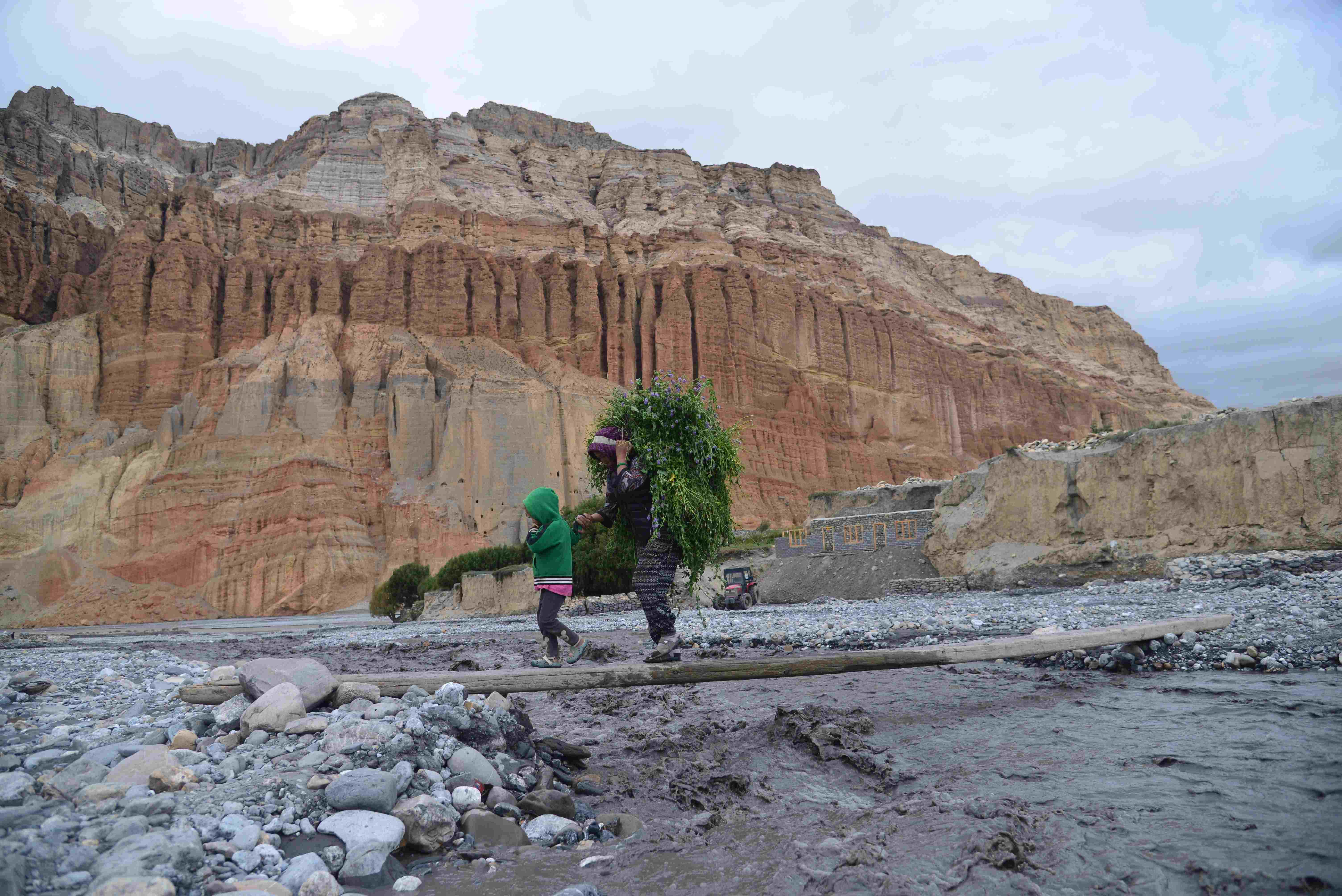
Most trekking routes in Nepal pass through forests, alpine meadows, suspension bridges, and glacier-fed rivers. Upper Mustang offers a completely different setting.
Because it lies in the Himalayan rain shadow, the landscape is dry, open, and dramatic. Towering sandstone cliffs, colourful rock formations, deep canyons, and endless valleys replace the lush scenery found on many of Nepal’s popular trekking routes. At times, the terrain feels closer to the Tibetan Plateau than the classic Himalayas.
But the scenery is only part of the experience.
For centuries, Upper Mustang remained isolated from the outside world. That isolation helped preserve its language, architecture, religious traditions, and way of life. Ancient monasteries are still active, prayer flags flutter above village rooftops, and local festivals continue to play an important role in the community.
No two days on the trail feel exactly the same. One day you might be crossing a high pass with panoramic views of Dhaulagiri and Nilgiri. The next, you’ll be wandering through the quiet streets of Lo Manthang, exploring centuries-old monasteries and learning about the history of the former Kingdom of Lo.
It’s this combination of raw Himalayan scenery and deeply rooted culture that makes Upper Mustang stand out from every other trek in Nepal.
Where Is Upper Mustang?
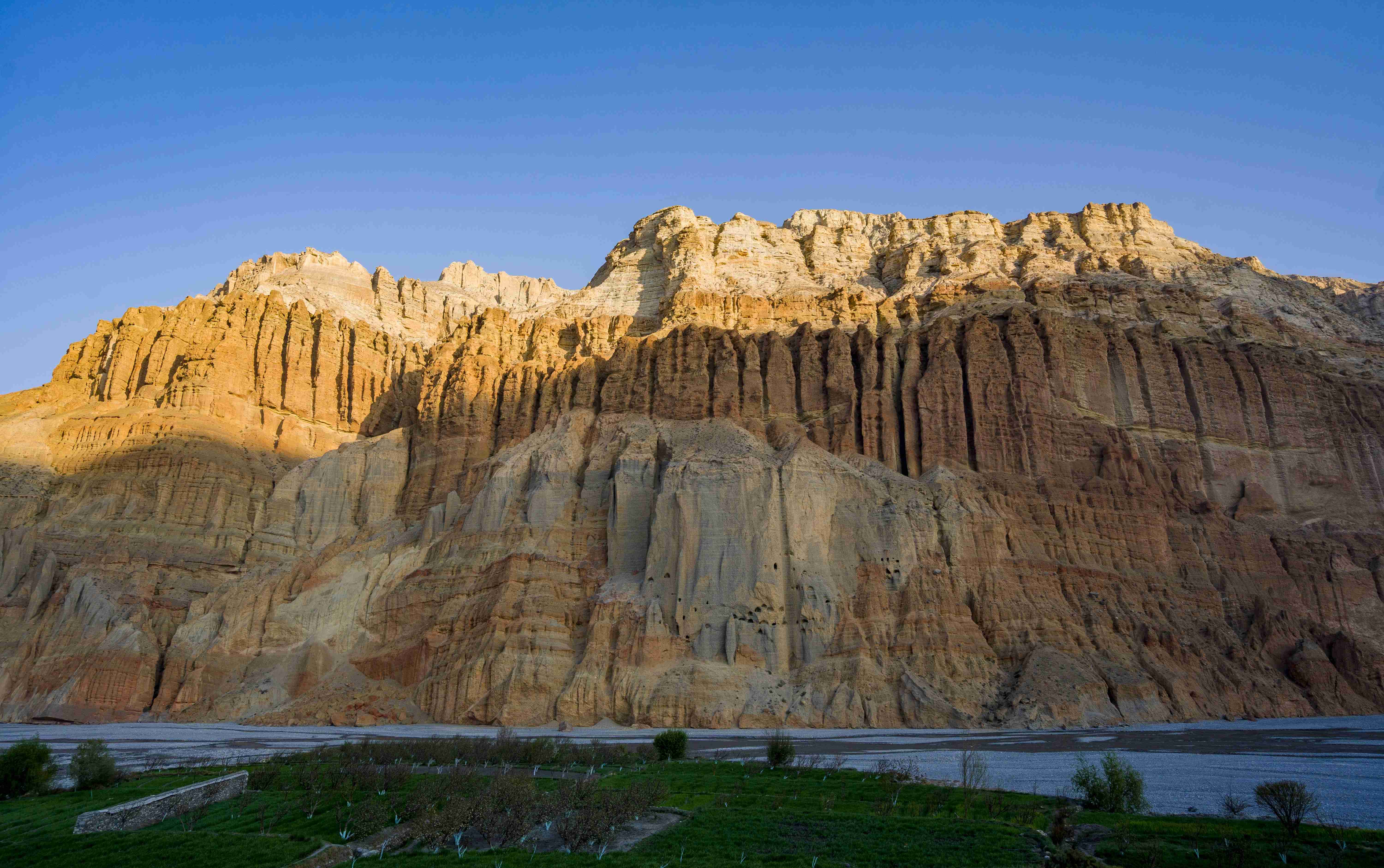
Upper Mustang lies in the northern part of Nepal’s Mustang District, close to the Tibetan border. The trek usually begins in Jomsom, then follows the historic Kali Gandaki Valley through villages such as Kagbeni, Chele, Syangboche, Ghami, and Tsarang before reaching Lo Manthang.
Because of its location near the international border and its cultural importance, Upper Mustang is classified as a restricted area by the Government of Nepal. Foreign trekkers must obtain special permits and travel with a licensed guide through a registered trekking agency.
Although the rules are stricter than on many other trekking routes, reaching Upper Mustang is much easier today than it was a decade ago. Better roads and regular flights to Jomsom have made this extraordinary region more accessible while helping preserve its unique identity.
Is the Upper Mustang Trek Worth It?
For most trekkers, the answer is an easy yes.
Upper Mustang isn’t just about reaching a destination. The experience comes from everything you encounter along the way—walking ancient trade routes, visiting centuries-old monasteries, sharing tea with local families, and watching life unfold in villages where traditions remain remarkably strong.
If you’re looking for a trek that combines spectacular landscapes with history, culture, and a genuine sense of discovery, Upper Mustang is an experience you’ll remember long after you’ve left the mountains behind.
If you’re drawn to remote Himalayan adventures, Makalu Base Camp offers a truly unforgettable experience. Surrounded by rugged mountain landscapes, pristine forests, and breathtaking views of the world’s fifth-highest peak, it’s an excellent choice for trekkers seeking solitude, raw wilderness, and a less-crowded trail in eastern Nepal.
Makalu Base Camp Trek 2026: Ultimate Guide, Cost, Itinerary, Permits & Best Time
Best Time to Visit the Upper Mustang Trek
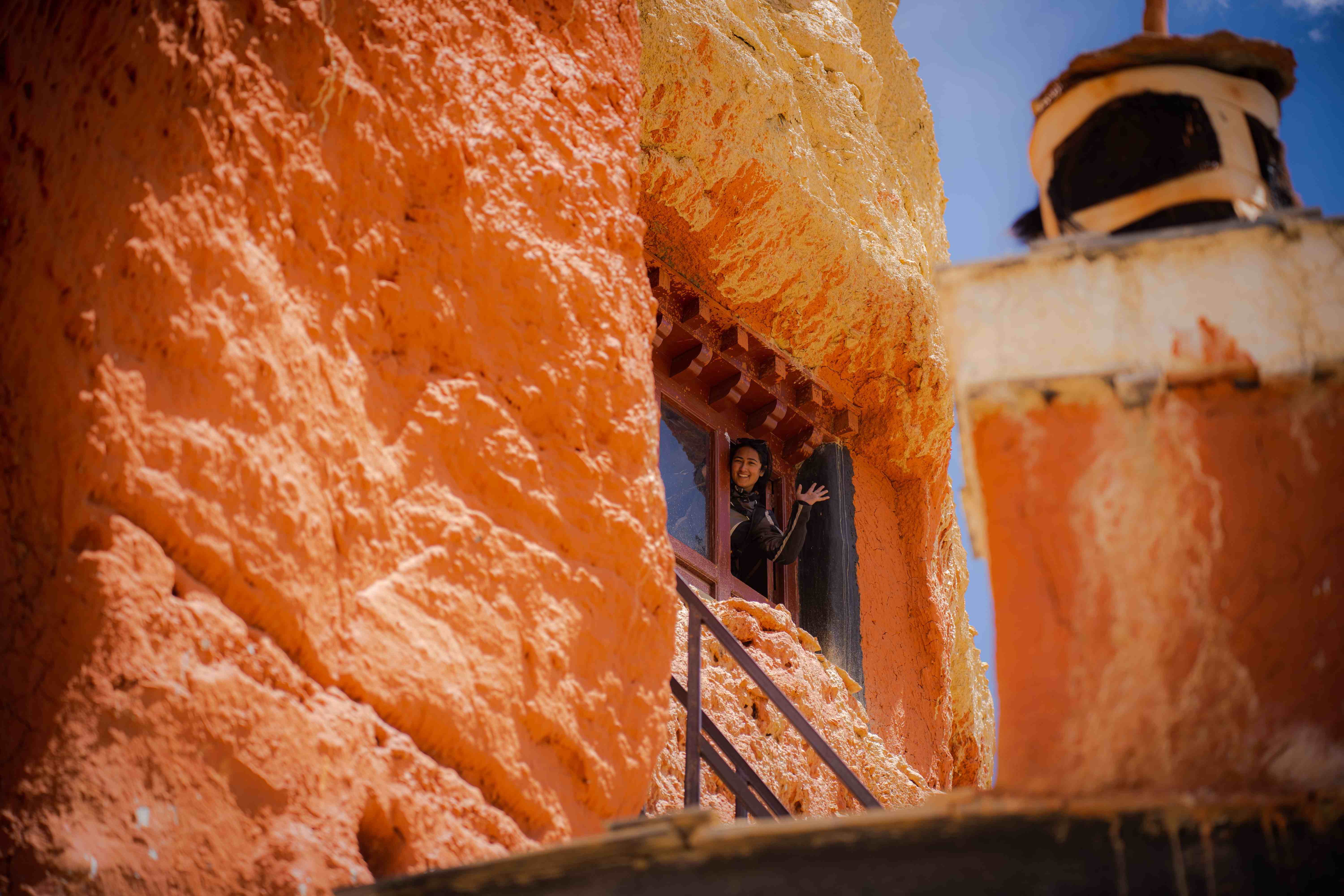
One of the biggest advantages of trekking in Upper Mustang is that you don’t have to avoid the monsoon like you would in most parts of Nepal. Since the region lies in the rain shadow of the Annapurna and Dhaulagiri ranges, it receives very little rainfall, making it one of the few Himalayan treks that can be enjoyed for much of the year.
Still, each season offers a slightly different experience. The best time depends on the kind of trip you’re hoping to have.
Spring (March to May)
Spring is the most popular season for the Upper Mustang Trek, and it’s easy to see why. Days are generally mild, skies are often clear, and the weather is stable enough for long days on the trail.
Although Upper Mustang is known for its dry, rugged landscape, you’ll still notice patches of wildflowers and fresh greenery in the lower sections. Snow-covered peaks such as Dhaulagiri, Nilgiri, and Annapurna stand out beautifully against the colourful cliffs, making this an excellent season for photography.
If it’s your first trek in Nepal, spring is one of the safest and most comfortable times to visit.
Summer / Monsoon (June to August)
Most trekking routes in Nepal receive heavy rainfall during the summer monsoon, but Upper Mustang is a rare exception.
Thanks to its location in the Himalayan rain shadow, the region stays relatively dry while much of the country experiences frequent rain. Trails remain open, visibility is often surprisingly good, and there are far fewer trekkers compared to the busy spring and autumn months.
This season also coincides with the famous Tiji Festival in Lo Manthang when it takes place. The festival is one of the region’s biggest cultural events, featuring traditional masked dances and Buddhist ceremonies that have been performed for generations.
If you don’t mind occasional dusty trails and afternoon winds, summer can be a rewarding time to experience Upper Mustang.
Autumn (September to November)
Autumn is another outstanding season for the trek and is often considered the best time for mountain views.
After the monsoon, the air becomes exceptionally clear, creating fantastic visibility across the Himalayas. Daytime temperatures are comfortable for walking, while evenings remain cool without being excessively cold.
Because the weather is usually reliable, autumn attracts many trekkers. Tea houses are fully operational, villages are lively, and the trail has a welcoming atmosphere without feeling overcrowded.
Winter (December to February)
Winter brings a very different experience to Upper Mustang.
Temperatures drop well below freezing at higher elevations, especially after sunset, and strong winds are common. Some families move to lower villages for the season, which means a few tea houses may operate with limited services.
That said, winter has its own appeal. Snow-covered landscapes, quiet trails, and the absence of crowds create a peaceful atmosphere that’s hard to find during the busier months.
For most trekkers, however, spring or autumn offers far more comfortable conditions.
Which Month Is Best?
If you’re planning your trip for the best overall experience, April, May, September, and October are usually the top choices.
These months offer pleasant temperatures, stable weather, excellent visibility, and ideal trekking conditions.
Travellers who prefer quieter trails can also consider June or July, as Upper Mustang remains much drier than most trekking regions in Nepal during the monsoon.
For trekkers seeking a true wilderness experience, Kanchenjunga Circuit offers one of the most remote and rewarding adventures in Nepal. From ancient forests and high mountain passes to spectacular views of the world’s third-highest peak, it’s an ideal trek for those who want to explore beyond the country’s more popular routes.
Kanchenjunga Circuit Trek: Complete Guide to Nepal’s Most Remote Himalayan Trek
How Difficult Is the Upper Mustang Trek?
The Upper Mustang Trek is generally considered moderate, which means it doesn’t require technical climbing or mountaineering experience. However, it still demands a reasonable level of fitness.
You’ll spend several days walking across rocky trails, dry riverbeds, narrow mountain paths, and high passes. Some days involve steady climbs followed by long descents, so good stamina is more important than speed.
Altitude is another factor to keep in mind. While the trek doesn’t reach the extreme elevations of Everest Base Camp, you’ll still spend time above 4,000 metres, where the thinner air can make walking feel more demanding.
The best approach is to maintain a steady pace, drink plenty of water, eat well, and give your body enough time to adjust. There’s no need to rush—the scenery is too good to hurry through anyway.
With a little preparation before your trip, most healthy beginners can complete the trek successfully. Regular walking, hiking, stair climbing, or cardio workouts in the weeks leading up to the trek will make the experience much more enjoyable.
If you’re looking for a shorter yet equally rewarding Himalayan adventure, Langtang Valley is a fantastic choice. Known for its beautiful alpine meadows, snow-capped peaks, peaceful villages, and rich Tamang culture, it offers an unforgettable trekking experience without the crowds of Nepal’s more popular routes.
Langtang Valley Trek 2026: The Ultimate Guide to Nepal’s Hidden Himalayan Gem
Upper Mustang Trek Permits (2026)
Upper Mustang is one of the few trekking regions in Nepal where entry is strictly regulated. Located close to the Tibetan border, the area has immense cultural and historical value, so the Nepalese government limits access to help protect its monasteries, traditional villages, and unique way of life.
For trekkers, this means a little more planning before the trip. The permit process is straightforward, but it’s important to understand the requirements before finalising your itinerary.
Upper Mustang Trek Permit Cost
Every foreign trekker needs two permits to enter Upper Mustang. The most significant is the Restricted Area Permit (RAP), which costs USD 500 per person for the first 10 days. If your trek lasts longer, an additional USD 50 per person per day is charged.
You’ll also need an Annapurna Conservation Area Permit (ACAP), as the route passes through the Annapurna Conservation Area before entering the restricted region.
Although these permit fees make Upper Mustang more expensive than many other treks in Nepal, they play an important role in protecting the region’s environment and preserving its centuries-old cultural heritage.
Can You Trek Upper Mustang Without a Guide?
No. Independent trekking is not allowed in Upper Mustang.
Foreign visitors must travel with a licensed guide, and all permits have to be arranged through a registered trekking agency in Nepal. These regulations are in place to manage tourism responsibly and protect this sensitive border region.
Many trekkers find that having a local guide actually adds to the experience. Beyond navigation, guides share stories about the former Kingdom of Lo, explain local customs, and provide valuable insights into monasteries, festivals, and everyday life that you would probably miss on your own.
How to Reach Upper Mustang
The journey to Upper Mustang usually begins in Kathmandu, followed by a trip to Pokhara, the main starting point for many treks in western Nepal.
From Pokhara, most trekkers continue to Jomsom, where the trek officially starts. The quickest option is an early morning flight that takes around 20 to 25 minutes. On clear days, the flight offers spectacular views of the Annapurna and Dhaulagiri ranges, making it one of the most scenic domestic flights in Nepal.
If you’d rather travel overland, jeeps run between Pokhara and Jomsom. The drive is much longer and the road can be rough, but it passes through the dramatic Kali Gandaki Valley, giving you a chance to enjoy mountain scenery long before the trekking begins.
From Jomsom, the trail heads north through Kagbeni, often called the gateway to Upper Mustang, before continuing towards Chele, Syangboche, Ghami, Tsarang, and finally Lo Manthang.
Do You Need Travel Insurance?
Travel insurance is strongly recommended for anyone planning the Upper Mustang Trek.
While the trail isn’t technically difficult, it reaches elevations above 4,000 metres, where weather conditions can change quickly and medical facilities are limited. A policy that covers high-altitude trekking, emergency medical treatment, and helicopter evacuation can save you from significant expenses if something unexpected happens.
Before buying a policy, check the maximum altitude it covers. Some basic travel insurance plans exclude trekking above certain elevations, so it’s worth reading the details carefully.
Is the Upper Mustang Trek Safe?
Yes. For most people, the Upper Mustang Trek is a safe and enjoyable adventure, provided they prepare well and follow a sensible itinerary.
The trails are well established, villages are welcoming, and there are no technical climbing sections. The biggest challenges are the altitude, dry climate, and several long days of walking rather than dangerous terrain.
The best approach is to trek at a comfortable pace, stay hydrated, eat regular meals, and allow enough time for acclimatisation. If you notice symptoms such as a persistent headache, dizziness, or nausea, it’s important to inform your guide rather than continuing to climb.
With the right preparation and a licensed guide by your side, Upper Mustang is a rewarding trek that combines adventure, culture, and some of the most distinctive landscapes you’ll find anywhere in the Himalayas.
Upper Mustang Trek Itinerary (12 Days)
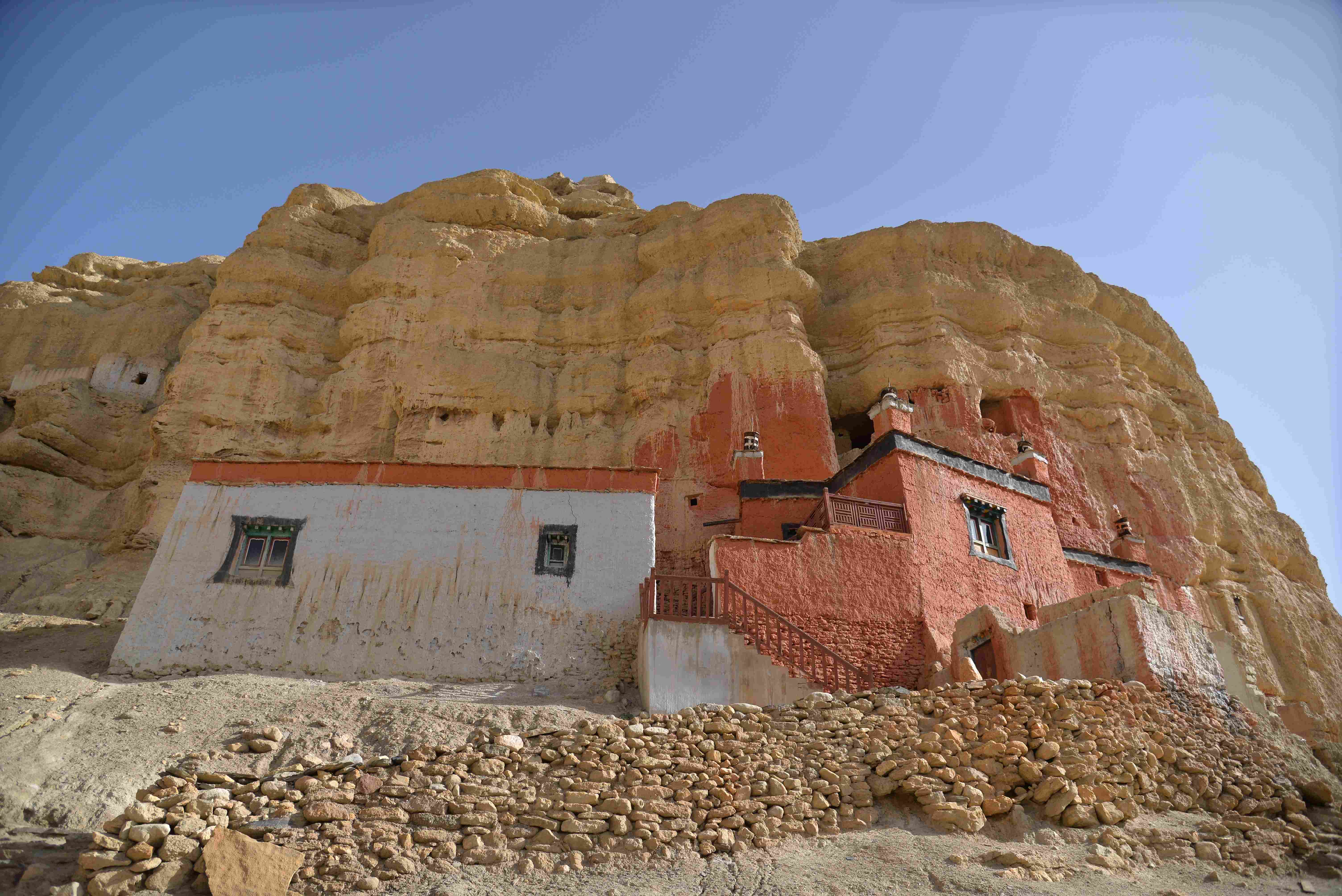
The classic Upper Mustang Trek follows an ancient trade route that has connected Nepal and Tibet for centuries. Over 12 days, you’ll travel through traditional villages, cross high mountain passes, visit centuries-old monasteries, and eventually reach the remarkable walled city of Lo Manthang. The itinerary below is designed with gradual altitude gain, making it both enjoyable and suitable for proper acclimatisation.
Day 1: Pokhara to Jomsom, Trek to Kagbeni
Your adventure begins with an early morning flight or an overland drive from Pokhara to Jomsom. From here, the trail follows the broad Kali Gandaki Valley to Kagbeni, a village that feels like a gateway to another world. Its narrow stone alleys, old mud-brick houses, and ancient monastery offer a glimpse of the Tibetan culture that defines the days ahead.
Day 2: Kagbeni to Chele
After completing the permit checkpoint at Kagbeni, you officially enter the restricted region of Upper Mustang. The scenery changes almost immediately. Green fields gradually disappear, replaced by towering cliffs, colourful rock formations, and dry mountain valleys shaped by centuries of wind. By the time you arrive in Chele, you’ll notice how different this landscape feels from anywhere else in Nepal.
Day 3: Chele to Syangboche
Today’s walk is one of the more challenging sections of the trek, with several climbs over mountain passes before descending into quiet valleys. Along the way, you’ll pass whitewashed chortens, prayer flags, and caves carved into the cliffs. The higher you climb, the wider the views become, stretching across the rugged landscapes of Mustang.
Day 4: Syangboche to Ghami
Leaving Syangboche behind, the trail crosses open ridges before descending into Ghami, one of the oldest villages in Upper Mustang. A memorable part of today’s walk is the long mani wall covered with beautifully carved prayer stones. It’s the kind of place where most trekkers naturally slow down, taking time to appreciate the peaceful surroundings.
Day 5: Ghami to Tsarang
The trail continues through broad valleys and scattered settlements before reaching Tsarang, a village with deep historical roots. Its impressive monastery and old royal palace stand as reminders of Mustang’s former kingdom, making this one of the most culturally interesting stops on the entire trek.
Day 6: Tsarang to Lo Manthang
Today is the highlight of the journey. After a gradual climb across wide, open terrain, the ancient walls of Lo Manthang finally appear in the distance. Entering the city through its historic gate is a special moment. Inside, you’ll find centuries-old monasteries, traditional homes, quiet streets, and the former royal palace, all reflecting a culture that has remained remarkably well preserved.
Day 7: Explore Lo Manthang
A full day in Lo Manthang gives you time to explore without rushing. Visit historic monasteries, walk through the old town, chat with local residents, or take a short excursion to nearby cave monasteries and surrounding villages. It’s also an important acclimatisation day before beginning the journey back.
Day 8: Lo Manthang to Tsarang
Leaving Lo Manthang behind, you’ll retrace your steps towards Tsarang. Without the excitement of reaching your destination, it’s often easier to notice the smaller details—the changing colours of the cliffs, the quiet villages, and the vast landscapes that make Upper Mustang so distinctive.
Day 9: Tsarang to Ghami
The trail returns through familiar valleys and ancient trade routes before reaching Ghami once again. Although you’re walking the same route, the scenery feels different on the return journey, offering fresh views and plenty of opportunities to pause for photographs.
Day 10: Ghami to Chele
Today’s trek continues downhill through dramatic canyons and wind-carved rock formations. As the altitude gradually decreases, the walking becomes a little easier, giving you more time to appreciate the unique landscapes that have defined the journey so far.
Day 11: Chele to Kagbeni
The trail eventually leaves the restricted area and returns to Kagbeni. Spending another evening in this historic village is a fitting way to reflect on everything you’ve experienced, from remote mountain passes to the timeless streets of Lo Manthang.
Day 12: Kagbeni to Jomsom
Your final day is a relaxed walk back to Jomsom along the Kali Gandaki Valley. While the trek may come to an end here, Upper Mustang has a way of staying with you. Its dramatic landscapes, rich Tibetan heritage, and peaceful atmosphere leave an impression that’s difficult to forget.
Accommodation on the Upper Mustang Trek
Accommodation on the Upper Mustang Trek is simple, but that’s part of what makes the experience so memorable. Instead of hotels or resorts, you’ll stay in family-run tea houses where warm hospitality often matters more than modern facilities.
Most villages along the route, including Kagbeni, Chele, Syangboche, Ghami, Tsarang, and Lo Manthang, offer basic twin rooms with beds, blankets, and shared bathrooms. The facilities are modest, but after a full day on the trail, they’re more than enough for a comfortable night’s rest.
As you travel further into Upper Mustang, accommodation becomes even more traditional. A few villages have only a limited number of tea houses, so booking through your trekking agency is a good idea, especially during the busy spring and autumn seasons.
Electricity is available in most places, although charging your phone or camera may come with a small extra fee. Some tea houses also provide Wi-Fi, but the connection is often slow and shouldn’t be relied on for work or video calls.
The evenings are usually spent in a shared dining room around a warm stove, where trekkers gather for dinner, exchange stories from the trail, and prepare for the next day’s walk. For many people, these quiet moments become just as memorable as the trek itself.
Food on the Upper Mustang Trek
Considering how remote the region is, the variety of food available along the trail often surprises first-time trekkers. Tea houses prepare fresh meals every day, offering simple, nourishing food that’s well suited to long days in the mountains.
The most popular choice is Dal Bhat, Nepal’s traditional meal of rice, lentil soup, vegetables, and curry. It’s filling, nutritious, and usually comes with free refills, which is one reason it’s a favourite among trekkers.
You’ll also find dishes such as noodles, fried rice, pasta, momos, soups, potatoes, eggs, porridge, pancakes, and Tibetan bread on most menus. While the selection becomes a little smaller at higher elevations, there’s still enough variety to keep meals interesting throughout the trek.
Fresh produce has to be transported from lower villages, so choosing freshly cooked meals is always the best option. Drinking plenty of water is equally important, and carrying a reusable bottle with a water filter or purification tablets is a practical way to stay hydrated while reducing plastic waste.
Altitude and Acclimatisation
Although the Upper Mustang Trek doesn’t reach the same elevations as Everest Base Camp, altitude is still something you need to take seriously.
The trail begins at around 2,700 metres in Jomsom and gradually climbs to Lo Manthang (3,840 metres), with the highest point reaching roughly 4,300 metres at Chogo La Pass. At these elevations, some trekkers may experience mild symptoms of altitude sickness if they ascend too quickly.
Fortunately, the standard itinerary is designed to allow gradual acclimatisation. Walking at a steady pace, staying well hydrated, eating regular meals, and getting enough rest all help your body adjust naturally to the thinner air.
If you develop a persistent headache, nausea, dizziness, or unusual shortness of breath, let your guide know straight away. Responding early to altitude-related symptoms is always the safest approach.
What to Pack for the Upper Mustang Trek
Packing for Upper Mustang doesn’t have to be complicated, but choosing the right gear will make the trek far more comfortable.
Weather conditions can change quickly, so it’s best to dress in layers rather than relying on one heavy jacket. A good pair of broken-in trekking boots, warm clothing, a lightweight down jacket, waterproof outer layers, gloves, a warm hat, sunglasses, and sunscreen are all worth bringing.
You’ll also want a comfortable daypack, a reusable water bottle, a headlamp, a power bank, trekking poles, and a small personal first-aid kit.These simple items make daily trekking much easier, especially on longer walking days.
Before you leave home, check that your equipment fits well and has already been tested. Comfortable gear can make a noticeable difference over nearly two weeks of walking in the Himalayas.
Frequently Asked Questions About the Upper Mustang Trek
If you’re planning your first trip to Upper Mustang, it’s normal to have a few questions. Here are clear answers to the ones travellers ask most often.
1. How difficult is the Upper Mustang Trek?
The trek is considered moderately difficult. There are no technical climbing sections, but you’ll spend several days walking over rocky trails at high altitude. With a reasonable level of fitness and some preparation before your trip, most people can complete it comfortably.
2. How many days does the Upper Mustang Trek take?
Most itineraries take 12 to 15 days, depending on how you travel between Pokhara and Jomsom and whether you include extra sightseeing around Lo Manthang.
3. When is the best time to visit Upper Mustang?
The best seasons are spring (March to May) and autumn (September to November), when the weather is usually stable and mountain views are at their best. Thanks to its location in the Himalayan rain shadow, Upper Mustang is also one of the few trekking regions in Nepal that remains suitable during much of the summer monsoon.
4. Which permits are required for the Upper Mustang Trek?
Foreign trekkers need two permits: the Restricted Area Permit (RAP) and the Annapurna Conservation Area Permit (ACAP). Both are mandatory and must be arranged through a registered trekking agency.
5. Can I trek independently?
No. Independent trekking is not allowed in Upper Mustang. You’ll need to travel with a licensed guide, and your permits must be processed by an authorised trekking agency.
6. What is the highest point of the trek?
The highest point on the standard route is Chogo La Pass, which stands at approximately 4,300 metres (14,100 feet). The main destination, Lo Manthang, sits at an altitude of 3,840 metres (12,600 feet).
7. Is altitude sickness a major concern?
Altitude can affect anyone, regardless of experience. The risk is reduced by following a gradual itinerary, staying hydrated, eating well, and giving your body enough time to acclimatise. Most trekkers complete the journey without serious problems.
8. Is the Upper Mustang Trek suitable for beginners?
Yes. Many first-time trekkers complete the route successfully. Building your fitness through regular walking, hiking, or cardio training before the trip will make the experience much more enjoyable.
9. What kind of accommodation can I expect?
Accommodation is mainly in traditional tea houses run by local families. Rooms are simple but comfortable, and most villages provide freshly cooked meals, warm hospitality, and everything needed for a pleasant stay.
10. Is there mobile network and internet access?
Mobile coverage is available in several villages, although the signal becomes less reliable in remote areas. Some tea houses offer Wi-Fi, but speeds are usually slow, so it’s best not to rely on it for important work.
11. How much does the Upper Mustang Trek cost?
The overall cost depends on your itinerary, trekking agency, transportation, accommodation, and personal spending. In addition to the mandatory permits, it’s worth budgeting for meals, travel insurance, tips, and any equipment you may need before the trek.
12. Is the Upper Mustang Trek worth it?
If you’re looking for more than just mountain views, absolutely. Upper Mustang combines dramatic landscapes, centuries-old monasteries, Tibetan Buddhist culture, and the unique atmosphere of Lo Manthang into one unforgettable journey. It’s a trek that feels very different from the more popular routes in Nepal.
If you’re looking for another unforgettable adventure in Nepal, Gokyo Lakes offers a quieter alternative with stunning turquoise glacial lakes, breathtaking Himalayan views, and fewer crowds than the classic Everest route. It’s an excellent choice for trekkers seeking spectacular scenery and a peaceful mountain experience.
Gokyo Lakes Trek in Nepal (2026): Complete Guide, 16-Day Itinerary, Cost, Difficulty & Best Time
Final Thoughts
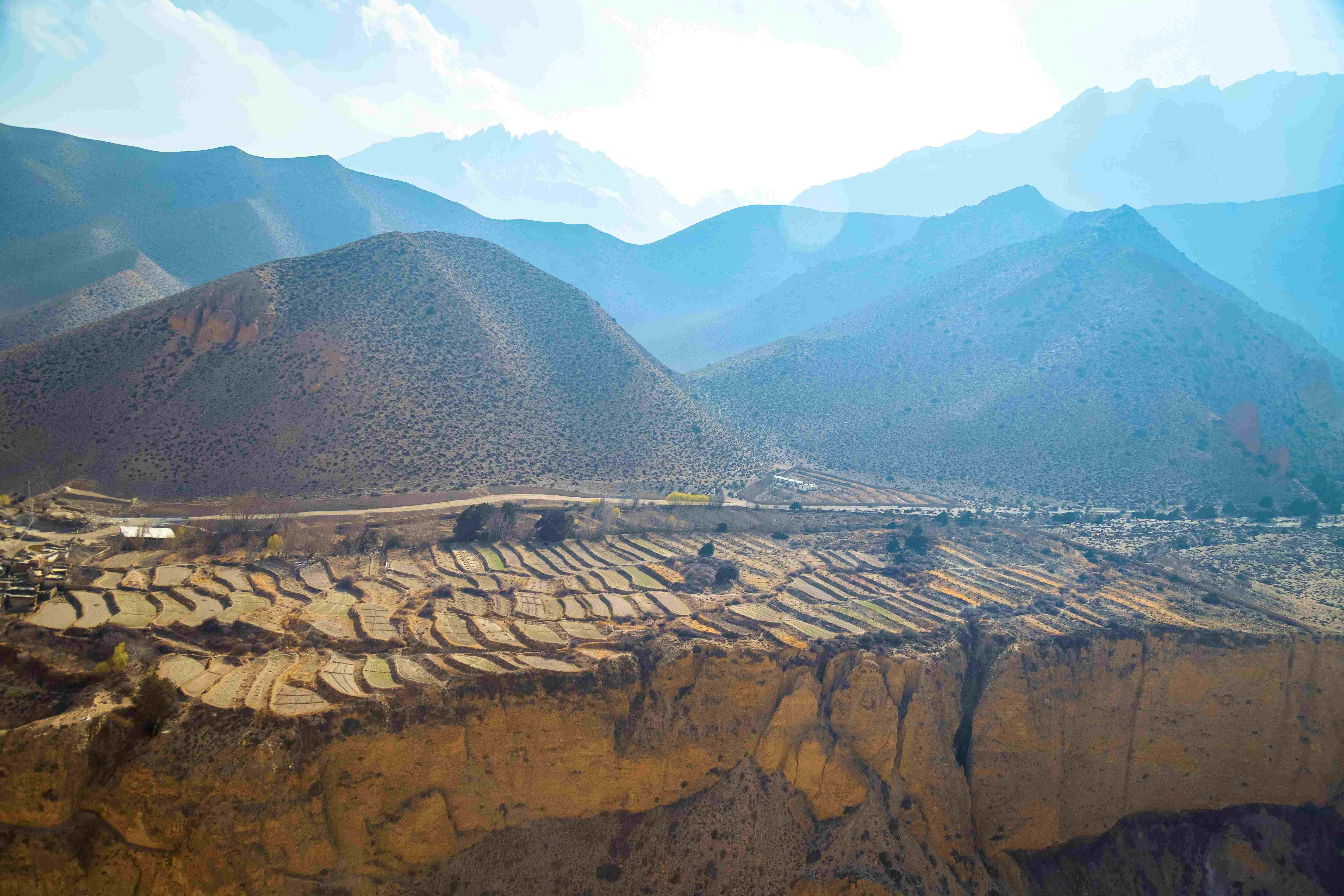
The Upper Mustang Trek isn’t simply about reaching Lo Manthang or ticking another destination off your list. It’s about travelling through a part of the Himalayas where ancient traditions, striking landscapes, and everyday life still exist much as they have for generations.
From the windswept valleys of the Kali Gandaki to the quiet streets of the former Kingdom of Lo, every stage of the journey offers something different. Some days are filled with dramatic mountain views, while others are remembered for a conversation in a village tea house or the peaceful atmosphere inside a centuries-old monastery.
If you’re planning a trek in Nepal in 2026 and want an experience that goes beyond the usual Himalayan routes, Upper Mustang deserves serious consideration. With the right preparation, the required permits, and a well-planned itinerary, you’ll discover a side of Nepal that few places can match—and one that’s likely to stay with you long after the trek is over.
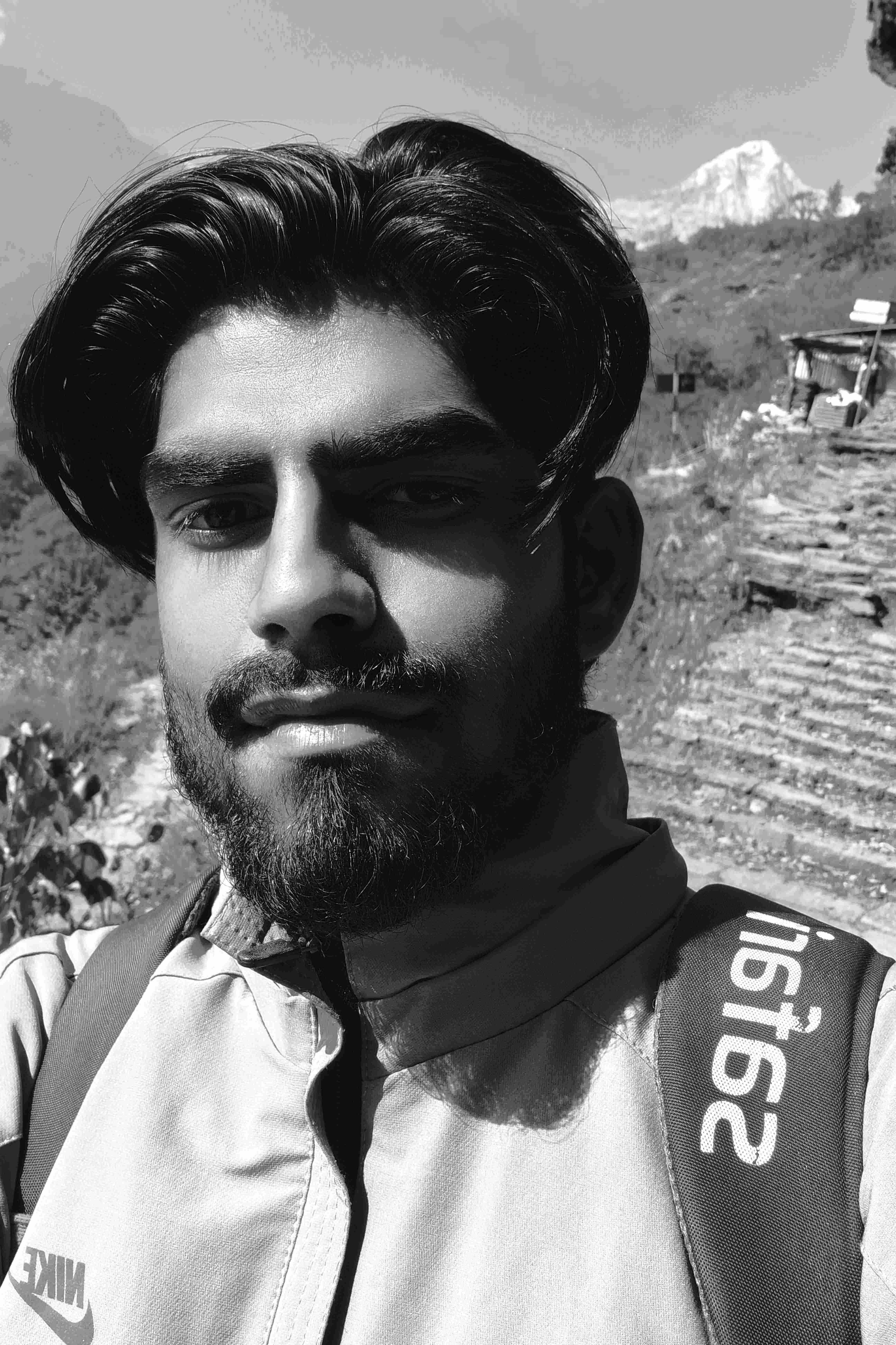
ABOUT AUTHOR
Afjal Khan
Afjal Khan is the founder of Epic Himalayan Trails and a passionate Himalayan trekker. He shares trekking guides, route information, itineraries, and practical travel tips to help trekkers plan better journeys across Nepal and the Indian Himalayas. Through Epic Himalayan Trails, his goal is to make trekking information simple, reliable, and useful for both beginners and experienced trekkers.