Introduction: Discover the Untouched Beauty of Dhorpatan Trek Nepal
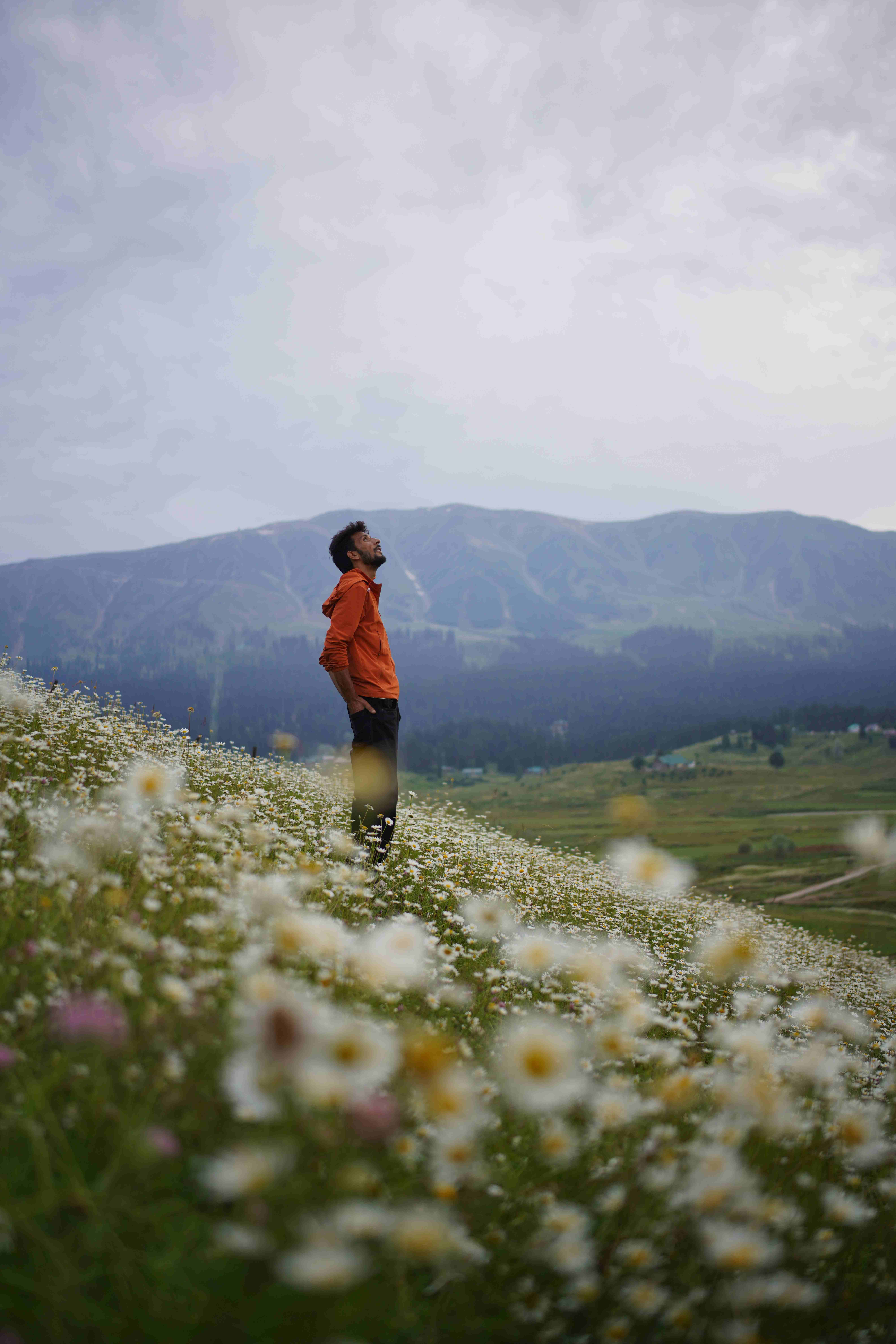
When most travellers dream about Nepal trekking, their minds usually go towards Everest Base Camp, Annapurna Base Camp, or the famous Manaslu Circuit. These trails are undoubtedly spectacular, but Nepal still has many hidden corners where nature remains raw, peaceful, and untouched. One such hidden gem is the Dhorpatan Trek Nepal, a beautiful off-the-beaten-path Himalayan adventure that takes you deep into the wilderness of western Nepal.
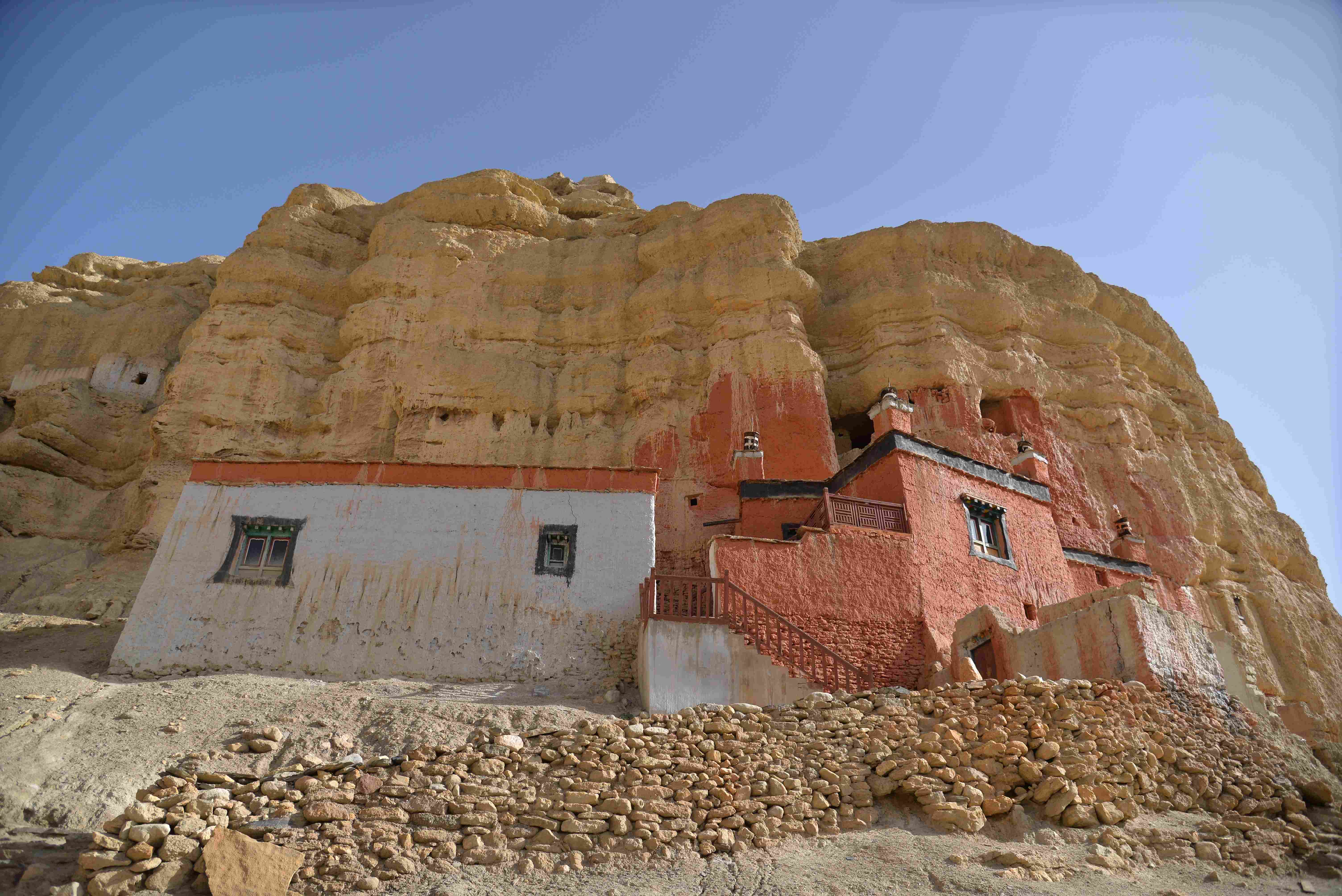
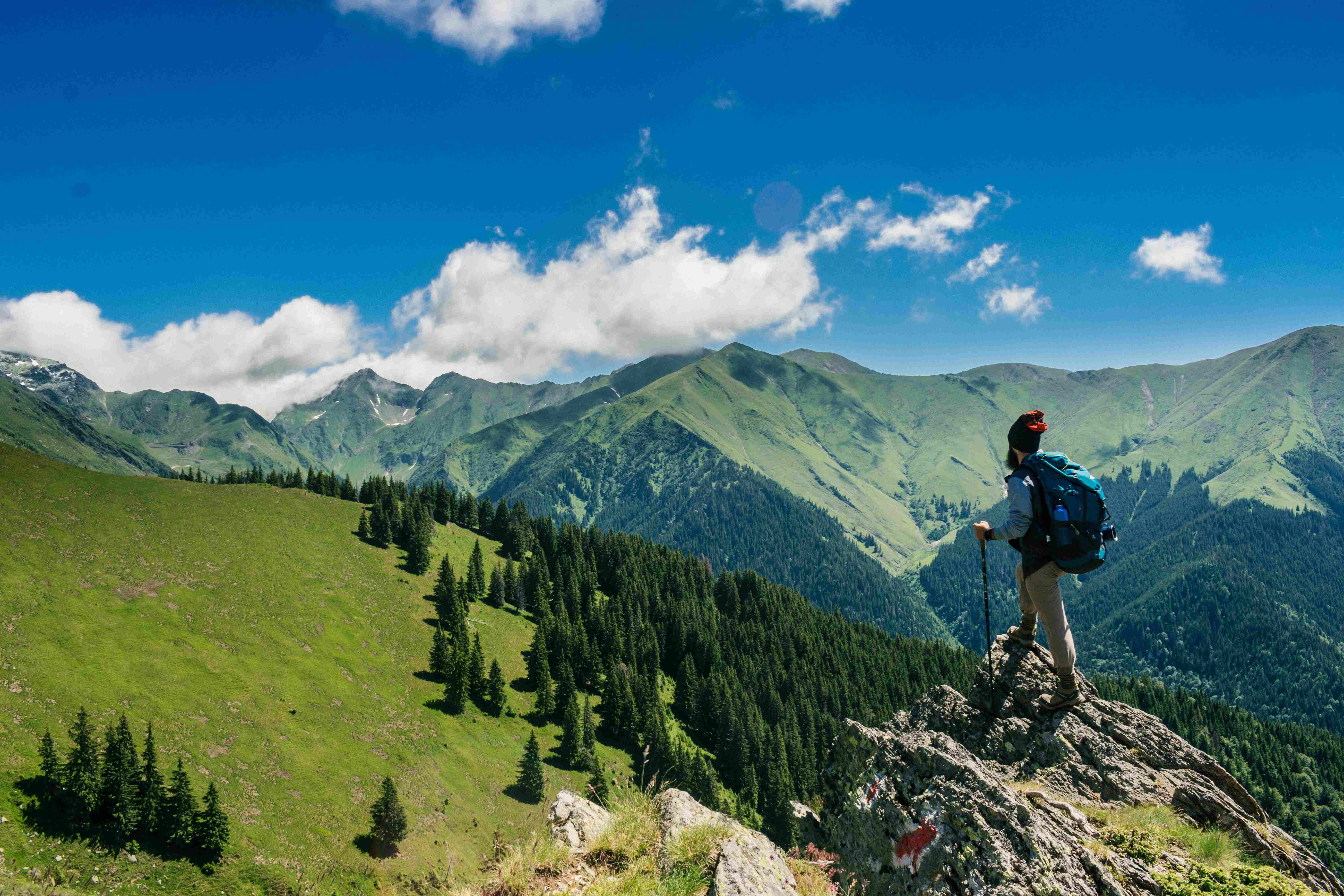
The Dhorpatan Trek 2026 is perfect for travellers who want to experience authentic Nepal beyond crowded trekking routes. Surrounded by stunning Himalayan landscapes, traditional Magar villages, green forests, alpine meadows, and breathtaking mountain views, Dhorpatan offers a completely different trekking experience.
Located in the western part of Nepal, Dhorpatan lies inside the Dhorpatan Hunting Reserve, Nepal’s only hunting reserve. However, the region is not just about wildlife; it is a paradise for trekkers looking for peaceful trails, unique culture, and spectacular Himalayan scenery.
Unlike popular trekking regions where hundreds of trekkers walk the same paths every day, Dhorpatan remains quiet and less explored. The journey here feels like stepping into a forgotten Himalayan world where local communities still follow traditional lifestyles and the mountains dominate the horizon.
The Dhorpatan Trek Guide 2026 will help you understand everything you need before planning this incredible Himalayan journey, including the best time to visit, trekking route, difficulty level, permits, accommodation, cost, packing list, and complete itinerary.
Whether you are an experienced trekker searching for a new adventure or a traveller who wants to explore Nepal’s hidden valleys, Dhorpatan Trek offers an unforgettable experience filled with natural beauty, cultural encounters, and peaceful mountain moments.
Dhorpatan Trek Nepal Overview
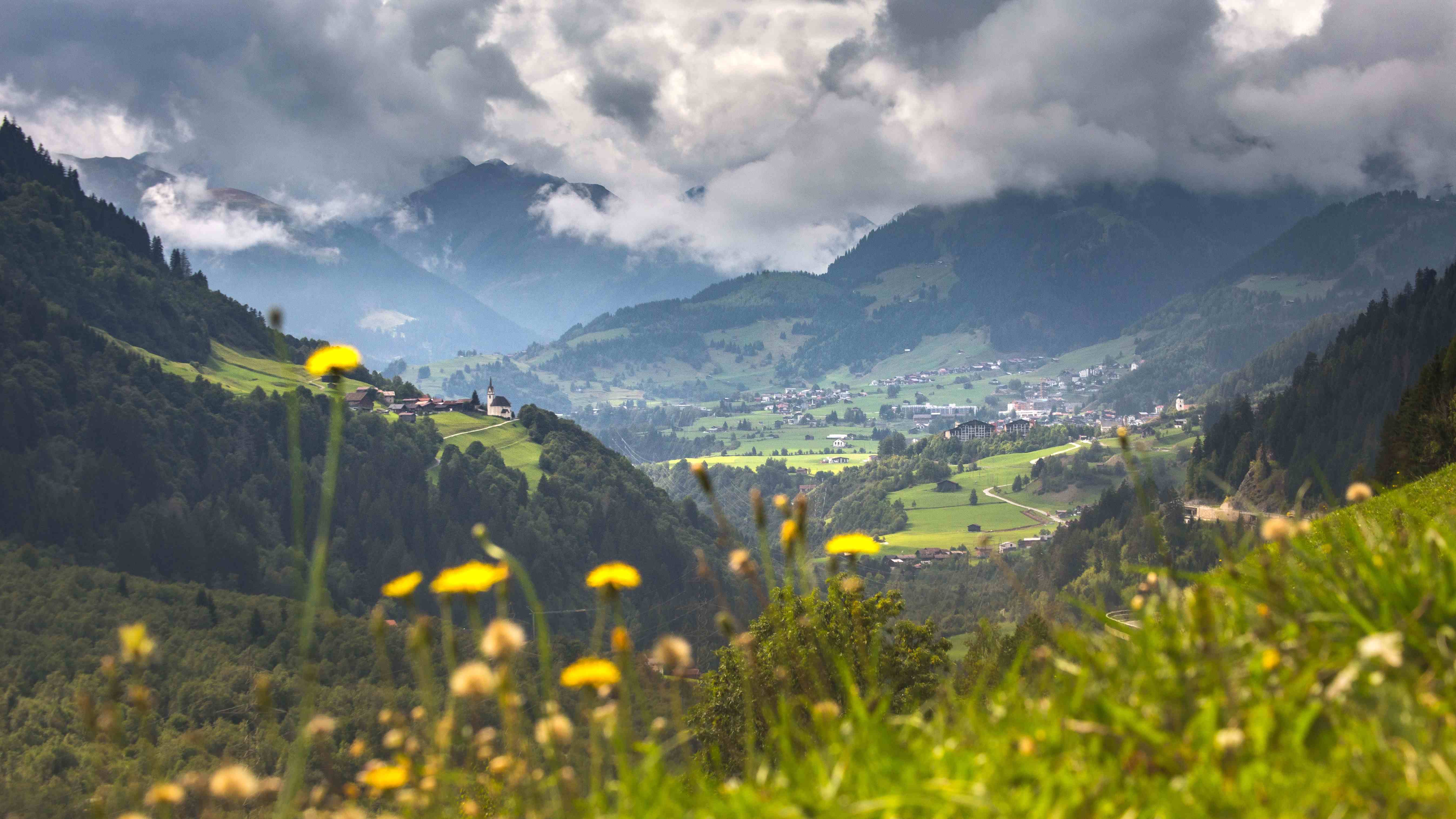
The Dhorpatan Trek is one of Nepal’s most underrated trekking routes, located in the Dhaulagiri region of western Nepal. The trek takes you through remote mountain villages, dense forests, open grasslands, and beautiful Himalayan landscapes.
The region is famous for its peaceful environment and untouched natural beauty. During the trek, you can witness incredible views of Himalayan peaks, including parts of the Dhaulagiri range, while walking through landscapes that remain far away from mass tourism.
The main attraction of this trek is Dhorpatan Valley itself, a wide and beautiful valley surrounded by mountains. The area is home to different ethnic communities, especially the Magar people, who have preserved their unique culture, traditions, and lifestyle for generations.
The Dhorpatan Valley Trek is not only a mountain journey but also a cultural exploration where travellers can experience authentic rural Nepal.
Compared to famous Nepal trekking routes, Dhorpatan requires more planning because facilities are limited. However, this is exactly what makes the trek special. The feeling of exploring a hidden Himalayan destination is what attracts adventure seekers from around the world.
Where is Dhorpatan Trek Located in Nepal?
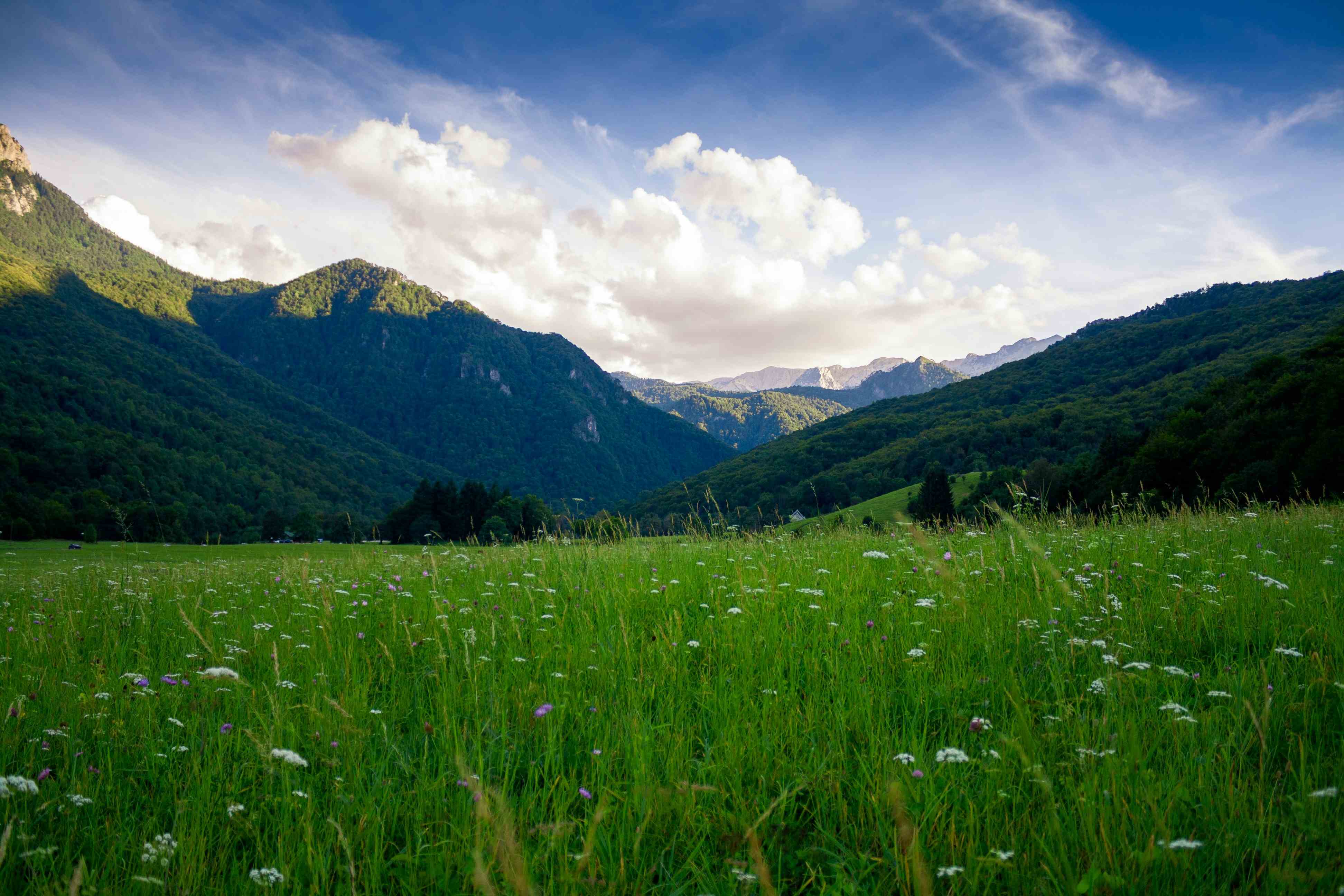
The Dhorpatan Trek Nepal is located in Baglung District of Gandaki Province in western Nepal. It is situated between the Dhaulagiri and Annapurna Himalayan regions, making it an excellent destination for mountain lovers.
Dhorpatan is approximately 130 kilometres from Pokhara by road, although travel time depends on road conditions. The usual starting point for the trek is Baglung, which can be reached from Pokhara.
The region is famous for the Dhorpatan Hunting Reserve, which covers a large area of forests, valleys, and alpine landscapes. Established in 1987, the reserve protects several species of Himalayan wildlife and offers visitors a chance to experience Nepal’s natural ecosystem.
The remote location of Dhorpatan is one of the main reasons why it has remained less crowded compared to other trekking destinations in Nepal.
For travellers coming from India, the journey usually begins by crossing the Sonauli border, travelling towards Kathmandu or Pokhara, and then continuing towards Baglung before starting the trek.
Why Choose Dhorpatan Trek in 2026?
The popularity of hidden Himalayan destinations is increasing because many travellers now want experiences beyond crowded tourist routes. The Dhorpatan Trek 2026 provides exactly that — a peaceful adventure surrounded by nature.
One of the biggest reasons to choose Dhorpatan is its untouched environment. The trails are quiet, the villages are authentic, and the connection with nature feels much stronger compared to commercial trekking routes.
During the trek, you will walk through beautiful forests filled with rhododendron trees, cross mountain streams, explore traditional villages, and enjoy incredible views of snow-covered peaks.
Another highlight of Dhorpatan is the opportunity to experience local Himalayan culture. The Magar communities living in this region have a rich history and welcoming nature. Staying in local homes or small lodges allows travellers to understand their lifestyle, food, and traditions.
For photographers and content creators, Dhorpatan is a dream destination. The combination of mountains, villages, wildlife, and untouched landscapes provides endless opportunities for capturing unique Himalayan stories.
If you are looking for a Nepal trek that feels authentic, peaceful, and adventurous, Dhorpatan should definitely be on your 2026 travel list.
Best Time for Dhorpatan Trek 2026
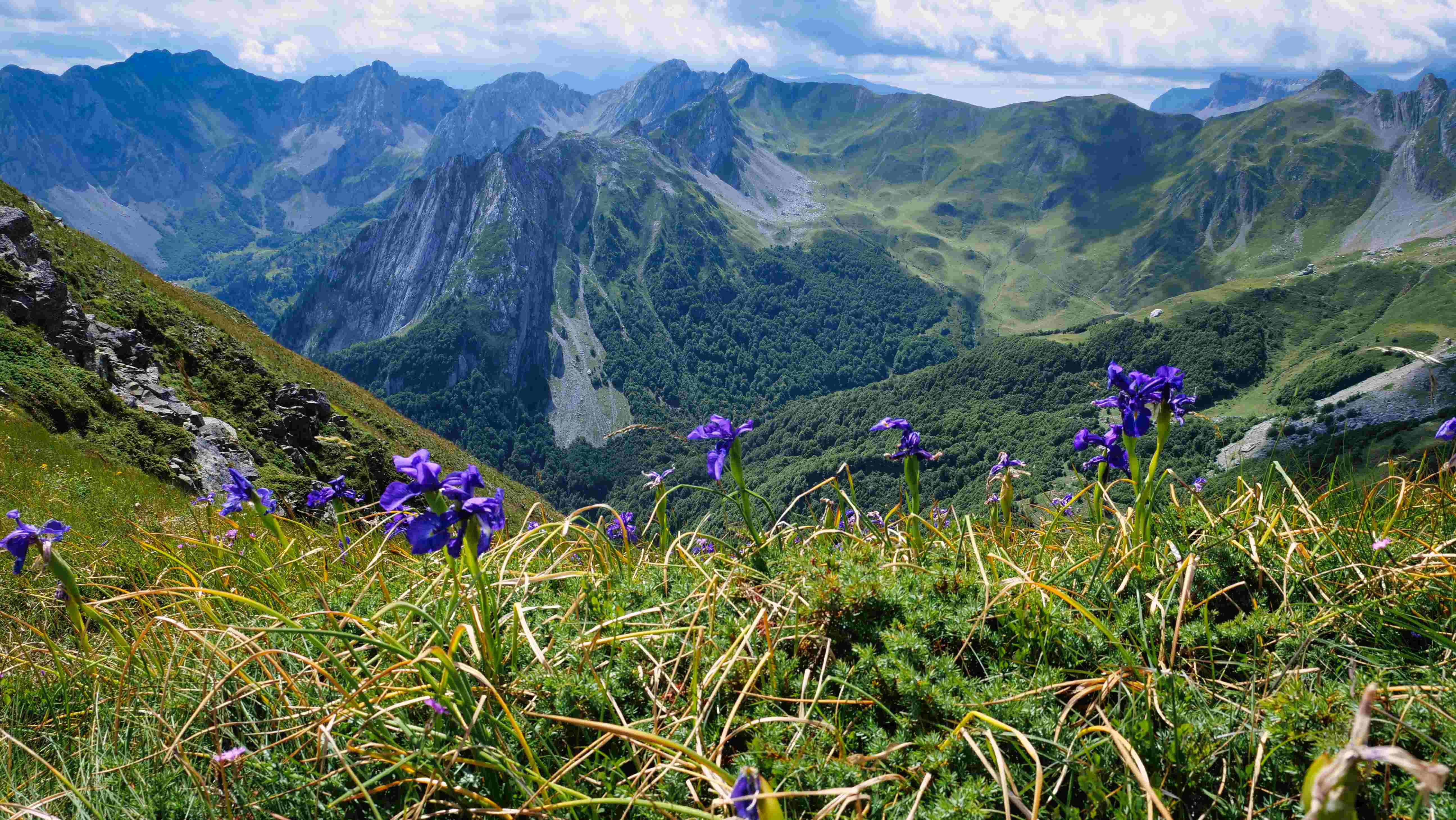
Choosing the right season is very important for a successful Dhorpatan Trek Nepal experience. The region has different landscapes throughout the year, but spring and autumn are considered the best seasons.
Spring Season (March to May)
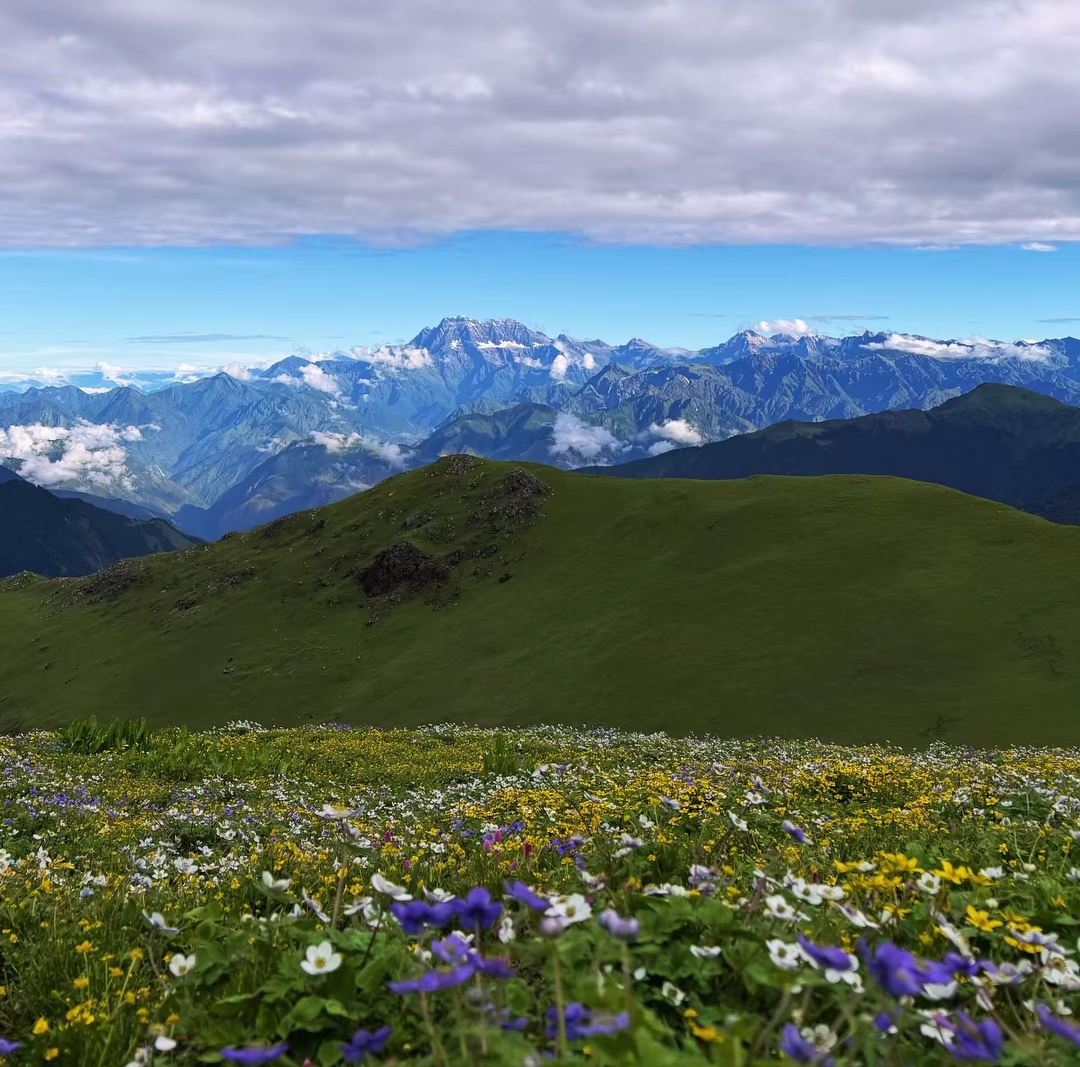
Spring is one of the most beautiful times for the Dhorpatan Trek. During this period, forests become colourful with blooming rhododendron flowers, which are Nepal’s national flower.
The weather remains pleasant, trails are comfortable, and mountain views are usually clear. This season is perfect for nature lovers and photographers who want to capture colourful Himalayan landscapes.
Autumn Season (September to November)
Autumn is considered the best trekking season in Nepal. After the monsoon, the skies become clear, visibility improves, and Himalayan views are at their best.
For the Dhorpatan Trek 2026, autumn is highly recommended because the weather conditions are stable and the chances of enjoying panoramic mountain views are higher.
Winter Season (December to February)
Winter transforms Dhorpatan into a magical snowy landscape. However, temperatures can become very cold, and higher areas may receive heavy snowfall.
Experienced trekkers who enjoy winter adventures can visit during this season, but proper preparation and warm gear are necessary.
Monsoon Season (June to August)
Monsoon is generally not recommended for Dhorpatan Trek because heavy rainfall can make trails muddy and roads difficult to access.
However, the region becomes very green during monsoon, and travellers who prefer solitude may still enjoy the peaceful atmosphere with proper planning.
Dhorpatan Trek Itinerary 2026: A Complete Journey Through Nepal’s Hidden Himalayan Wilderness
The real beauty of the Dhorpatan Trek Nepal begins when you leave behind the busy tourist areas and enter the peaceful landscapes of western Nepal. Unlike popular trekking routes where trails are often crowded, Dhorpatan offers a rare opportunity to experience the untouched side of the Himalayas.
The journey is not only about reaching Dhorpatan Valley; it is about experiencing the changing landscapes, meeting local communities, walking through ancient forests, and discovering a part of Nepal that still remains away from mass tourism.
A well-planned Dhorpatan Trek itinerary 2026 usually takes around 8 to 10 days, including transportation from Pokhara. The duration can be adjusted depending on your pace and the amount of time you want to spend exploring the valley.
Day 1: Kathmandu to Pokhara – The Gateway to Dhorpatan Trek Nepal
Your Dhorpatan adventure begins from Kathmandu, the cultural heart of Nepal. After completing your preparation, you will travel towards Pokhara, a beautiful lakeside city and the main gateway for trekking adventures in western Nepal.
The journey from Kathmandu to Pokhara is one of the most scenic road trips in Nepal. The highway follows the Trishuli River and passes through green hills, terraced farms, waterfalls, and traditional villages. Slowly, the busy atmosphere of Kathmandu disappears, and the peaceful countryside of Nepal begins.
During this journey, you get your first introduction to Nepal’s rural lifestyle. You will see farmers working on hillside fields, local markets filled with mountain products, and small villages surrounded by green landscapes.
Travellers who want to save time can also take a domestic flight from Kathmandu to Pokhara. On clear days, the flight offers beautiful aerial views of the Himalayan region.
After reaching Pokhara, you can spend the evening relaxing beside Phewa Lake while enjoying views of the Annapurna mountain range and Machhapuchhre (Fishtail Mountain).
Before starting the Dhorpatan Trek route, Pokhara is the best place to check your trekking gear, purchase any missing items, and prepare yourself for the remote Himalayan journey ahead.
Travel Distance: Approximately 200 km
Travel Duration: 6–8 hours by road
Overnight Stay: Pokhara
Day 2: Pokhara to Baglung and Burtibang – Entering the Remote Western Nepal
After breakfast in Pokhara, the journey continues towards Baglung, an important town in western Nepal. This section of the route gives you a beautiful introduction to the landscapes that make this region special.
The road passes through deep valleys, flowing rivers, green hills, and traditional mountain settlements. As you move further away from Pokhara, the number of tourists decreases and the authentic Himalayan atmosphere becomes stronger.
Baglung is an important connection point for travellers heading towards the Dhorpatan region. From here, the road continues towards Burtibang, a small mountain settlement that acts as one of the main gateways for the trek.
Burtibang gives you the feeling of entering a different Nepal. The lifestyle becomes simpler, the surroundings become quieter, and the mountains start dominating the horizon.
This is also the last major place where trekkers can arrange remaining supplies before entering the more remote sections of the Dhorpatan Valley Trek.
Spending an evening in Burtibang allows you to experience local mountain life and prepare for the walking days ahead.
Route: Pokhara → Baglung → Burtibang
Overnight Stay: Burtibang
Day 3: Trek from Burtibang Towards Dhorpatan Region – Walking Into the Wilderness
Today is the beginning of your actual trekking adventure. Leaving the road behind, you finally step onto the Himalayan trails that lead towards Dhorpatan Valley.
The trail takes you through peaceful forests, small settlements, and beautiful mountain landscapes. The environment changes with every step as you move deeper into western Nepal’s wilderness.
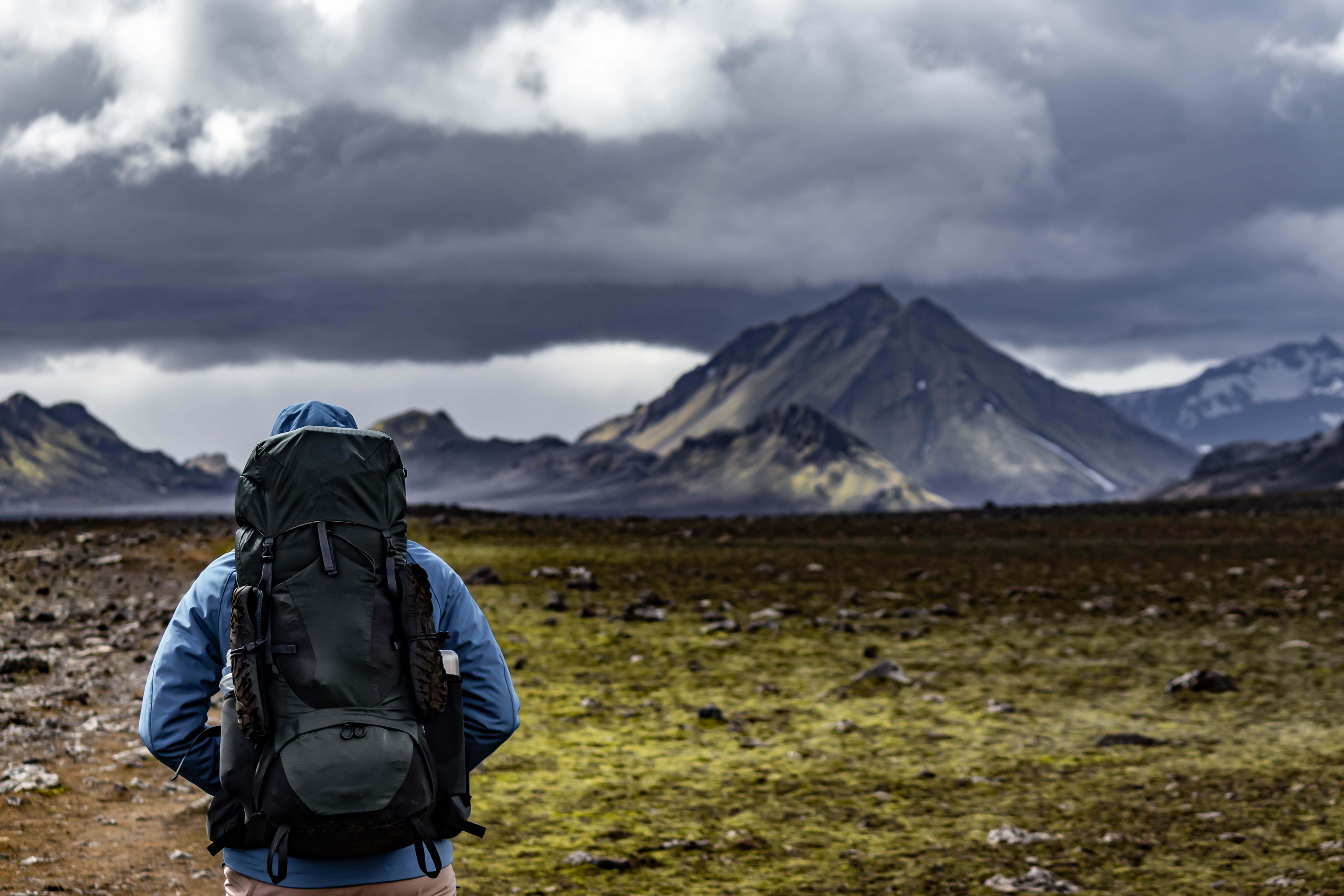
One of the most special things about this section of the trek is the silence. Unlike famous routes such as Everest Base Camp Trek or Annapurna Base Camp Trek, you will not find large crowds walking beside you. Instead, you experience nature in its purest form.
The trail passes through forests of pine, oak, and rhododendron. During spring, these forests become colourful with blooming flowers, creating some of the most beautiful landscapes of the journey.
Along the way, you may meet local villagers travelling between settlements, farmers working on their fields, and shepherds moving with their animals.
These simple moments make Dhorpatan different from other trekking destinations. The experience feels less like a commercial adventure and more like a journey into the real Himalayan lifestyle.
Walking Duration: Around 5–7 hours
Trail: Forest paths, village trails, gradual climbs
Overnight Stay: Local lodge or homestay
Day 4: Trek to Dhorpatan Valley (2,860m) – Discovering Nepal’s Hidden Himalayan Gem
The fourth day is one of the most exciting parts of the entire Dhorpatan Trek itinerary 2026 because you finally reach the beautiful Dhorpatan Valley.
As you approach the valley, the landscape begins to open up. The narrow forest trails slowly transform into wider mountain landscapes with green meadows, peaceful villages, and impressive Himalayan surroundings.
The first view of Dhorpatan Valley creates a feeling of discovering a hidden world. Surrounded by mountains and natural beauty, the valley looks completely different from the crowded trekking destinations of Nepal.
Dhorpatan is located inside the Dhorpatan Hunting Reserve, an area famous for its rich biodiversity and unique Himalayan environment. The region is home to different wildlife species and provides protection to the natural ecosystem.
The biggest attraction of Dhorpatan is its untouched atmosphere. Here, you can enjoy the mountains without the noise of hundreds of trekkers. The peaceful valleys, traditional houses, and open landscapes create unforgettable memories.
For photographers and travel creators, this section is especially rewarding. Sunrise and sunset views, local villages, mountain scenery, and daily life of local people provide endless storytelling opportunities.
Altitude: Approximately 2,860 metres
Walking Duration: 5–7 hours
Overnight Stay: Dhorpatan Valley
Day 5: Explore Dhorpatan Valley – Discover the Hidden Beauty of Western Nepal
After reaching Dhorpatan Valley, it is worth spending an extra day exploring this beautiful Himalayan destination. Many trekkers make the mistake of rushing through hidden places, but Dhorpatan is not a destination that should be experienced in a hurry.
The true charm of the Dhorpatan Trek Nepal is found in its peaceful atmosphere, traditional villages, untouched landscapes, and the simple lifestyle of local communities.
Morning in Dhorpatan begins with fresh mountain air and incredible views of the surrounding hills. The quiet environment feels completely different from Nepal’s famous trekking regions. There are no large crowds, no busy trails, and no rush to reach the next destination. Instead, you can enjoy the mountains at your own pace.
During the exploration day, you can walk around the valley, visit nearby settlements, and experience the local Magar culture. The people of this region have preserved their traditional lifestyle for generations, and interacting with them gives travellers a deeper understanding of rural Nepal.
The villages around Dhorpatan are surrounded by forests, farmland, and open landscapes. You can see locals working in their fields, taking care of livestock, and following their daily mountain routines.
For photographers and travel creators, this day offers some of the best opportunities of the entire trek. The combination of traditional houses, mountain backgrounds, local people, and peaceful landscapes creates authentic Himalayan stories that are difficult to capture on crowded routes.
The Dhorpatan Hunting Reserve surrounding the valley also makes this region unique. The protected area is home to different Himalayan wildlife species and a rich natural ecosystem. Even a simple walk around the valley feels like exploring a hidden corner of the Himalayas.
Instead of focusing only on covering distance, this day is about connecting with the destination and enjoying the rare peaceful moments that Dhorpatan offers.
Altitude: Around 2,860 metres
Activity: Valley exploration, village walk, photography
Overnight Stay: Dhorpatan Valley
Day 6: Hiking Around Dhorpatan – Exploring Hidden Trails and Mountain Views
Day six is dedicated to exploring the surroundings of Dhorpatan. This additional hiking day allows you to discover viewpoints and landscapes that many visitors miss.
The beauty of Dhorpatan lies in its simplicity. The trails are not filled with hundreds of trekkers; instead, you walk through peaceful forests, open meadows, and quiet mountain paths where nature becomes your only companion.
Depending on your interest and fitness level, you can take short hikes around the valley. These walks offer beautiful views of the surrounding hills and provide a closer look at the natural environment of western Nepal.
During clear weather, the landscapes become especially impressive. The combination of green valleys, mountain ridges, and traditional villages creates a perfect Himalayan setting.
This day is also important for acclimatization and relaxation. Although the altitude of Dhorpatan is moderate, giving your body time to adjust makes the trek more enjoyable and comfortable.
For content creators, this is one of the best days to create detailed travel content. The slow pace allows you to record local stories, capture cinematic mountain shots, and experience the destination beyond just famous viewpoints.
A major reason why travellers choose the Dhorpatan Trek itinerary 2026 is the freedom to explore places that still feel untouched.
Walking Duration: Around 3–6 hours depending on the hike
Overnight Stay: Dhorpatan Valley
Day 7: Dhorpatan to Burtibang – Returning Through the Himalayan Landscape
After spending memorable days in the hidden valley, the return journey begins towards Burtibang.
Leaving Dhorpatan can feel emotional because the peaceful environment and untouched beauty of the valley create a strong connection with travellers. However, the return trail offers a completely different perspective of the landscapes you crossed earlier.
Walking downhill through forests and villages gives you another chance to appreciate the beauty of western Nepal. The same mountains, rivers, and settlements look different when viewed from a new direction.
During the journey, you may again meet local people travelling between villages, farmers working in mountain fields, and locals continuing their traditional way of life.
The return route is not just about finishing the trek; it is a time to reflect on the experience. The quiet trails, cultural encounters, and natural beauty make the Dhorpatan Valley Trek a memorable Himalayan adventure.
By evening, you will reach the lower settlements near Burtibang and complete the main trekking section.
Walking Duration: Around 5–7 hours
Overnight Stay: Burtibang area
Day 8: Burtibang to Pokhara – Completing the Dhorpatan Trek Journey
The final day of the journey takes you back towards Pokhara. After days spent in remote Himalayan landscapes, returning to the lakeside city feels refreshing.
The road journey from Burtibang towards Pokhara passes through beautiful countryside scenery. You will once again see green hills, rivers, villages, and the changing landscapes of Nepal.
Reaching Pokhara marks the completion of one of Nepal’s most underrated trekking adventures. After experiencing the quiet wilderness of Dhorpatan, you can relax beside Phewa Lake, enjoy local food, and remember the incredible moments from the trail.
The Dhorpatan Trek 2026 may not be as famous as Everest Base Camp or Annapurna Base Camp, but that is exactly what makes it special. It offers something rare — a genuine connection with nature, culture, and the peaceful Himalayan lifestyle.
Dhorpatan Trek Route Overview: Understanding the Complete Trail
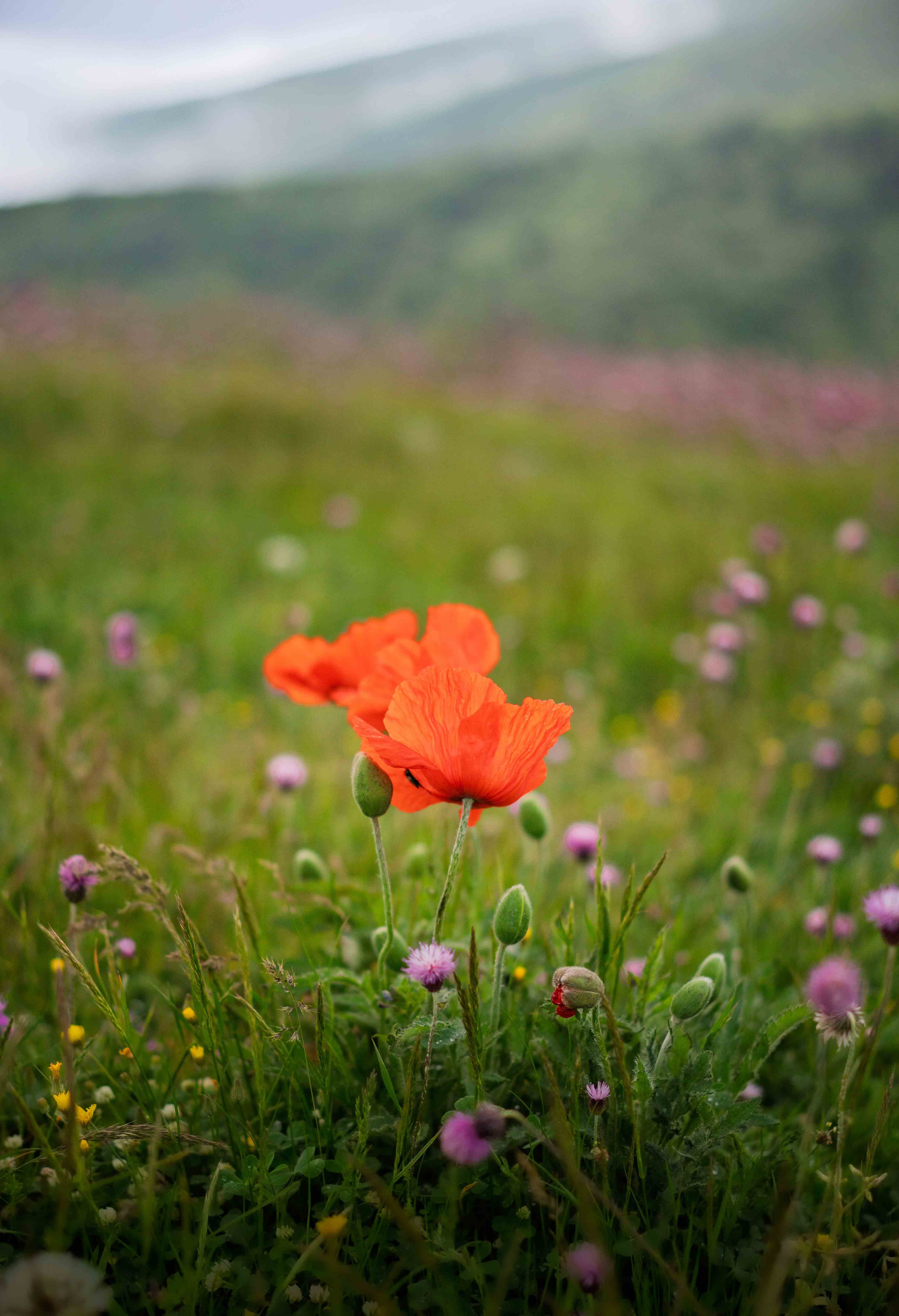
The Dhorpatan Trek route takes you through the beautiful western region of Nepal, mainly around Baglung District. The journey combines scenic road travel with remote mountain trekking.
The commonly used route follows:
Kathmandu → Pokhara → Baglung → Burtibang → Dhorpatan Valley → Exploration → Burtibang → Pokhara
The exact route can vary depending on road conditions, trekking duration, and the areas you choose to explore.
The biggest attraction of this route is the gradual change in landscapes. The journey begins with busy cities, moves through rural villages, enters dense forests, and finally reaches a peaceful Himalayan valley surrounded by nature.
Dhorpatan Trek Difficulty Level: Is This Trek Suitable for Beginners?
The Dhorpatan Trek Nepal is one of those Himalayan journeys that offers a perfect balance between adventure and comfort. It does not demand technical climbing skills or extreme high-altitude experience, but it still provides the feeling of a true wilderness expedition.
The Dhorpatan Trek difficulty level is generally considered moderate. The main challenge of this trek is not the altitude but the remote nature of the region. Unlike popular Nepal trekking routes where trails are well-developed and villages have many facilities, Dhorpatan remains a less explored destination.
During the trek, you will walk through forest trails, mountain paths, and rural settlements where the infrastructure is still basic. Some days can include several hours of continuous walking, so good physical fitness is important.
The trail rewards you with peaceful landscapes, traditional villages, and untouched Himalayan views. For many trekkers, the remote feeling is not a difficulty but the biggest attraction of Dhorpatan.
Beginners with regular walking habits can complete this trek comfortably. If you can walk for 5–7 hours in a day and prepare yourself with basic fitness training before the trip, Dhorpatan can become an unforgettable first Himalayan adventure.
Experienced trekkers will also enjoy this route because it provides something rare in Nepal — solitude.
Dhorpatan Trek Altitude Guide: Understanding Elevation and Acclimatization
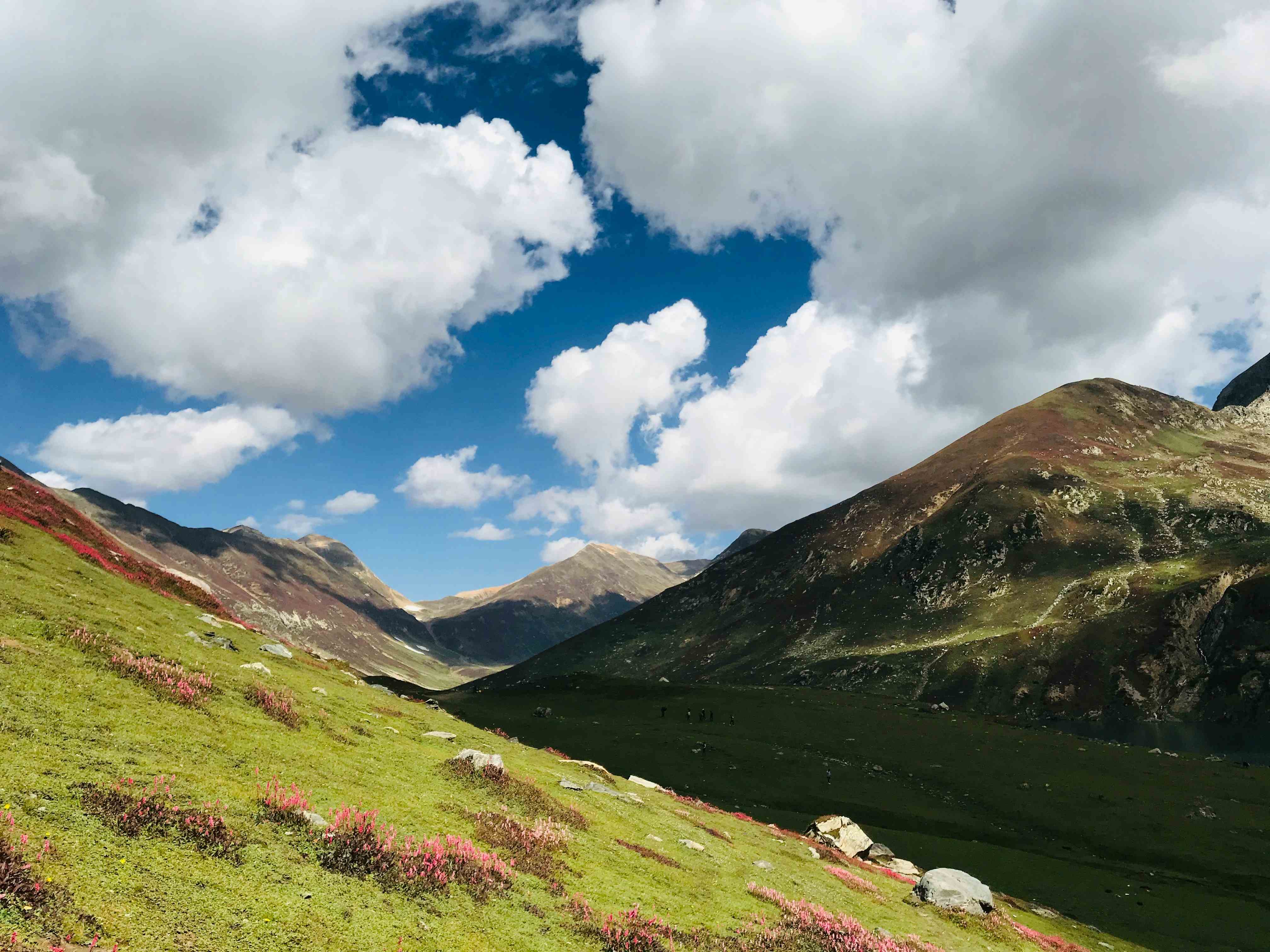
One of the reasons the Dhorpatan Trek 2026 is becoming popular among adventure travellers is its comfortable altitude profile.
The highest point of the main trek is approximately:
Dhorpatan Valley: 2,860 metres (9,383 feet)
Compared with high-altitude adventures like Everest Base Camp Trek (5,364m) or Annapurna Circuit Trek (5,416m), Dhorpatan is much lower.
This makes it a great option for travellers who want to experience the Himalayas without facing extreme altitude challenges.
However, mountain environments should always be respected. Even at moderate elevations, some people may feel tired or uncomfortable while adjusting.
The best way to enjoy the trek is to maintain a slow pace, drink enough water, eat properly, and allow your body to adapt naturally.
Because the route passes through beautiful villages and forests before reaching the valley, the altitude gain is gradual, making the journey more comfortable.
Dhorpatan Trek Permit 2026: Entry Requirements and Fees
Before entering this beautiful Himalayan region, trekkers need to arrange the required permits.
The main permit required for the Dhorpatan Trek Nepal is the:
Dhorpatan Hunting Reserve Entry Permit
Dhorpatan is located inside Nepal’s only hunting reserve, which protects the region’s forests, wildlife, and natural environment. Every visitor entering the reserve area needs permission.
For international travellers, the approximate permit cost is:
Dhorpatan Hunting Reserve Permit: Around $10–$15 per person
Apart from this, trekking requirements in Nepal can change depending on government regulations. Some routes may require additional documents such as the TIMS (Trekkers’ Information Management System) card.
Indian travellers usually have simpler entry procedures compared to other foreign visitors, but carrying a valid passport or identification document is recommended.
The permit system is not just a formality; it helps preserve the untouched beauty that makes Dhorpatan such a special destination.
Dhorpatan Trek Cost 2026: Complete Budget Breakdown in US Dollars
The total Dhorpatan Trek cost 2026 depends on how you choose to travel.
Since Dhorpatan is still a hidden trekking destination, it is generally more affordable than Nepal’s famous routes. However, because the region is remote, transportation costs can become a major part of your budget.
A realistic budget for the complete trek is:
Budget Style: Around $350–$500 per person
Comfort Style with Guide: Around $600–$900 per person
Premium Private Trek Experience: Around $1,000+ per person
This estimate usually includes transportation, accommodation, food, permits, and basic trekking expenses.
The biggest advantage of Dhorpatan is that you can experience an authentic Himalayan adventure without spending the high costs required for some famous trekking routes.
Transportation Cost for Dhorpatan Trek
Reaching Dhorpatan requires travelling through western Nepal, and transportation plays an important role in the overall budget.
Most trekkers start their journey from Pokhara because it is the closest major tourist city.
A typical transportation cost looks like this:
Kathmandu to Pokhara: Approximately $7–$25
Pokhara to Baglung/Burtibang: Approximately $10–$20
Private Jeep Transportation: Around $80–$150 depending on route and group size
For travellers coming from India, additional expenses include reaching Nepal through the border and travelling towards Pokhara.
Using local buses is the cheapest option, while a private jeep provides more comfort, especially because western Nepal roads can be challenging.
Dhorpatan Trek Accommodation Cost and Experience
Accommodation is simple but one of the most beautiful parts of the journey.
Unlike commercial trekking regions where large hotels and luxury lodges are available, Dhorpatan offers authentic mountain stays through small lodges and homestays.
The average cost is:
Local lodge or homestay: Around $5–$10 per night
The facilities may be basic, but the experience is much more personal. You stay close to local communities, eat traditional food, and experience the real lifestyle of Himalayan villages.
For many travellers, these simple stays become some of the most memorable moments of the trek.
Dhorpatan Trek Food Cost: What Will You Eat During the Journey?
Food during the trek is simple, fresh, and prepared according to local availability.
The most common meal in Nepal is dal bhat — rice, lentils, vegetables, and sometimes meat. It is popular among trekkers because it provides enough energy for long walking days.
You can also find basic options like noodles, soups, tea, snacks, and breakfast items.
The average daily food budget is:
Food Cost: Around $15–$25 per person per day
Because Dhorpatan is remote, food prices are slightly higher than cities. Supplies need to travel through mountain roads before reaching the villages.
Carrying some personal snacks like energy bars, nuts, or chocolates is always a good idea.
Guide and Porter Cost for Dhorpatan Trek
A guide is not compulsory for every experienced trekker, but hiring one is highly recommended for Dhorpatan because the route is less crowded and local knowledge can make the journey much easier.
A local guide helps you with:
• Understanding the trail
• Finding accommodation
• Communicating with villagers
• Learning about local culture
• Handling unexpected situations
Approximate cost:
Trekking Guide: Around $25–$35 per day
Porter: Around $20–$30 per day
Hiring local guides and porters also directly supports the mountain communities that protect and maintain these trekking regions.
Is Dhorpatan Trek Worth the Money?
For travellers searching for crowded viewpoints and famous tourist experiences, Dhorpatan may feel different.
But for those who want untouched landscapes, peaceful trails, authentic culture, and a genuine Himalayan experience, the value of this trek is much higher than the price.
The beauty of Dhorpatan is that it still feels like a secret corner of Nepal. Every village, forest trail, and mountain view feels more personal because fewer people have experienced it.
The Dhorpatan Trek 2026 is not just a trip to a destination; it is a journey into the quieter and more authentic side of the Himalayas.
Dhorpatan Trek Packing List 2026: Complete Gear Guide for Nepal’s Remote Himalayan Adventure
A successful Himalayan trek is not only about reaching the destination; it is about enjoying every moment of the journey safely and comfortably. The Dhorpatan Trek Nepal takes you into one of the most remote and peaceful regions of western Nepal, where proper preparation becomes extremely important.
Unlike popular trekking routes such as Everest Base Camp or Annapurna Base Camp, Dhorpatan is still a less-developed trekking destination. You will not find large numbers of shops, equipment stores, or modern facilities along the trail. Because of this, carrying the right trekking gear can make your experience much more enjoyable.
The best approach for the Dhorpatan Trek 2026 is to pack light but smart. Carrying unnecessary items will only make your walking days harder, while missing important equipment can create problems in the mountains.
A good quality trekking backpack around 40–50 litres is usually enough for this journey. Your backpack should be comfortable, lightweight, and have proper support because you will carry it through forests, villages, and mountain trails.
The most important piece of equipment is a reliable pair of trekking shoes. The Dhorpatan trail includes different types of terrain, from forest paths to rocky mountain sections. Comfortable waterproof shoes with good grip will help you walk confidently in changing conditions.
Weather in the Himalayas can change quickly, even during the best trekking seasons. A layered clothing system works best because it allows you to adjust according to temperature. A warm fleece jacket, waterproof outer layer, trekking pants, thermal wear, and good quality socks are important for comfort.
A sleeping bag is also recommended, especially if you are travelling during colder months. Although local lodges provide blankets, having your own sleeping bag gives extra warmth and hygiene during remote stays.
For travellers who love photography and content creation, Dhorpatan is an incredible destination. The untouched landscapes, traditional villages, and Himalayan lifestyle provide endless storytelling opportunities. Carrying extra batteries, a power bank, and lightweight camera equipment is highly recommended because charging facilities can be limited.
A well-prepared backpack should include essential items like trekking shoes, warm layers, rain protection, Trekking Poles, sunglasses, sunscreen, personal medicines, water bottle, headlamp, and basic personal supplies.
The goal is not to carry everything you own but to carry everything you truly need.
Dhorpatan Wildlife and Nature: Exploring Nepal’s Untouched Wilderness
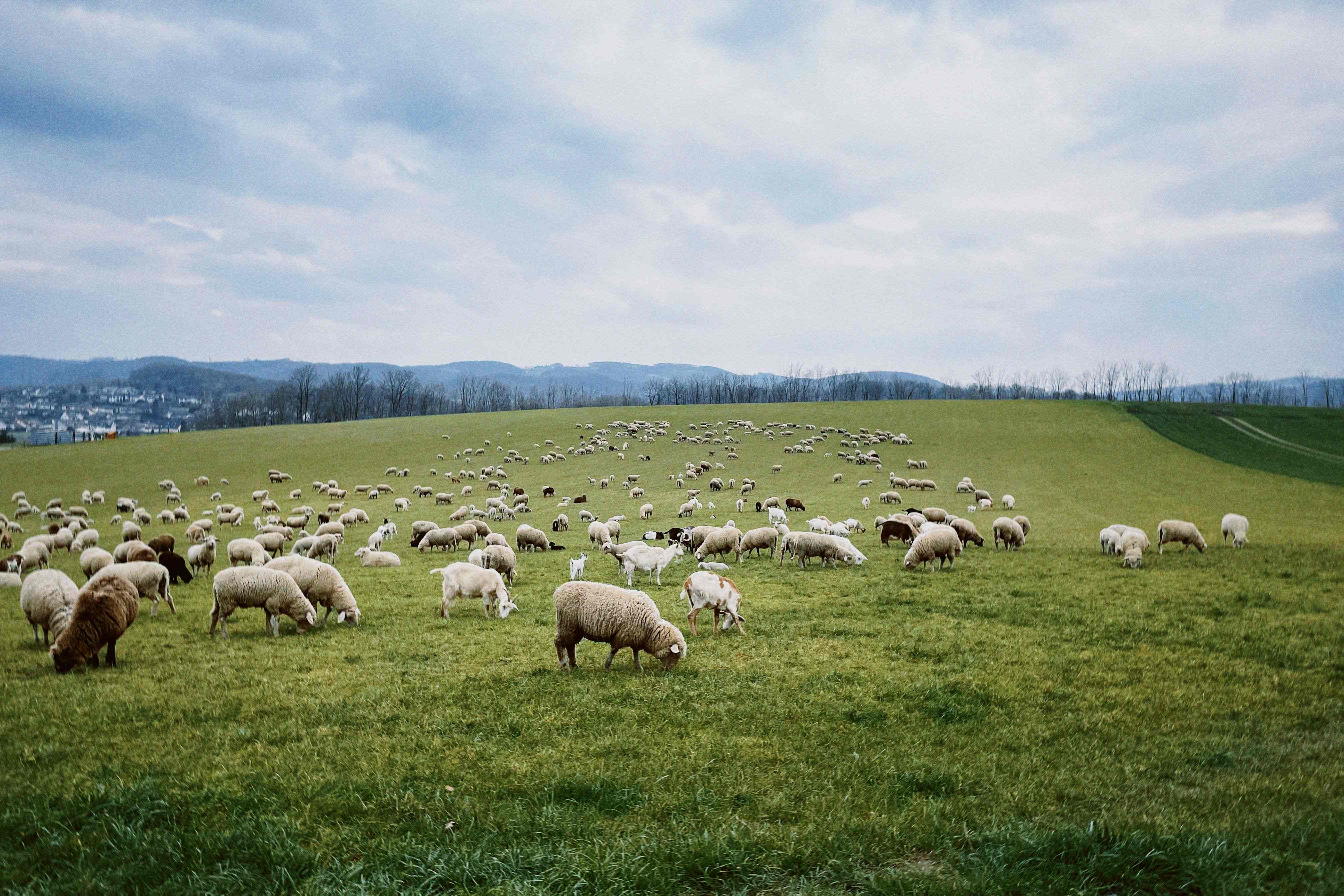
One of the biggest highlights of the Dhorpatan Trek is its incredible natural environment. The region is protected under the Dhorpatan Hunting Reserve, Nepal’s only hunting reserve, which covers a large area of forests, valleys, and alpine landscapes.
The reserve plays an important role in protecting Himalayan wildlife and maintaining the natural balance of this beautiful region.
While trekking through Dhorpatan, you are surrounded by forests of rhododendron, oak, pine, and other Himalayan vegetation. During spring, the forests become especially beautiful as rhododendron flowers cover the landscape with vibrant colours.
The peaceful environment of Dhorpatan makes wildlife experiences more special. Since the region receives fewer visitors compared to famous trekking areas, nature feels much more alive and untouched.
The area is home to different Himalayan species, including blue sheep (bharal), Himalayan black bear, barking deer, and many bird species. Although wildlife sightings are never guaranteed, walking through such a natural environment itself is a memorable experience.
For nature lovers, Dhorpatan is not just about seeing animals. It is about experiencing the silence of forests, listening to mountain streams, watching birds flying above valleys, and feeling connected with the Himalayan wilderness.
This natural beauty is one of the main reasons why the Dhorpatan Valley Trek is becoming popular among travellers searching for authentic Nepal experiences.
Dhorpatan Culture and Local Villages: Experience the Traditional Himalayan Lifestyle
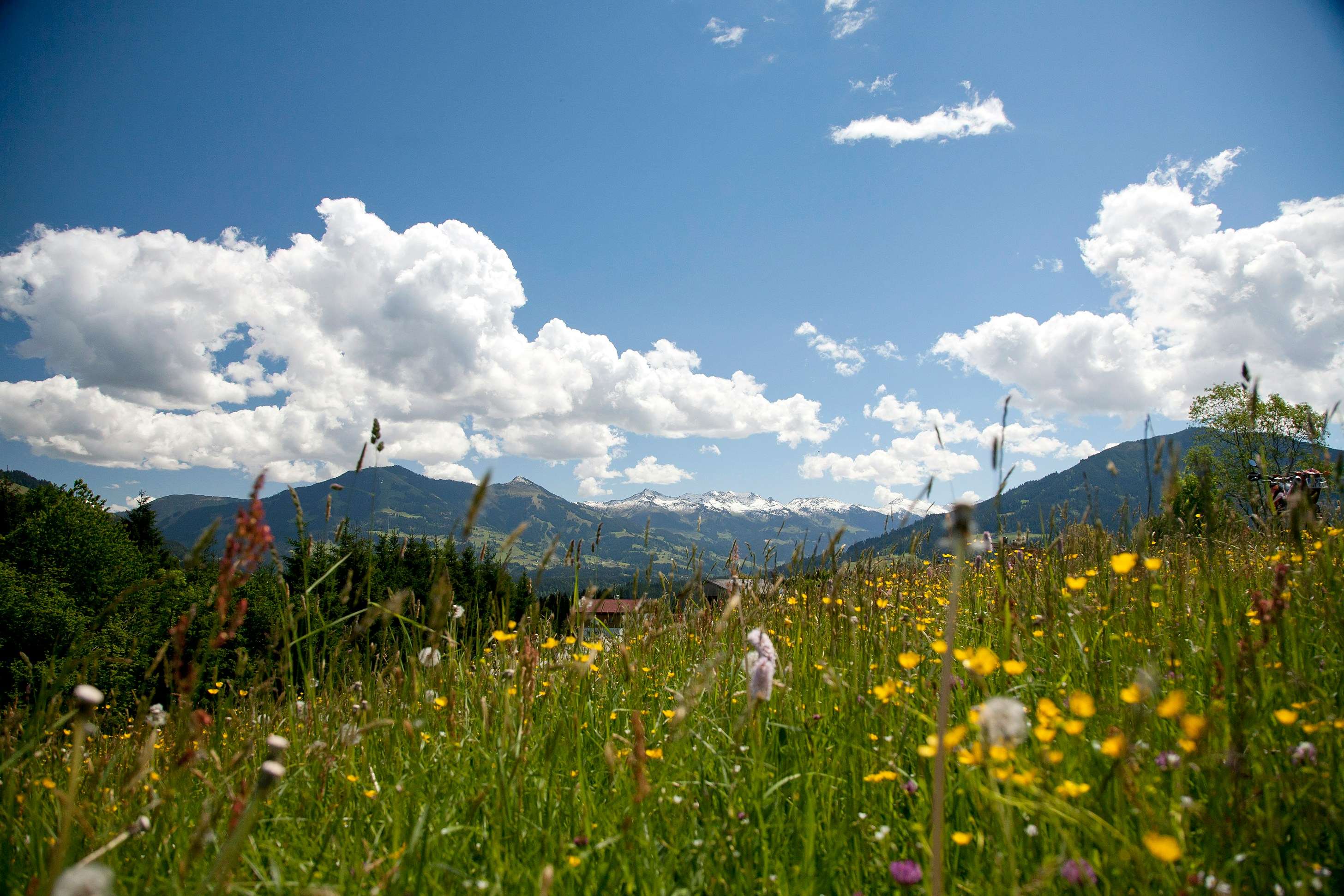
The mountains of Nepal are not only famous for their landscapes; they are also home to diverse cultures and communities. The cultural experience is one of the most meaningful parts of the Dhorpatan Trek Nepal.
The region is mainly influenced by the Magar community, one of Nepal’s indigenous ethnic groups with a rich history and unique traditions.
Life in Dhorpatan is closely connected with nature. Local people depend on agriculture, livestock, and traditional practices that have been passed from generation to generation.
Walking through the villages, you can see traditional mountain houses, local farming methods, and the simple lifestyle of people living in harmony with their surroundings.
The hospitality of local communities is something many trekkers remember long after completing the journey. Staying in local lodges or homestays provides an opportunity to interact with villagers, taste traditional food, and learn about their daily lives.
Unlike crowded tourist destinations, where cultural experiences can sometimes feel commercial, Dhorpatan offers genuine interactions. A simple conversation with a local family, sharing a meal, or learning about their traditions can become one of the most valuable memories of the trek.
For travellers who want more than just mountain views, Dhorpatan offers a deeper connection with Nepal’s Himalayan culture.
Best Photography Guide for Dhorpatan Trek 2026
The Dhorpatan Trek 2026 is a paradise for photographers, filmmakers, and travel creators who want to capture the raw beauty of Nepal.
One of the biggest advantages of this trek is the lack of crowds. Unlike famous trekking routes where photographers often struggle to capture empty landscapes, Dhorpatan allows you to experience peaceful scenes with minimal disturbance.
Early mornings are among the best times for photography. The soft sunlight falling over mountains, villages, and forests creates beautiful natural colours.
Sunset is another magical moment. The changing colours of the sky over Himalayan landscapes create unforgettable scenes.
Some of the best photography subjects during the trek include:
Traditional Magar villages, mountain trails, local people, grazing animals, forest landscapes, and everyday Himalayan life.
For YouTube vloggers and travel bloggers, Dhorpatan provides a unique story. Instead of only showing famous viewpoints, you can create content around local culture, hidden trails, and authentic experiences.
A lightweight camera setup works best because carrying heavy equipment during trekking can become tiring. A mirrorless camera, action camera, or smartphone with good stabilisation can capture excellent memories.
Dhorpatan Trek Safety Tips: Important Things to Know Before Your Journey
Although the Dhorpatan Trek difficulty level is moderate, proper preparation is important because the region is remote.
The biggest safety factor is understanding that Dhorpatan is not a highly commercial trekking route. Facilities are limited, and some sections may feel isolated.
Always check weather conditions before starting your trekking day. Mountain weather can change quickly, especially during transitional seasons.
Walking at a comfortable pace is better than rushing. The purpose of trekking is not only to complete the route but to enjoy the experience.
Staying hydrated, eating properly, and getting enough rest will help maintain your energy throughout the journey.
Carrying basic medicines and personal health supplies is recommended because medical facilities are limited in remote areas.
Travel insurance that covers trekking activities is also a wise decision, especially for international travellers.
Hiring a local guide can make the journey safer and more enjoyable. A guide understands the local trails, knows accommodation options, and can help communicate with local communities.
Responsible trekking is equally important. Avoid leaving waste behind, respect local culture, and protect the natural beauty that makes Dhorpatan special.
Dhorpatan Trek vs Other Nepal Treks: Why Choose This Hidden Trail?
Nepal offers many world-famous trekking experiences, but each destination has its own character.
The Everest Base Camp Trek is famous for reaching the base of the world’s highest mountain. Annapurna Base Camp offers beautiful mountain scenery with easier accessibility. Manaslu Circuit provides a remote adventure with dramatic landscapes and high passes.
The Dhorpatan Trek Nepal is different because it focuses on peace, authenticity, and exploration.
Here, the attraction is not only a single mountain viewpoint. The entire journey is the experience — walking through quiet forests, visiting traditional villages, meeting local people, and discovering landscapes that still feel untouched.
For travellers who want to escape crowded trails and experience a more personal Himalayan adventure, Dhorpatan is one of Nepal’s best hidden gems.
Frequently Asked Questions About Dhorpatan Trek 2026
Is Dhorpatan Trek difficult?
The Dhorpatan Trek is considered a moderate trek. It does not require technical skills, but good fitness is important because of long walking days and remote trails.
How many days are needed for Dhorpatan Trek?
A complete Dhorpatan Trek itinerary 2026 usually takes around 8–10 days, including transportation from Pokhara.
What is the best season for Dhorpatan Trek?
Spring (March to May) and autumn (September to November) are the best seasons because of pleasant weather and clear mountain views.
Can beginners do Dhorpatan Trek?
Yes, beginners with proper preparation and good fitness can complete the trek. A guide is recommended for first-time Himalayan trekkers.
Is Dhorpatan Trek cheaper than Everest Base Camp?
Yes, Dhorpatan is generally more affordable because it is less commercial and does not require expensive high-altitude logistics.
Do I need a guide for Dhorpatan Trek?
A guide is not compulsory for experienced trekkers, but hiring a local guide is recommended because the route is remote.
Final Thoughts: Is Dhorpatan Trek Worth Visiting in 2026?
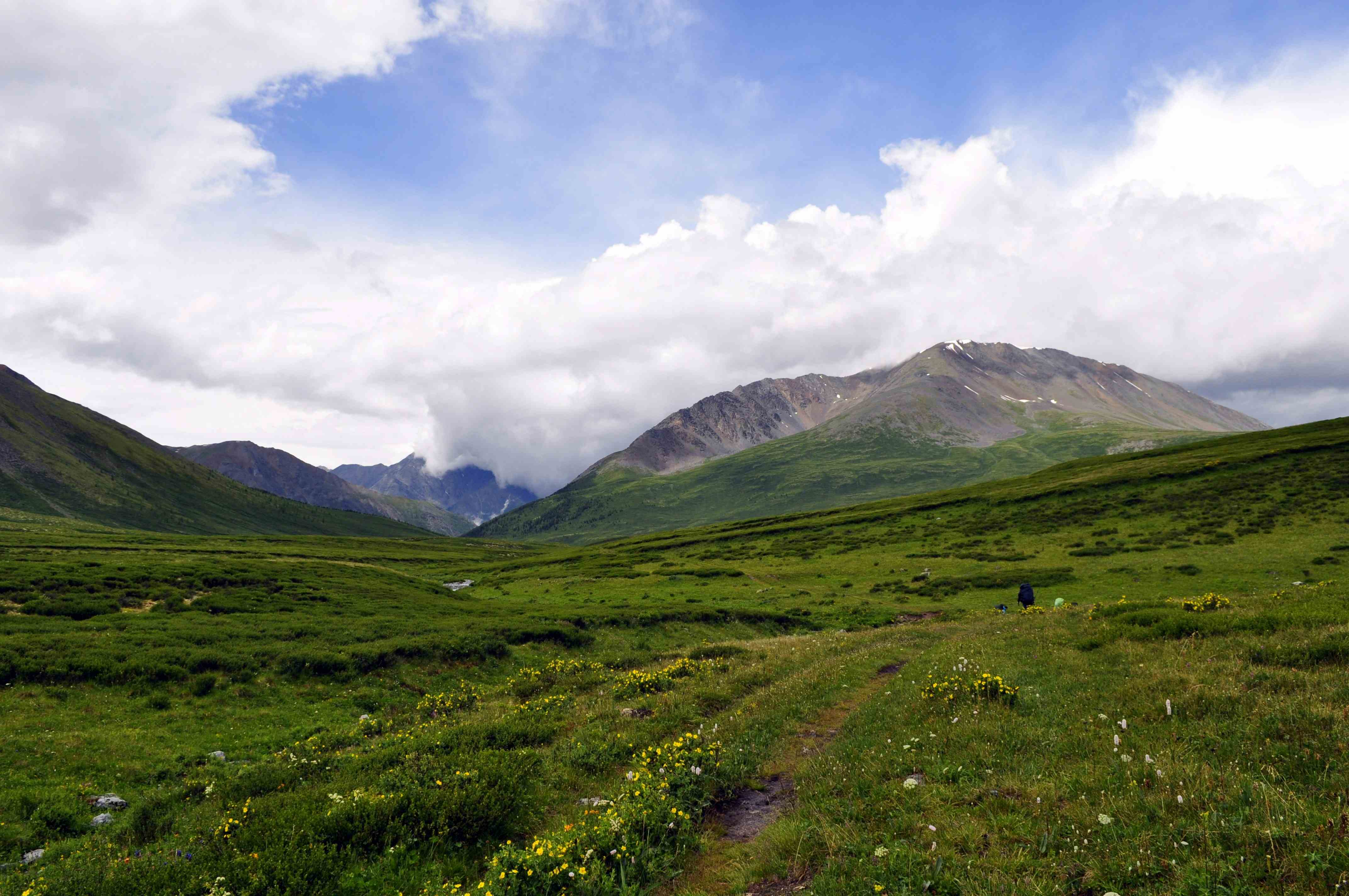
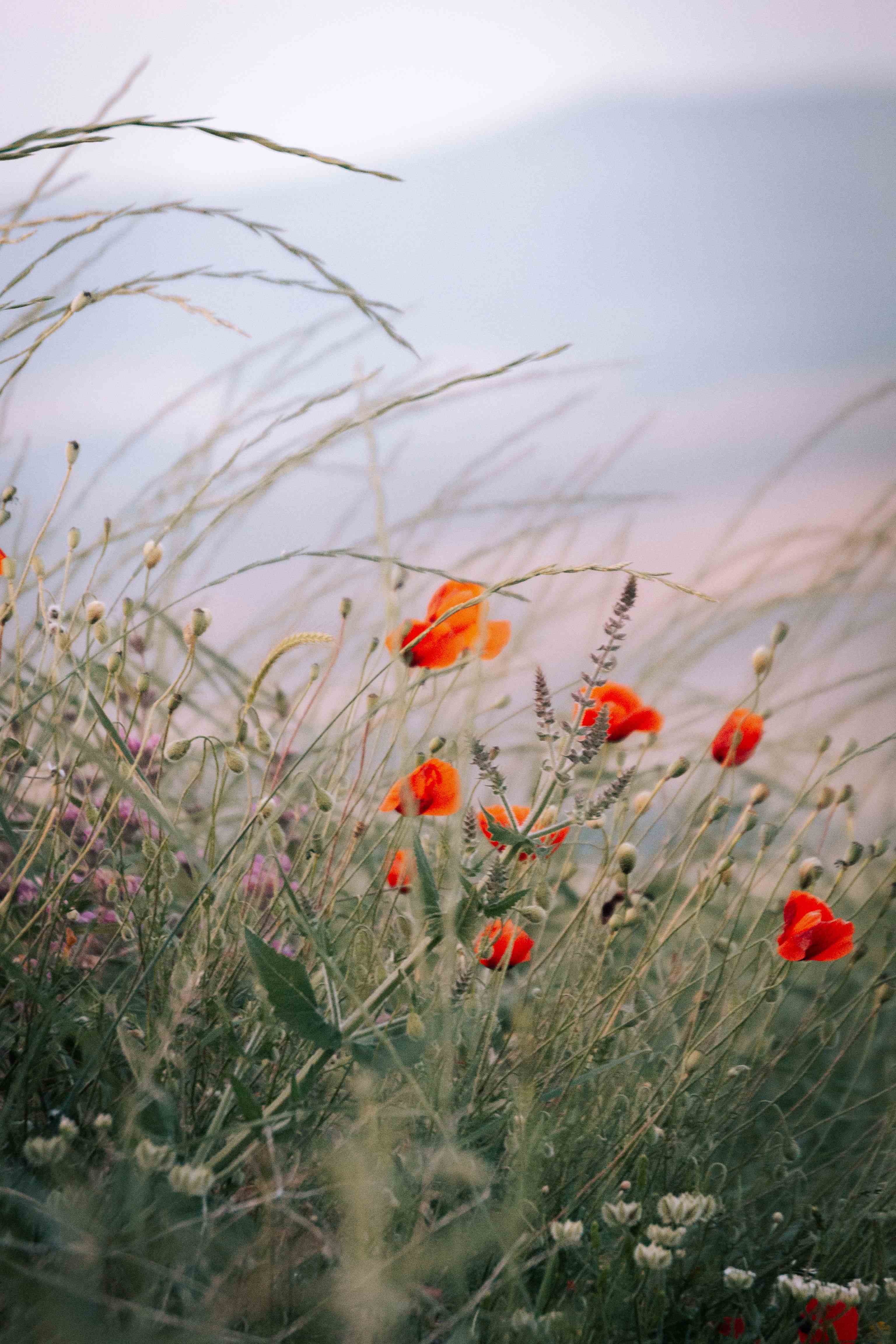
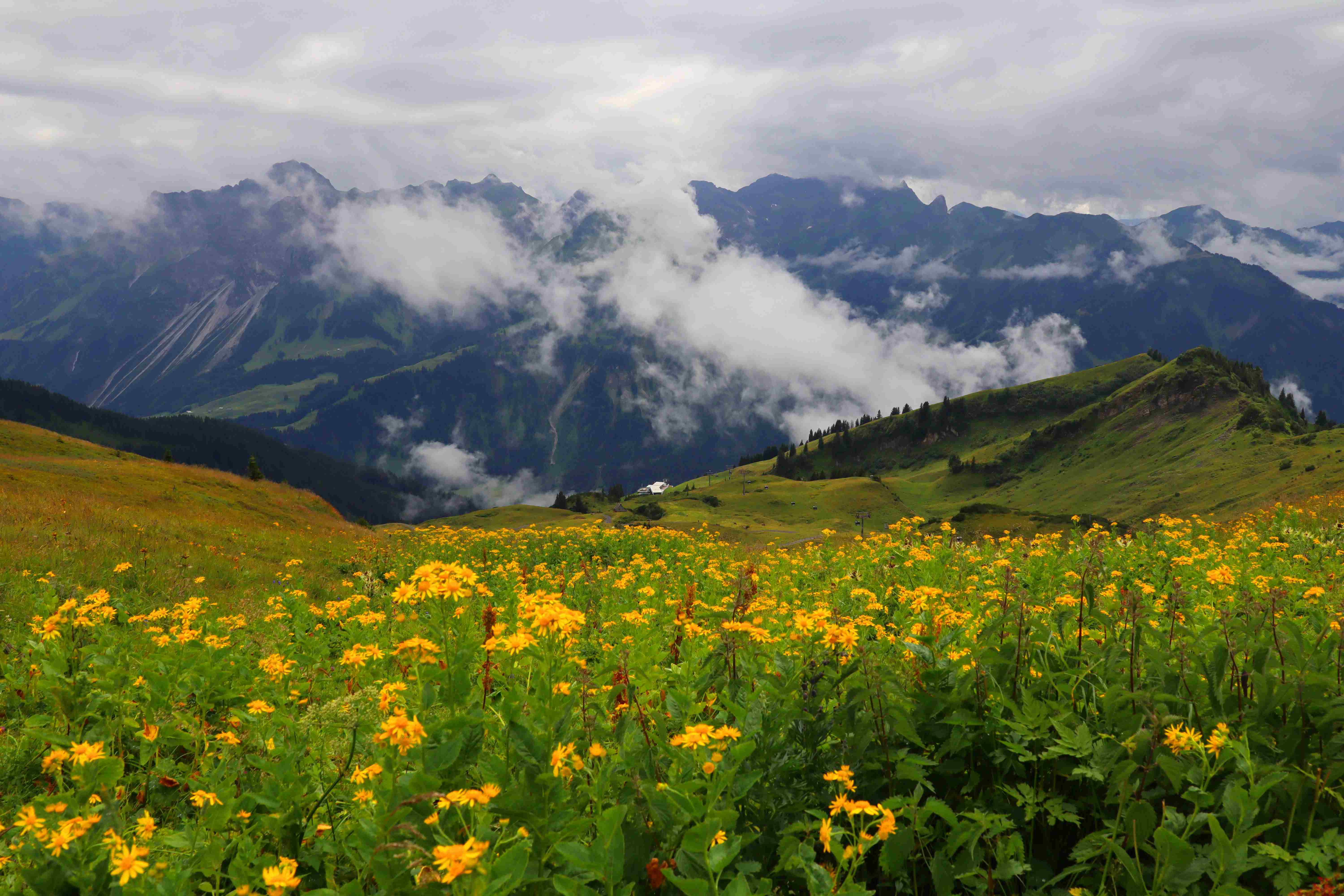
The Dhorpatan Trek 2026 is a journey for travellers who want something beyond ordinary tourism.
It is not the busiest trekking route in Nepal, and that is exactly its biggest strength. The peaceful trails, untouched forests, traditional villages, and authentic Himalayan lifestyle create an experience that feels rare in today’s world.
Dhorpatan allows you to slow down, reconnect with nature, and discover a side of Nepal that many travellers never see.
From the first steps through western Nepal’s countryside to the quiet moments inside Dhorpatan Valley, every part of this trek tells a story.
If you are searching for a hidden Himalayan adventure filled with nature, culture, and peaceful mountain experiences, the Dhorpatan Trek Nepal deserves a place on your 2026 travel list.
Dhorpatan is not just a trekking destination; it is a journey into the untouched heart of the Himalayas.
ABOUT AUTHOR
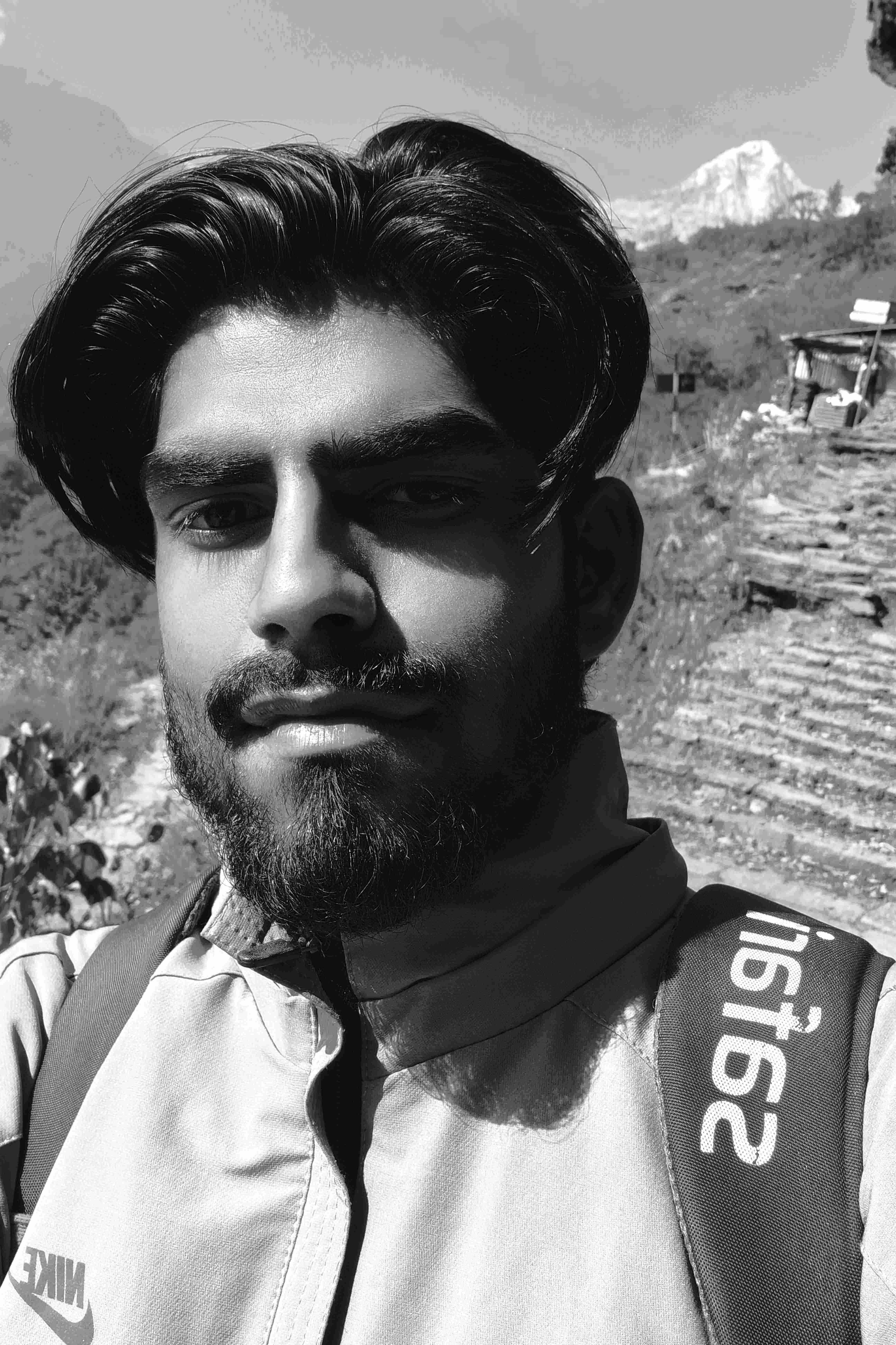
Afjal Khan
Afjal Khan is the founder of Epic Himalayan Trails and a passionate Himalayan trekker. He shares trekking guides, route information, itineraries, and practical travel tips to help trekkers plan better journeys across Nepal and the Indian Himalayas. Through Epic Himalayan Trails, his goal is to make trekking information simple, reliable, and useful for both beginners and experienced trekkers.