Annapurna Base Camp Trek Overview
The Annapurna Base Camp Trek is one of those rare journeys that manages to exceed expectations no matter how many photos or videos you’ve seen beforehand. Tucked deep inside Nepal’s Annapurna region, this trek takes you from lush subtropical valleys to the heart of a spectacular Himalayan sanctuary surrounded by towering snow-covered peaks.
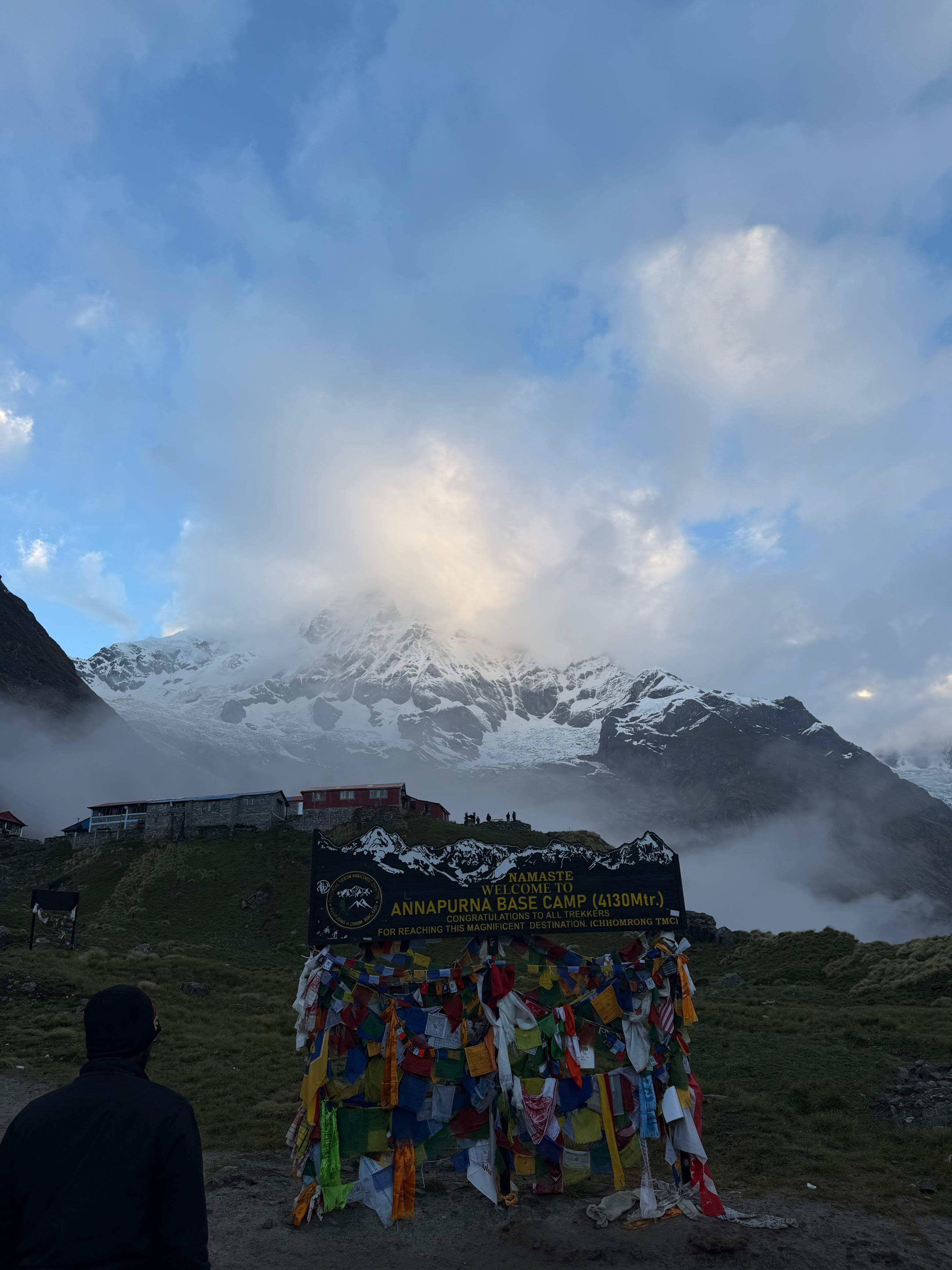
Known simply as the ABC Trek among trekkers, the route leads to Annapurna Base Camp at 4,130 meters (13,550 feet), placing you directly beneath some of the world’s most impressive mountains. Unlike technical climbing expeditions, this trek allows ordinary hikers to experience the grandeur of the Himalayas without requiring mountaineering skills.
What makes the Annapurna Base Camp Trek especially memorable is the variety packed into a relatively short adventure. In just over a week, you’ll walk through traditional Gurung villages, cross suspension bridges, pass waterfalls hidden in dense forests, and eventually emerge into a dramatic alpine basin surrounded by giant Himalayan peaks.
One thing many trekkers don’t expect is how quickly the scenery changes. A trail that begins among terraced farms and rhododendron forests eventually leads into a landscape shaped by glaciers, snowfields, and some of the highest mountains on Earth.
For travelers looking for a trek that combines breathtaking scenery, cultural experiences, comfortable teahouse accommodation, and a genuine sense of adventure, the Annapurna Base Camp Trek remains one of the finest trekking experiences in Nepal.
Why the Annapurna Base Camp Trek Is Worth It
Nepal is home to countless famous trekking routes, but Annapurna Base Camp continues to attract hikers from around the world for good reason.
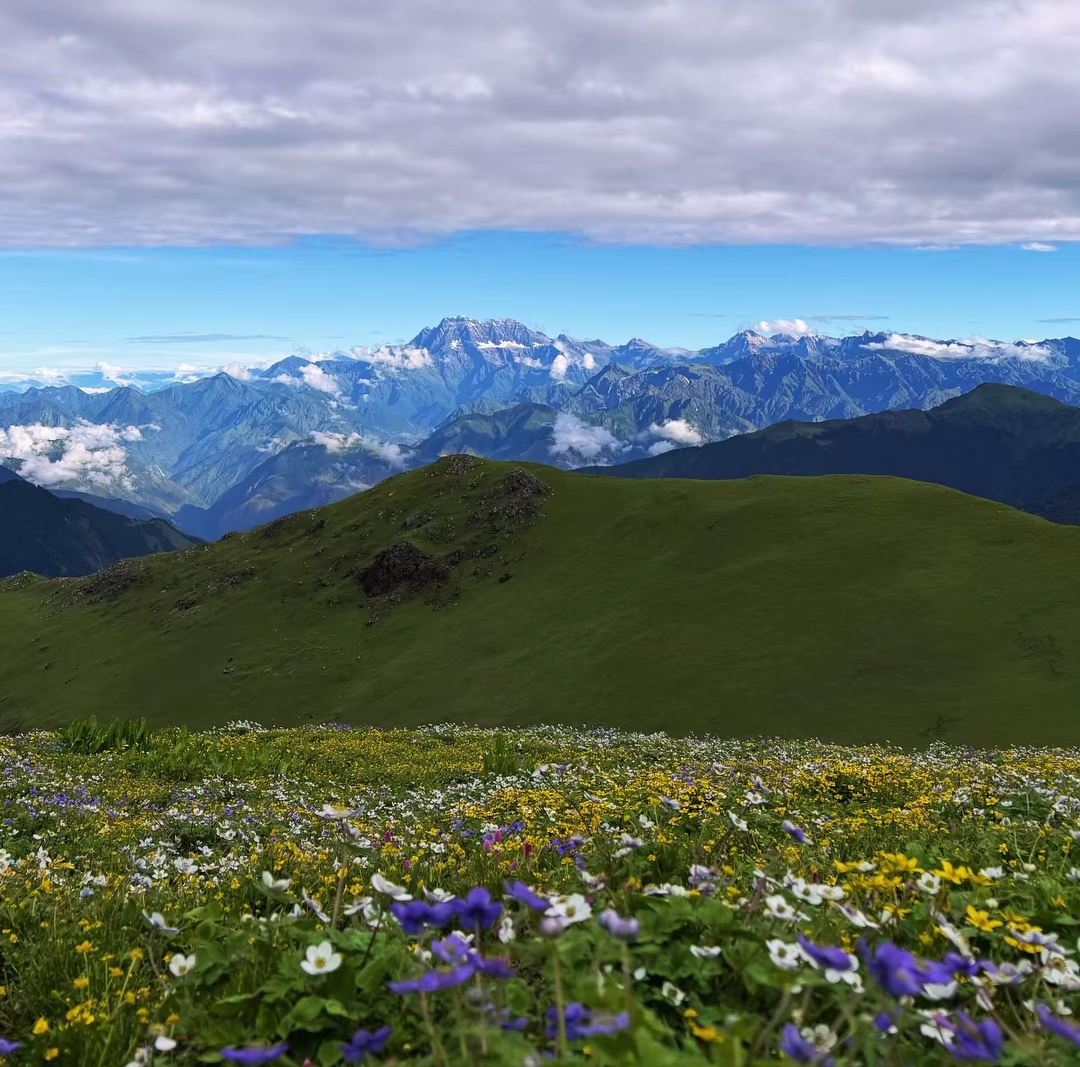
The first reason is diversity. Many mountain treks offer beautiful views, but few provide such a dramatic variety of landscapes within a single journey. The lower trail passes through fertile valleys filled with rice terraces, bamboo forests, and charming villages. Higher up, the environment transforms into rugged alpine terrain where glaciers and towering peaks dominate the horizon.
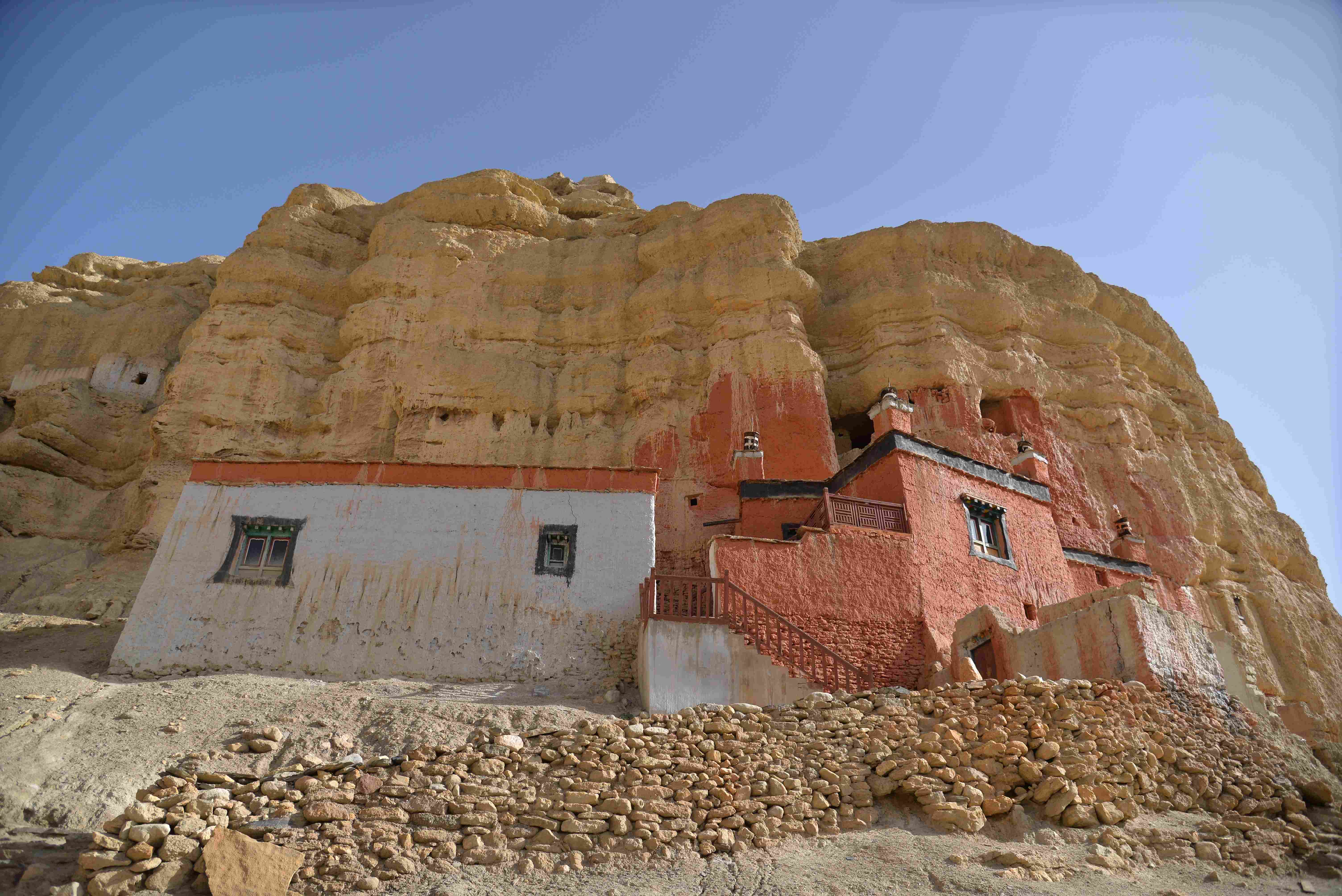
The cultural experience is equally rewarding. The Annapurna region is home to Gurung and Magar communities whose traditions remain closely tied to the mountains. Walking through villages such as Ghandruk and Chhomrong provides opportunities to experience local hospitality, traditional architecture, and everyday Himalayan life.
Another reason this trek stands out is accessibility. While reaching Everest Base Camp requires flights into the mountains, Annapurna Base Camp can be reached by road from Pokhara. This makes logistics simpler and often more affordable for international travelers.
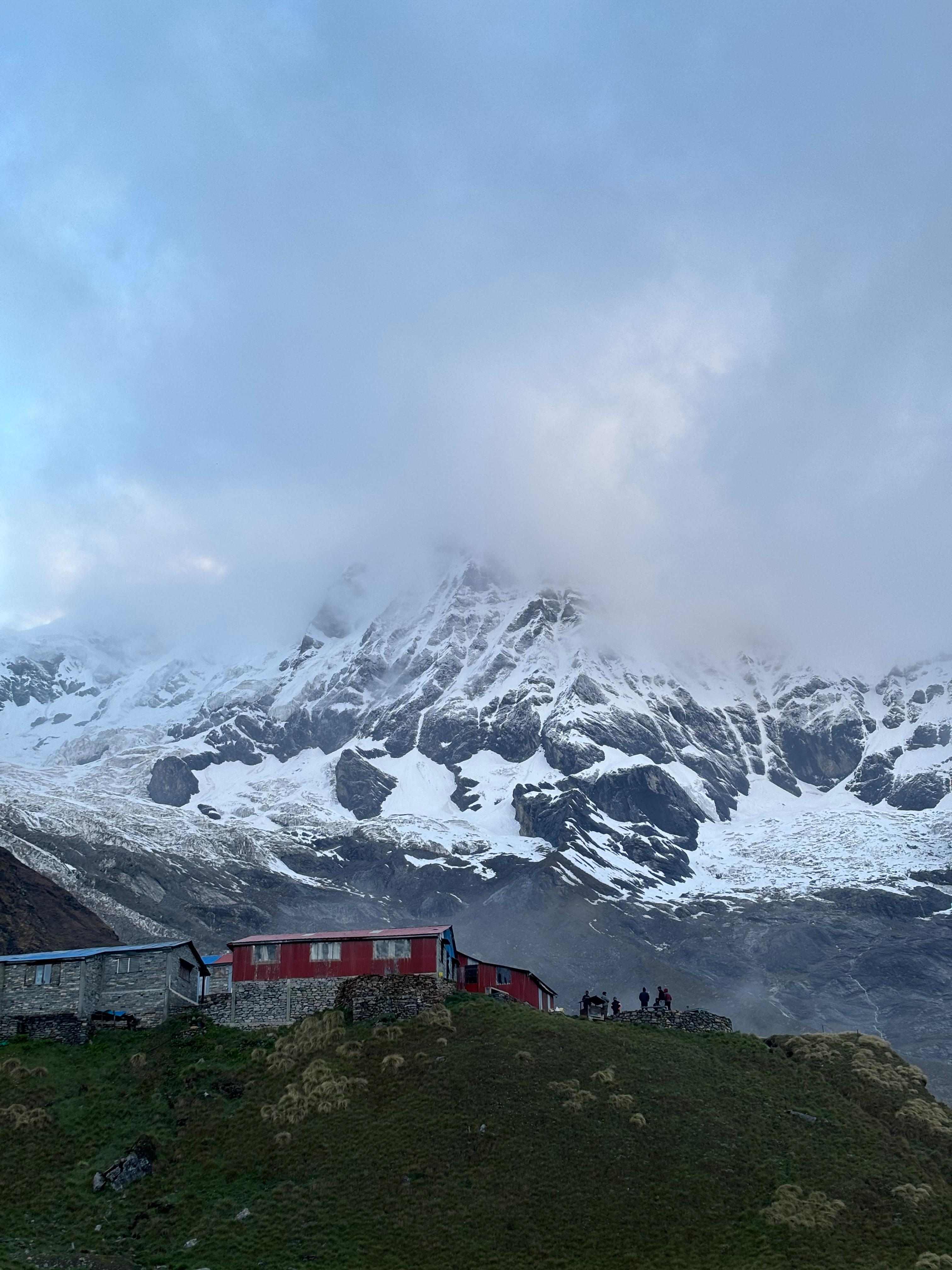
What surprised me most during the trek was the feeling of being surrounded by mountains rather than simply viewing them from a distance. At Annapurna Base Camp itself, massive peaks rise in every direction, creating a natural amphitheater unlike anywhere else in the Himalayas.
Compared with other famous Himalayan treks, ABC offers an excellent balance between challenge and reward. The altitude is manageable for most trekkers with proper preparation, while the scenery rivals routes that are significantly longer and more demanding.
Annapurna Base Camp Trek Quick Facts
| Category | Details |
|---|---|
| Trek Name | Annapurna Base Camp Trek |
| Country | Nepal |
| Region | Annapurna Region |
| Maximum Altitude | 4,130 m (13,550 ft) |
| Trek Duration | 7–12 Days |
| Total Distance | Approximately 110–130 km |
| Difficulty Level | Moderate |
| Best Seasons | Spring (March–May) and Autumn (September–November) |
| Starting Point | Nayapul or Jhinu Danda |
| Ending Point | Nayapul or Jhinu Danda |
| Accommodation | Teahouses and Guesthouses |
| Permit Required | Yes (ACAP Permit & TIMS Card) |
| Nearest City | Pokhara |
| Nearest Airport | Pokhara International Airport |
Best Time to Do the Annapurna Base Camp Trek
Choosing the right season can significantly influence your overall trekking experience. While Annapurna Base Camp is accessible for much of the year, each season offers a different atmosphere.
Spring (March to May)
Spring is widely regarded as one of the best times to trek to Annapurna Base Camp. Temperatures are comfortable, skies are often clear, and the forests come alive with blooming rhododendrons.
The trail feels vibrant during this period. Hillsides burst into shades of red, pink, and white, creating some of the most colorful scenery found anywhere in the Himalayas. Wildlife activity also increases as temperatures rise.
The main drawback is that spring is popular, meaning teahouses can become busy, particularly during April.
Summer and Monsoon (June to August)
Monsoon season transforms the Annapurna region into a lush green paradise. Waterfalls become more dramatic, forests appear incredibly vibrant, and the landscape feels fresh and alive.
However, heavy rainfall can reduce visibility and make trails slippery. Leeches are common at lower elevations, and occasional landslides may affect transportation routes.
Trekkers who enjoy solitude may appreciate the quieter trails, but weather conditions can be unpredictable.
Autumn (September to November)
For many experienced trekkers, autumn is the finest season for the Annapurna Base Camp Trek.
After the monsoon rains clear the atmosphere, mountain views become exceptionally sharp and clear. Stable weather, comfortable temperatures, and excellent trail conditions make this the most reliable trekking season.
October is often considered the ideal month because visibility is outstanding and temperatures remain pleasant throughout the route.
Winter (December to February)
Winter offers a very different trekking experience. Snow-covered landscapes create stunning scenery, and the trails are noticeably quieter than during peak seasons.
The challenge comes from colder temperatures, particularly at higher elevations where nights can fall well below freezing. Occasional snowstorms may temporarily affect trail conditions.
For trekkers prepared for cold weather, winter can be a rewarding and peaceful time to visit Annapurna Base Camp.
Annapurna Base Camp Trek Weather by Month
| Month | Day Temperature | Night Temperature | Trail Conditions |
|---|---|---|---|
| January | -2°C to 7°C | -10°C to -5°C | Cold, possible snowfall at higher elevations |
| February | 0°C to 10°C | -8°C to -3°C | Stable winter weather with fewer trekkers |
| March | 5°C to 15°C | -3°C to 2°C | Rhododendron blooms begin across the trail |
| April | 8°C to 18°C | 0°C to 5°C | Excellent trekking conditions and clear views |
| May | 10°C to 20°C | 2°C to 7°C | Warm, pleasant weather with blooming landscapes |
| June | 12°C to 22°C | 5°C to 10°C | Monsoon season begins with occasional rain |
| July | 14°C to 22°C | 8°C to 12°C | Wet and humid conditions, leeches possible |
| August | 14°C to 22°C | 8°C to 12°C | Peak monsoon season with lush green scenery |
| September | 10°C to 20°C | 4°C to 8°C | Improving visibility and fresh mountain views |
| October | 8°C to 18°C | 0°C to 6°C | Ideal trekking weather with crystal-clear skies |
| November | 5°C to 15°C | -3°C to 3°C | Clear skies and cool nights |
| December | 0°C to 10°C | -8°C to -3°C | Cold but scenic winter trekking conditions |
Annapurna Base Camp Trek Difficulty Level
The Annapurna Base Camp Trek is generally classified as a moderate trek, but that description can sometimes be misleading.
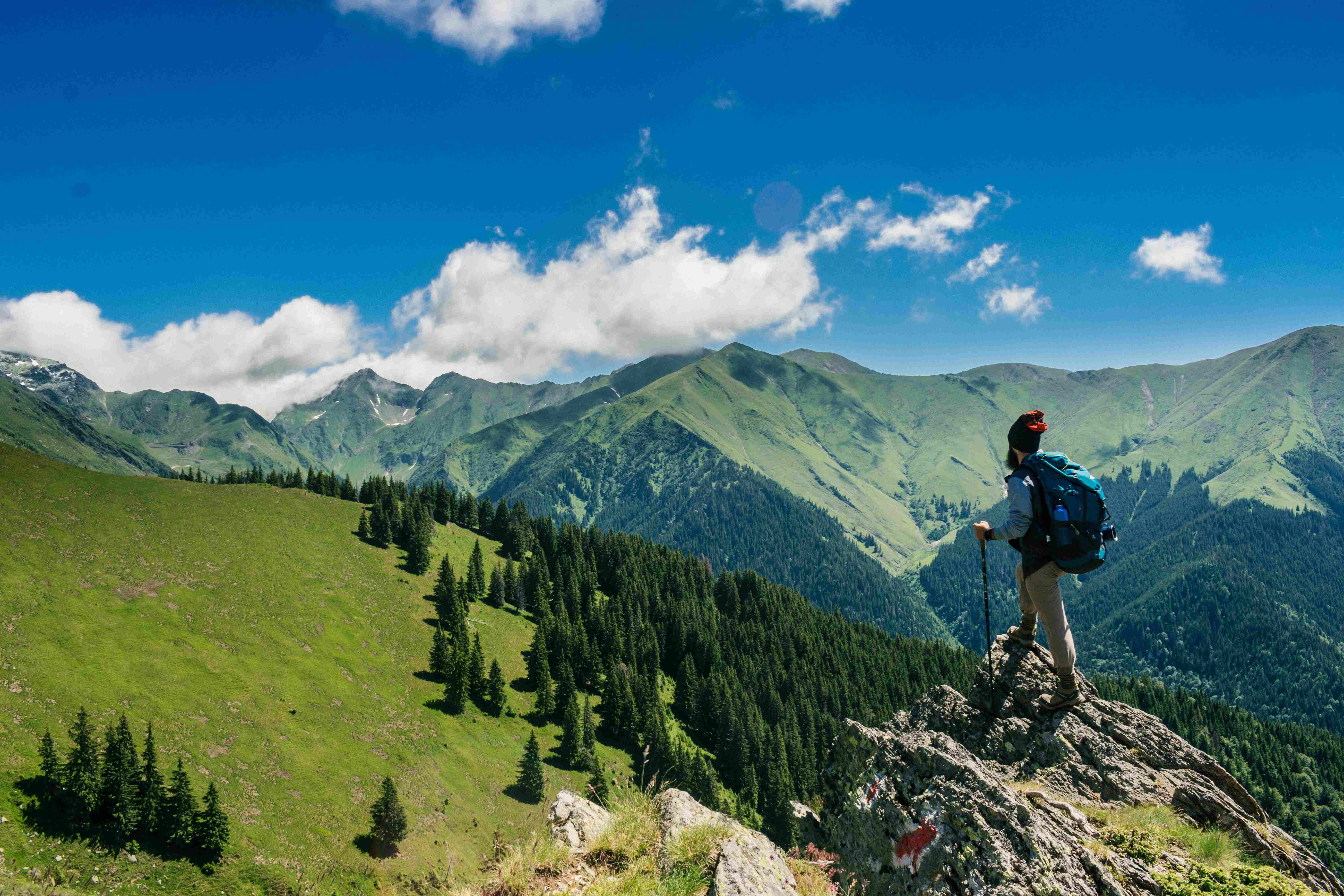
While the trail does not require technical climbing skills, it demands consistent physical effort over multiple days. Most trekkers spend between five and eight hours walking each day, often on steep stone staircases and uneven mountain trails.
One challenge that catches people off guard is the sheer number of steps. Villages such as Chhomrong are connected by long stair sections that can feel surprisingly demanding, especially after several days on the trail.
Altitude adds another layer of difficulty. Although Annapurna Base Camp sits lower than Everest Base Camp, it still reaches over 4,000 meters. At this elevation, some trekkers may experience mild symptoms of altitude sickness if they ascend too quickly.
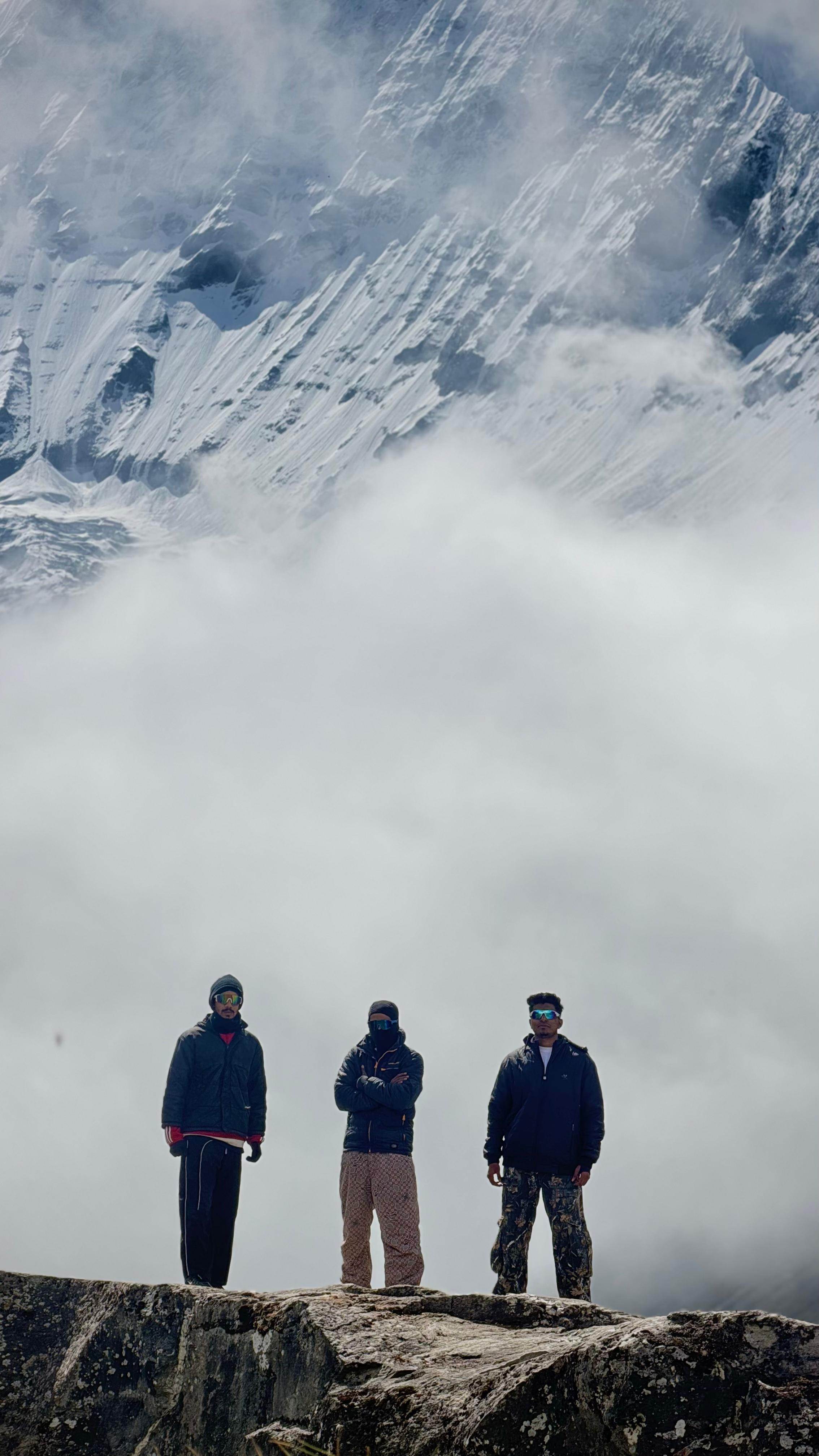
A reasonable level of fitness is recommended before attempting the trek. Regular walking, hiking, cycling, running, or gym workouts in the weeks leading up to departure can make a noticeable difference.
The trek is well suited to first-time Himalayan trekkers who prepare adequately. Experienced hikers will likely find the route challenging but manageable, while complete beginners should spend some time improving their fitness beforehand.
In my experience, stamina matters more than speed. Trekkers who maintain a steady pace and allow time for recovery often enjoy the journey far more than those who rush through the trail.
Annapurna Base Camp Trek Highlights
The Annapurna Base Camp Trek succeeds because it offers memorable experiences throughout the journey rather than saving everything for the final destination.
The adventure begins among rolling hills and terraced farmland where traditional villages overlook fertile valleys. Life here follows rhythms that have remained largely unchanged for generations, providing a fascinating glimpse into rural Nepal.
As the trail climbs higher, trekkers enter dense forests filled with rhododendrons, bamboo, and oak trees. During spring, these forests become particularly beautiful as colorful flowers bloom across the mountainsides.
Ghandruk is often one of the first major highlights. This picturesque village combines traditional Gurung culture with outstanding mountain views. Stone pathways wind through the settlement while Annapurna South and Machapuchare dominate the skyline beyond.
Further along the route, Chhomrong serves as the gateway to the upper Annapurna Sanctuary. The scenery begins to feel increasingly dramatic as valleys narrow and mountains rise steeply on either side of the trail.
One section many trekkers remember fondly is the walk between Deurali and Machapuchare Base Camp. The landscape changes rapidly here, with forests gradually disappearing and alpine terrain taking over. Massive cliffs, avalanche paths, and glacial valleys create a sense of entering another world.
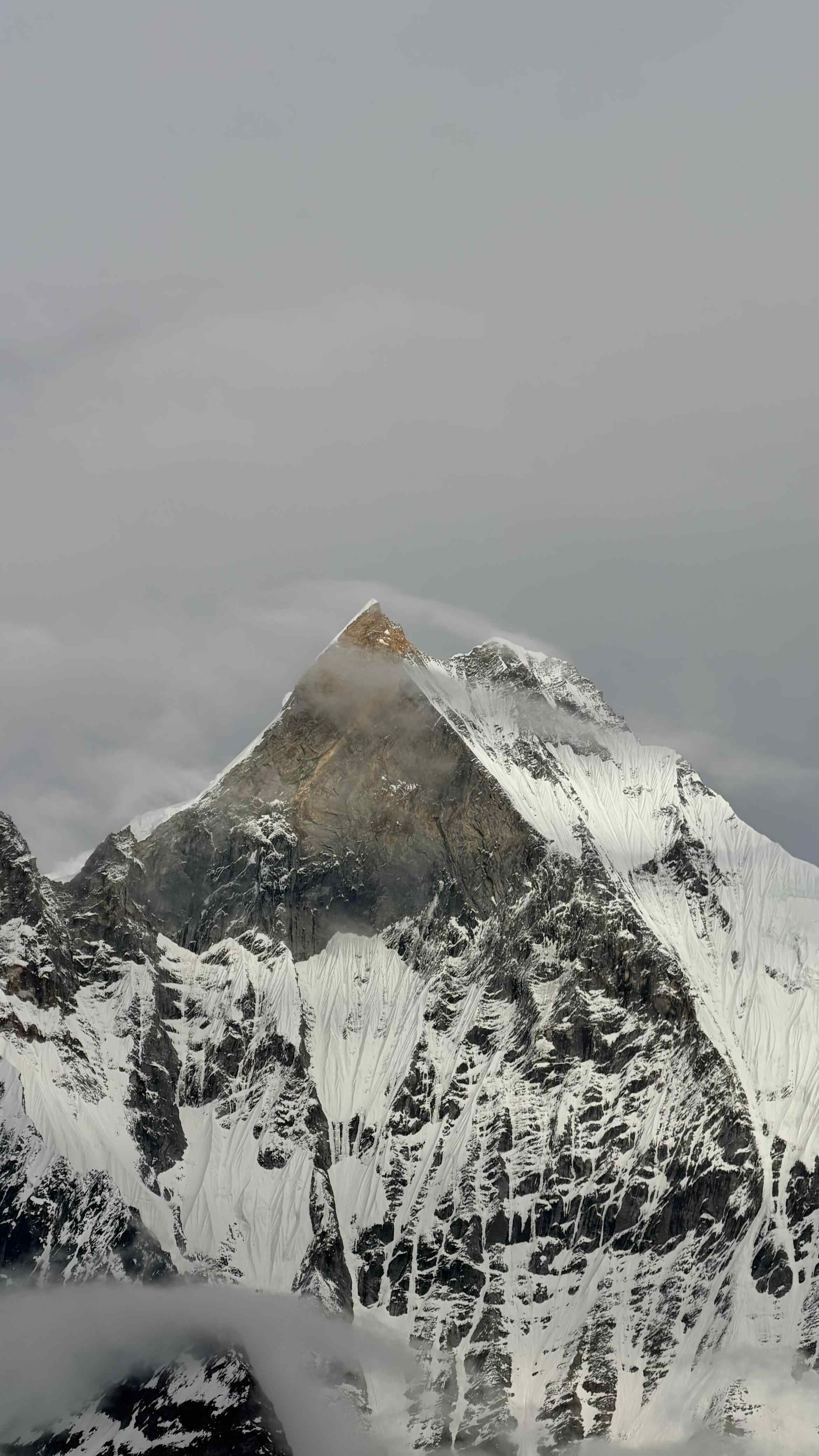
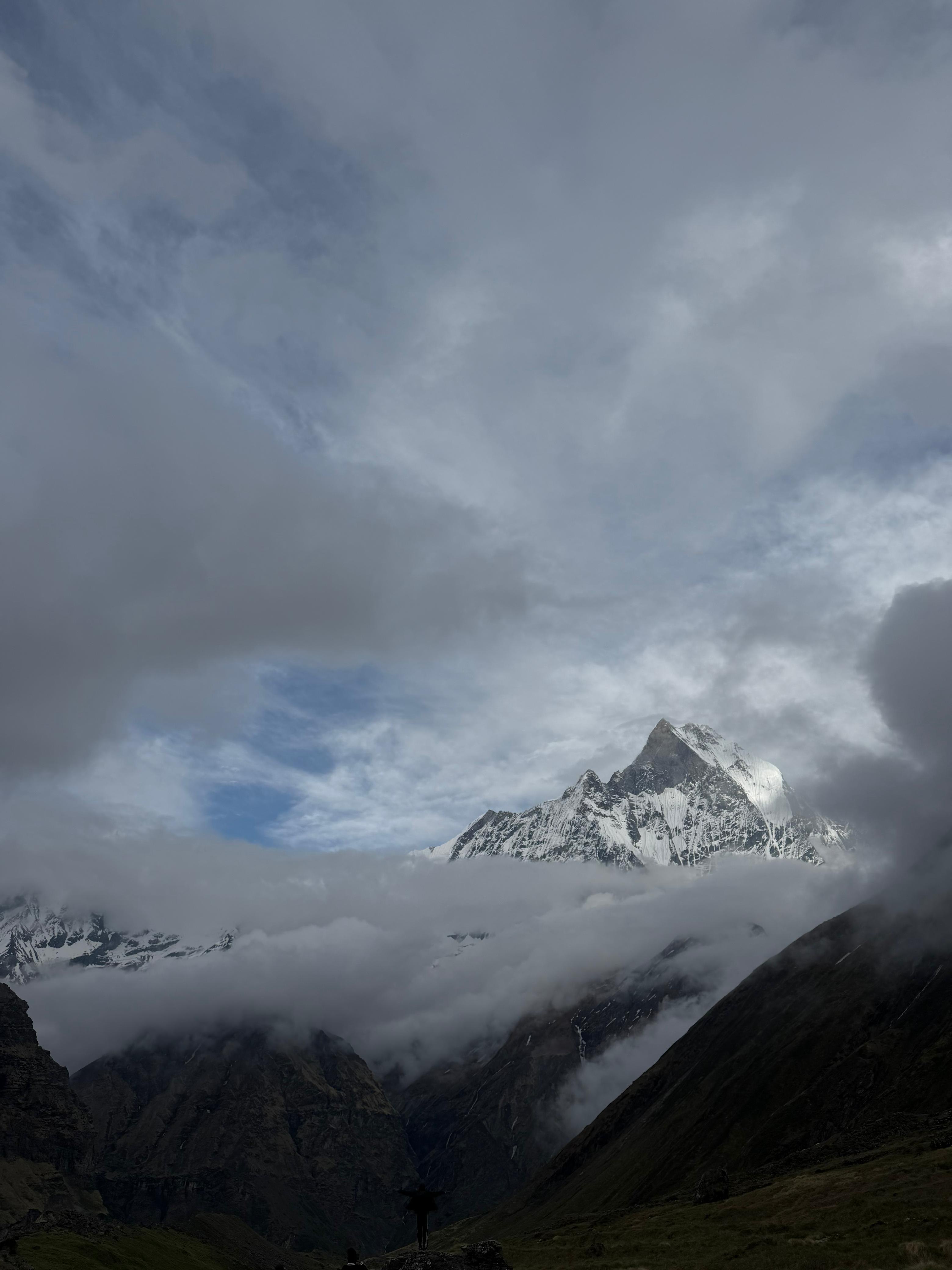
Machapuchare, often called Fishtail Mountain because of its distinctive shape, becomes a constant companion during the higher stages of the trek. Considered sacred in Nepal, it remains one of the country’s most recognizable peaks.
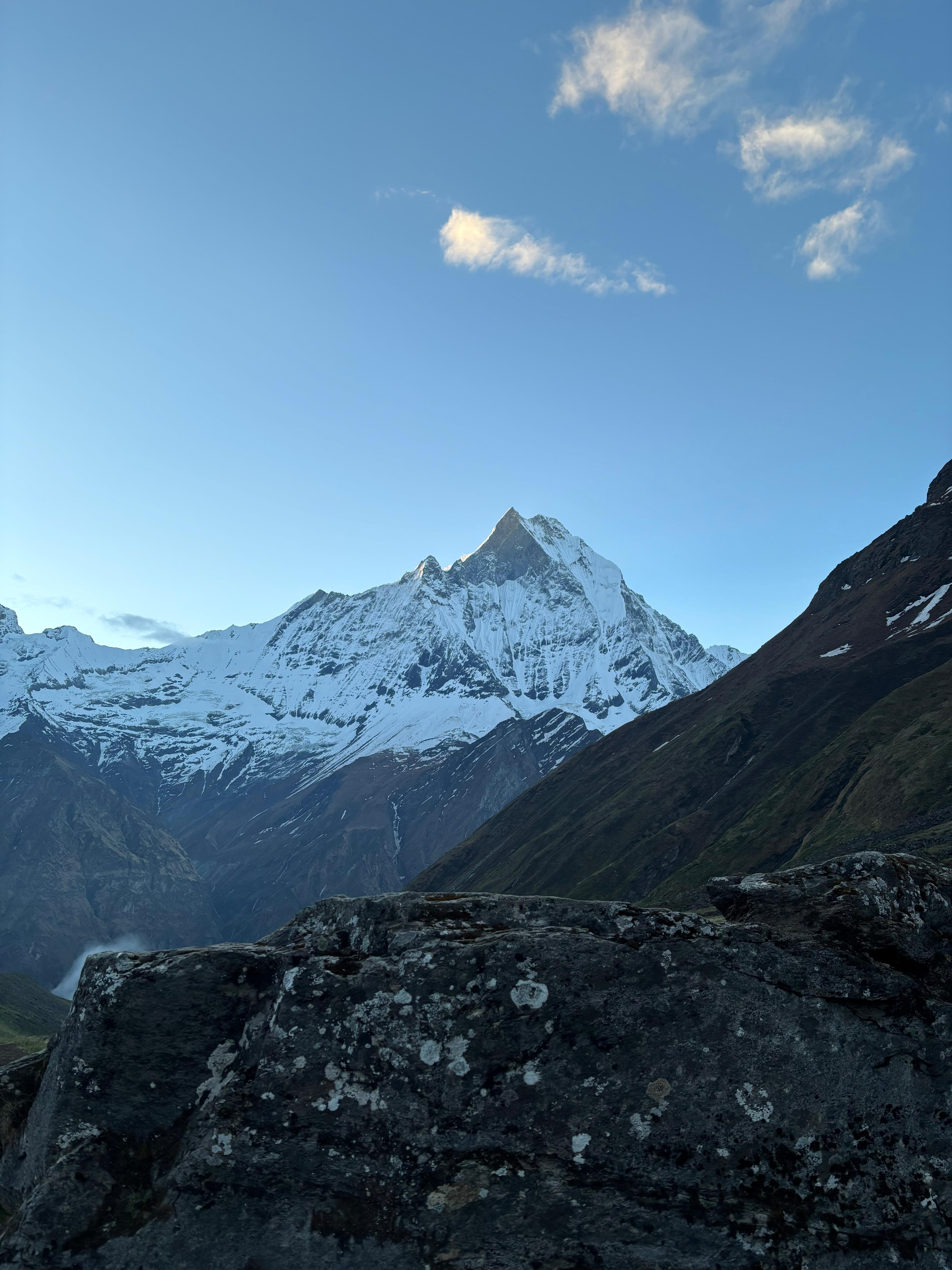
Then comes Annapurna Base Camp itself.
This is where the trek truly reveals why it has become one of the world’s most celebrated hiking routes.
Standing at base camp during sunrise is an unforgettable experience. The first light touches the snow-covered peaks, gradually illuminating Annapurna 1, Annapurna South, Hiunchuli, Gangapurna, and several other giants surrounding the sanctuary. The mountains appear so close that they seem almost within reach.
Photographers will find endless opportunities throughout the trek. Early morning mountain light, traditional villages, suspension bridges, waterfalls, forests, and alpine landscapes create constantly changing scenes.
Yet beyond the mountains and scenery, what many visitors remember most is the atmosphere. Shared meals in teahouses, conversations with local families, and the camaraderie among trekkers from different parts of the world add a human dimension that makes the Annapurna Base Camp Trek feel like far more than just a hike.
Annapurna Base Camp Trek Itinerary (Day-by-Day)
The Annapurna Base Camp Trek is not just about reaching a destination. What makes this journey so memorable is the gradual transformation of the landscape. Every day reveals a different side of the Annapurna region, from traditional mountain villages and dense forests to glaciers and towering Himalayan peaks.
A typical itinerary takes around eight days from Pokhara and allows enough time to enjoy the scenery without rushing through the experience.
Day 1: Pokhara to Ghandruk
Distance: Approximately 10 km
Trekking Time: 4–5 Hours
Altitude: 1,940 m
The adventure begins with a drive from Pokhara to Nayapul, the traditional starting point of the trek. From here, the trail gradually climbs through terraced farmland, small villages, and lush green hillsides.
The walking is relatively easy, making it an ideal first day. As you gain elevation, the first glimpses of the Annapurna range begin to appear between the hills.
By late afternoon, you arrive in Ghandruk, one of the most beautiful villages in the Annapurna region. Traditional stone houses line narrow pathways, while Annapurna South and Machapuchare create a dramatic backdrop above the village.
Take some time to wander around before sunset. The mountain views from Ghandruk are among the best on the entire trek.
Day 2: Ghandruk to Chhomrong
Distance: Approximately 9 km
Trekking Time: 5–6 Hours
Altitude: 2,170 m
The second day introduces trekkers to the classic Annapurna terrain.
The trail descends through forests and cultivated hillsides before crossing rivers and climbing steadily toward Chhomrong. Although the overall altitude gain is not huge, the repeated ups and downs can feel surprisingly demanding.
Along the way, spectacular views of Machapuchare, Annapurna South, and Hiunchuli accompany much of the walk.
Chhomrong sits dramatically on a hillside overlooking the Modi Khola Valley. This village serves as the gateway to the Annapurna Sanctuary and is one of the most important stops on the route.
As evening approaches, the mountains often glow with warm golden light, creating a perfect end to the day.
Day 3: Chhomrong to Dovan
Distance: Approximately 11 km
Trekking Time: 6–7 Hours
Altitude: 2,600 m
The day begins with a long descent down stone steps toward the Chhomrong Khola River.
After crossing a suspension bridge, the trail climbs steadily toward Sinuwa before entering dense bamboo and rhododendron forests. This section feels completely different from the open landscapes of the previous days.
The forest is peaceful and rich with wildlife. Birdsong echoes through the valley, streams cross the trail, and waterfalls cascade down steep mountainsides.
One thing many trekkers don’t expect is how lush and green this section feels. At times, it resembles a tropical mountain forest rather than a Himalayan trekking route.
Dovan is a small settlement surrounded by dense woodland and steep valley walls. It provides a quiet and relaxing overnight stop.
Day 4: Dovan to Deurali
Distance: Approximately 9 km
Trekking Time: 5–6 Hours
Altitude: 3,230 m
The trail gradually leaves the forest behind and enters more rugged terrain.
As you move deeper into the Annapurna Sanctuary, the valley narrows and the scenery becomes increasingly dramatic. Waterfalls spill from towering cliffs, while snow-covered peaks begin appearing more frequently.
The vegetation becomes noticeably thinner as altitude increases. Temperatures also begin to drop, especially during the morning and evening hours.
Passing through Himalaya and Hinku Cave, trekkers start to feel truly immersed in the high mountains.
By the time you reach Deurali, the landscape has changed completely from the farmland and forests encountered earlier in the trek.
Day 5: Deurali to Annapurna Base Camp
Distance: Approximately 10 km
Trekking Time: 6–7 Hours
Altitude: 4,130 m
This is undoubtedly one of the most exciting days of the trek.
The trail climbs steadily toward Machapuchare Base Camp, where trekkers are rewarded with spectacular views of the sacred Fishtail Mountain. The surrounding landscape becomes increasingly barren as glaciers and rocky slopes replace forests.
Beyond Machapuchare Base Camp, the route enters the famous Annapurna Sanctuary.
The scenery here is simply extraordinary.
Massive peaks rise in every direction. Annapurna I, Annapurna South, Hiunchuli, Gangapurna, and several other mountains form a giant natural amphitheater surrounding the valley.
The final approach to Annapurna Base Camp is unforgettable. Every turn reveals another breathtaking view, and the scale of the mountains becomes almost overwhelming.
Arriving at base camp after several days of trekking is an incredibly rewarding moment.
Day 6: Sunrise at Annapurna Base Camp and Trek to Bamboo
Distance: Approximately 16 km
Trekking Time: 7–8 Hours
Altitude: 2,310 m
Most trekkers wake before dawn for what is often considered the highlight of the entire journey.
As the first rays of sunlight strike the surrounding peaks, the Annapurna Sanctuary slowly transforms into a glowing landscape of snow, ice, and rock.
Watching sunrise at Annapurna Base Camp is one of those experiences that photographs rarely capture properly.
After breakfast, the descent begins.
Although the trail follows the same route used during the ascent, the views feel entirely different when seen from the opposite direction. Landscapes that may have gone unnoticed while climbing suddenly reveal themselves.
The descent to Bamboo is long but rewarding, passing once again through alpine terrain before returning to the forest.
Day 7: Bamboo to Jhinu Danda
Distance: Approximately 11 km
Trekking Time: 6–7 Hours
Altitude: 1,780 m
The trail continues through forests and villages before eventually reaching Jhinu Danda.
While most people associate the Annapurna Base Camp Trek with mountains, Jhinu Danda offers a very different reward.
The village is famous for its natural hot springs located beside the Modi Khola River. After nearly a week of trekking, soaking in warm water while listening to the river below feels incredibly satisfying.
Many trekkers consider the hot springs one of the unexpected highlights of the journey.
The relaxed atmosphere of Jhinu Danda makes it a wonderful place to spend the final night on the trail.
Day 8: Jhinu Danda to Pokhara
Distance: Approximately 8 km Trek + Drive
Trekking Time: 3–4 Hours
The final day follows a gentle trail through villages, farmland, and riverside pathways before reaching the road.
As the trek comes to an end, many hikers find themselves reflecting on how much the landscape has changed since leaving Pokhara.
A short drive returns you to Pokhara, where comfortable hotels, lakeside cafés, and well-earned rest await.
The mountains may slowly disappear from view, but the memories of the Annapurna Sanctuary tend to stay with trekkers long after they leave Nepal.
Annapurna Base Camp Trek Altitude and Acclimatization Guide
One of the reasons the Annapurna Base Camp Trek is popular among first-time Himalayan trekkers is that the altitude gain is relatively gradual. However, reaching 4,130 meters still places you high enough to experience the effects of thinner air.
As you climb higher, oxygen levels decrease and your body must work harder to adapt. Most trekkers adjust without serious problems, but understanding altitude sickness remains essential.
The most common symptoms of Acute Mountain Sickness (AMS) include headaches, fatigue, nausea, dizziness, and difficulty sleeping. These symptoms often improve with rest and hydration, but they should never be ignored.
The best acclimatization strategy is simple: walk slowly, stay hydrated, eat properly, and listen to your body.
Altitude Profile
| Location | Altitude |
|---|---|
| Pokhara | 822 m (2,697 ft) |
| Ghandruk | 1,940 m (6,365 ft) |
| Chhomrong | 2,170 m (7,119 ft) |
| Dovan | 2,600 m (8,530 ft) |
| Deurali | 3,230 m (10,597 ft) |
| Machapuchare Base Camp (MBC) | 3,700 m (12,139 ft) |
| Annapurna Base Camp (ABC) | 4,130 m (13,550 ft) |
Food and Accommodation on the Annapurna Base Camp Trek
One of the biggest advantages of the Annapurna Base Camp Trek is the excellent network of teahouses that operate throughout the route.
These mountain lodges eliminate the need to carry camping equipment, making the trek accessible to a wider range of travelers.
Accommodation is generally simple but comfortable. Most rooms contain twin beds, blankets, pillows, and basic furniture. Luxury is rare, especially at higher elevations, but the lodges provide everything most trekkers need after a long day on the trail.
The dining room often becomes the social center of the teahouse. During cold evenings, trekkers gather around a central stove, exchange stories, and prepare for the next day’s adventure.
Food options are surprisingly varied considering the remote location. Dal Bhat remains the most popular meal because it provides excellent energy and is often available with free refills. Noodles, pasta, fried rice, soups, potatoes, pancakes, eggs, porridge, and momos are also commonly found on menus.
As you move higher into the mountains, food prices gradually increase because supplies must be carried by porters or pack animals.
Drinking water is available throughout the route, but using purification tablets or a water filter is highly recommended. This not only saves money but also helps reduce plastic waste in the mountains.
What many international trekkers remember most about the teahouses is the hospitality. Even in remote villages, lodge owners often go out of their way to make guests feel welcome. Those conversations around the stove, sharing stories with fellow trekkers from around the world, often become some of the most memorable moments of the entire Annapurna Base Camp Trek.
Annapurna Base Camp Trek Packing List
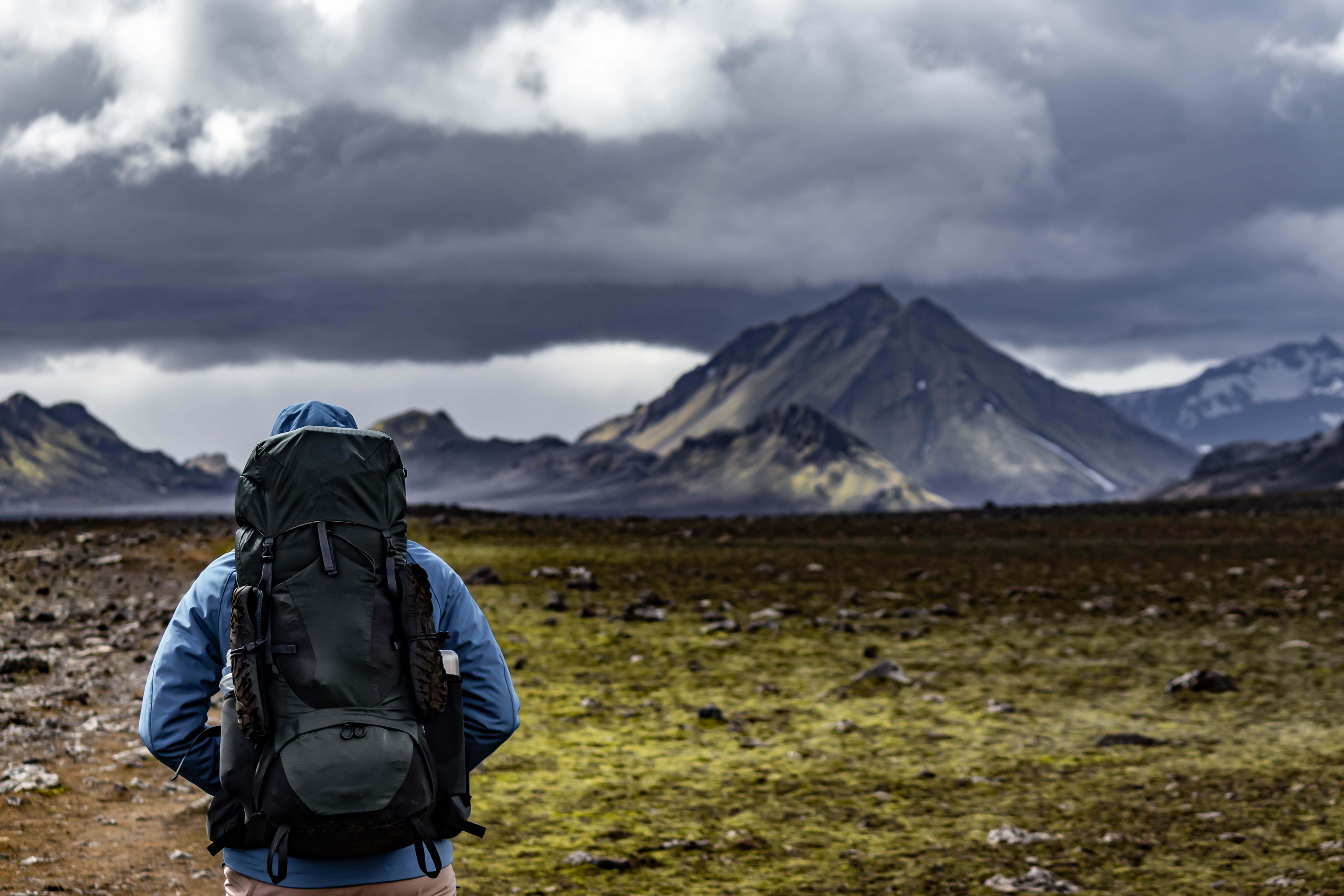
Packing for the Annapurna Base Camp Trek is often more challenging than people expect. The weather can change dramatically during the journey, and temperatures at Annapurna Base Camp are very different from those in Pokhara.
The secret is not carrying more gear but carrying the right gear.
Layering works best in the Himalayas. During the day, especially at lower elevations, you may be comfortable in a lightweight trekking shirt. By evening, particularly above 3,000 meters, a warm fleece and insulated jacket quickly become necessary.
A waterproof jacket is essential regardless of the season. Mountain weather can change unexpectedly, and even during autumn, brief rain or snowfall is possible.
Comfortable trekking boots with good ankle support are one of the most important pieces of equipment you will carry. If possible, wear them for several weeks before the trek to avoid painful blisters.
A small daypack should contain water, snacks, sunscreen, sunglasses, a rain cover, a power bank, and any personal medications. Trekking poles are highly recommended, especially for the long descents between Annapurna Base Camp and Bamboo.
For sleeping comfortably, many trekkers bring a lightweight sleeping bag even though teahouses provide blankets. During peak winter months, the extra warmth can make a significant difference.
Other useful items include a headlamp, quick-dry towel, reusable water bottle, water purification tablets, Electrolytes, Knee Support, gloves, thermal layers, and a warm hat.
One mistake many first-time trekkers make is packing too much clothing. Laundry is available in some lower villages, and most trekkers end up wearing the same trekking layers repeatedly throughout the journey.
Annapurna Base Camp Trek Permits and Costs (2026)
Before starting the Annapurna Base Camp Trek, trekkers must obtain the necessary permits required for entering the Annapurna Conservation Area.
As of 2026, the Annapurna Conservation Area Permit (ACAP) remains the primary permit required for foreign visitors. Trekking regulations in Nepal occasionally change, so checking the latest requirements before arrival is always recommended.
For most international travelers, permit costs represent only a small portion of the overall trekking budget.
| Permit | Cost (NPR) | Approximate Cost (USD) |
|---|---|---|
| Annapurna Conservation Area Permit (ACAP) | NPR 3,000 | USD 22–25 |
| ACAP (SAARC Nationals) | NPR 1,000 | USD 7–8 |
How Much Does the Annapurna Base Camp Trek Cost?
One reason the Annapurna Base Camp Trek remains so popular is that it offers a world-class Himalayan experience at a relatively reasonable cost compared with many trekking destinations around the world.
The total budget depends largely on your travel style. Backpackers can complete the trek quite economically, while those hiring guides, porters, and private transportation should expect higher costs.
Transportation is usually the first major expense. Most trekkers travel from Kathmandu to Pokhara before heading to the trailhead. Tourist buses are the cheapest option, while domestic flights save time and provide spectacular views of the Himalayas.
Accommodation costs remain relatively affordable throughout the trek. Most teahouses charge modest room rates, although prices increase at higher elevations where supplies become harder to transport.
Food is often a larger expense than many travelers anticipate. Every sack of rice, vegetable, cooking gas cylinder, and bottle of water must be carried into the mountains. As a result, meal prices increase significantly as you approach Annapurna Base Camp.
Hiring a guide is strongly recommended for first-time visitors. A knowledgeable guide can enhance safety, explain local culture, assist with logistics, and help identify mountain peaks throughout the journey.
A porter is optional but can make the trek considerably more comfortable, particularly for travelers carrying photography equipment or heavier gear.
Typical Trekking Expenses
A budget traveler can usually complete the Annapurna Base Camp Trek for approximately NPR 45,000–70,000 (USD 350–550).
Most international trekkers spend somewhere between NPR 90,000–140,000 (USD 700–1,100), including permits, accommodation, meals, transportation, and guide services.
Trekkers seeking greater comfort, private transportation, experienced guides, porter support, and additional flexibility should budget approximately NPR 150,000–260,000+ (USD 1,200–2,000+).
It is always wise to carry additional emergency funds. Weather delays, transportation changes, extra accommodation nights, hot showers, device charging fees, and snacks can quickly increase daily expenses.
How to Reach the Annapurna Base Camp Trek Starting Point
The Annapurna Base Camp Trek usually begins from Pokhara, Nepal’s most famous trekking hub.
Most international travelers first arrive in Kathmandu through Tribhuvan International Airport. From Kathmandu, the next step is reaching Pokhara.
The fastest option is a domestic flight, which takes around 25 minutes and offers outstanding views of the Himalayan range on clear days.
Many budget-conscious travelers prefer the tourist bus. Although the journey takes significantly longer, it remains an affordable way to travel between the two cities while enjoying views of Nepal’s countryside.
Once in Pokhara, travelers continue to the trekking trailhead by jeep, taxi, or local transportation. Depending on current road conditions and itinerary preferences, the trek may begin from Nayapul, Jhinu Danda, or another nearby access point.
Road infrastructure in the Annapurna region continues to improve, which means trailheads and transportation options occasionally change. Checking local conditions before departure can save valuable time.
Insider Tips for the Annapurna Base Camp Trek
One of the easiest ways to improve your trekking experience is to start early each morning. Clear skies are more common during the first half of the day, which means better mountain views and more comfortable hiking temperatures.
Many trekkers focus entirely on Annapurna Base Camp itself and overlook some of the villages along the route. Ghandruk and Chhomrong deserve time to explore rather than simply passing through.
Carrying enough cash is extremely important. Once you leave Pokhara, reliable ATM access becomes very limited.
Photography enthusiasts should keep their cameras accessible throughout the day. Some of the best images often appear unexpectedly when sunlight breaks through clouds or when the mountains emerge after a brief storm.
If your schedule allows, consider spending an extra morning at Annapurna Base Camp. The changing light conditions often create entirely different mountain views compared with the previous evening.
One thing many trekkers don’t expect is how quickly temperatures drop after sunset. Even during autumn, evenings at higher elevations can feel surprisingly cold.
Common Mistakes Trekkers Make on the Annapurna Base Camp Trek
Perhaps the most common mistake is trying to walk too fast.
Many trekkers begin the journey full of energy and push themselves unnecessarily during the first few days. This often leads to fatigue later in the trek when the altitude increases.
Another frequent mistake is carrying excessive gear. Heavy backpacks reduce enjoyment and increase the risk of exhaustion. Every item should earn its place in your pack.
Poor hydration is another issue. Mountain air is dry, and many people drink less water than they should without realizing it.
Some trekkers underestimate the weather. Conditions can change quickly in the Himalayas, and being prepared for rain, cold temperatures, and occasional snowfall is essential.
Finally, many visitors become so focused on reaching Annapurna Base Camp that they forget to enjoy the journey itself. The villages, forests, rivers, and local people are just as important as the destination.
Annapurna Base Camp Trek Safety Tips
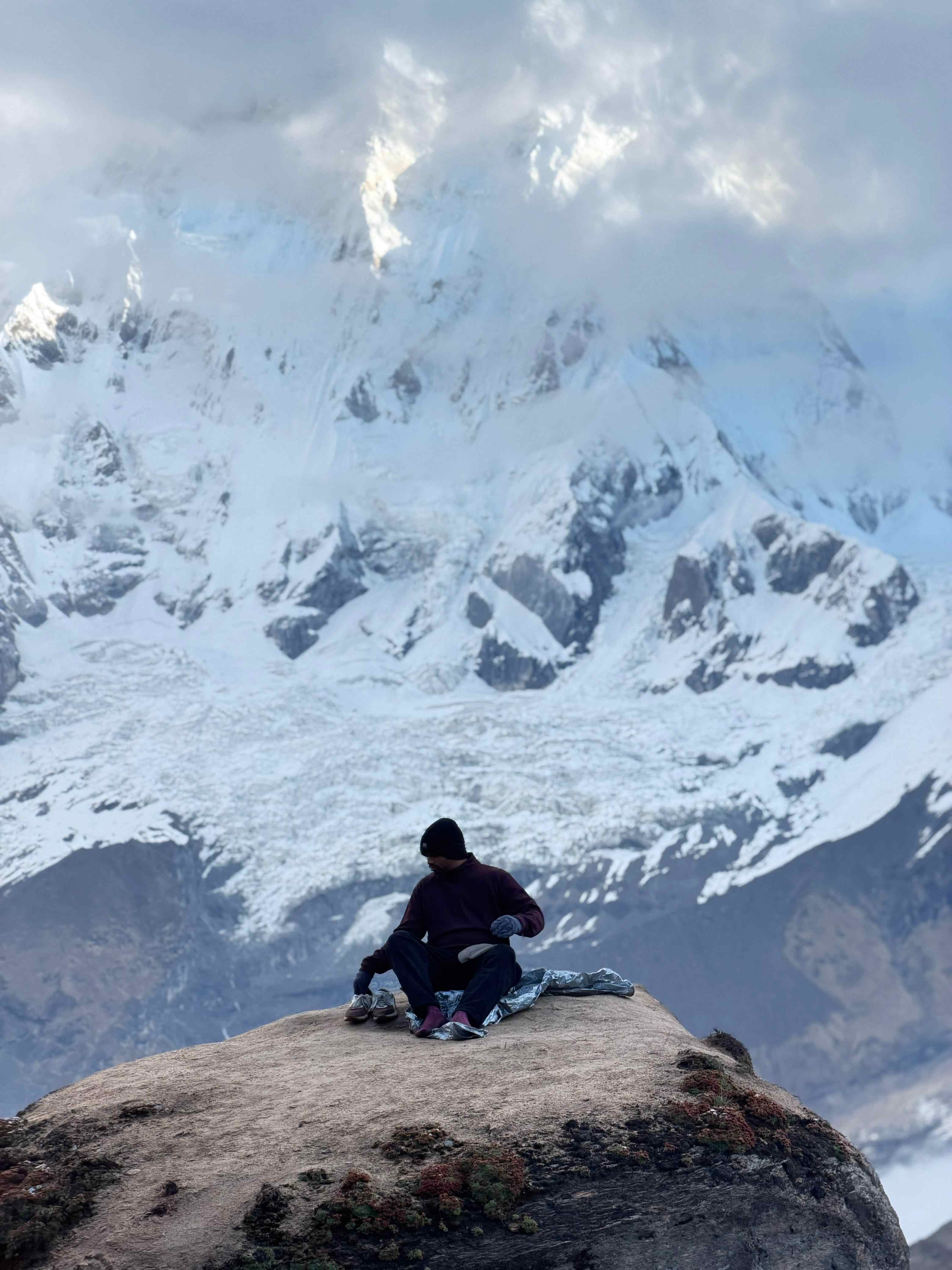
The Annapurna Base Camp Trek is considered one of Nepal’s safer high-altitude treks, but mountain environments always require caution.
Altitude sickness remains the most important health concern. Trekkers should understand the symptoms of Acute Mountain Sickness and never ignore persistent headaches, nausea, dizziness, or unusual fatigue.
Weather conditions should also be monitored carefully. Heavy snowfall, storms, and poor visibility can occasionally affect higher sections of the route.
Travel insurance that covers high-altitude trekking and helicopter evacuation is strongly recommended. While emergencies are uncommon, rescue operations in remote mountain areas can be expensive.
Solo trekking is possible, but many travelers prefer the added security and local knowledge that guides provide.
Keeping family members informed of your itinerary and expected progress is another simple but effective safety measure.
Above all, remember that the mountains will always be there. Turning back when conditions become unsafe is often the smartest decision a trekker can make.
Responsible Trekking in the Annapurna Region
The Annapurna region is one of Nepal’s most visited trekking destinations, and protecting it is a shared responsibility.
Carrying a reusable water bottle is one of the simplest ways to reduce plastic waste. Refilling and purifying water is both environmentally friendly and cost-effective.
Trekkers should remain on established trails whenever possible. Shortcuts may seem harmless, but repeated off-trail walking contributes to erosion and environmental damage.
Respect for local culture is equally important. Greeting local residents, asking permission before taking photographs, and supporting locally owned businesses all contribute positively to the trekking experience.
The Annapurna Conservation Area protects a remarkable range of wildlife, forests, and mountain ecosystems. Responsible behavior helps ensure future generations can enjoy the same landscapes.
Annapurna Base Camp Trek FAQs
Is the Annapurna Base Camp Trek suitable for beginners?
Yes. Many first-time Himalayan trekkers successfully complete the route each year. Good preparation and a reasonable fitness level are usually sufficient.
How difficult is the Annapurna Base Camp Trek?
The trek is considered moderate. The biggest challenges are long walking days, stone staircases, and altitude rather than technical terrain.
What is the highest point on the trek?
Annapurna Base Camp sits at approximately 4,130 meters (13,550 feet).
What is the best month for the Annapurna Base Camp Trek?
October is widely considered the best month due to stable weather, clear skies, and excellent mountain visibility.
How many days do I need for the trek?
Most itineraries require between seven and twelve days depending on the chosen route and pace.
Do I need a guide?
While many trekkers hire guides for safety and local knowledge, regulations should always be checked before departure as trekking rules can change.
Is Wi-Fi available during the trek?
Many villages offer Wi-Fi, although speeds and reliability decrease at higher elevations.
Can I charge my phone and camera batteries?
Yes. Most teahouses provide charging facilities, usually for an additional fee.
Are hot showers available?
Hot showers are available in many villages, though facilities become more basic at higher elevations.
Is Annapurna Base Camp harder than Everest Base Camp?
Everest Base Camp generally involves higher altitude and a longer itinerary, making it more physically demanding overall.
Final Thoughts on the Annapurna Base Camp Trek
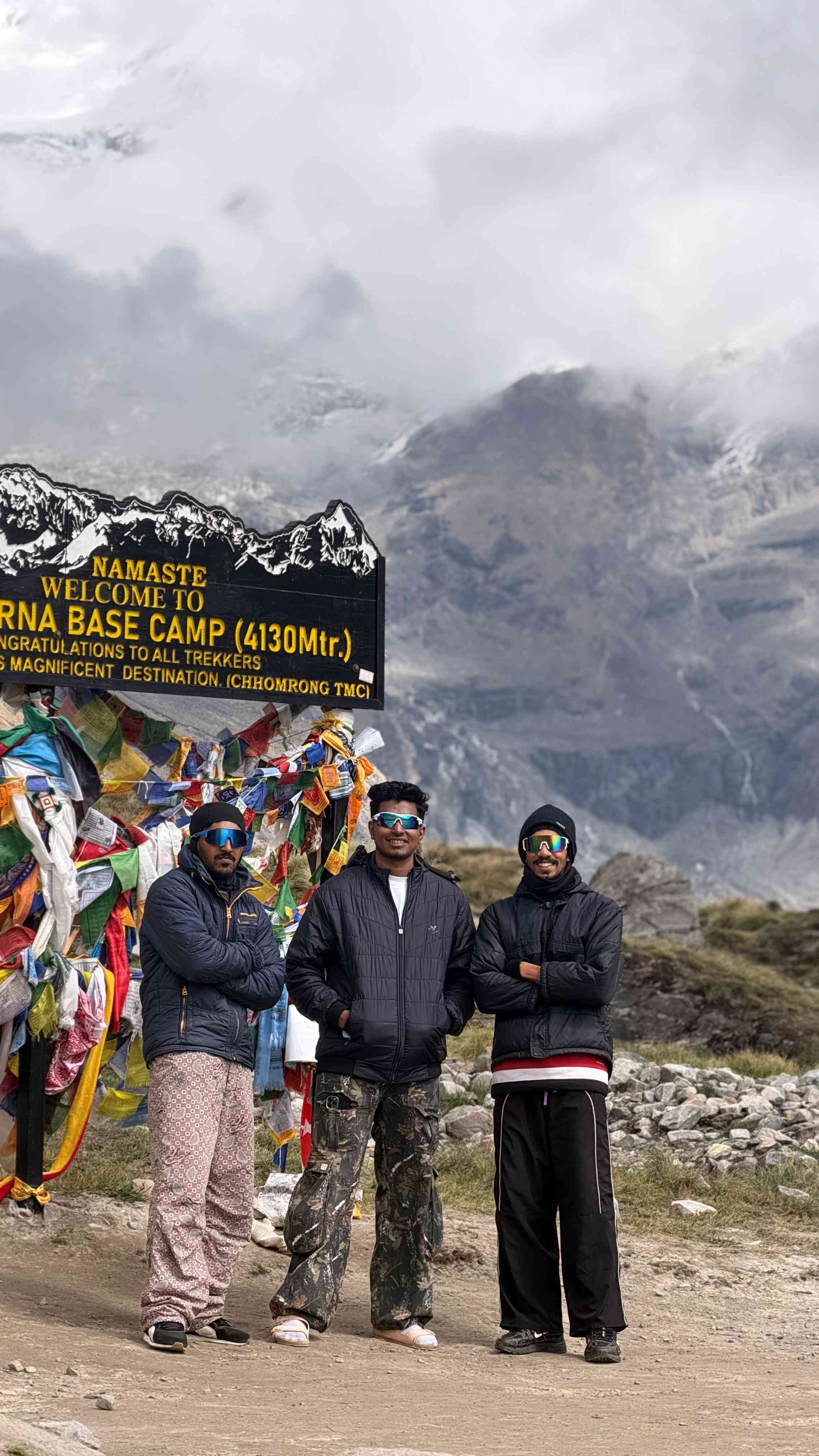
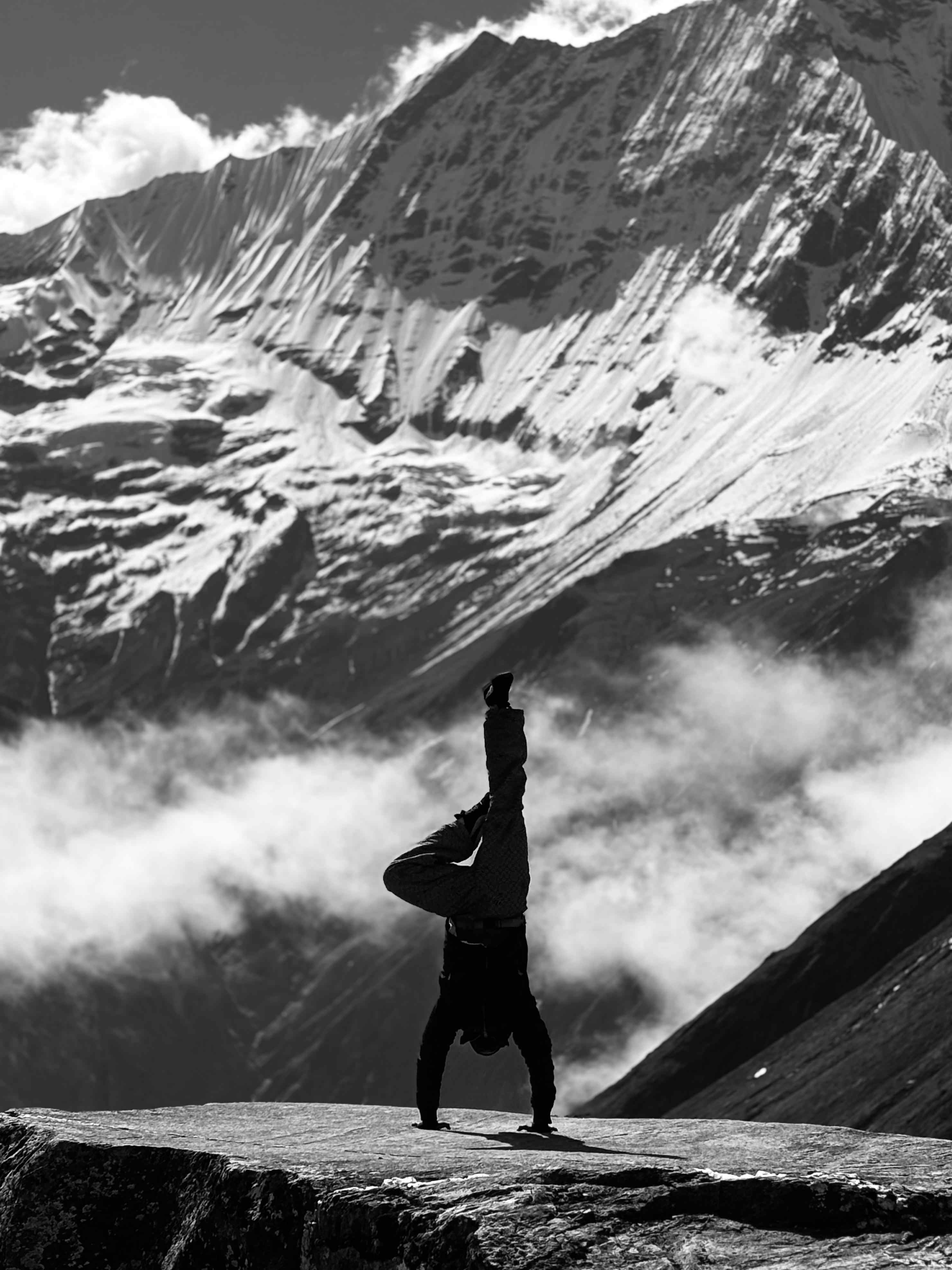
Some treks impress you with a single viewpoint. Others are remembered for a famous summit or landmark. The Annapurna Base Camp Trek is different because the entire journey feels meaningful from beginning to end.
The experience begins among terraced hills and traditional villages, continues through forests filled with rhododendrons and waterfalls, and culminates in one of the most spectacular mountain amphitheaters anywhere in the world.
Standing at Annapurna Base Camp surrounded by towering Himalayan peaks is undoubtedly unforgettable. Yet many trekkers later realize that their favorite memories came from quieter moments—a conversation with a lodge owner, a sunrise above the clouds, or a peaceful walk through a forest trail far below the snowline.
For travelers seeking a trek that combines stunning scenery, rich culture, comfortable infrastructure, and genuine adventure, the Annapurna Base Camp Trek remains one of the finest trekking experiences in Nepal.
It is a journey that challenges you just enough, rewards you constantly, and leaves you with memories that last far longer than the trek itself.
ABOUT AUTHOR
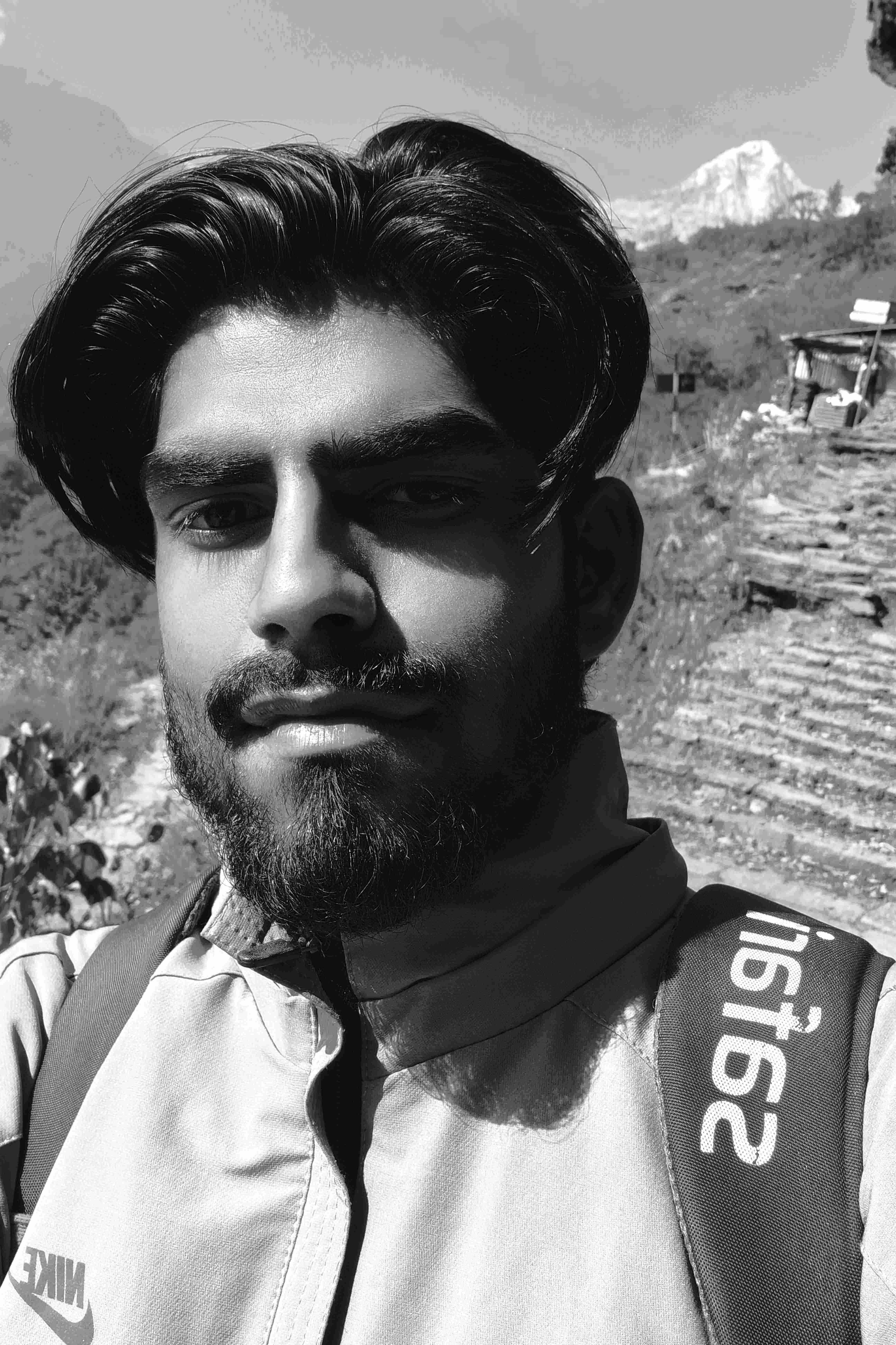
Afjal Khan
Afjal Khan is the founder of Epic Himalayan Trails and a passionate Himalayan trekker. He shares trekking guides, route information, itineraries, and practical travel tips to help trekkers plan better journeys across Nepal and the Indian Himalayas. Through Epic Himalayan Trails, his goal is to make trekking information simple, reliable, and useful for both beginners and experienced trekkers.