Trek Overview
The Langtang Valley Trek is one of Nepal’s most rewarding Himalayan adventures, offering an impressive blend of mountain scenery, traditional culture, and wilderness within a relatively short timeframe. Located just north of Kathmandu inside Langtang National Park, the trek follows the Langtang River through deep forests, traditional Tamang villages, alpine meadows, and glacial landscapes before reaching the beautiful settlement of Kyanjin Gompa.
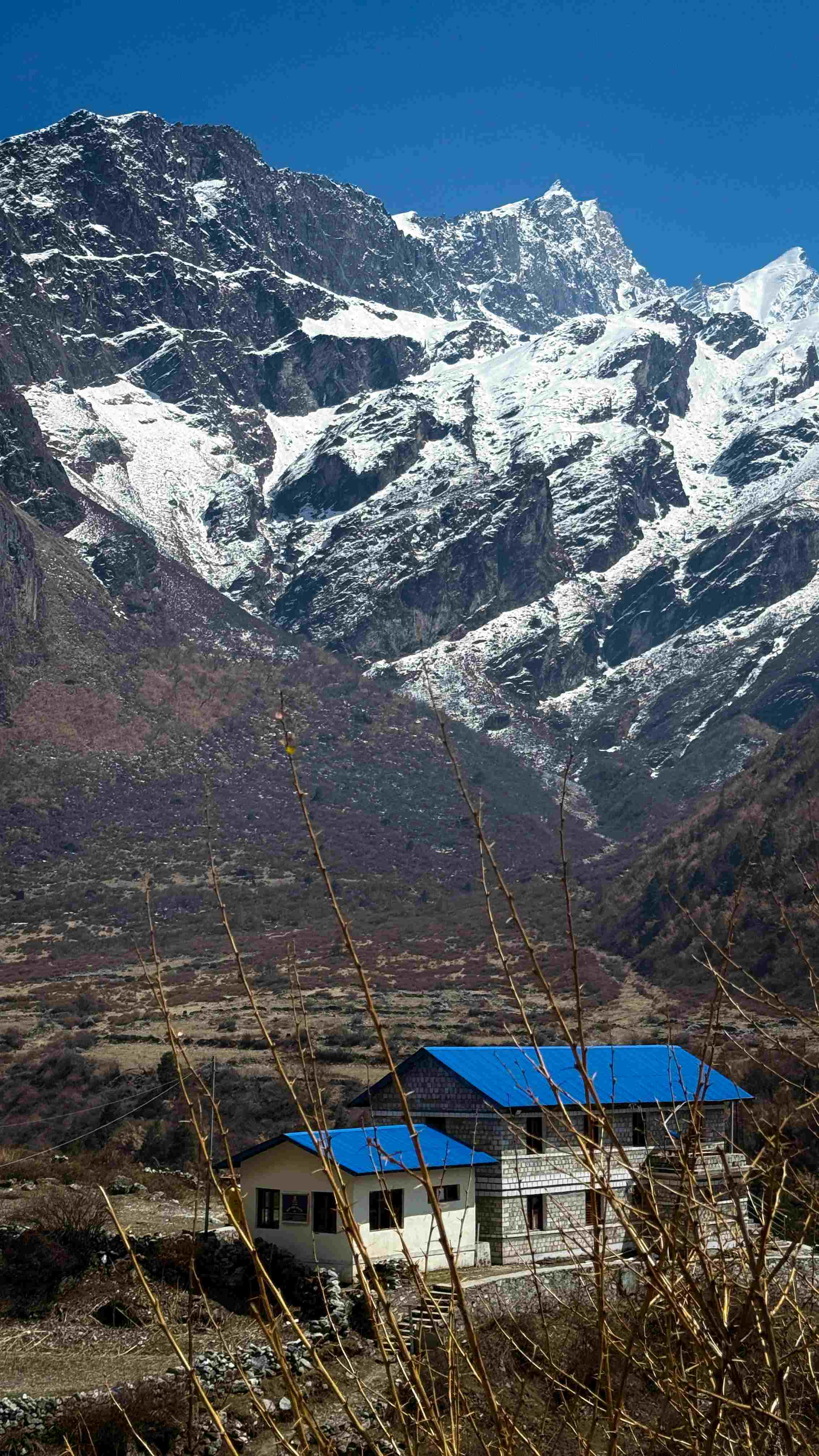
Often overshadowed by the Everest Base Camp Trek and the Annapurna Circuit, Langtang remains one of Nepal’s best-kept trekking secrets. Yet many experienced trekkers consider it one of the most complete Himalayan experiences available. The trail delivers snow-covered peaks, authentic local culture, peaceful villages, and breathtaking viewpoints without the crowds that are common on Nepal’s most famous routes.
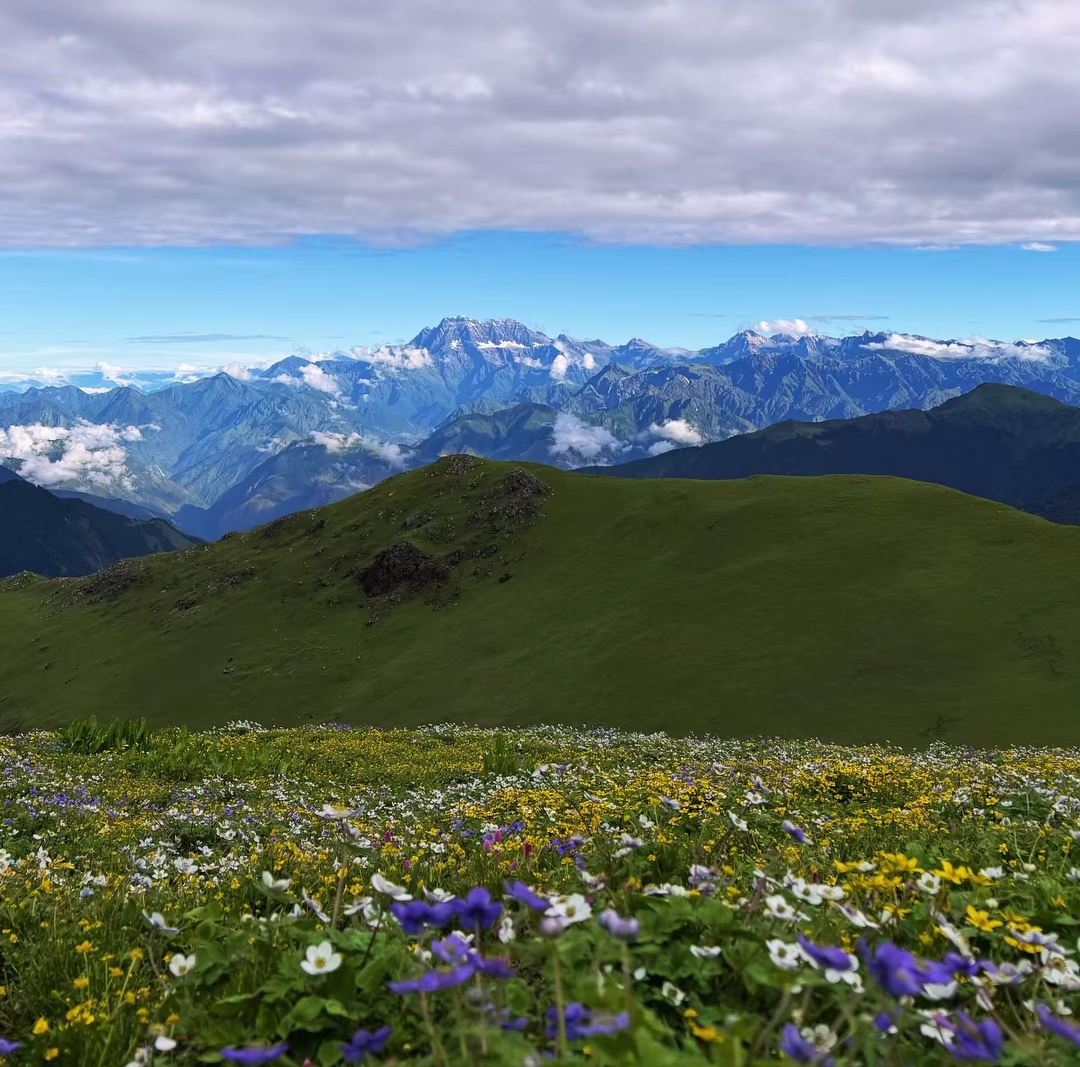
One thing many trekkers do not expect is how quickly the scenery changes. The journey begins among lush forests filled with rhododendrons, bamboo, and waterfalls. Higher up, the landscape opens into a dramatic glacial valley surrounded by towering Himalayan giants. Every day brings a different perspective, making the trek feel far more diverse than its relatively short distance might suggest.
The region is also known for its resilience. Following the devastating earthquake of 2015, local communities rebuilt villages, lodges, and trekking infrastructure with remarkable determination. Today, trekking in Langtang not only provides an unforgettable adventure but also supports mountain communities that rely heavily on tourism.
For travelers looking for an authentic Himalayan experience that combines culture, scenery, and adventure, the Langtang Valley Trek deserves a place near the top of the list.
Why This Trek Is Worth It
Some Himalayan treks are famous because they lead to a single iconic destination. The Langtang Valley Trek is different because the entire journey feels rewarding from start to finish.
The scenery is one of the biggest reasons trekkers fall in love with Langtang. Massive peaks rise dramatically above the valley floor, glaciers descend from mountain walls, and alpine meadows stretch beneath snow-covered summits. Mountains such as Langtang Lirung dominate the skyline and create views that rival many of Nepal’s more famous trekking regions.
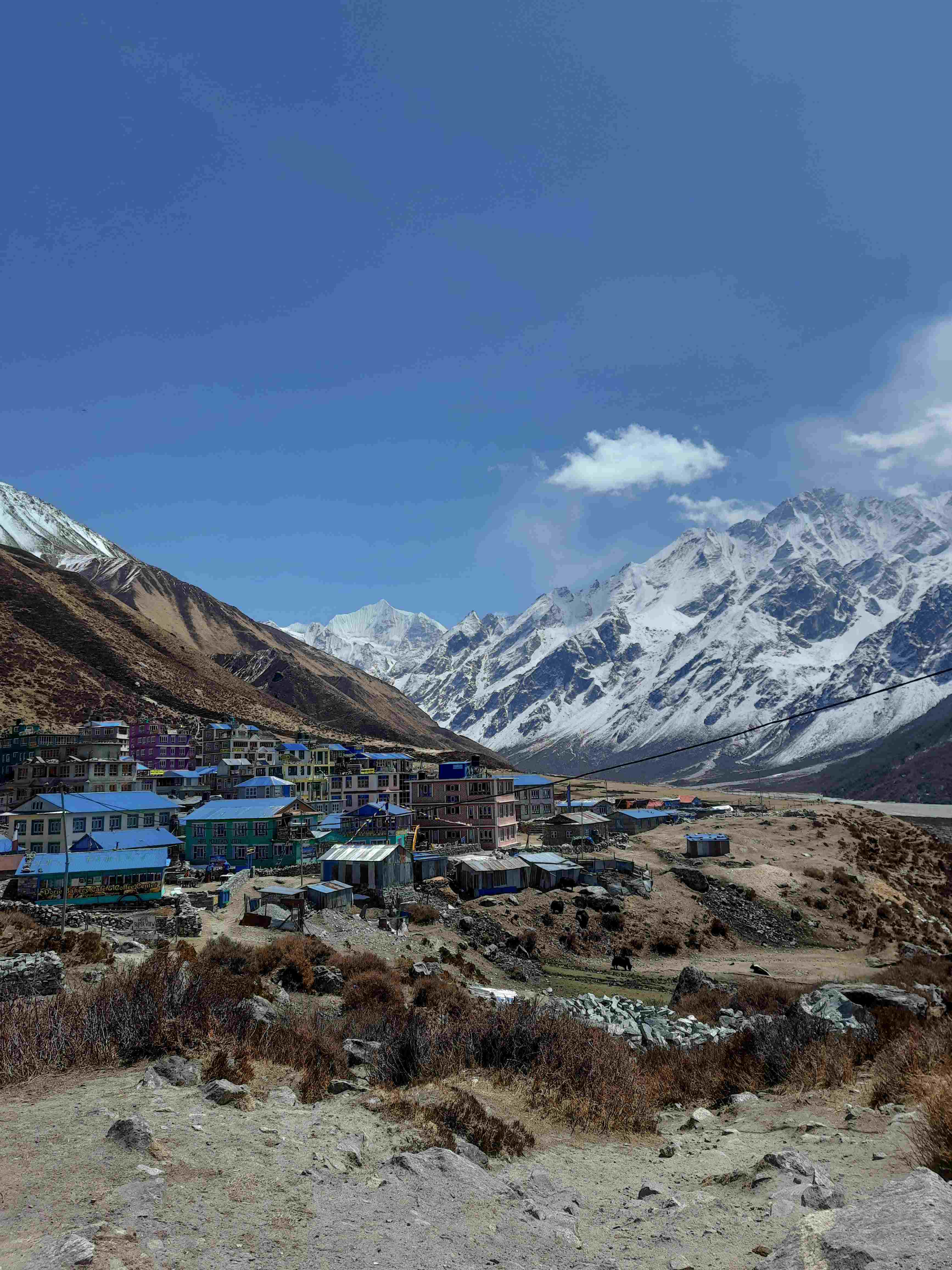
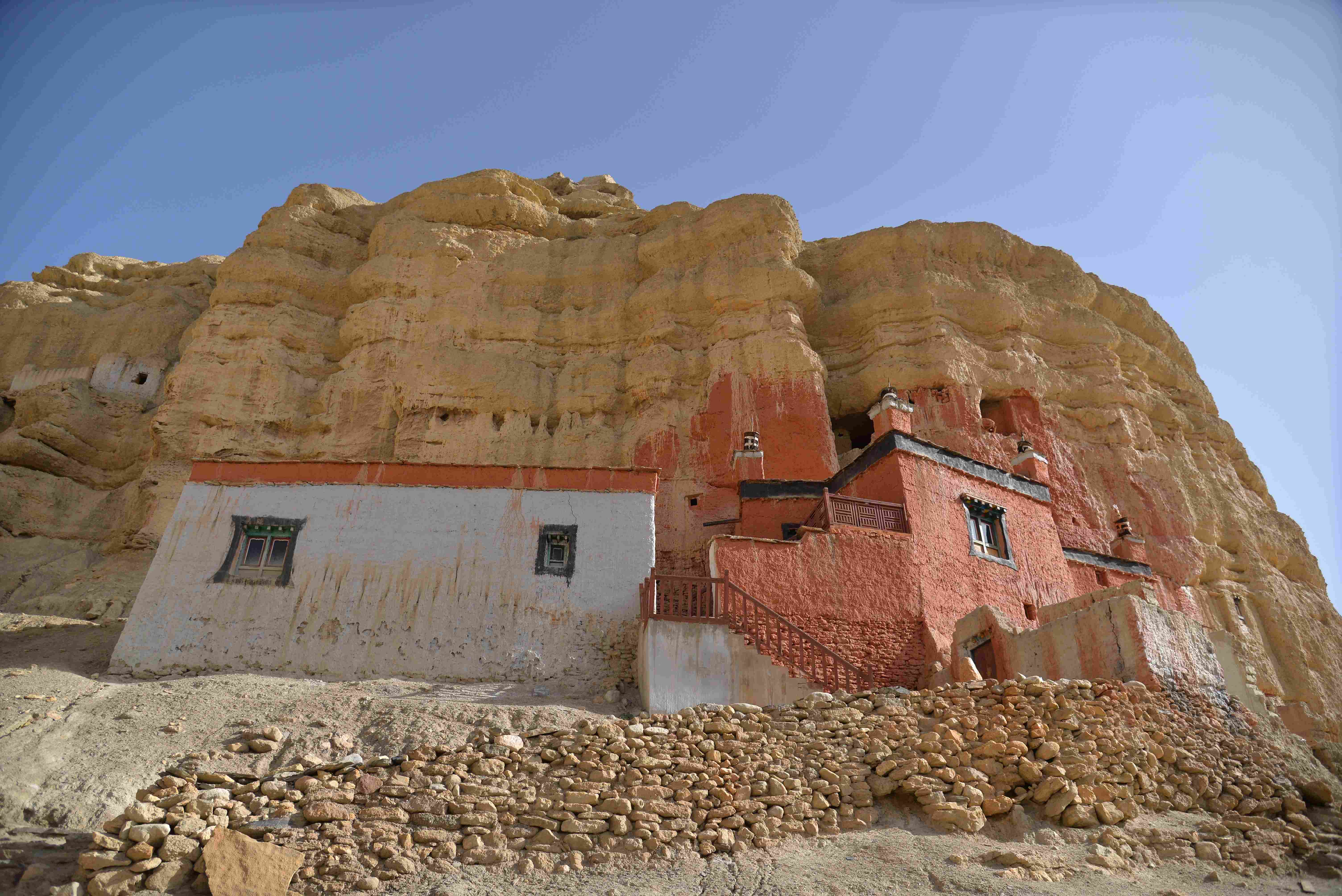
The cultural experience is equally compelling. The valley is home to the Tamang people, whose traditions have strong Tibetan influences. Ancient monasteries, prayer wheels, chortens, and colorful prayer flags are woven naturally into daily life. Walking through these villages feels less like visiting a tourist destination and more like experiencing a living Himalayan culture.
Another major advantage is accessibility. Unlike Everest Base Camp, which requires a domestic flight, Langtang can be reached directly by road from Kathmandu. This makes logistics simpler and often more affordable.
The wildlife opportunities add another dimension to the trek. The route passes through Langtang National Park, Nepal’s first Himalayan national park. Trekkers occasionally encounter Himalayan tahr, musk deer, langur monkeys, and a variety of mountain bird species.
What surprised me most about Langtang was how peaceful the trail felt. Even during peak trekking seasons, there are long stretches where the only sounds are flowing rivers, distant waterfalls, and the wind moving through the forest.
For those seeking a trek that balances mountain scenery, cultural immersion, manageable logistics, and genuine wilderness, Langtang offers exceptional value.
Trekkers who enjoy the Langtang Valley Trek often compare it with the Everest Base Camp Trek, another iconic Himalayan journey known for its legendary mountain views and unique Sherpa culture.
Langtang Valley Trek: Quick Facts at a Glance
| Trek Detail | Information |
|---|---|
| Trek Name | Langtang Valley Trek |
| Country | Nepal |
| Region | Langtang Region |
| National Park | Langtang National Park |
| Maximum Altitude | 4,984 m (Tserko Ri) |
| Highest Overnight Stay | 3,870 m (Kyanjin Gompa) |
| Trek Distance | Approximately 65–75 km |
| Duration | 7–10 Days |
| Difficulty | Moderate |
| Accommodation | Tea Houses and Lodges |
| Starting/Ending Point | Syabrubesi |
| Best Seasons | Spring and Autumn |
| Guide Requirement | Recommended |
| Nearest Airport | Kathmandu International Airport |
Best Time to Visit
The Langtang Valley Trek can be completed throughout much of the year, but choosing the right season significantly affects weather conditions, mountain visibility, and overall trekking experience.
Spring (March to May)
Spring is one of the most popular seasons for trekking in Langtang. As winter snow begins to melt, forests come alive with blooming rhododendrons and fresh vegetation. Temperatures become comfortable during the day, and visibility is generally excellent.
Snow remains visible on higher peaks, creating beautiful contrasts against green hillsides and colorful forests. Wildlife activity also increases during this season, making spring particularly attractive for nature lovers.
The only drawback is that spring attracts more trekkers than some other seasons, especially during April.
Summer and Monsoon (June to August)
Summer coincides with Nepal’s monsoon season. Frequent rainfall transforms the valley into a lush green landscape, and waterfalls become particularly impressive.
However, cloud cover often limits mountain views, and trails can become muddy and slippery. Transportation delays occasionally occur due to landslides affecting mountain roads.
Trekkers who choose this season benefit from quieter trails and vibrant scenery but should be prepared for wet conditions.
Autumn (September to November)
Autumn is widely considered the best season for the Langtang Valley Trek.
Following the monsoon, the atmosphere becomes remarkably clear, providing outstanding mountain views. Days are generally sunny, temperatures remain comfortable, and weather patterns are relatively stable.
October is often regarded as the ideal month because it combines pleasant temperatures with exceptional visibility. The snow-covered peaks appear especially dramatic against deep blue skies.
For photographers and first-time trekkers, autumn is difficult to beat.
Winter (December to February)
Winter offers a completely different trekking experience. Snow frequently covers higher elevations, creating stunning alpine scenery and a peaceful atmosphere.
The trail becomes significantly quieter, and clear skies often provide excellent mountain views. However, temperatures can drop well below freezing, particularly at Kyanjin Gompa and higher viewpoints.
Trekkers considering a winter visit should pack appropriate cold-weather gear and be prepared for snow-covered sections of the trail.
Similar seasonal conditions can also be found on the Kanchenjunga Circuit Trek, where spring and autumn provide the most stable weather and clearest mountain views.
Difficulty Level
The Langtang Valley Trek is generally rated as a moderate Himalayan trek. It does not require technical climbing skills, ropes, or previous mountaineering experience, but trekkers should not underestimate the physical demands involved.
Most days involve five to seven hours of walking across varied terrain. The trail includes forest paths, stone staircases, suspension bridges, rocky sections, and gradual mountain ascents. While none of these features are technically difficult, they require stamina and consistent effort.
Altitude is the primary challenge. The trek reaches nearly 5,000 meters at Tserko Ri, where oxygen levels are significantly lower than at sea level. Even fit trekkers can feel the effects of altitude if they ascend too quickly.
A good level of cardiovascular fitness is sufficient for most people. Regular walking, hiking, cycling, or running in the months leading up to the trek can make a noticeable difference.
The trek is suitable for:
• Active beginners with reasonable fitness
• Regular hikers
• Solo travelers
• Experienced trekkers looking for a shorter Himalayan adventure
• Photographers and nature enthusiasts
The trek may be challenging for:
• Individuals with little hiking experience
• Travelers who struggle with altitude
• Those carrying excessively heavy backpacks
• People with serious respiratory or cardiovascular conditions
Success on the Langtang Valley Trek is less about speed and more about consistency. A steady pace, proper hydration, and adequate acclimatization usually matter far more than athletic ability.
Hikers looking for a more challenging and remote experience after Langtang may consider the Manaslu Circuit Trek, which offers longer trekking days and a more rugged Himalayan environment.
Trek Highlights
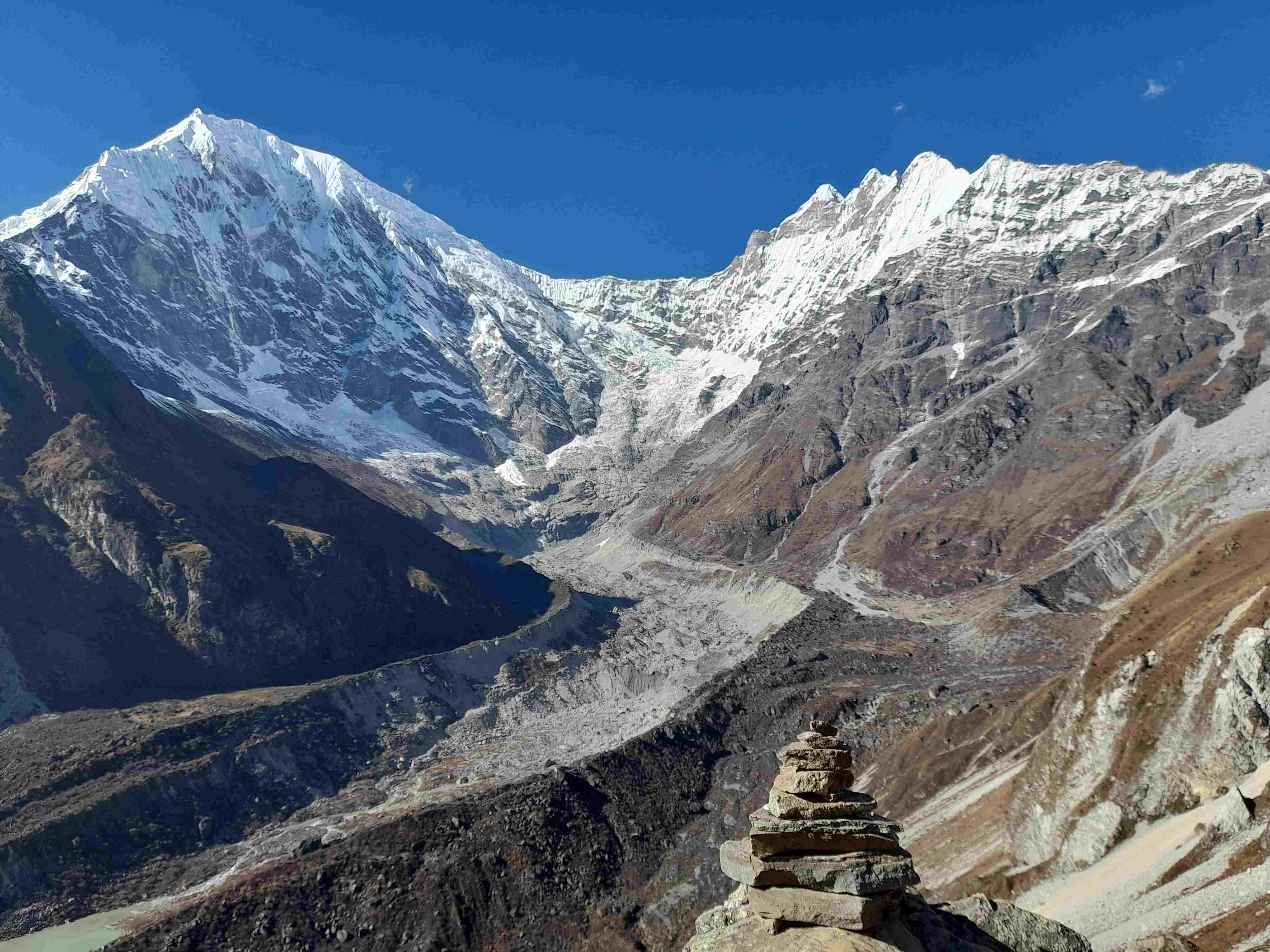
The Langtang Valley Trek is filled with memorable moments, but its greatest strength is the variety of experiences packed into a relatively short route.
The journey begins alongside the roaring Langtang River, where dense forests provide shade and shelter. Rhododendron trees bloom in spring, waterfalls cascade down steep mountainsides, and wildlife occasionally appears among the trees.
As the trail climbs higher, traditional mountain settlements emerge from the forest. Villages such as Lama Hotel and Langtang Village offer a fascinating glimpse into life in the Himalayas. Stone houses, grazing yaks, spinning prayer wheels, and colorful prayer flags create an atmosphere that feels distinctly different from urban Nepal.
Beyond Langtang Village, the landscape changes dramatically. Forests give way to wide alpine valleys surrounded by glaciers and towering peaks. The scale of the mountains becomes increasingly impressive with every step.
This is where the trek really starts to feel special.
Kyanjin Gompa sits at the heart of the upper valley and serves as the cultural and scenic centerpiece of the trek. Surrounded by glaciers, yak pastures, and snow-covered mountains, it is one of the most beautiful trekking settlements in Nepal.
The climb to Tserko Ri is often considered the ultimate highlight. Starting before sunrise, trekkers gradually ascend to one of the finest viewpoints in the Langtang region. From the summit, panoramic views extend across countless Himalayan peaks stretching toward Tibet.
Photographers will find endless opportunities throughout the trek. Golden sunlight illuminating Langtang Lirung, prayer flags fluttering in mountain winds, yaks grazing in alpine meadows, and crystal-clear night skies all contribute to a truly unforgettable experience.
The Langtang Valley Trek is more than just a walk through the mountains. It is a journey through landscapes, cultures, and communities that together create one of Nepal’s most rewarding trekking adventures.
The dramatic mountain scenery of Langtang is often compared with the Annapurna Circuit Trek, one of Nepal’s most famous trekking routes known for its diverse landscapes and cultural richness.
Route & Itinerary
The classic Langtang Valley Trek follows a gradual ascent from Syabrubesi to Kyanjin Gompa before returning along the same valley. While some trekkers view an out-and-back route as repetitive, Langtang feels surprisingly different in each direction. The mountains reveal new angles, changing weather transforms the scenery, and the descent allows time to appreciate details that are often missed while climbing.
This itinerary is designed for proper acclimatization, comfortable daily distances, and enough time to enjoy the landscapes rather than rushing through them.
Day 1 – Kathmandu to Syabrubesi
Starting Point: Kathmandu (1,400 m)
Ending Point: Syabrubesi (1,550 m)
Distance: Approximately 122 km by road
Travel Time: 7–9 Hours
Altitude Gain: 150 m
The adventure begins with an early morning drive from Kathmandu to Syabrubesi, the gateway to the Langtang region. Although it is technically a travel day rather than a trekking day, the journey provides an excellent introduction to Nepal’s mountain landscapes.
The road gradually leaves the Kathmandu Valley and winds through terraced hillsides, traditional villages, and river valleys. As the hours pass, the scenery becomes increasingly dramatic, with steep mountain slopes rising above deep gorges.
Road conditions can be rough in certain sections, particularly after heavy rain, but the changing scenery keeps the journey interesting. Tea stops along the way provide opportunities to stretch and enjoy views of rural Nepal.
Upon arrival in Syabrubesi, most trekkers spend the evening organizing gear, checking permits, and resting before the trek begins.
Tip: Purchase any forgotten trekking essentials in Kathmandu. Options become limited once you leave the city.
Day 2 – Syabrubesi to Lama Hotel
Starting Point: Syabrubesi (1,550 m)
Ending Point: Lama Hotel (2,470 m)
Distance: Approximately 11 km
Trekking Time: 6–7 Hours
Altitude Gain: 920 m
The first trekking day starts immediately with a steady climb out of Syabrubesi. After crossing a suspension bridge over the Langtang River, the trail enters dense forests that will accompany much of the day’s journey.
The route follows the river through oak, pine, maple, and rhododendron forests. Birdsong fills the air, and lucky trekkers may spot langur monkeys moving through the trees overhead.
Several small tea houses appear along the route, offering places to rest and enjoy lunch. The trail alternates between gentle sections and steeper climbs, gradually gaining elevation throughout the day.
One thing many trekkers notice on this section is how wild the valley feels. Thick forests often block distant mountain views, creating a sense of mystery about what lies ahead.
By late afternoon, the trail reaches Lama Hotel, a small collection of lodges surrounded by forest.
Trail Conditions: Mostly forest trails with stone steps and occasional rocky sections.
Important Tip: Start slowly. The temptation to hike too fast on the first day can lead to unnecessary fatigue later in the trek.
Day 3 – Lama Hotel to Langtang Village
Starting Point: Lama Hotel (2,470 m)
Ending Point: Langtang Village (3,430 m)
Distance: Approximately 14 km
Trekking Time: 6–7 Hours
Altitude Gain: 960 m
The trek continues through forests during the morning, but the landscape gradually begins to change as elevation increases.
The trail passes through Ghodatabela, a scenic clearing surrounded by mountains. This is often the first point where trekkers begin to appreciate the scale of the Langtang Himal.
As the day progresses, forests become thinner and mountain views become more frequent. Prayer flags, chortens, and mani walls start appearing beside the trail, signaling the growing influence of Tibetan Buddhist culture.
The route eventually reaches Langtang Village, which was rebuilt after the 2015 earthquake. Today, it stands as a powerful symbol of the resilience and determination of local communities.
What surprised me most about this day is how dramatically the scenery changes. The dense forests of the lower valley feel far away, replaced by wide open landscapes and towering peaks.
Evening views around the village are spectacular, particularly when the setting sun illuminates the surrounding mountains.
Tip: Drink plenty of water and monitor how your body responds to the increasing altitude.
Day 4 – Langtang Village to Kyanjin Gompa
Starting Point: Langtang Village (3,430 m)
Ending Point: Kyanjin Gompa (3,870 m)
Distance: Approximately 7 km
Trekking Time: 3–4 Hours
Altitude Gain: 440 m
Although relatively short, this is one of the most scenic days of the trek.
Leaving Langtang Village behind, the trail passes through open yak pastures and broad alpine landscapes. The valley widens significantly, creating breathtaking views in every direction.
The mountains seem much closer now. Snow-covered peaks dominate the horizon, while glaciers cling to steep slopes high above the valley floor.
Prayer wheels and Buddhist monuments become increasingly common as the route approaches Kyanjin Gompa, the final permanent settlement on the trek.
Arriving in Kyanjin Gompa often feels like reaching the heart of Langtang. The village sits in a stunning location surrounded by mountains, glaciers, and alpine meadows.
Most trekkers spend the afternoon exploring the area, visiting the monastery, or relaxing outside their lodge while enjoying mountain views.
This is where the trek truly begins to feel Himalayan in scale.
Important Tip: Avoid the temptation to push too hard upon arrival. The altitude is now significant, and rest plays an important role in acclimatization.
Day 5 – Acclimatization Day and Tserko Ri
Starting Point: Kyanjin Gompa (3,870 m)
Ending Point: Kyanjin Gompa (3,870 m)
Highest Altitude: Tserko Ri (4,984 m)
Distance: Approximately 10–12 km Round Trip
Trekking Time: 6–8 Hours
Altitude Gain: 1,114 m
For many trekkers, this becomes the highlight of the entire journey.
The day begins before sunrise as hikers leave Kyanjin Gompa and begin the steep ascent toward Tserko Ri. The climb is physically demanding, but the rewards are extraordinary.
As the trail gains elevation, panoramic views gradually unfold across the Langtang Valley. The higher you climb, the more dramatic the scenery becomes.
The final approach to the summit often feels challenging due to the thin air, but reaching the top is unforgettable.
From Tserko Ri, trekkers enjoy one of Nepal’s finest mountain panoramas. Endless Himalayan peaks stretch across the horizon, while glaciers and valleys spread out below.
The sense of scale is difficult to describe. On clear days, the views seem almost limitless.
After spending time at the summit, trekkers descend carefully back to Kyanjin Gompa for a well-earned rest.
Tip: Begin the ascent early to enjoy sunrise light and avoid afternoon cloud build-up.
Day 6 – Kyanjin Gompa to Lama Hotel
Starting Point: Kyanjin Gompa (3,870 m)
Ending Point: Lama Hotel (2,470 m)
Distance: Approximately 21 km
Trekking Time: 7–8 Hours
Altitude Loss: 1,400 m
After several days of climbing, the descent feels noticeably easier on the lungs, although it can be demanding on the knees.
The route retraces the path through Langtang Village and Ghodatabela before continuing into the forests below.
Descending offers a completely different perspective. Landscapes that required hours of uphill effort now pass more quickly, allowing trekkers to notice details that may have been overlooked during the ascent.
Many hikers find this day surprisingly enjoyable because the lower altitude provides renewed energy and stronger appetites.
By evening, the familiar lodges of Lama Hotel come back into view.
Tip: Trekking poles can significantly reduce strain on the knees during long descents.
Day 7 – Lama Hotel to Syabrubesi
Starting Point: Lama Hotel (2,470 m)
Ending Point: Syabrubesi (1,550 m)
Distance: Approximately 11 km
Trekking Time: 5–6 Hours
Altitude Loss: 920 m
The final trekking day follows the Langtang River back toward Syabrubesi.
The forests feel different now. Familiar suspension bridges, waterfalls, and river crossings mark the final stages of the journey.
Many trekkers experience mixed emotions during this section. The excitement of completing the trek combines with the realization that the adventure is coming to an end.
The lower altitude brings warmer temperatures and richer vegetation. Birds become more active, and the sounds of the river once again dominate the landscape.
Arriving in Syabrubesi marks the official completion of the Langtang Valley Trek.
A hot meal, comfortable lodge, and sense of accomplishment make for a memorable final evening in the mountains.
Day 8 – Syabrubesi to Kathmandu
Starting Point: Syabrubesi (1,550 m)
Ending Point: Kathmandu (1,400 m)
Distance: Approximately 122 km by road
Travel Time: 7–9 Hours
The return drive to Kathmandu provides time to reflect on the journey.
The mountains gradually fade into the distance as the road descends toward the capital. Villages, farmland, and river valleys pass by the window, bringing the trek full circle.
For many trekkers, Langtang leaves a lasting impression. It may not have the fame of Everest or Annapurna, but its combination of culture, scenery, wildlife, and tranquility creates an experience that feels deeply personal.
By the time Kathmandu comes into view, most trekkers already understand why Langtang remains one of Nepal’s most cherished trekking destinations.
Route Summary
| Day | Route | Trek Time |
|---|---|---|
| Day 1 | Kathmandu to Syabrubesi | 7–9 hrs drive |
| Day 2 | Syabrubesi to Lama Hotel | 6–7 hrs |
| Day 3 | Lama Hotel to Langtang Village | 6–7 hrs |
| Day 4 | Langtang Village to Kyanjin Gompa | 3–4 hrs |
| Day 5 | Tserko Ri Excursion | 6–8 hrs |
| Day 6 | Kyanjin Gompa to Lama Hotel | 7–8 hrs |
| Day 7 | Lama Hotel to Syabrubesi | 5–6 hrs |
| Day 8 | Syabrubesi to Kathmandu | 7–9 hrs drive |
Altitude & Acclimatization
Altitude plays a major role in the Langtang Valley Trek, even though the ascent is gradual compared to many high Himalayan routes. The trek begins at around 1,550 meters in Syabrubesi and slowly climbs to 3,870 meters at Kyanjin Gompa, with an optional hike to Tserko Ri that reaches nearly 5,000 meters.
What makes Langtang manageable for most trekkers is the steady elevation gain. The body gets time to adjust naturally, provided the pace is controlled. However, once you cross 3,000 meters, the change in oxygen levels becomes noticeable, and even simple walking starts to feel more demanding.
Acute Mountain Sickness (AMS) is the main concern at higher altitudes. It is not linked to fitness level, which often surprises first-time trekkers. Even experienced hikers can feel its effects if they ascend too quickly.
Understanding AMS (Acute Mountain Sickness)
AMS usually develops when the body does not have enough time to adapt to reduced oxygen levels. The most common symptoms include headache, nausea, dizziness, fatigue, loss of appetite, and disturbed sleep.
These symptoms are generally mild in the early stages and can often be managed with rest and proper hydration. However, the key warning sign is progression. If symptoms worsen instead of improving, it should never be ignored.
The safest and most effective response to serious altitude symptoms is always descent, not waiting or pushing forward.
Acclimatization Strategy
Successful acclimatization in Langtang is more about discipline than physical strength. A slow and steady pace is far more effective than trying to cover distance quickly in the early days.
Hydration is critical because dry mountain air increases fluid loss without you realizing it. Regular water intake, balanced meals, and proper rest all support adaptation.
The acclimatization day at Kyanjin Gompa is especially important. This rest period allows the body to adjust before attempting higher elevations like Tserko Ri. Skipping it significantly increases the risk of altitude-related issues.
Altitude Profile
The elevation gain on the Langtang Valley Trek is gradual but steady, allowing the body to adapt step by step:
Kathmandu – 1,400 m
Syabrubesi – 1,550 m
Lama Hotel – 2,470 m
Langtang Village – 3,430 m
Kyanjin Gompa – 3,870 m
Tserko Ri – 4,984 m
While the overall progression is well-structured, the final climb from Kyanjin Gompa to Tserko Ri is physically demanding due to thinner air and steeper terrain.
Food & Accommodation
Accommodation along the Langtang Valley Trek is based on a tea house system, which is one of the defining features of trekking in Nepal. These are simple, locally run lodges that provide basic rooms and meals to trekkers.
In the lower sections of the trail, such as Syabrubesi and Lama Hotel, lodges tend to be slightly more comfortable, with better space and more facilities. As the altitude increases, accommodation becomes more basic, but it remains warm and adequate for resting after long trekking days.
Tea House Experience
Rooms are usually twin-sharing with simple bedding, including mattresses and blankets. Bathrooms are shared, and hot showers are available in many villages, although they become less reliable at higher elevations.
Evenings in tea houses have a unique atmosphere. The dining hall becomes a central gathering space where trekkers sit around a stove, share stories, and warm themselves in the cold mountain air.
Food on the Trail
Meals in Langtang are surprisingly varied given the remote location. The most common and reliable dish is Dal Bhat, which consists of rice, lentils, vegetables, and pickles. It is nutritious, filling, and often served with unlimited refills.
Other available options include noodles, fried rice, momos, pasta, soups, and potatoes. Breakfast typically includes eggs, porridge, Tibetan bread, pancakes, or simple toast with tea or coffee.
As altitude increases, most trekkers naturally prefer simpler meals that are easier to digest.
Drinking Water & Hygiene
Managing drinking water properly is essential during the Langtang Valley Trek. Bottled water is available in most villages, but it becomes more expensive as you move higher and also contributes to environmental waste in a fragile mountain ecosystem.
Safe Water Practices
Most experienced trekkers rely on boiled water provided by tea houses or use water purification tablets and filters. This approach is both safer and more sustainable.
Staying well-hydrated is crucial because the dry mountain environment increases water loss from the body, often without obvious signs.
Hygiene Conditions
Hygiene standards along the trail are basic but manageable. Shared toilets are common, and hot showers may not always be available, especially in higher settlements.
Electricity can be inconsistent, particularly during bad weather or in remote villages. Adjusting expectations is important, as comfort levels decrease with altitude.
Trekkers who accept these conditions as part of the experience usually find the journey far more enjoyable.
Packing List
Packing for the Langtang Valley Trek is about finding the right balance between comfort and weight. Carrying too much can make the trek unnecessarily exhausting, while carrying too little can make it uncomfortable in changing mountain conditions.
Layering is the most effective approach because temperatures can vary significantly throughout the day. Mornings and evenings are cold, while midday sun can feel surprisingly warm, especially at lower elevations.
A good base layer helps regulate moisture, followed by a warm insulating layer such as fleece or a light down jacket. A waterproof outer layer is essential for protection against wind and sudden weather changes.
A high-quality down jacket becomes necessary at higher elevations, particularly around Kyanjin Gompa and during early morning hikes to viewpoints like Tserko Ri.
Footwear is one of the most important parts of your gear. Well-broken-in trekking boots are essential to prevent blisters and ensure stability on uneven terrain.
Rain protection should not be overlooked. A waterproof jacket, backpack cover, and dry bags for electronics are small items that make a significant difference during unexpected weather changes.
Electronics should be kept simple. A smartphone, power bank, and headlamp are usually sufficient. Charging facilities are available in most villages but are often limited and come at an extra cost.
Important documents such as your passport, permits, and insurance details should always be stored safely in a waterproof pouch.
A basic first aid kit is highly recommended. It should include personal medications, pain relievers, blister care, antiseptic cream, and hydration salts. If prescribed by a doctor, altitude medication may also be carried.
One of the most common mistakes trekkers make is overpacking. Extra weight quickly becomes a burden at higher altitudes and can significantly affect overall enjoyment of the trek.
Permits & Costs (2026)
The Langtang Valley Trek requires a couple of standard permits, which are quite easy to arrange once you reach Kathmandu. Most trekkers sort them out in a single day before heading toward the mountains.
You’ll need a Langtang National Park entry permit, since the trail passes through protected conservation land filled with wildlife, forests, and high-altitude ecosystems. Along with that, a TIMS card is required for trekker registration and basic safety tracking.
Both can be obtained either through a trekking agency or directly from the Nepal Tourism Board in Kathmandu. The process is straightforward, and you don’t need to worry too much about paperwork if you’re organized in advance.
By 2026, the combined cost usually stays around 45 to 60 USD depending on how and where you apply.
What the trek actually costs
The overall cost of the Langtang Valley Trek depends more on your travel style than anything else. Some people travel very simply, while others prefer a bit more comfort and support on the trail.
If you’re trekking independently, staying in basic tea houses and managing your own transport, the trip stays quite affordable. Most expenses come from daily meals, accommodation, and transport from Kathmandu to Syabrubesi.
Once you add a guide or porter, the cost naturally increases, but the experience becomes smoother, especially if it’s your first time in Nepal.
On average, a budget trek stays around 250 to 400 USD. A more comfortable, guided experience usually falls somewhere between 500 and 900 USD, depending on your choices.
How to Reach Syabrubesi
Getting to Syabrubesi is the first real taste of the Langtang journey, and honestly, it already feels like part of the adventure.
The drive starts from Kathmandu and slowly winds out of the valley into hill country, following rivers, terraced fields, and small roadside settlements. As you move further, the road becomes rougher and the landscape more dramatic.
There is no flight or train option here, so everything happens by road.
Most trekkers take a shared jeep or local bus. The bus is cheaper but slower and less comfortable. Shared jeeps are more popular because they are faster and slightly more manageable on the winding mountain roads.
The journey usually takes around 7 to 9 hours, although this can stretch longer depending on weather and road conditions, especially during monsoon season.
By the time you reach Syabrubesi, you already feel like you’ve stepped into a different world — quieter, greener, and much closer to the mountains.
Insider Tips
Langtang is not a difficult trek technically, but small decisions on the trail make a huge difference in how the experience feels.
One of the most important things is pacing. The first two days feel easy, and that’s where many trekkers make the mistake of walking too fast. The altitude doesn’t hit immediately, it builds up quietly.
Another simple but important detail is cash. Once you leave Kathmandu, there are no ATMs, and everything runs on cash only. Even small things like charging your phone or buying snacks require cash payments.
Early mornings are your best friend on this trek. The mountains are clearer, the light is softer, and the valley feels calm before the wind and clouds move in later in the day.
And if there is one place where you should slow down intentionally, it is Kyanjin Gompa. People often rush through it, but this is where the landscape becomes truly extraordinary.
Common Mistakes Trekkers Make
Most problems on the Langtang Valley Trek don’t come from difficulty — they come from expectations.
A very common mistake is underestimating altitude. The trek feels gentle at first, and that creates a false sense of ease. Then suddenly, around 3,000 meters, even short climbs start feeling heavy.
Another issue is overpacking. Many trekkers bring too much “just in case” gear, and end up carrying unnecessary weight for a week. The mountains quickly punish heavy backpacks.
Hydration is another overlooked factor. The dry air pulls water from your body much faster than you realize, and if you don’t drink regularly, fatigue builds up quickly.
And finally, many people skip proper acclimatization in Kyanjin Gompa because they feel fine. That’s usually when altitude problems show up later.
Safety Tips
Langtang is a relatively safe trekking route, but it still demands awareness.
Weather in the mountains changes quickly. A clear morning can turn into a cloudy, windy afternoon without much warning, especially at higher elevations. Layering properly makes a big difference.
Altitude awareness is the most important safety factor. If your body is showing signs of discomfort that are getting worse, the only correct response is to stop gaining altitude or descend.
River crossings and suspension bridges are stable, but they always require focus, especially during rain when surfaces can become slippery.
Travel insurance that covers high-altitude trekking is not optional in my opinion — it is essential. Medical evacuation in remote regions can be extremely expensive without coverage.
Responsible Trekking & Leave No Trace
Langtang is one of those places where the impact of every visitor can actually be seen.
Waste management matters a lot here. Carrying back your trash, avoiding single-use plastic, and reusing bottles helps protect a fragile environment that has already been through enough.
Respect for local culture is just as important as respect for nature. The villages along the trail are home to Tamang communities with strong traditions, and small gestures like being mindful in monasteries or asking before taking photos go a long way.
Supporting local tea houses instead of rushing through the trek also helps sustain the local economy. In many ways, your presence directly supports families living in these mountains.
Frequently Asked Questions
Is the Langtang Valley Trek suitable for beginners?
Yes, it is one of the best beginner-friendly Himalayan treks, provided you are reasonably fit and take acclimatization seriously.
How long does the trek take?
Most trekkers complete it in 7 to 10 days depending on pace and rest days.
What is the highest point?
Tserko Ri at nearly 4,984 meters.
Is altitude sickness a real concern?
Yes, especially above 3,000 meters, but proper pacing reduces the risk significantly.
Do I need a guide?
Not mandatory, but highly recommended for safety and local insight.
What is the best season?
Spring and autumn offer the most stable weather and clear mountain views.
Is there mobile network on the trail?
It is patchy. You may get signals in some villages, but not consistently.
Are ATMs available?
No. Carry all required cash from Kathmandu.
What kind of food is available?
Simple trekking food like dal bhat, noodles, rice dishes, soups, and momos.
How cold does it get?
At higher elevations, nights can drop below freezing even in peak seasons.
Final Thoughts
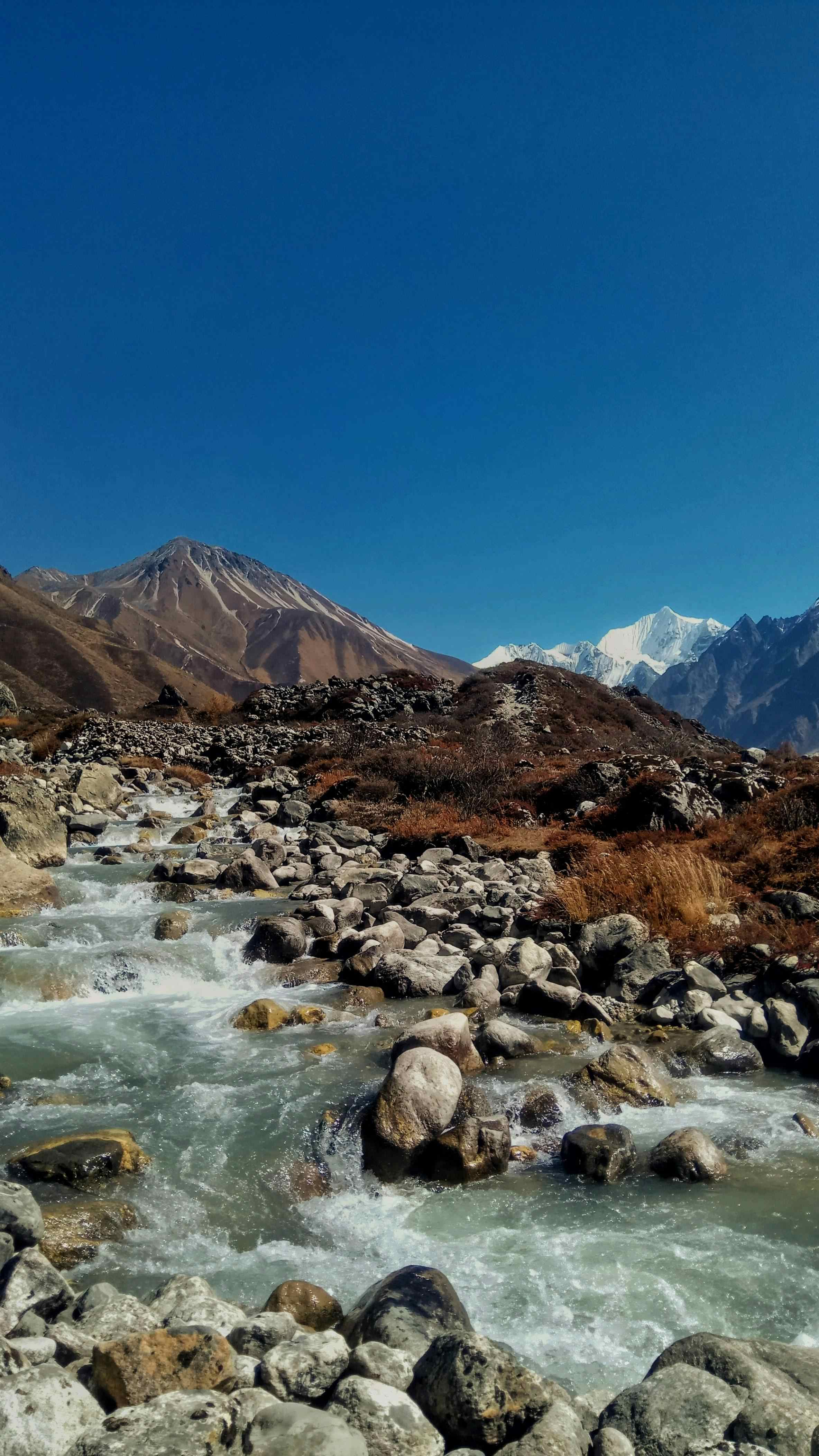
The Langtang Valley Trek doesn’t try to overwhelm you with extremes. It doesn’t rely on fame or altitude records. Instead, it slowly builds its impact day by day.
At first, it feels like a simple walk through forests and villages. Then the mountains start to rise closer. The valley opens. The silence deepens. And somewhere around Kyanjin Gompa, the whole experience changes its character.
It becomes less about reaching a destination and more about being in a place that still feels connected to nature and culture in a very real way.
Langtang stays with most trekkers not because it is the hardest or the most famous, but because it feels honest. And in the Himalayas, that is often what people remember the most.
If you enjoy mountain landscapes and alpine beauty, the Valley of Flowers Trek in India is another remarkable adventure that deserves a place on your trekking bucket list.
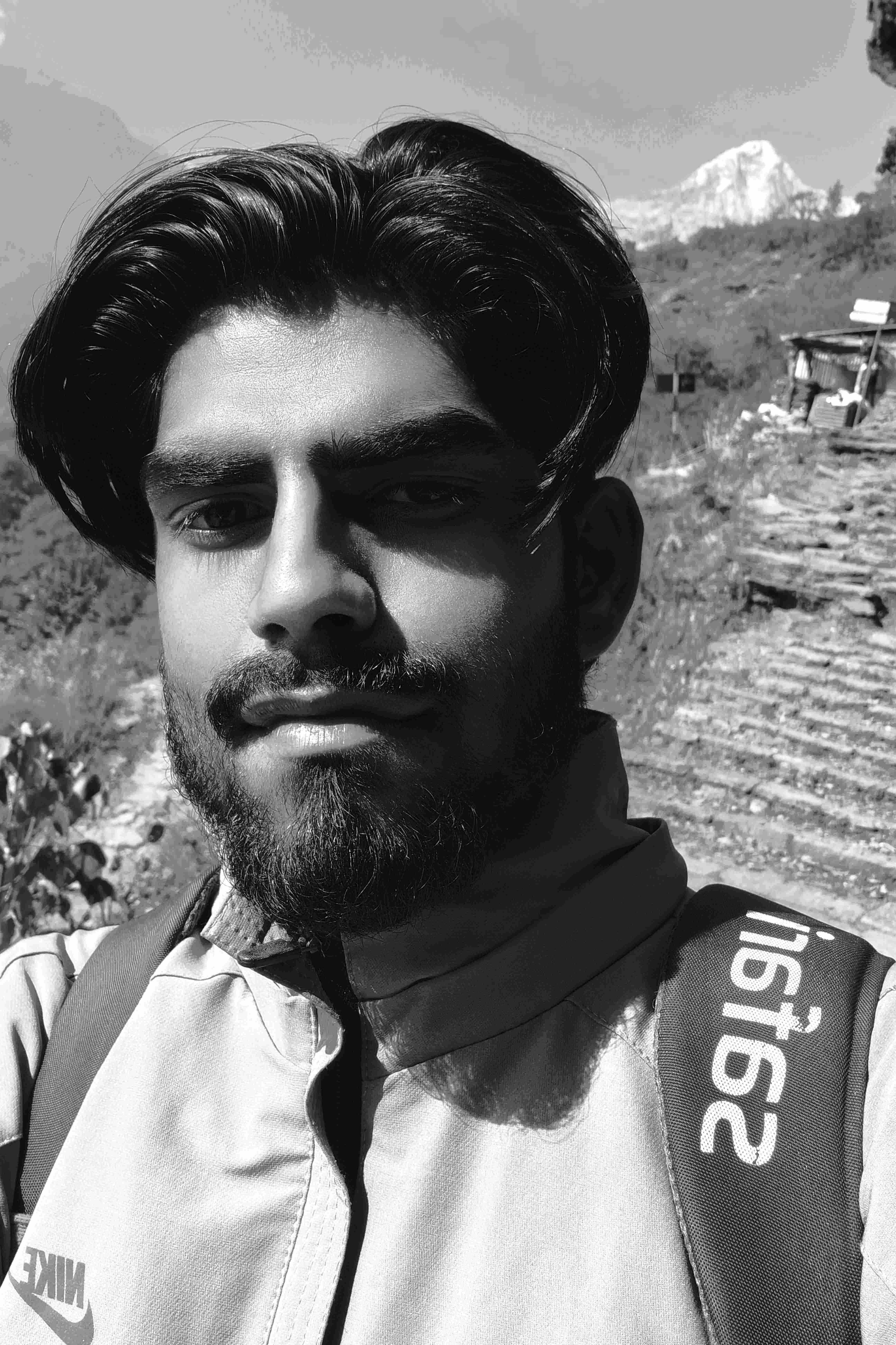
ABOUT AUTHOR
Afjal Khan
Afjal Khan is the founder of Epic Himalayan Trails and a passionate Himalayan trekker. He shares trekking guides, route information, itineraries, and practical travel tips to help trekkers plan better journeys across Nepal and the Indian Himalayas. Through Epic Himalayan Trails, his goal is to make trekking information simple, reliable, and useful for both beginners and experienced trekkers.