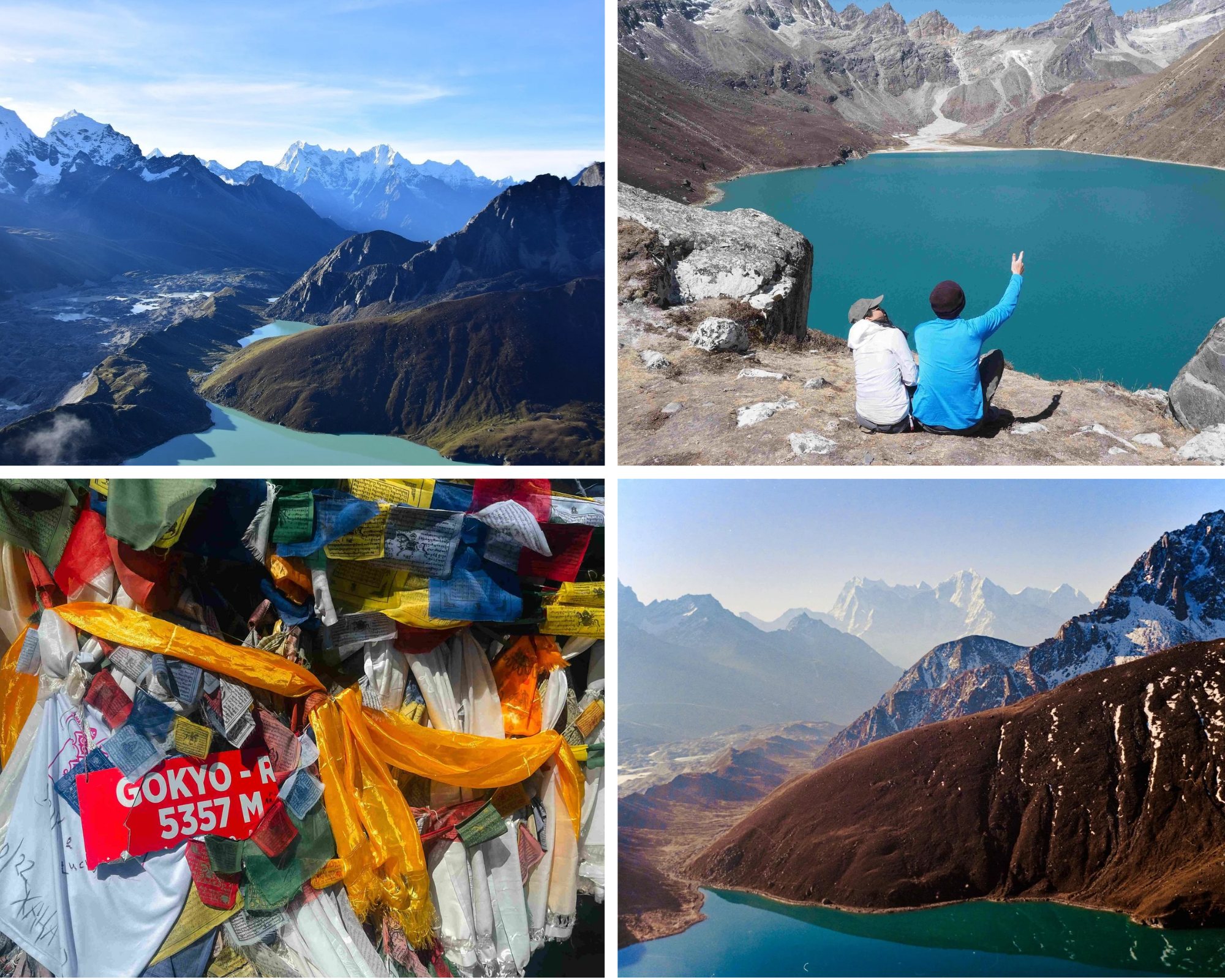
There are Himalayan treks that impress you with their height, and then there are treks that stay with you because of how they make you feel. The Gokyo Lakes Trek in Nepal belongs to the second category.
Unlike the busy trail leading to Everest Base Camp, the route to Gokyo offers something many trekkers quietly search for—peace. As you leave the crowded paths behind, the landscape changes dramatically. Ancient Sherpa villages become smaller, the valleys grow wider, and turquoise glacial lakes begin to appear beneath some of the tallest mountains on Earth.
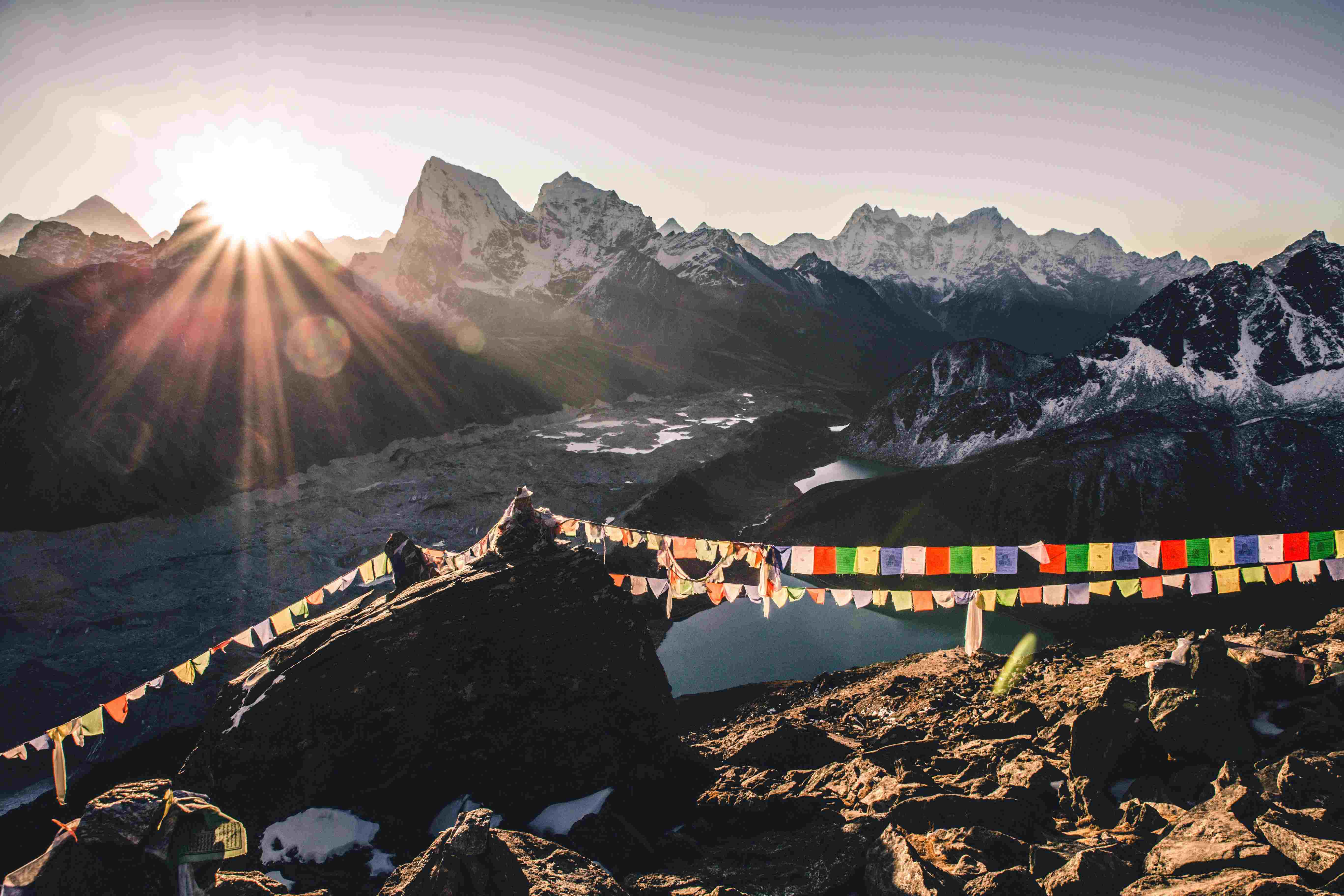
The highlight of the journey is not just reaching Gokyo Village or standing beside the famous lakes. It is waking up before sunrise, climbing Gokyo Ri in the cold mountain air, and watching the first golden light touch Mount Everest, Lhotse, Makalu, and Cho Oyu. Moments like these remind you why the Himalayas continue to attract adventurers from around the world.
Whether you are planning your first high-altitude trek or looking for an alternative to the Everest Base Camp route, the Gokyo Lakes Trek offers breathtaking scenery, rich Sherpa culture, and an unforgettable Himalayan experience.
In this complete guide, you’ll learn everything you need to know—from the best time to visit and trek difficulty to the day-by-day itinerary, permits, packing tips, accommodation, food, and budget.
Why Choose the Gokyo Lakes Trek?
The Everest region has several world-famous trekking routes, but Gokyo remains one of its best-kept secrets.
Instead of following the busiest trail, you’ll explore a quieter valley filled with crystal-clear glacial lakes, massive glaciers, and panoramic mountain viewpoints. The scenery constantly changes, making every day feel different from the last.
One of the biggest highlights is walking alongside the Ngozumpa Glacier, the longest glacier in the Himalayas. Standing next to this enormous river of ice gives you a real sense of how powerful nature can be.
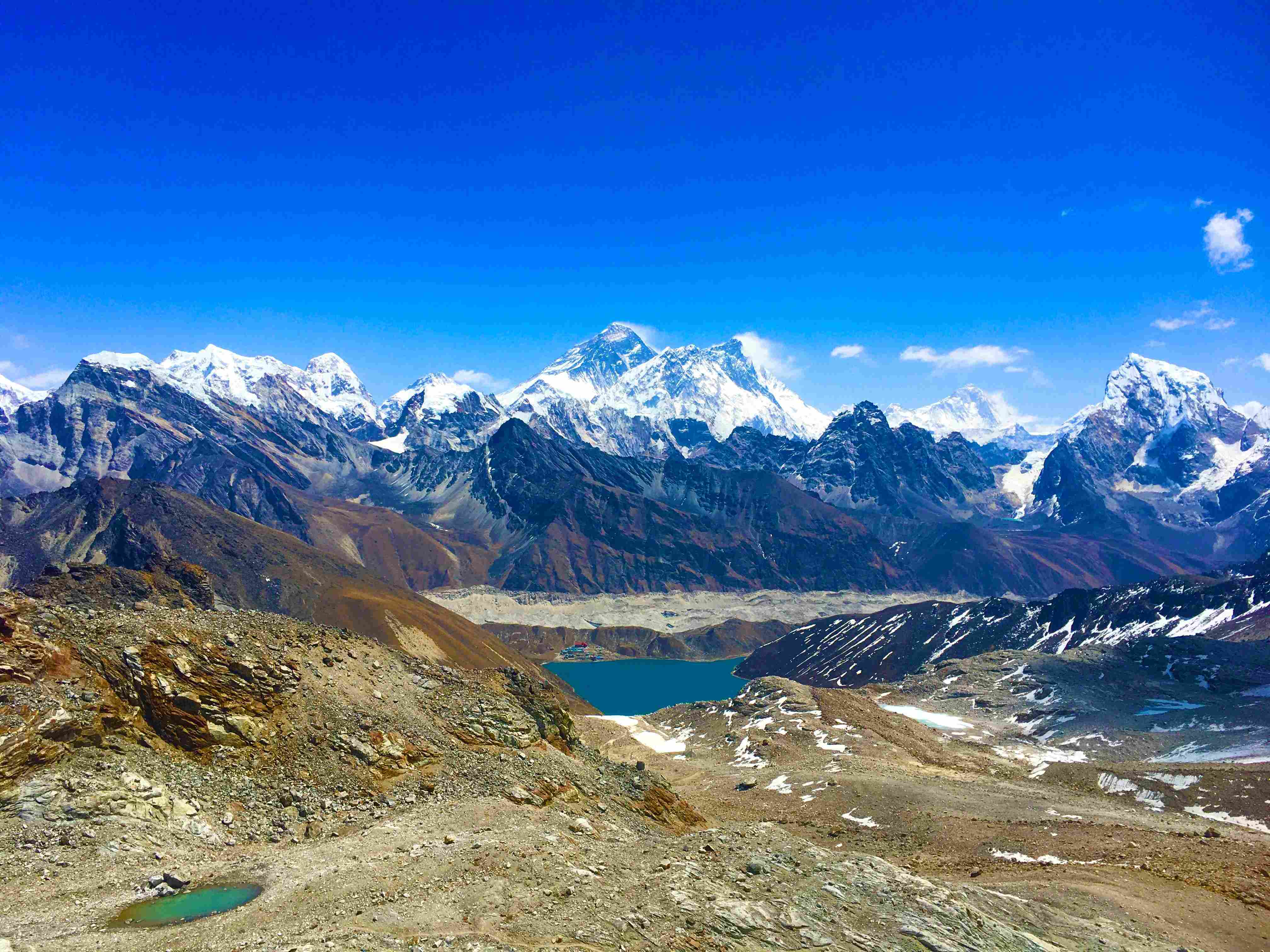
Another unforgettable experience is climbing Gokyo Ri. Many experienced trekkers believe the view from its summit is even better than the one from Kala Patthar because you can see four of the world’s highest mountains in one breathtaking panorama.
The trek also provides an opportunity to experience authentic Sherpa hospitality. Small mountain villages, traditional stone houses, colorful monasteries, and welcoming tea houses create memories that go far beyond beautiful photographs.
If you’re looking for fewer crowds, spectacular scenery, and a genuine Himalayan adventure, the Gokyo Lakes Trek is one of the finest choices in Nepal.
If you’re planning more than one trek in Nepal, the Annapurna Circuit Trek deserves a place on your list. While Gokyo Lakes is known for its peaceful glacial lakes and Everest views, Annapurna Circuit offers incredible variety with lush forests, high mountain passes, traditional villages, and changing landscapes almost every day. Many trekkers return to Nepal just to experience both routes.
Quick Facts About the Gokyo Lakes Trek
| Trek Detail | Information |
|---|---|
| Country | Nepal |
| Region | Everest (Khumbu) Region |
| National Park | Sagarmatha National Park |
| Duration | 14–16 Days |
| Highest Elevation | Gokyo Ri (5,357 m) |
| Trek Difficulty | Moderate to Challenging |
| Accommodation | Mountain Tea Houses |
| Best Seasons | Spring (March–May) & Autumn (September–November) |
| Starting Point | Lukla |
| Ending Point | Lukla |
Where Is the Gokyo Lakes Trek?
The Gokyo Lakes Trek is located inside Nepal’s famous Khumbu region, home to Mount Everest and the UNESCO-listed Sagarmatha National Park.
The trail begins with a scenic flight from Kathmandu (or Ramechhap during busy seasons) to Lukla, often considered one of the world’s most exciting mountain airports.
From Lukla, the route passes through beautiful Sherpa villages such as Phakding, Namche Bazaar, Dole, and Machhermo before finally reaching the stunning Gokyo Valley.
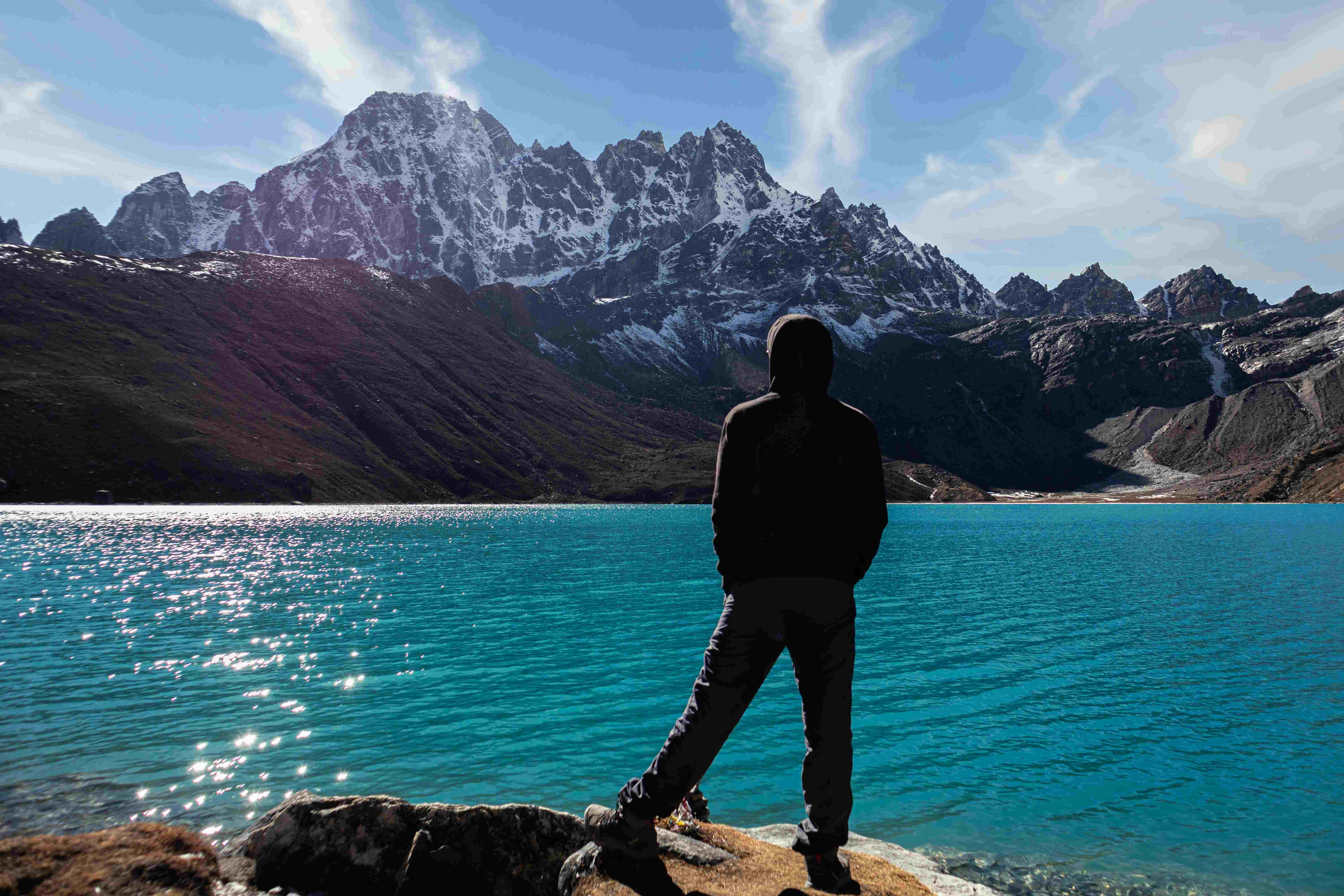
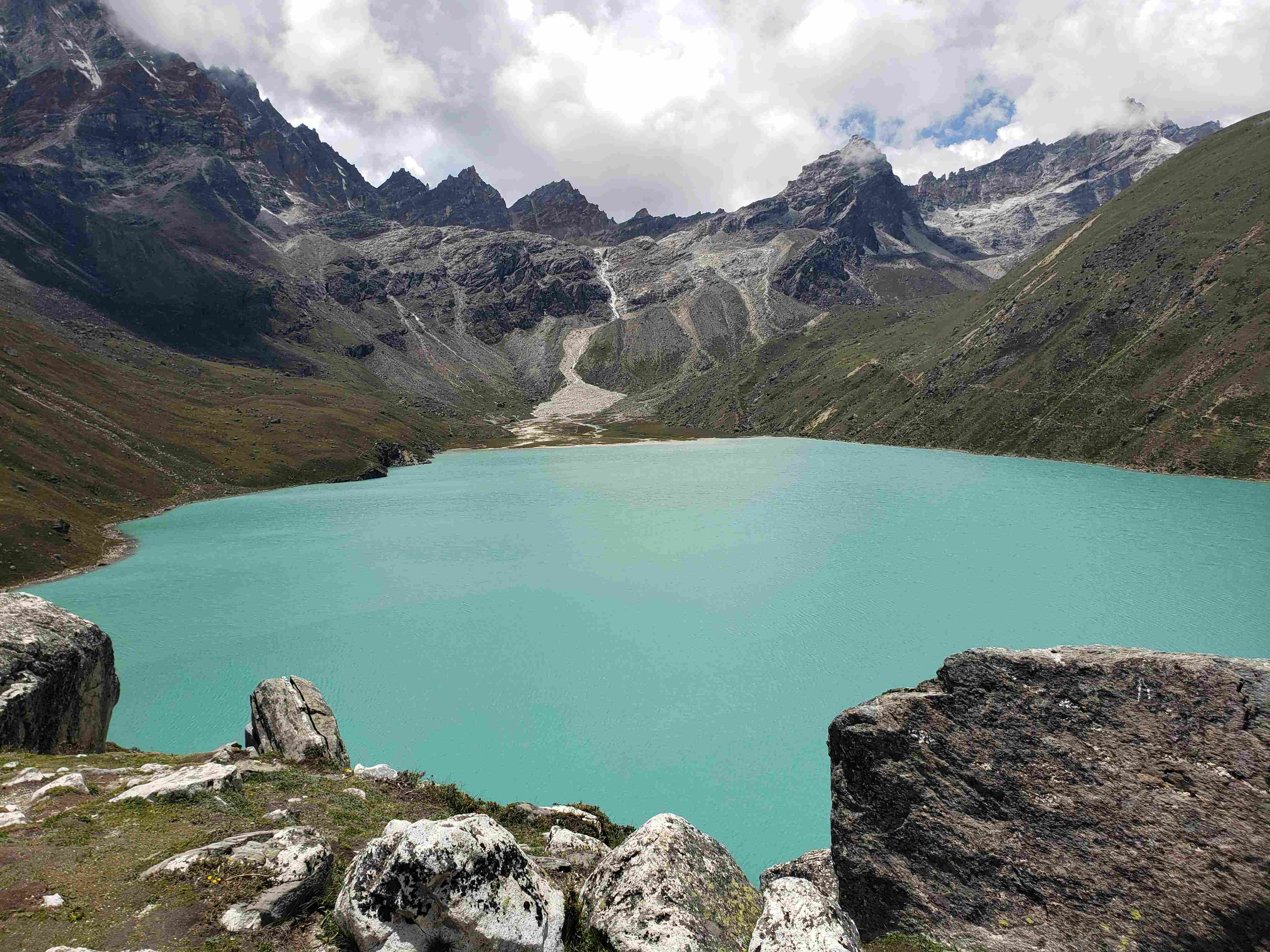
The valley is home to six glacial lakes formed by melting Himalayan ice. Their brilliant blue-green water contrasts beautifully with the surrounding snow-covered peaks, creating one of the most photogenic landscapes in Nepal.
Best Time to Visit the Gokyo Lakes Trek
Choosing the right season can make a huge difference in your trekking experience.
Spring (March to May)
Spring is one of the most popular times to visit Gokyo. Rhododendron forests bloom with vibrant colors, temperatures remain comfortable during the day, and mountain views are generally excellent.
Average daytime temperatures range between 8°C and 15°C at lower elevations, while nights remain below freezing at higher camps.
This season is ideal for first-time trekkers who want stable weather and beautiful landscapes.
Autumn (September to November)
Autumn is widely considered the best season for the Gokyo Lakes Trek.
After the monsoon rains, the skies become incredibly clear, offering some of the best mountain views of the year. Weather conditions are stable, rainfall is minimal, and visibility often stretches for miles.
If photography is one of your priorities, autumn is hard to beat.
Winter (December to February)
Winter transforms the Khumbu into a peaceful snow-covered wonderland.
The trails become much quieter, but temperatures can drop well below freezing, especially during the night. Heavy snowfall may occasionally block higher sections of the trail.
Experienced trekkers who are prepared for cold weather often enjoy this season because of its solitude and crystal-clear skies.
Monsoon (June to August)
Monsoon is generally the least recommended season.
Frequent rain, slippery trails, cloud-covered mountains, and flight delays can make trekking more challenging. Leeches are also common in the lower forests during this time.
Unless you’re specifically looking for a monsoon adventure, it’s usually better to choose spring or autumn.
If your schedule is limited but you still want breathtaking Himalayan views, the Mardi Himal Trek is another fantastic choice. It’s shorter than the Gokyo Lakes Trek yet rewards hikers with close-up views of Machhapuchhre and the Annapurna range, making it perfect for first-time visitors to Nepal.
Travelers visiting the Himalayas during the monsoon season often consider the Valley of Flowers alongside Nepal’s famous trekking routes. While Gokyo Lakes is best known for turquoise glacial lakes and Everest panoramas, Valley of Flowers offers colorful alpine blooms and a completely different Himalayan experience.
Is the Gokyo Lakes Trek Difficult?
The Gokyo Lakes Trek is considered a moderate to challenging trek. While it doesn’t require technical climbing skills, the high altitude makes it physically demanding.
Expect to walk between four and seven hours each day over rocky mountain trails, suspension bridges, steep ascents, and long descents.
The biggest challenge isn’t the distance—it’s the altitude.
As you climb above 4,000 meters, the air becomes thinner, making even short uphill sections feel much harder than they would at lower elevations.
Preparing with regular walking, stair climbing, light strength training, and cardio exercises several weeks before your trip can make a noticeable difference.
More importantly, never rush your ascent. Walking slowly, staying hydrated, eating well, and following proper acclimatization days are the best ways to enjoy the trek safely.
Not every Himalayan trek requires reaching extreme altitude. If you’re looking for a shorter journey with beautiful mountain scenery and rich local culture, the Langtang Valley Trek is an excellent alternative. It’s often recommended for trekkers who want an unforgettable Himalayan experience in fewer days.
Complete 16-Day Gokyo Lakes Trek Itinerary
Day 1: Arrival in Kathmandu (1,400 m)
Kathmandu feels chaotic at first—traffic, colors, noise everywhere—but for trekkers it’s the last stop before silence. This is the day for permits, gear checks, and final preparation. Most people end up in Thamel, where every corner has trekking shops and cafés filled with backpackers planning their routes.
Day 2: Flight to Lukla (2,860 m) and Trek to Phakding (2,610 m)
The flight to Lukla is short but unforgettable. As the plane flies between mountain walls, you realize how small everything below looks.
From Lukla, the trail starts gently. Stone paths, suspension bridges, and the sound of the Dudh Koshi River make the walk feel calm rather than difficult.
By the time you reach Phakding, the city already feels far away.
Day 3: Phakding to Namche Bazaar (3,440 m)
This is the first real test of endurance.
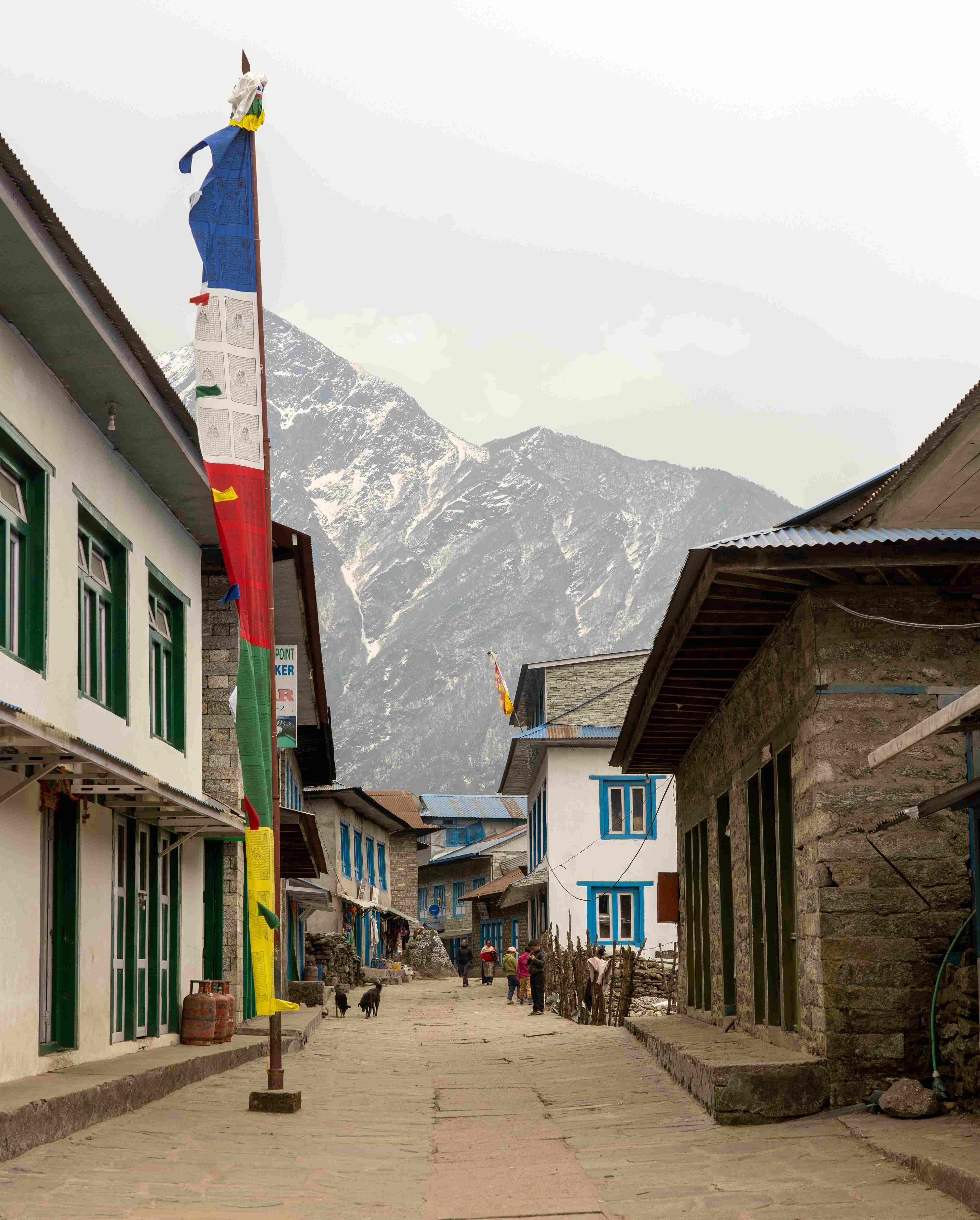
The trail keeps crossing long suspension bridges, each decorated with prayer flags that move with the wind. The final climb toward Namche is steep, and many trekkers slow down here—not because of distance, but because of altitude.
When Namche finally appears in a bowl-shaped valley, it feels like entering a hidden mountain town.
Day 4: Acclimatization in Namche Bazaar
Namche is where the body starts learning how altitude works.
Most trekkers take a short hike to Everest View Hotel or nearby ridges. On clear days, Everest appears in the distance for the first time—small, but unmistakable.
The rest of the day usually passes slowly: coffee shops, bakeries, and conversations with other trekkers.
Day 5: Namche Bazaar to Dole (4,200 m)
This is where the trail changes.
The crowd disappears. The Everest Base Camp route splits away, and suddenly everything becomes quieter. Rhododendron forests and open hills replace busy trails.
You start feeling that you are entering a different valley altogether.
Day 6: Dole to Machhermo (4,470 m)
The trees begin to fade now.
The air feels thinner, steps slower. The landscape opens into rocky terrain where yaks graze quietly in the distance. Machhermo is small, almost minimal—but surrounded by massive peaks that make it feel much bigger than it is.
Day 7: Machhermo to Gokyo Village (4,790 m)
This is one of the most beautiful days of the entire trek.
The trail runs alongside the Ngozumpa Glacier, a massive river of ice stretching far beyond sight. Slowly, turquoise lakes start appearing—calm, reflective, almost unreal.
Gokyo village arrives quietly. No grand entry—just lakes, mountains, and silence.
Day 8: Sunrise Hike to Gokyo Ri (5,357 m)
You start before sunrise, in cold darkness.
The climb is steep and slow, but there is no need to rush. Every step brings a wider horizon.
From the top, everything opens at once—Everest, Lhotse, Makalu, Cho Oyu, glaciers, and lakes all in one frame.
It doesn’t feel like a viewpoint. It feels like standing above the world.
Day 9: Explore Fifth Gokyo Lake
A quieter day, but a special one.
The walk toward the Fifth Lake takes you further away from settlements. The trail becomes raw and open. Few trekkers come this far, which makes the silence even stronger.
The lake itself feels untouched, like something hidden in plain sight.
Day 10: Gokyo to Dole (Descent)
Going down feels easier on the lungs, but harder on the knees.
The same landscapes now feel different—what looked distant before now feels familiar. You realize how much ground you covered without even noticing.
Day 11: Dole to Namche Bazaar
Returning to Namche feels like coming back to civilization after silence.
The cafés, shops, and people suddenly feel lively again. Most trekkers celebrate this night with proper meals and slow conversations.
Day 12: Rest / Exploration in Namche
This day is flexible.
Some rest, some explore nearby viewpoints. Weather delays also happen often in this region, so this buffer day is practical.
Day 13: Namche to Phakding
The trail feels easier now as oxygen increases.
Forests return, rivers feel louder, and villages feel more frequent. It is a long but comfortable walking day.
Day 14: Phakding to Lukla
The final trekking day.
There is a quiet satisfaction in this walk. No rush, just completion. Lukla feels familiar now, almost like a checkpoint marking the end of something big.
Day 15: Flight to Kathmandu
The mountains slowly disappear as the plane drops back into Kathmandu Valley.
The contrast is sudden—silence of Himalayas replaced by city movement again.
Day 16: Departure
The trek ends, but it doesn’t really feel like an ending.
Most trekkers leave with something harder to define than photos—something internal that only mountains can leave behind.
Why Proper Acclimatization Matters
Altitude is the biggest challenge on the Gokyo Lakes Trek.
Above 3,000 meters, the amount of oxygen in the air begins to decrease significantly. Even experienced hikers can experience symptoms if they climb too quickly.
Common symptoms include:
– Headache
– Fatigue
– Loss of appetite
– Difficulty sleeping
– Dizziness
– Nausea
Ignoring these warning signs can lead to serious altitude illness.
The safest approach is simple:
– Walk slowly.
– Drink plenty of water.
– Avoid alcohol.
– Eat regular meals.
– Never skip acclimatization days.
– Descend immediately if symptoms become severe.
Remember, reaching the summit is never more important than returning home safely.
Trekking Tips for First-Time Visitors
If this is your first Himalayan trek, don’t worry about walking fast.
Many beginners believe they need to keep up with others, but experienced guides always recommend maintaining your own comfortable pace.
Small, steady steps use less energy and make breathing easier at high altitude.
Carry a reusable water bottle, dress in layers, protect yourself from the strong mountain sun, and always keep a light waterproof jacket within easy reach, as weather conditions in the Himalayas can change quickly.
Most importantly, take time to appreciate the journey rather than focusing only on reaching your destination.
The Gokyo Lakes Trek isn’t simply about standing on a viewpoint—it’s about experiencing one of the most beautiful mountain landscapes on Earth, one step at a time.
Food and Accommodation on the Gokyo Lakes Trek
One of the biggest advantages of trekking in the Everest region is its well-developed network of mountain tea houses. These family-run lodges offer a comfortable place to rest after a long day on the trail and give trekkers a chance to experience the warm hospitality of the Sherpa community.
Rooms are usually simple, with twin beds, blankets, and shared bathrooms. As you climb higher into the mountains, facilities become more basic, but the views outside your window become even more spectacular. Most tea houses have a heated dining room where trekkers gather in the evening to enjoy a warm meal and share stories from the day’s adventure.
The food is simple, fresh, and surprisingly satisfying. Traditional Dal Bhat, served with rice, lentil soup, vegetables, and sometimes curry, is the most popular meal because it provides plenty of energy for long trekking days. Noodles, fried rice, soups, momos, pasta, eggs, pancakes, and porridge are also commonly available. Keep in mind that food prices gradually increase with altitude since all supplies must be carried into the mountains by porters or pack animals.
Permits Required for the Gokyo Lakes Trek
Before beginning your trek, you’ll need the necessary entry permits for the Everest region. Trekkers are generally required to obtain the Sagarmatha National Park Entry Permit along with the Khumbu Pasang Lhamu Rural Municipality Entry Permit.
Permit regulations and fees may change over time, so it’s always a good idea to confirm the latest requirements through your trekking agency or the official Nepal tourism authorities before your trip.
How Much Does the Gokyo Lakes Trek Cost?
The overall cost of the Gokyo Lakes Trek depends on your travel style, the season, and whether you join a guided tour or organize the trip independently.
The biggest expenses usually include domestic flights to Lukla, accommodation in tea houses, meals, permits, and the cost of hiring a guide or porter if you choose to do so. Most trekkers should expect to budget somewhere between $900 and $1,600 USD for a comfortable 14 to 16-day trek, although luxury services or helicopter flights can increase the overall cost.
Planning a realistic budget before your trip helps you avoid unexpected expenses, especially in remote mountain villages where prices are naturally higher.
Essential Packing List
Packing wisely is one of the most important parts of preparing for the Gokyo Lakes Trek. Mountain weather can change quickly, so wearing multiple lightweight layers is much more effective than carrying one heavy jacket.
A good-quality waterproof trekking jacket, insulated down jacket, thermal base layers, fleece, trekking pants, warm gloves, woollen hat, sunglasses, and waterproof trekking boots should all be considered essential. You’ll also need a comfortable backpack, a cold-weather sleeping bag, Knee Support, trekking poles, a reusable water bottle, sunscreen, a headlamp, personal medications, and a reliable power bank to keep your devices charged during the trek.
Rather than packing everything you own, focus on carrying only what you’ll actually use. A lighter backpack makes long days on the trail far more enjoyable.
Internet, Electricity and Charging
Although the Gokyo Valley is remote, basic services are available in most tea houses. Wi-Fi can be found in many villages, though the connection is often slow and may require an additional fee.
Electricity is available along much of the route, but charging phones, cameras, or power banks usually comes at an extra cost as you gain altitude. Mobile network coverage is available in some areas, but the signal becomes less reliable in higher parts of the trek.
Carrying a fully charged power bank is highly recommended, especially if you plan to use your phone for photography or navigation.
Responsible Trekking
The Gokyo Lakes Trek passes through the fragile ecosystem of Sagarmatha National Park, making responsible travel more important than ever.
Simple actions such as carrying a reusable water bottle, avoiding single-use plastics, staying on marked trails, and taking your rubbish back with you can make a meaningful difference. Respecting local customs, supporting family-run tea houses, and being considerate toward fellow trekkers also help preserve the unique culture and natural beauty of the Khumbu region for future generations.
Love alpine lakes? Then you may also enjoy the Kashmir Great Lakes Trek in India. While Gokyo Lakes sits high in the Everest region of Nepal, Kashmir Great Lakes offers green meadows, crystal-clear lakes, and dramatic mountain scenery. Comparing both treks can help you choose the adventure that matches your travel style.
Frequently Asked Questions (FAQs)
1. How difficult is the Gokyo Lakes Trek?
The Gokyo Lakes Trek is considered moderately challenging. While it doesn’t involve technical climbing, the high altitude and long walking days require good fitness and proper acclimatization.
2. What is the best time to do the Gokyo Lakes Trek?
Spring (March to May) and autumn (September to November) are the best seasons because of stable weather, comfortable temperatures, and clear mountain views.
3. How many days does the Gokyo Lakes Trek take?
Most itineraries take between 14 and 16 days, depending on your pace, acclimatization schedule, and travel plans.
4. What is the highest point of the trek?
The highest point is Gokyo Ri, which stands at 5,357 meters (17,575 feet) above sea level.
5. Is the Gokyo Lakes Trek suitable for beginners?
Yes. Beginners with good physical fitness and enough preparation can successfully complete the trek by following a gradual itinerary.
6. Can I do the Gokyo Lakes Trek without a guide?
Trekking regulations may change, so always check the latest official rules before your trip. Even where independent trekking is allowed, hiring a licensed guide is recommended for safety and local knowledge.
7. Which is better: Gokyo Lakes Trek or Everest Base Camp Trek?
If you prefer quieter trails and beautiful glacial lakes, Gokyo is an excellent choice. If reaching the famous Everest Base Camp is your main goal, the classic EBC trek may suit you better.
8. What permits are required for the Gokyo Lakes Trek?
Trekkers generally need the Sagarmatha National Park Entry Permit and the Khumbu Pasang Lhamu Rural Municipality Entry Permit.
9. How much does the Gokyo Lakes Trek cost?
A typical 14 to 16-day trek usually costs between $900 and $1,600 USD, depending on your travel style, guide services, accommodation, and season.
10. Is altitude sickness common on the Gokyo Lakes Trek?
Yes. Since the trek reaches over 5,300 meters, some trekkers may experience altitude sickness. Proper acclimatization and a slow pace greatly reduce the risk.
11. What kind of accommodation is available?
Most trekkers stay in traditional tea houses that provide simple rooms, warm meals, and basic facilities throughout the route.
12. Is Wi-Fi available during the trek?
Wi-Fi is available in many tea houses, but the connection is usually slow and may require an additional fee, especially at higher elevations.
13. What should I pack for the Gokyo Lakes Trek?
Essential items include waterproof trekking boots, warm clothing, a down jacket, sleeping bag, sunglasses, sunscreen, trekking poles, and a reusable water bottle.
14. Can I combine the Gokyo Lakes Trek with the Everest Base Camp Trek?
Yes. Many trekkers combine both routes by crossing the challenging Cho La Pass, creating one of the most rewarding trekking circuits in the Everest region.
15. Why should I choose the Gokyo Lakes Trek?
The Gokyo Lakes Trek offers breathtaking glacial lakes, spectacular Himalayan views, fewer crowds, authentic Sherpa culture, and one of the best viewpoints in Nepal from Gokyo Ri.
Final Thoughts
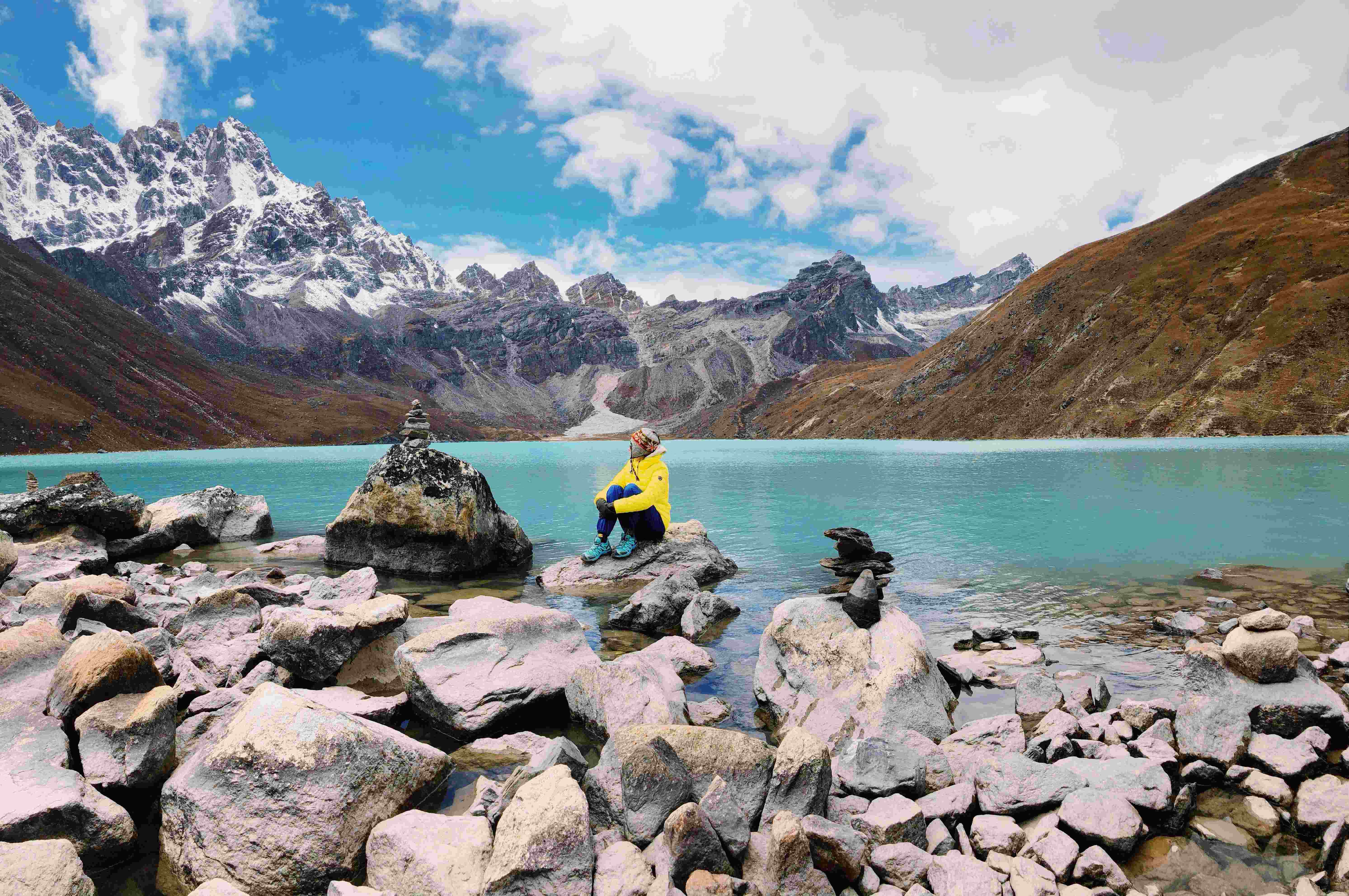
The Gokyo Lakes Trek in Nepal is much more than a journey through the Himalayas—it’s an experience that stays with you long after you’ve returned home. From peaceful Sherpa villages and turquoise glacial lakes to the unforgettable sunrise from Gokyo Ri, every stage of the trek offers something unique.
If you’re looking for a Himalayan adventure that combines breathtaking scenery, rich local culture, and fewer crowds than the traditional Everest Base Camp route, the Gokyo Lakes Trek deserves a place at the top of your bucket list.
Take your time, respect the mountains, travel responsibly, and enjoy every step of the journey. The Himalayas have a remarkable way of rewarding those who explore them with patience and an open mind.
ABOUT AUTHOR
Afjal Khan
Afjal Khan is the founder of Epic Himalayan Trails and a passionate Himalayan trekker. He shares trekking guides, route information, itineraries, and practical travel tips to help trekkers plan better journeys across Nepal and the Indian Himalayas. Through Epic Himalayan Trails, his goal is to make trekking information simple, reliable, and useful for both beginners and experienced trekkers.