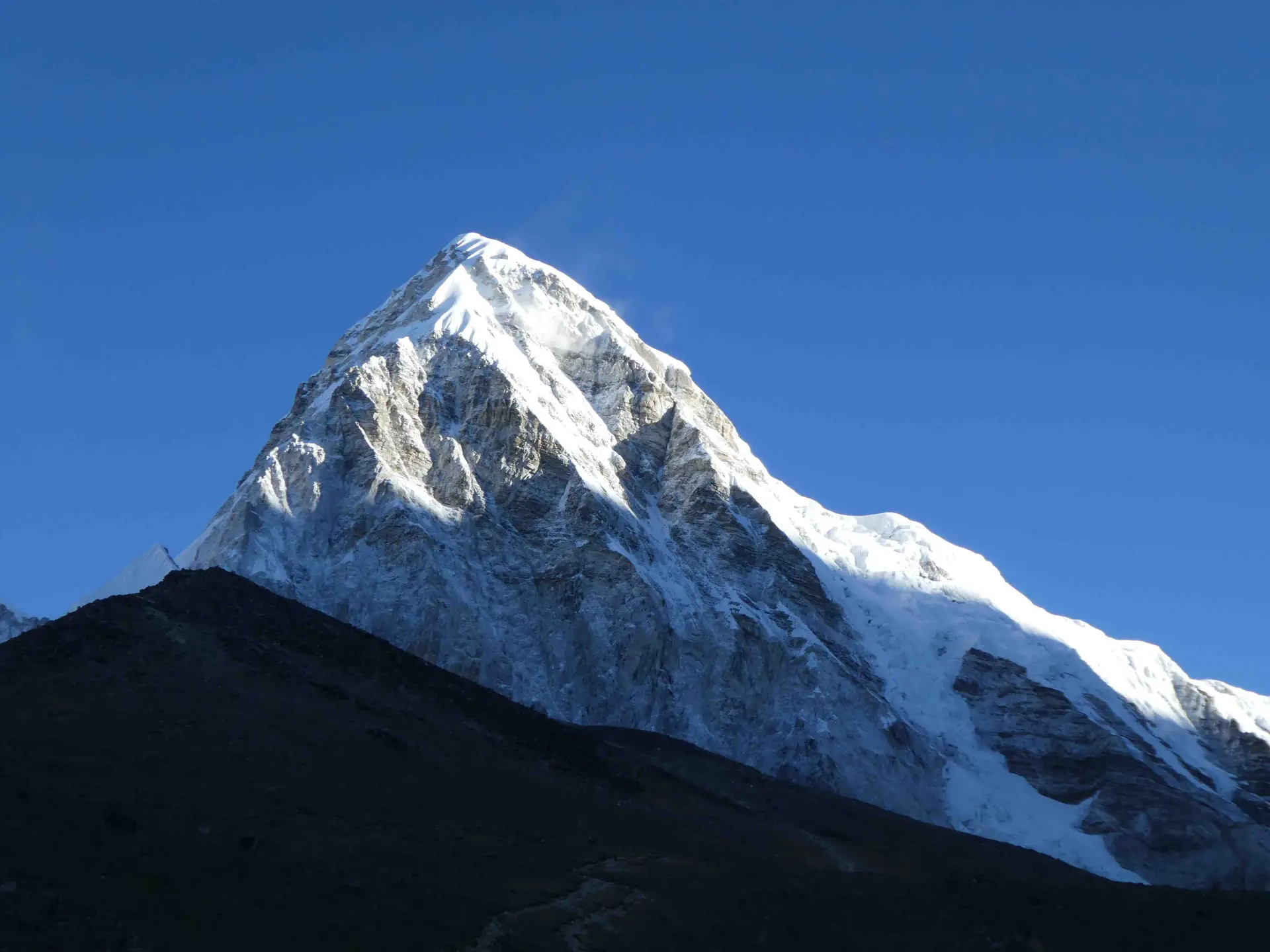
The Everest Base Camp Trek is considered one of the most iconic and dream trekking adventures in the world. Every year, thousands of trekkers travel to Nepal with one goal — to witness Mount Everest, the highest mountain on Earth, from up close.
This trek is not just about reaching a destination. It is a complete Himalayan experience filled with breathtaking mountain landscapes, Sherpa culture, suspension bridges, glaciers, monasteries, and unforgettable high-altitude adventures.
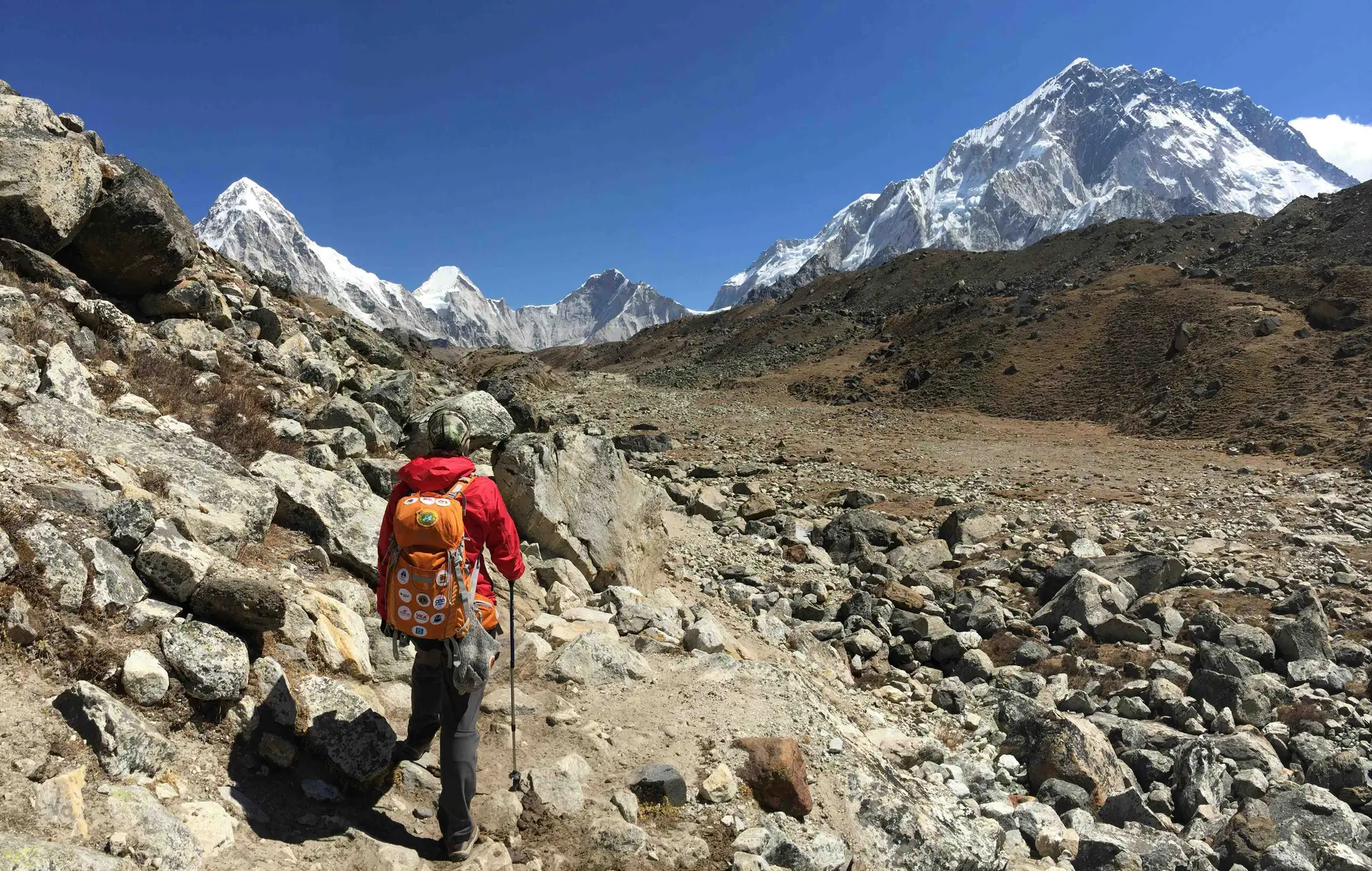
If you are planning the Everest Base Camp Trek in 2026, this detailed guide covers everything you need to know, including the route, itinerary, cost, permits, best time to visit, fitness preparation, packing list, accommodation, food, altitude sickness tips, and important trekking advice.
If you are looking for another breathtaking Himalayan trek, you can also read our complete Annapurna Base Camp Trek Guide 2026.
What is the Everest Base Camp Trek?
The Everest Base Camp Trek is a famous high-altitude trekking route located in the Khumbu Region of Nepal. During this trek, trekkers reach Everest Base Camp at an altitude of 5,364 metres (17,598 ft).
This is the same base camp used by climbers preparing for Mount Everest expeditions.
The trek is one of the most popular Himalayan adventures because it offers close views of some of the world’s highest mountains, including :
• Mount Everest
• Lhotse
• Nuptse
• Ama Dablam
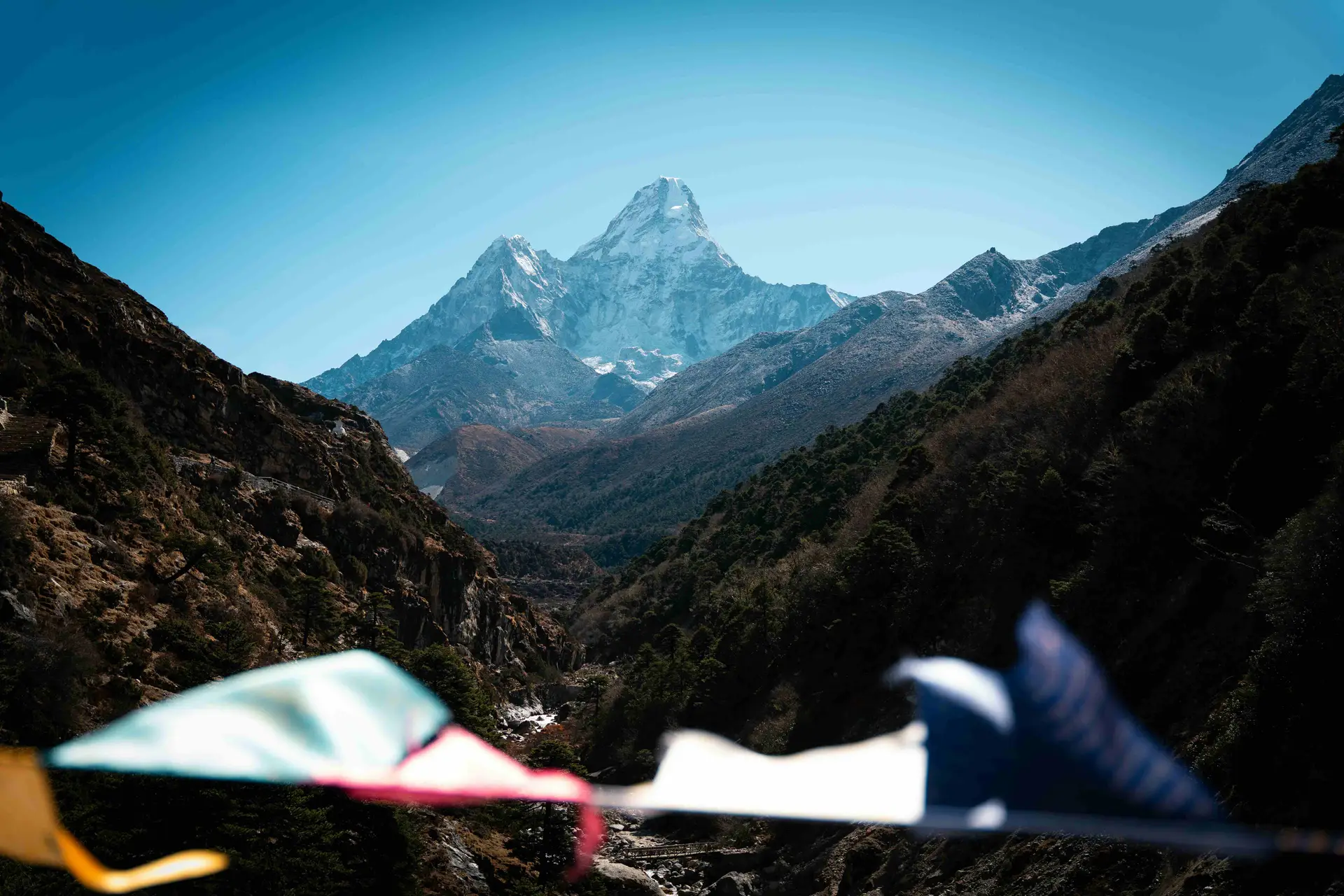
• Pumori
• Thamserku
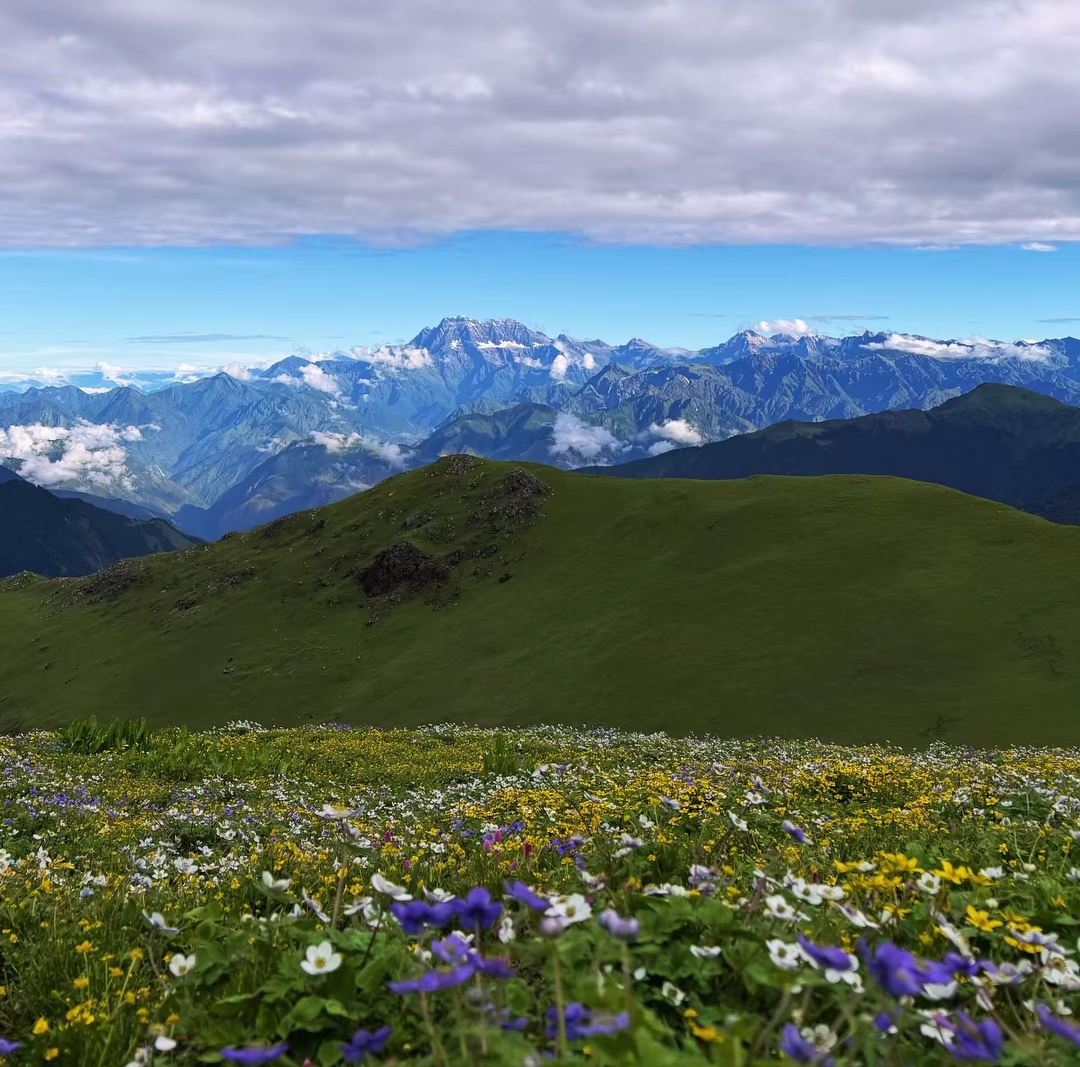
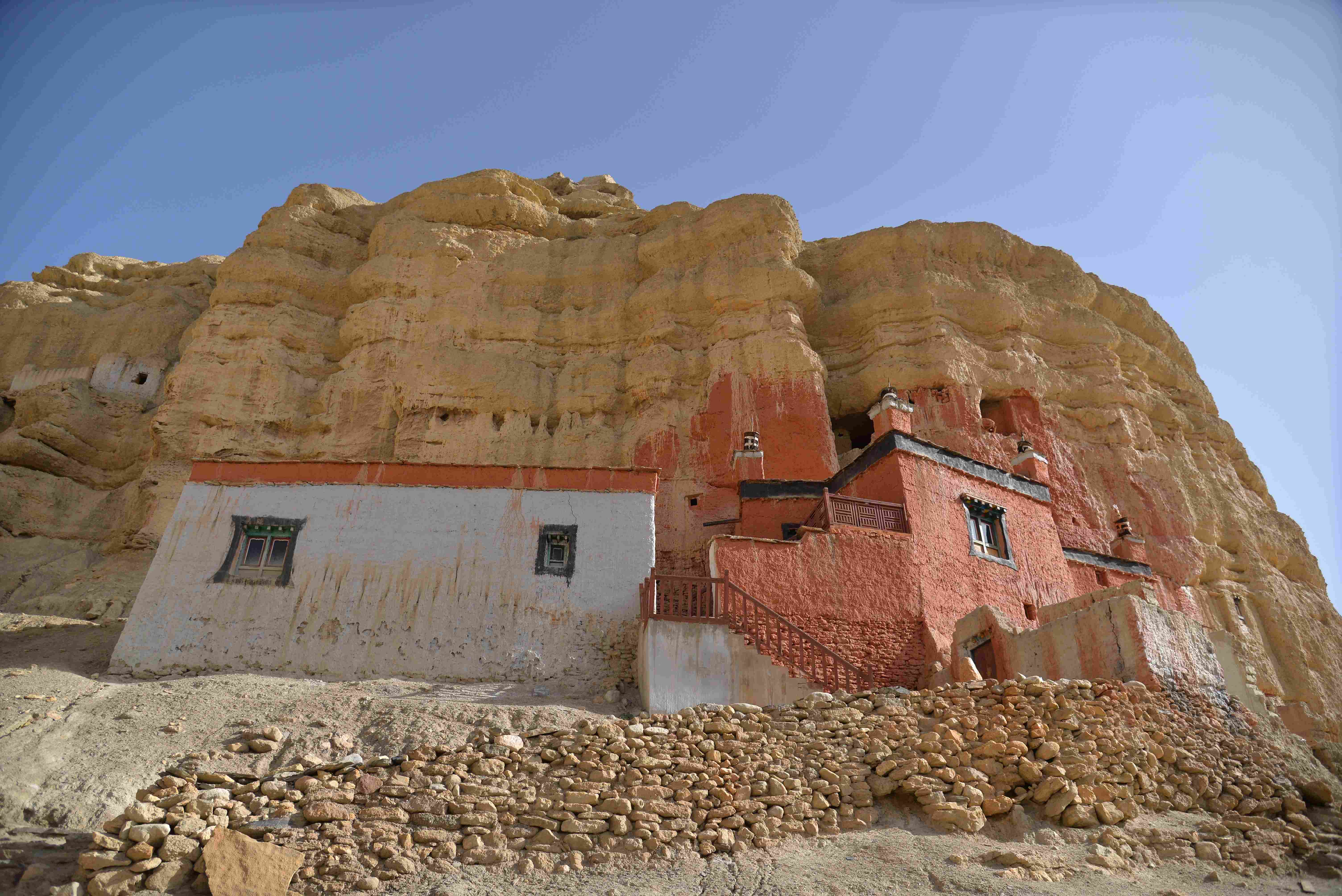
Along the trail, trekkers also experience traditional Sherpa villages, Buddhist monasteries, prayer flags, glaciers, yak caravans, and dramatic Himalayan scenery.
Everest Base Camp Trek Quick Information
| Category | Details |
|---|---|
| ⛺ Trek Name | Everest Base Camp Trek |
| 🌍 Country | Nepal |
| 📍 Region | Khumbu Region |
| ⏳ Duration | 12–14 Days |
| ⛰️ Maximum Altitude | 5,364 m |
| 📸 Kala Patthar Height | 5,545 m |
| 🥾 Trek Distance | Approx 130 km |
| 🔥 Difficulty Level | Moderate to Challenging |
| 🌸 Best Season | Spring & Autumn |
| 🚶 Starting Point | Lukla |
| 🏁 Ending Point | Lukla |
| 🏠 Accommodation | Tea Houses & Lodges |
| ✈️ Airport | Kathmandu International Airport |
| 📶 Network | Limited |
| 🏧 ATM Availability | Namche Bazaar |
| 🧭 Guide Required | Recommended |
Why Is the Everest Base Camp Trek So Famous?
The Everest Base Camp Trek is considered one of the greatest trekking experiences in the world because it takes trekkers close to Mount Everest itself.
For many people, completing this trek is a lifetime dream.
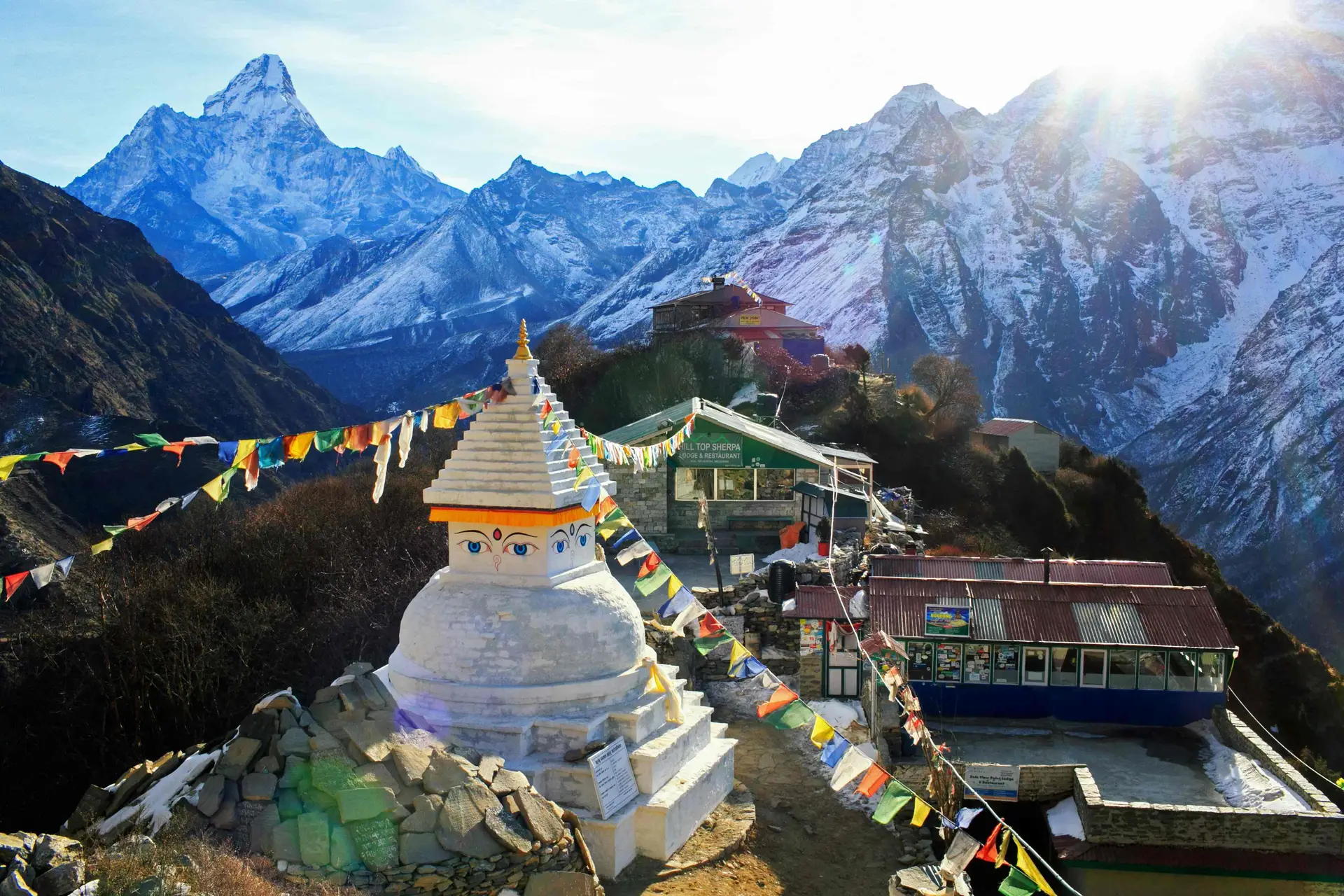
The route offers a unique combination of adventure, Himalayan culture, mountain scenery, and personal achievement.
Everest Base Camp Trek Highlights
-
Close views of Mount Everest
-
Thrilling Lukla flight experience
-
Beautiful Sherpa villages
-
Namche Bazaar market
-
Tengboche Monastery
-
Khumbu Glacier views
-
Kala Patthar sunrise
-
Suspension bridges and prayer flags
-
Traditional Himalayan culture
-
Stunning mountain landscapes
As the trek progresses beyond Namche Bazaar, the scenery becomes even more dramatic and unforgettable.
Everest Base Camp Trek Route
The journey begins in Kathmandu, the capital city of Nepal.
From Kathmandu, trekkers take a short mountain flight to Lukla, home to one of the world’s most famous mountain airports.
The actual trekking journey starts from Lukla.
Everest Base Camp Trek Altitude Chart
- Kathmandu
- 1,400m
- Lukla
- 2,860m
- Namche Bazaar
- 3,440m
- Tengboche
- 3,860m
- Dingboche
- 4,410m
- Lobuche
- 4,940m
- Gorakshep
- 5,164m
- Everest Base Camp
- 5,364m
- Kala Patthar
- 5,545m
Everest Base Camp Trek Itinerary
Day 1: Kathmandu to Lukla and Trek to Phakding
• Lukla Altitude: 2,860m
• Phakding Altitude: 2,610m
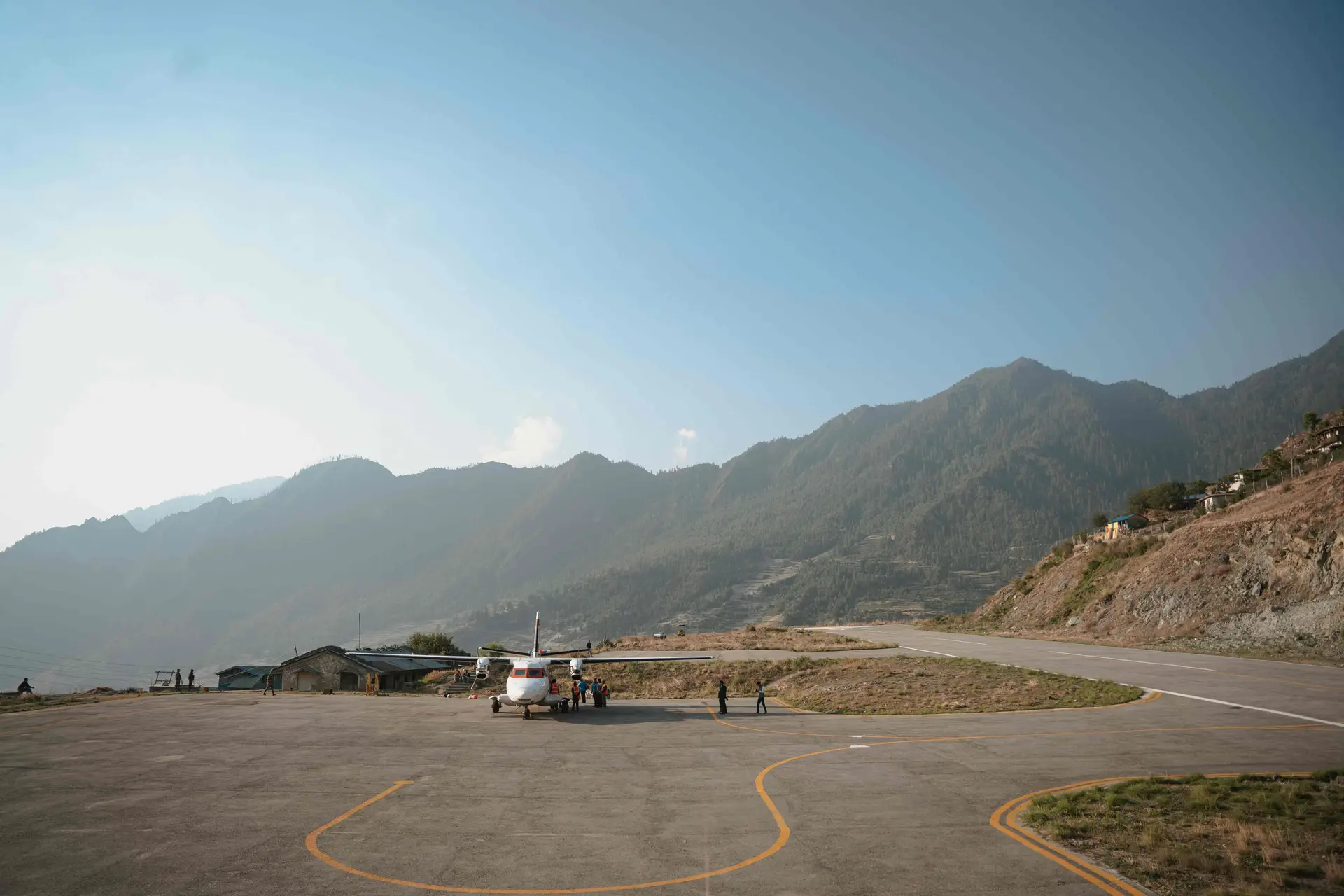
The adventure begins with an exciting flight from Kathmandu to Lukla. After landing, the trek starts toward Phakding.
The first day is relatively easy and passes through small villages, suspension bridges, and beautiful views of the Dudh Koshi River.
Day 2: Phakding to Namche Bazaar
• Namche Bazaar Altitude: 3,440m
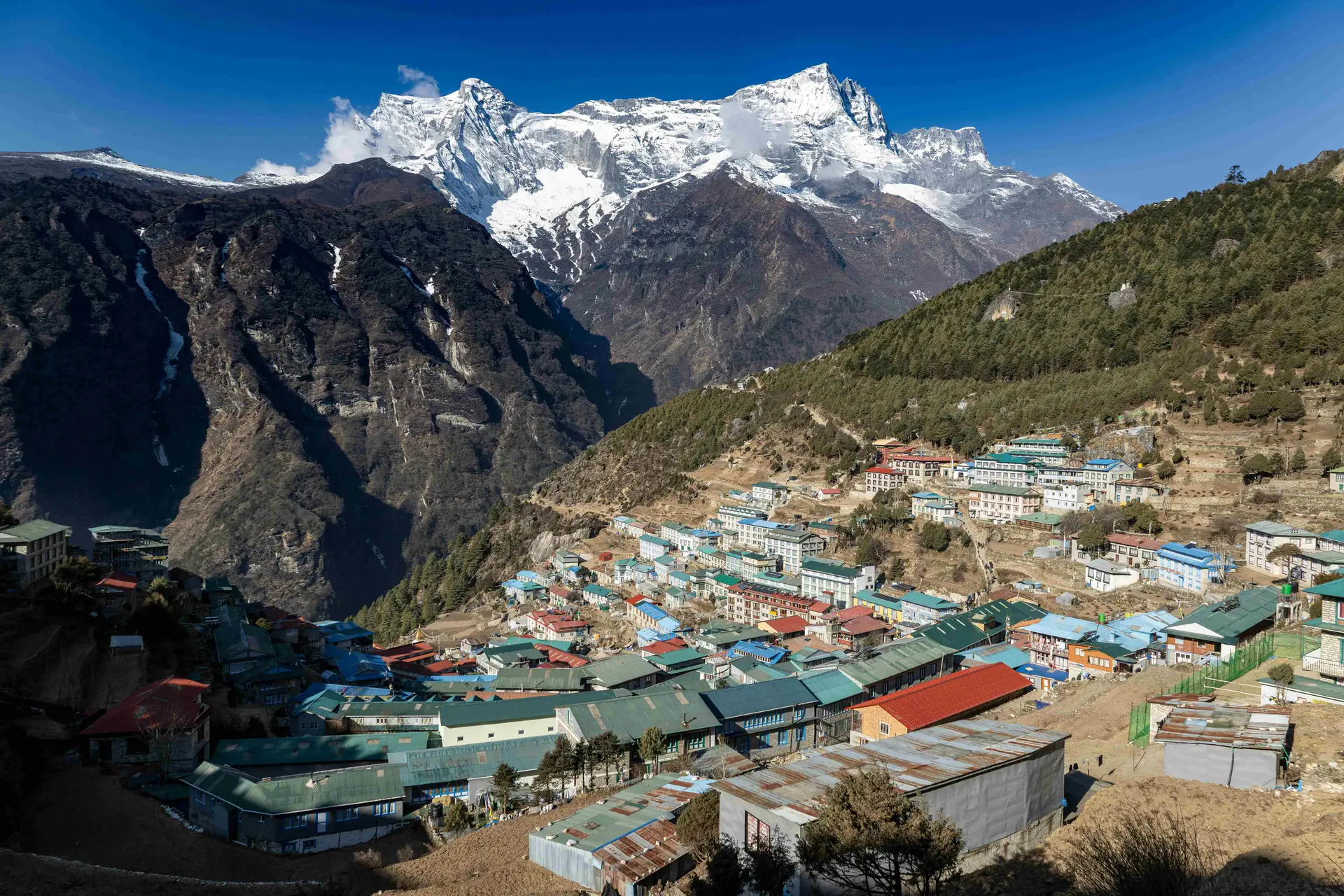
This is one of the first challenging trekking days due to the long uphill climb.
Namche Bazaar is the main Sherpa town in the Everest region and offers cafes, bakeries, trekking shops, hotels, and internet facilities.
Day 3: Acclimatisation Day in Namche Bazaar
Acclimatisation is extremely important during high-altitude trekking.
Trekkers usually take short hikes around Namche to help the body adjust to lower oxygen levels.
Popular Acclimatisation Hikes:-
• Everest View Hotel
• Khumjung Village
• Syangboche Airstrip
Many trekkers get their first clear view of Mount Everest from this area.
Day 4: Namche Bazaar to Tengboche
This section offers incredible views of Ama Dablam, one of the most beautiful mountains in the Himalayas.
Tengboche Monastery is the most famous Buddhist monastery in the Everest region, and visiting the evening prayer ceremony is a peaceful experience.
Day 5: Tengboche to Dingboche
As the altitude increases, trees begin to disappear and the landscape becomes more rugged and rocky.
The trail can feel longer on this day, but the mountain views remain spectacular.
Day 6: Acclimatisation Day in Dingboche
This is the second acclimatisation day of the trek.
Trekkers usually take short hikes nearby to help the body adapt to the high altitude.
Day 7: Dingboche to Lobuche
The air becomes thinner and oxygen levels feel noticeably lower.
Along the route, trekkers pass memorials dedicated to climbers who lost their lives on Everest expeditions.
Day 8: Lobuche to Gorakshep and Everest Base Camp
This is considered the most emotional and exciting day of the trek.
After reaching Everest Base Camp, trekkers can enjoy views of the Khumbu Glacier, colourful expedition tents, and surrounding Himalayan peaks.
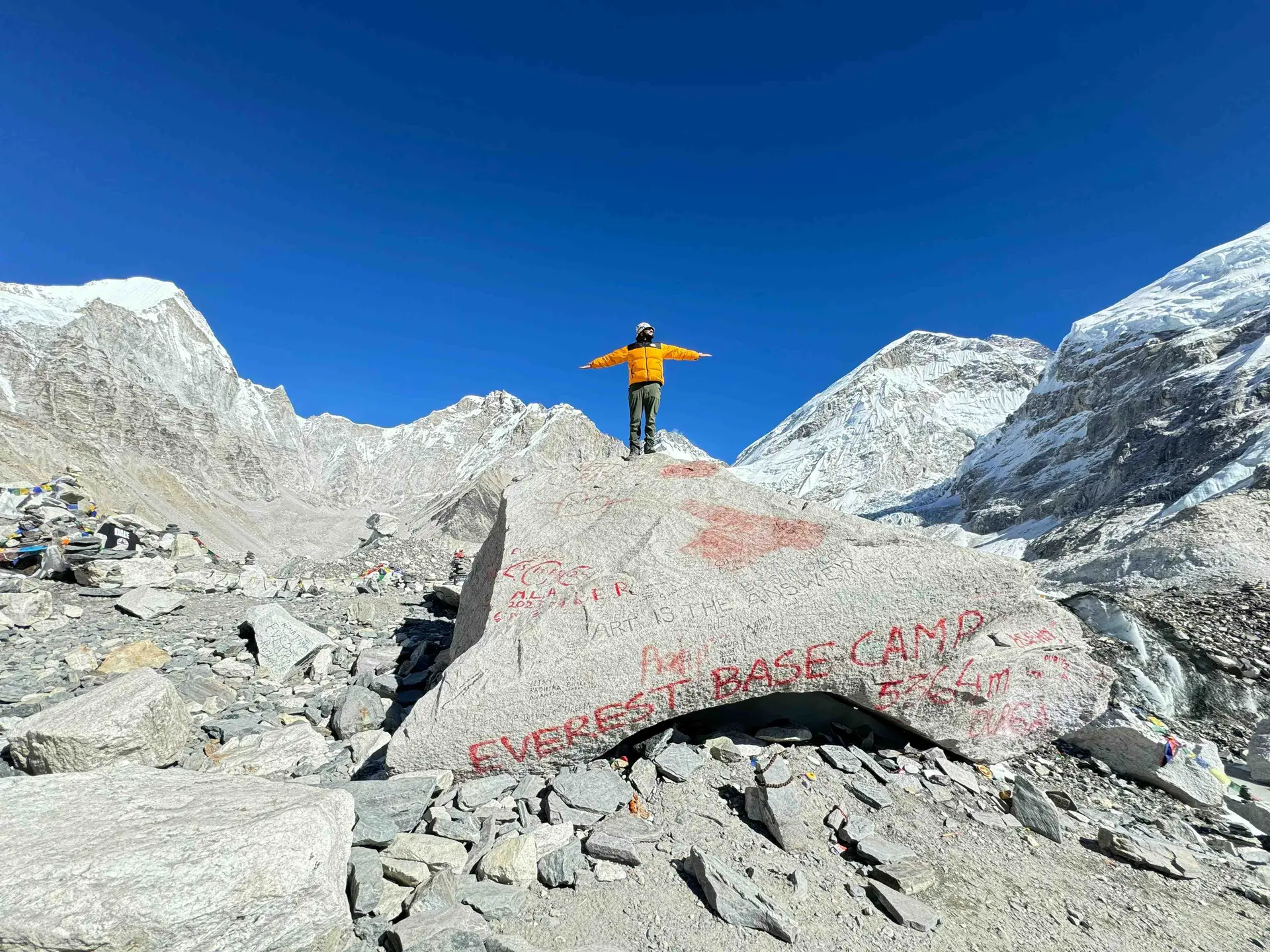
For many people, standing at Everest Base Camp is a once-in-a-lifetime achievement.
Day 9: Kala Patthar Sunrise and Return Trek
Early in the morning, trekkers hike to Kala Patthar, the most famous viewpoint in the Everest region.
The sunrise view over Mount Everest from Kala Patthar is considered one of the best moments of the entire trek.
Best Time for Everest Base Camp Trek
Spring Season (March to May)
Spring is the most popular season for the Everest Base Camp Trek.
Advantages
• Stable weather
• Clear mountain views
• Blooming rhododendron forests
• Comfortable daytime temperatures
• Everest expeditions at Base Camp
During spring, the Everest region feels lively and vibrant.
Autumn Season (September to November)
Autumn is another excellent season for trekking.
Advantages
• Clear skies
• Excellent mountain visibility
• Lower chances of rain
• Great conditions for photography
This is also one of the busiest trekking seasons in Nepal.
Winter Season (December to February)
Winter trekking is possible but comes with additional challenges.
Challenges
• Heavy snowfall
• Frozen trails
• Extremely cold temperatures
• Higher chances of flight delays
However, the trails are quieter and less crowded during winter.
Everest Base Camp Trek Difficulty
The Everest Base Camp Trek is not technically difficult, but the high altitude and long trekking days make it physically demanding.
Trekkers usually walk:
• 5–7 hours daily
• Through steep ascents
• Rocky terrain
• Thin air conditions
With proper fitness and acclimatisation, the trek is achievable for most healthy trekkers.
Before attempting Everest Base Camp, many beginners try shorter treks to experience Nepal’s tea house culture and mountain trails.The Ghandruk Trek is one of the best easy treks in Nepal for first-time hikers.
Altitude Sickness on the Everest Base Camp Trek
As altitude increases, oxygen levels decrease. Because of this, some trekkers may experience acute mountain sickness (AMS).
Common Symptoms
• Headache
• Nausea
• Dizziness
• Weakness
• Loss of appetite
• Breathing difficulty
How to Prevent AMS
• Walk slowly.
• Stay hydrated.
• Never skip acclimatisation days.
• Avoid alcohol and smoking.
• Descend if symptoms become serious.
Listening to your body is extremely important at high altitude.
Everest Base Camp Trek Fitness Preparation
Good physical fitness makes the trek much more comfortable and enjoyable.
Recommended Training
Cardio Training
• Running
• Cycling
• Stair climbing
• Brisk walking
Strength Training
• Squats
• Lunges
• Core exercises
Endurance Practice
Practise walking 8–10 km regularly before the trek.
If possible, train with a loaded backpack to prepare for long trekking days.
Everest Base Camp Trek Cost
The average Everest Base Camp Trek cost usually ranges between $900 and $2,500 depending on travel style, guide services, flights, accommodation, and trekking preferences.
Major Expenses
- Kathmandu Flights – Varies by country
- Lukla Flight – $180–$250
- Permits – $40–$60
- Food & Accommodation – $25–$40 per day
- Guide & Porter – Additional
- Gear Rental – Additional
Costs are usually higher during peak trekking seasons.
Everest Base Camp Trek Permits
Trekkers need the following permits for the Everest Base Camp Trek:
- Sagarmatha National Park Permit
- Khumbu Pasang Lhamu Rural Municipality Permit
These permits are mandatory for entering the Everest region.
Everest Base Camp Trek Packing List
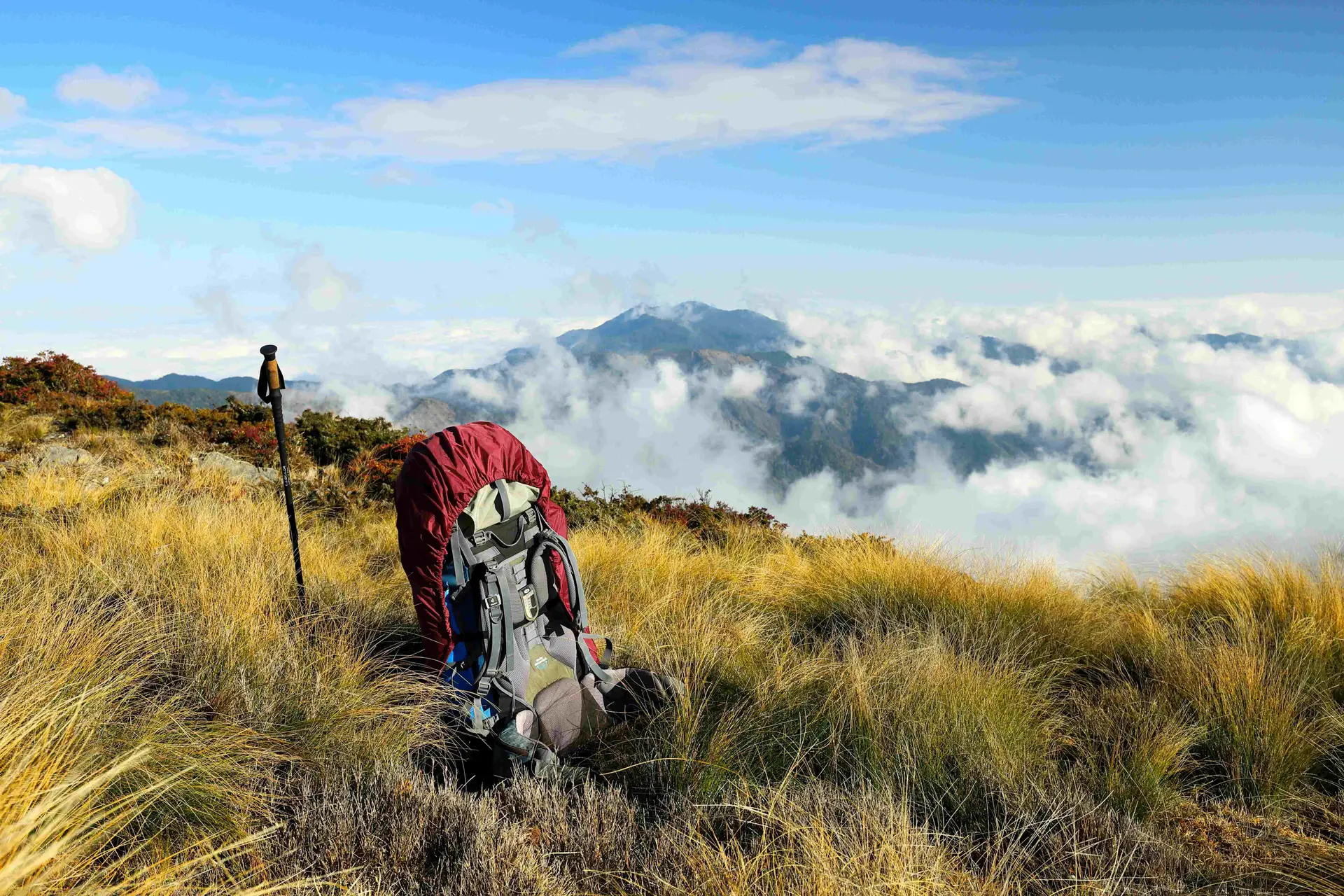
Packing properly is extremely important for high-altitude trekking.
Clothing
- Down jacket
- Thermal wear
- Waterproof jacket
- Trekking pants
- Gloves
- Woollen cap
Trekking Gear
- Trekking shoes
- Backpack
- Trekking poles
- Headlamp
- Rain cover
Essentials
- Sunscreen
- Sunglasses
- Water bottle
- Power bank
- First aid kit
- Personal medications
- Knee Support
- Toilet Paper
- Water Purification Tablet
- Lip Balm
Using a proper layering system is highly recommended because weather conditions can change quickly in the mountains.
Food and Accommodation on the Everest Base Camp Trek
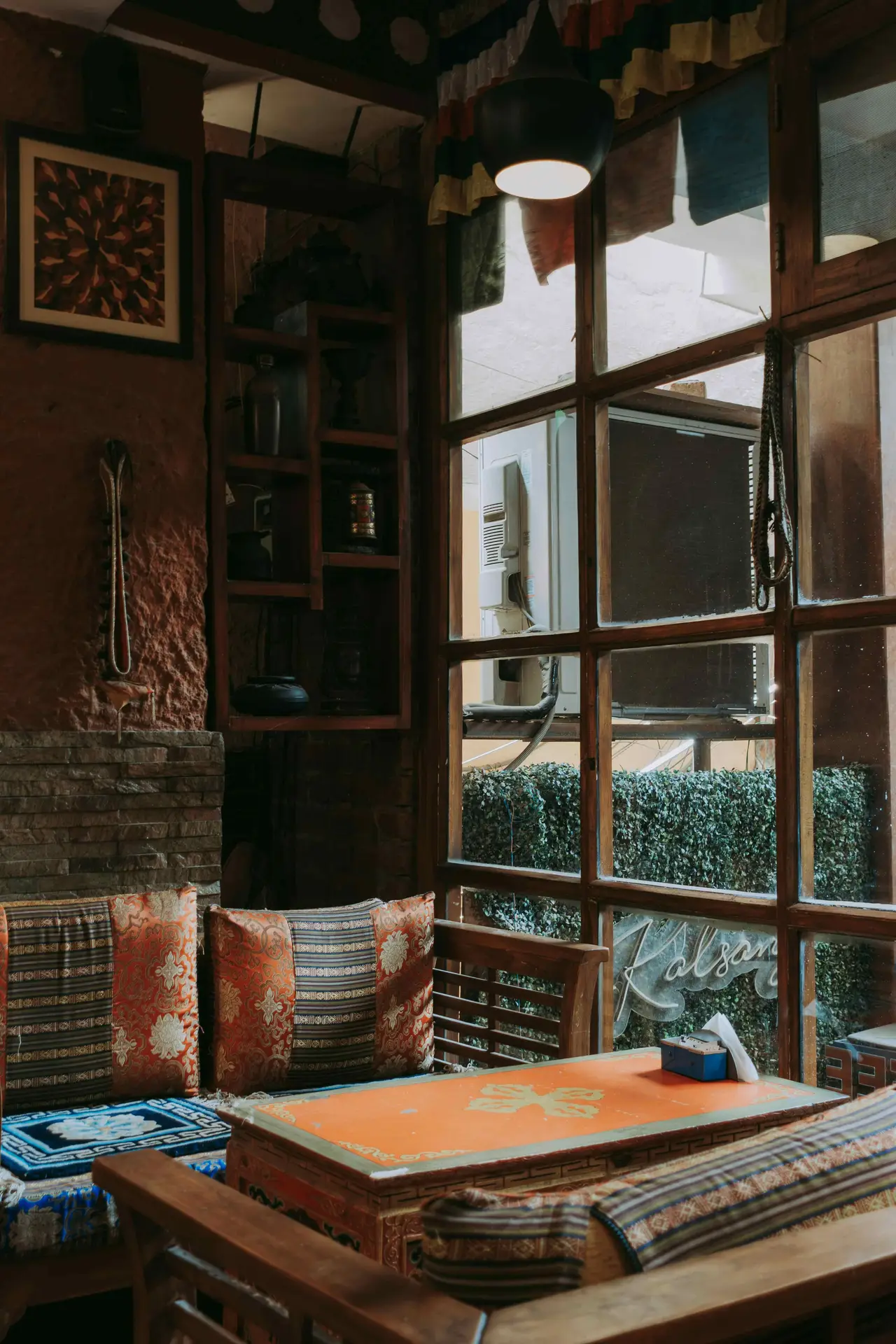
Tea houses and lodges are available throughout the trekking route.
Common Food Options
- Dal Bhat
- Noodles
- Soup
- Fried Rice
- Pancakes
- Tea and Coffee
Food prices increase at higher altitudes because supplies are transported by porters and yaks.
Internet and Network Availability
Mobile network coverage is generally available up to Namche Bazaar but becomes weaker at higher altitudes.
Some tea houses provide paid WiFi services, although internet speeds can be slow.
Charging electronic devices may also require additional payment.
Can Beginners Do the Everest Base Camp Trek?
Yes, beginners can complete the Everest Base Camp trek if they:
- Prepare properly.
- Maintain good fitness
- Acclimatise correctly.
- Trek at a slow and steady pace.
For first-time Himalayan trekkers, hiring a guide is usually a safer option.
Important Everest Base Camp Trek Tips
- Walk slowly from the beginning.
- Drink plenty of water.
- Carry enough cash.
- Weather can change suddenly.
- Use proper trekking shoes.
- Never skip acclimatisation days.
- Pack light but smart.
- Carry extra batteries and a power bank.
Proper preparation can make the entire trekking experience safer and more enjoyable.
Everest Base Camp Trek FAQs
How difficult is the Everest Base Camp Trek?
The trek is moderately difficult because of the altitude and long walking hours, but it is achievable with preparation.
Do I need a guide for the Everest Base Camp Trek?
A guide is not mandatory in all cases, but it is highly recommended, especially for beginners.
How many days does the Everest Base Camp Trek take?
Most itineraries take around 12–14 days.
Is the Everest Base Camp Trek safe?
Yes, the trek is generally safe when trekkers acclimatise properly and follow safety precautions.
What is the best month for the Everest Base Camp Trek?
April, May, October, and November are considered the best months.
Gokyo Lakes Trek in Nepal (2026): Complete Guide, 16-Day Itinerary, Cost, Difficulty & Best Time
Conclusion
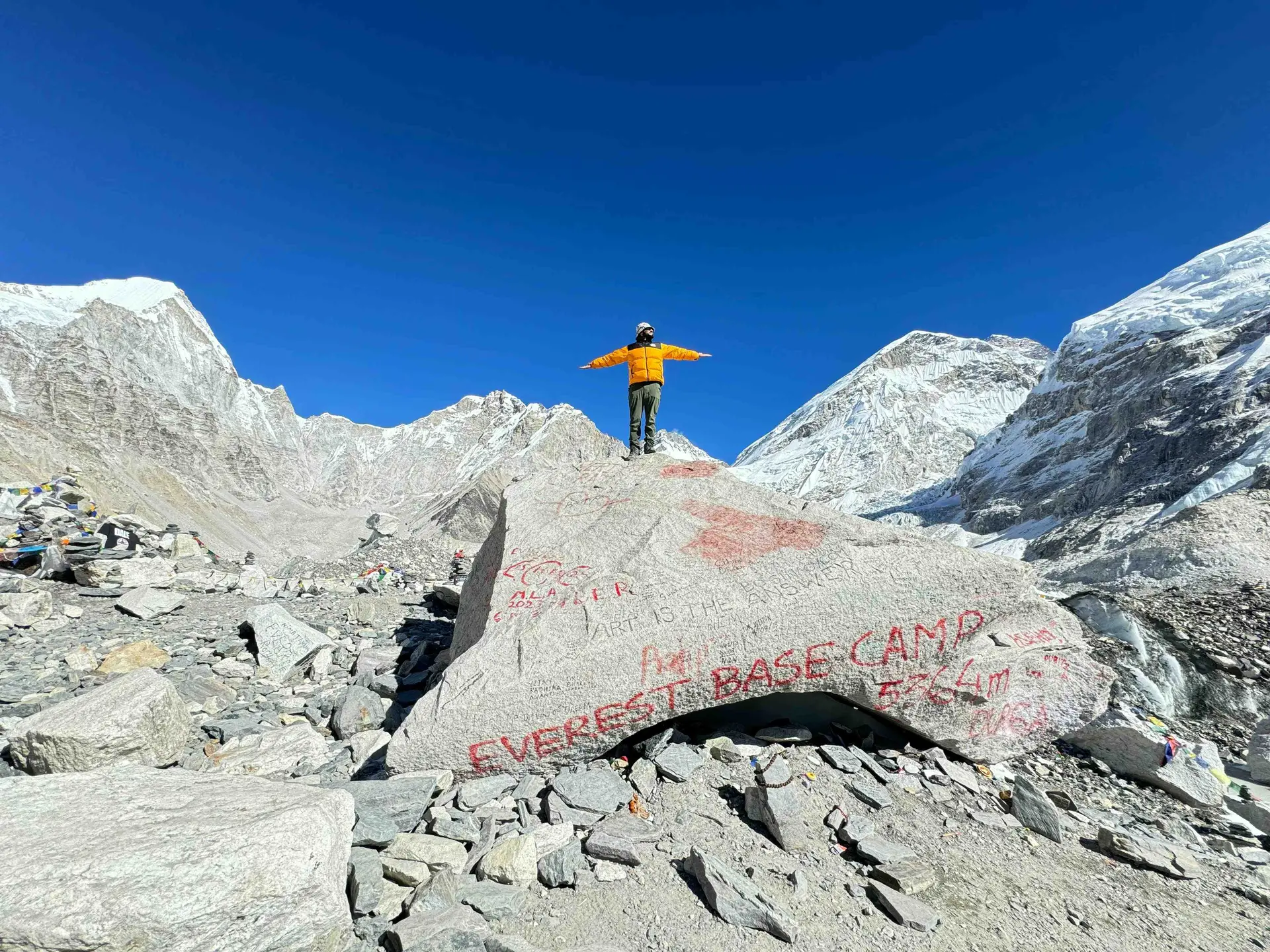
The Everest Base Camp Trek is more than just a trekking adventure – it is a life-changing Himalayan experience.
Standing in the heart of the Himalayas while looking at Mount Everest is a moment many trekkers never forget.
If you love mountains, adventure, and nature, the Everest Base Camp Trek deserves a place on your bucket list. With proper planning, fitness, and preparation, this journey can become one of the most unforgettable experiences of your life.
ABOUT AUTHOR
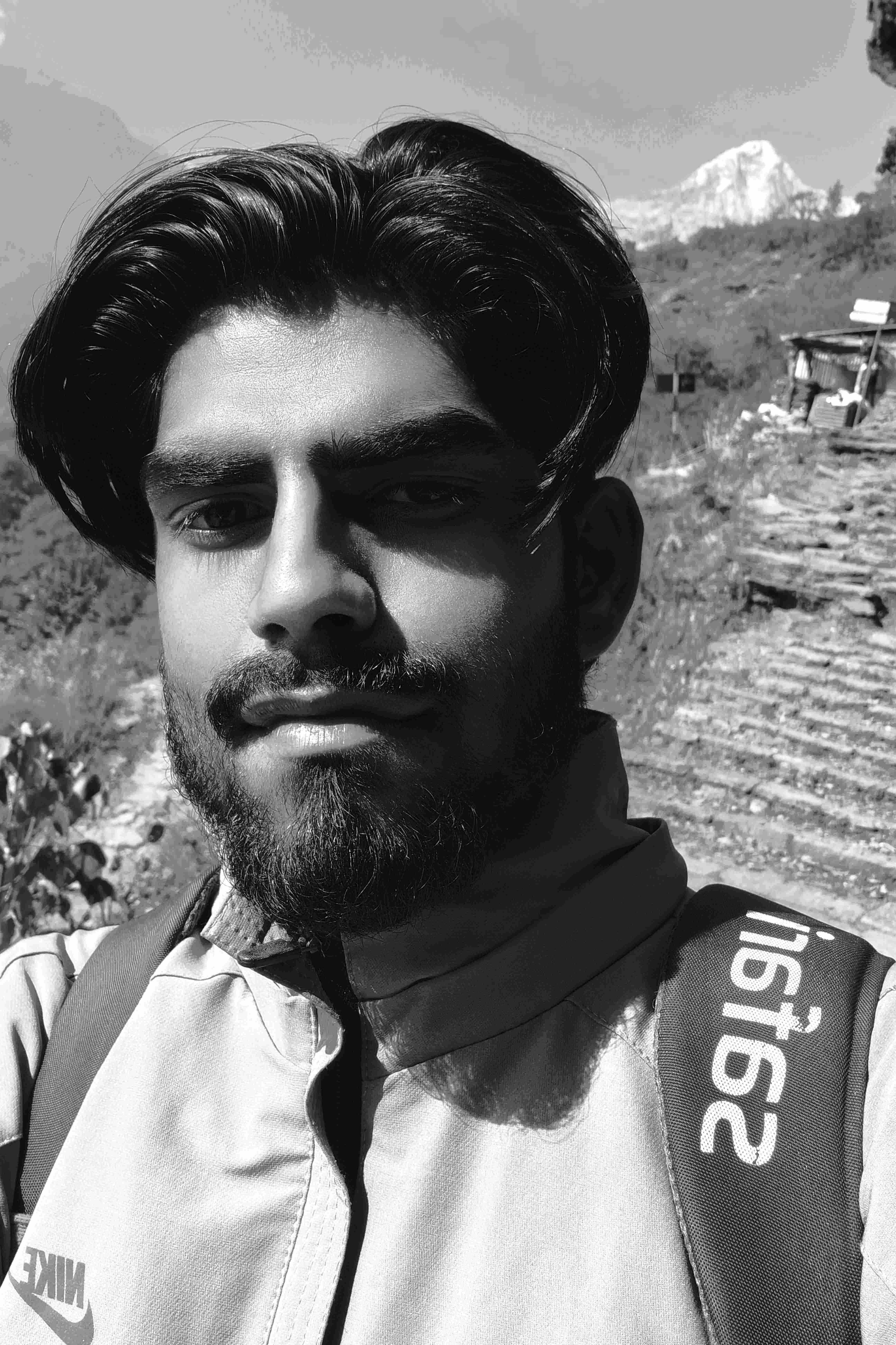
Afjal Khan
Afjal Khan is the founder of Epic Himalayan Trails and a passionate Himalayan trekker. He shares trekking guides, route information, itineraries, and practical travel tips to help trekkers plan better journeys across Nepal and the Indian Himalayas. Through Epic Himalayan Trails, his goal is to make trekking information simple, reliable, and useful for both beginners and experienced trekkers.