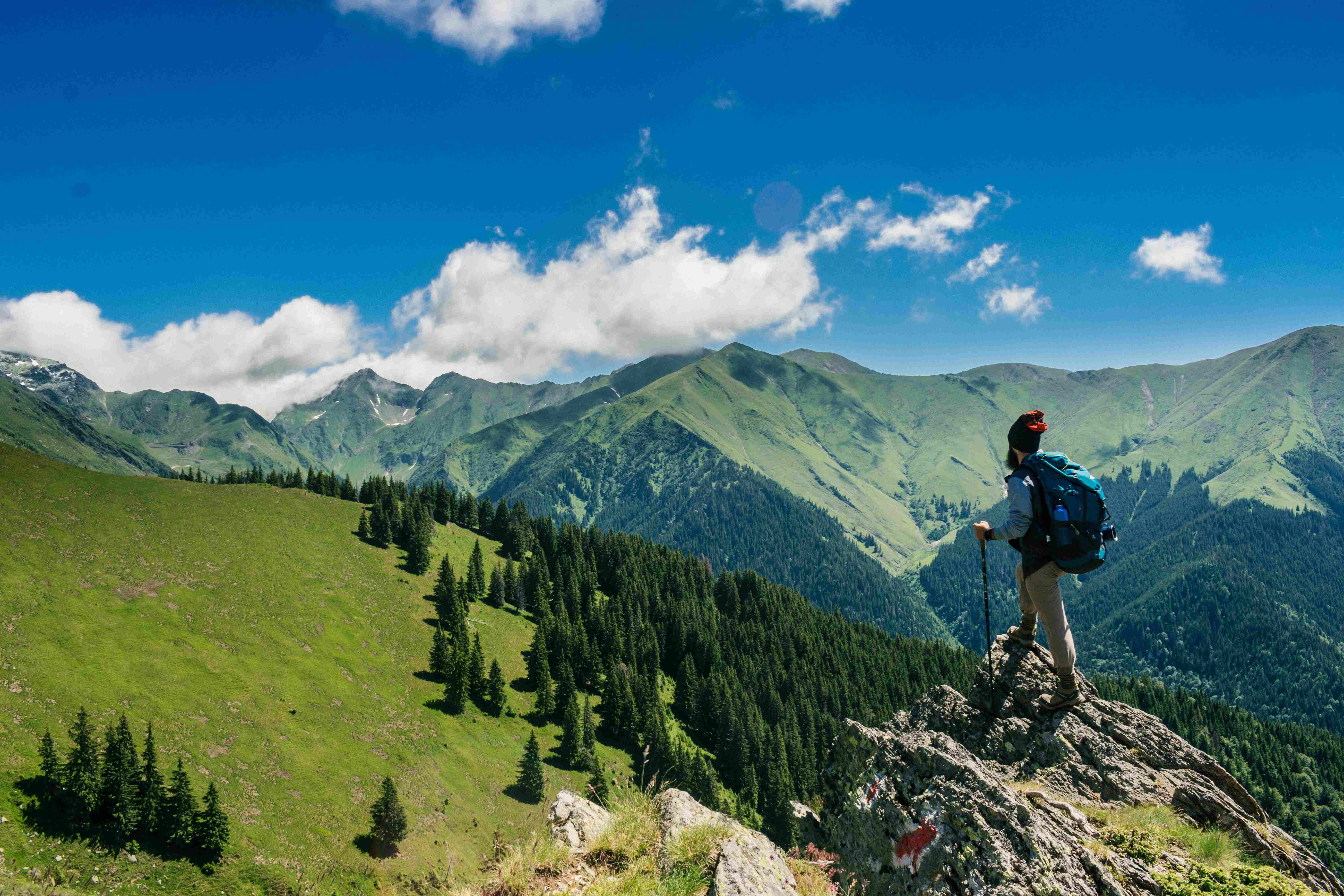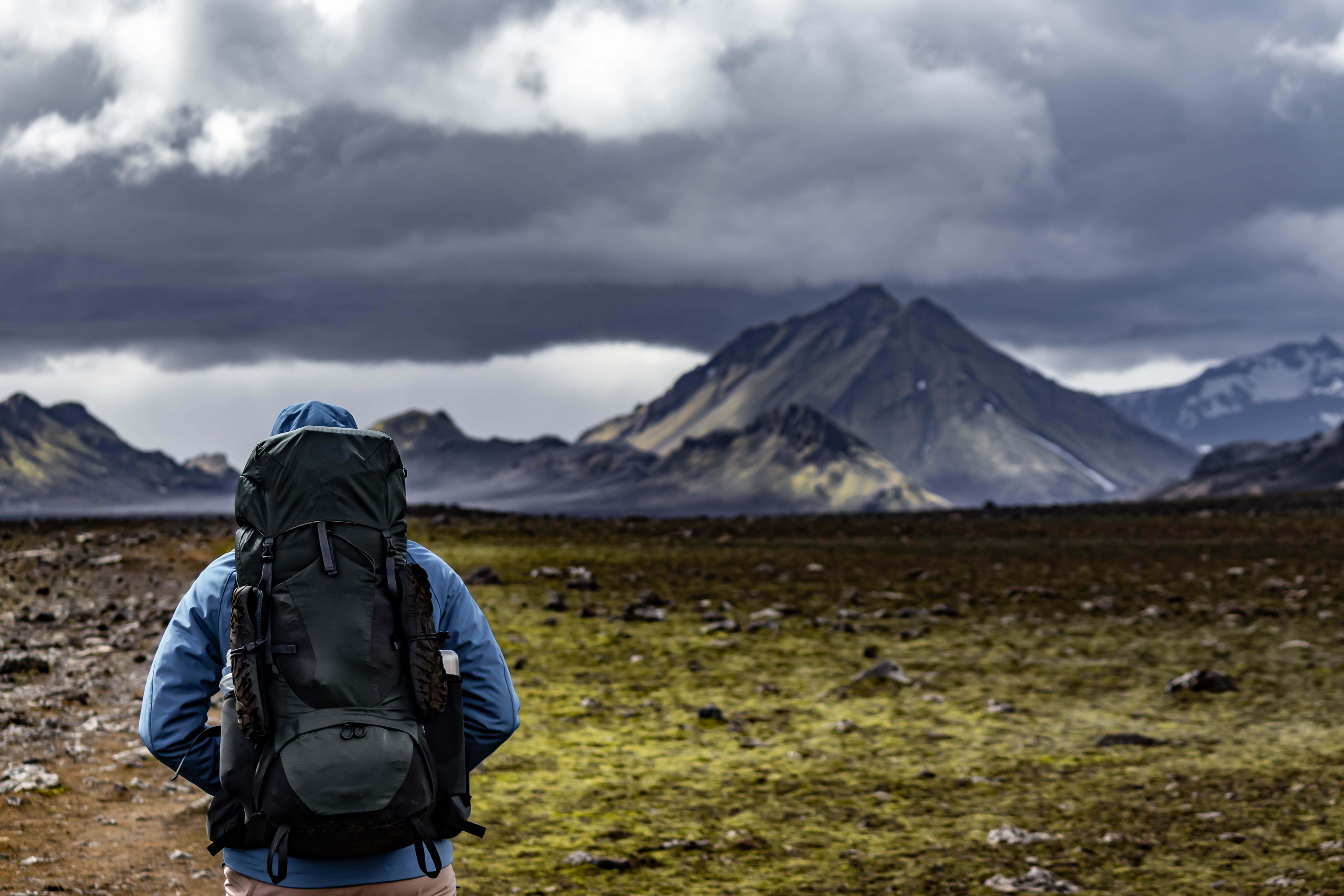
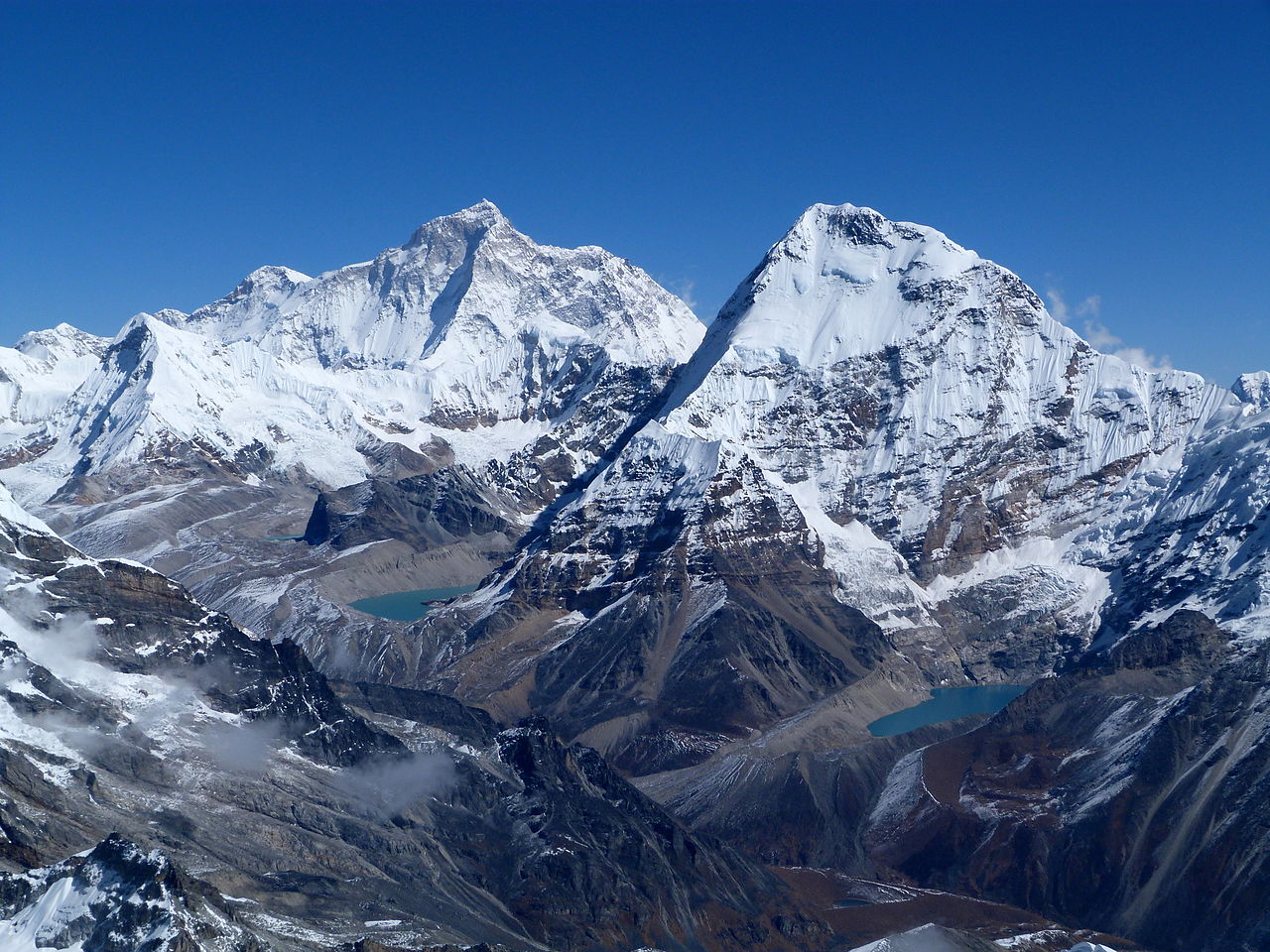
The Makalu Base Camp Trek is widely regarded as one of Nepal’s most remote and deeply rewarding Himalayan adventures, taking trekkers deep into the untouched wilderness of eastern Nepal. When people picture Nepal trekking, their minds instantly drift toward the iconic, heavily commercialized routes like the Everest Base Camp Trek or the classic Annapurna Base Camp Trek. But for those who crave the raw, unfiltered essence of the grand mountains—where the peaks feel larger, the valleys deeper, and the footprints fewer—there is another path.
Tucked away in the isolated eastern corner of the country lies a trail that challenges your physical body while deeply feeding your adventurous soul. This is the ultimate journey into alpine isolation, a place where true high-altitude wilderness still exists. Far from the luxury lodges and westernized cafes of more popular regions, this route offers an extraordinary, demanding journey through rugged terrains, snow-covered landscapes, and high mountain passes.
It takes you deep into the pristine Makalu Barun National Park and Conservation Area, leading directly to the foot of the fifth-highest peak on Earth. Standing at an incredible elevation of 4,870 meters at the base camp itself—with options for exploratory day hikes reaching up to a maximum altitude of 5,250 meters—the imposing mass of Mount Makalu dominates the skyline, offering a dramatic backdrop that few other journeys can match. For serious backpackers and lovers of absolute alpine solitude, this comprehensive sixteen-day itinerary is a masterpiece of Himalayan adventure.
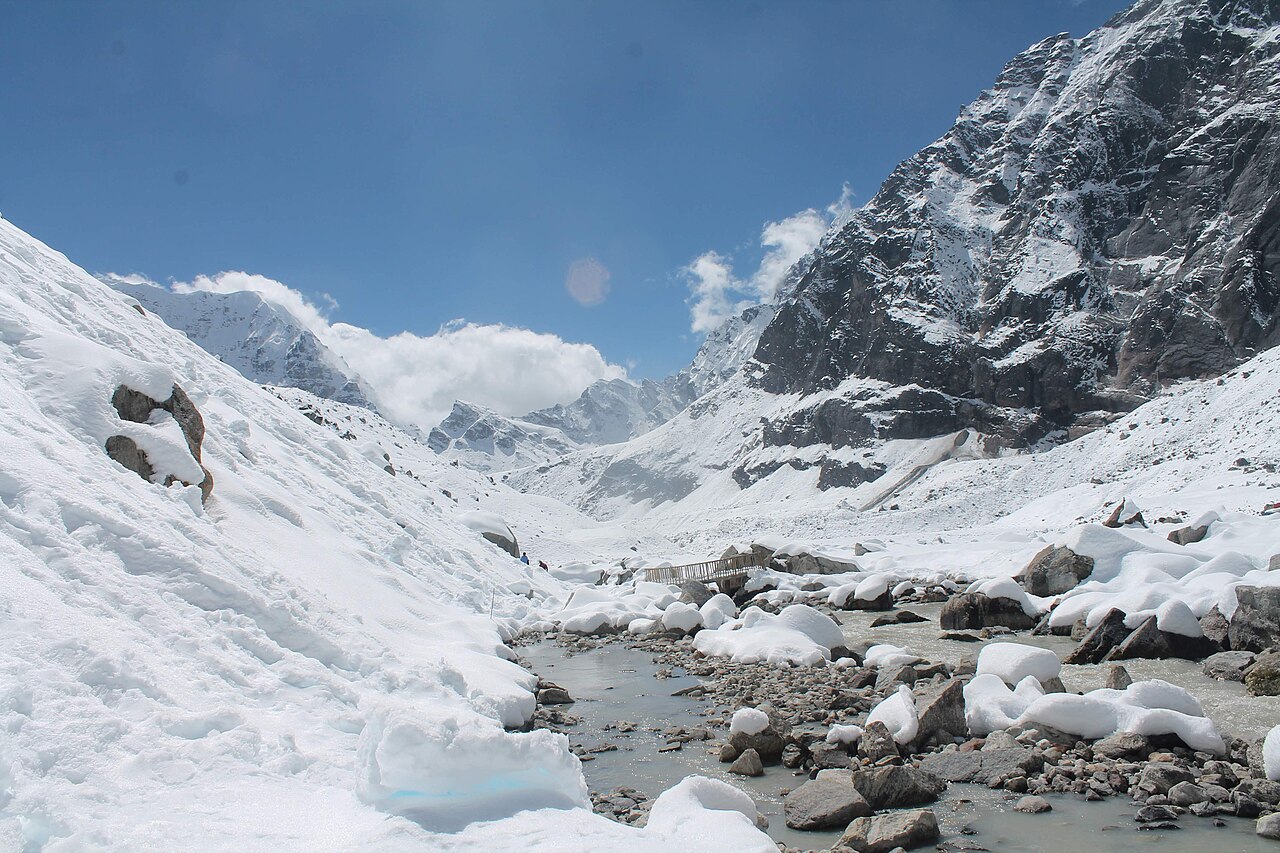
It is a grueling journey that demands physical endurance, mental grit, and a true spirit of exploration, but the rewards are completely unparalleled. In this comprehensive Nepal trekking guide, we will unpack everything you need to know to plan, prepare for, and execute this bucket-list expedition with Epic Himalayan Trails. From detailed route breakdowns and accurate cost expectations to altitude acclimatization tips and cultural insights, consider this your definitive roadmap to the wild, untamed east of Nepal.
Why Makalu is Different: Unlike popular and crowded trails in Nepal like the Annapurna Circuit trek or the rugged Manaslu Circuit trek, the Makalu Base Camp trek is a raw, untamed wilderness adventure meant strictly for experienced trekkers. If you are a beginner looking for a shorter, equally scenic, but much easier trail to start your Himalayan journey, we highly recommend checking out our comprehensive guide to the Mardi himal before testing your limits on Makalu’s grueling high-altitude passes.
Why Choose the Makalu Base Camp Trek?
To truly appreciate this remote Himalayan journey, you have to understand what makes it stand out from its more famous siblings. The Makalu region was relatively unknown to the western world until the late 1950s. In fact, the area remained shrouded in geographical mystery until an American team led by William Siri first explored it. Shortly after, the peak itself was successfully climbed in 1955 by a French expedition led by Jean Franco.
This legendary expedition marked the first historical ascent of Makalu on May 15, 1955, when climbers Lionel Terray and Jean Couzy stood on the summit. Though the rugged trail was initially developed as a logistics route for elite mountaineers looking to conquer the mountain, it has slowly evolved over the decades into one of Nepal’s most sought-after treks for adventurers seeking absolute solitude.
Unlike the heavily developed routes in the Khumbu or Annapurna regions, the trail to Makalu has retained its wild, untouched character. The remote accessibility and natural beauty of this region make it a unique destination for trekkers who want to escape commercial tourism. Unlike the highly crowded Everest Base Camp trail, where hundreds of trekkers share the paths and tea houses during peak season, Makalu feels completely isolated. Experienced guides often note walking for four to five hours straight without encountering another group of foreigners.
Here, you will not find luxury lodges with electric blankets or western-style cafes serving espresso at high elevations. Instead, you will find authentic, rustic hospitality, quiet trails where you can connect deeply with nature, and a landscape that feels completely untamed. Furthermore, the environmental diversity of this wilderness trek is nothing short of staggering. Because the trail starts at a relatively low altitude and climbs all the way into the permanent ice fields of the high Himalayas, you cross multiple distinct ecological zones in a matter of days.
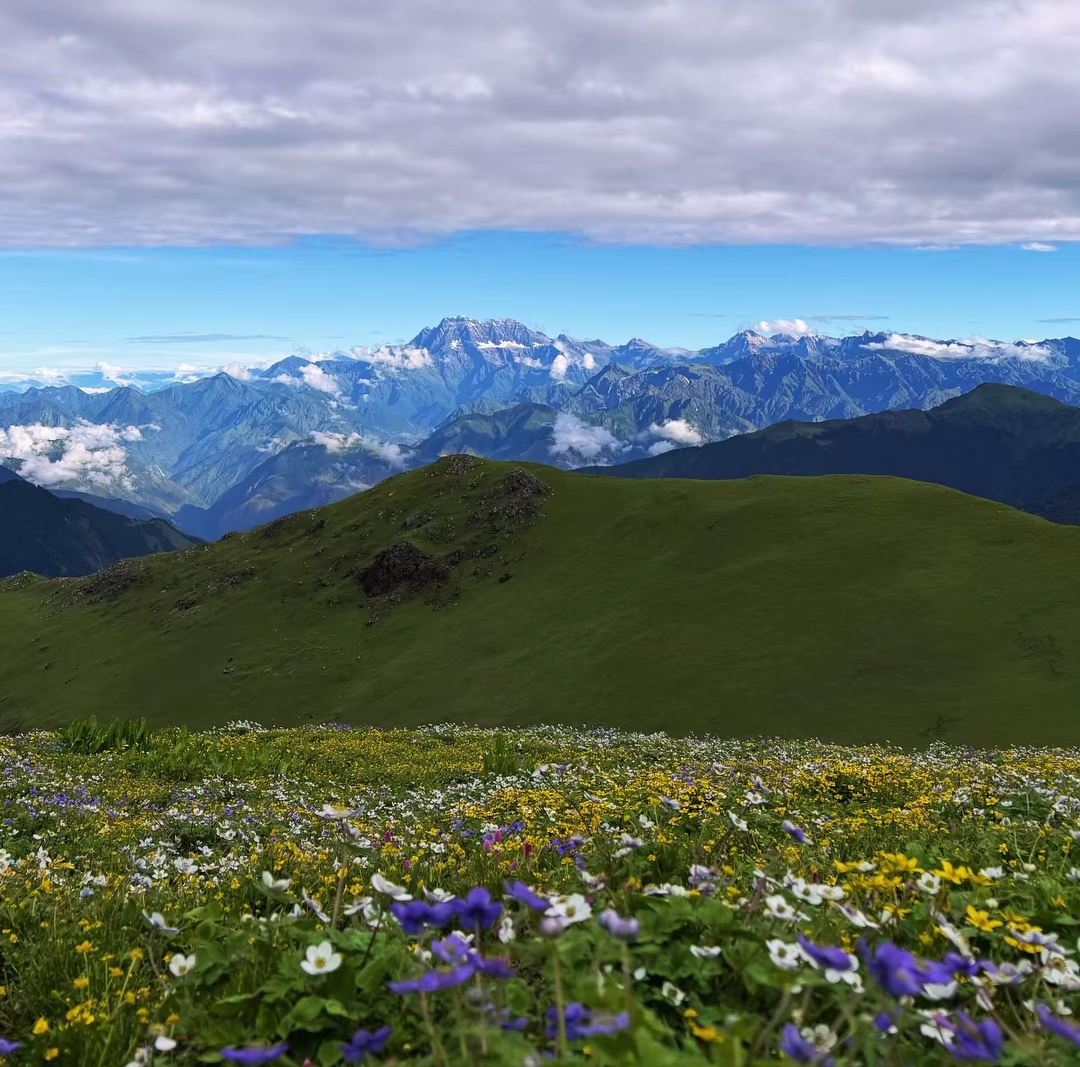
You will march through subtropical forests, terraced farmlands, lush rhododendron forests, deep river gorges, alpine meadows, and barren, wind-swept glaciers. For nature lovers and photography enthusiasts, this dramatic shift in scenery provides a constant stream of visual wonders. It is a living lesson in planetary geography, laying out every major climate zone on Earth within a single walking journey.
Many trekkers who have completed both the Everest Base Camp Trek and the Makalu Base Camp Trek often describe Makalu as a completely different experience. The sense of isolation, the untouched landscapes, and the lack of crowds create a feeling of genuine exploration that is becoming increasingly rare in the Himalayas.
Understanding the Makalu Barun National Park
The defining feature of this journey is the incredible conservation area that protects it. The route to Makalu takes you through the heart of the Makalu Barun National Park and Conservation Area, an expansive international protected area established through an agreement between Nepal and China. Covering an impressive 2,330 square kilometers of National Park and an additional 830 square kilometers of surrounding conservation area buffer zone in Nepal alone, this region is a massive testament to global preservation efforts and a sanctuary for the diverse ecosystems of the Himalayas.
Because of its unique geographical positioning and steep altitudinal gradients, the park serves as a biological haven. It is home to some of the rarest flora and fauna on the planet. The dense forests shelter endangered species and a vast variety of mountain wildlife. Over hundreds of species of birds have been recorded here, making it a paradise for birdwatchers. Many trekkers report hearing the calls of exotic birds echoing through the misty valleys early in the morning.
The park is also famous for its incredible botanical wealth, featuring dozens of species of rhododendrons, rare flowers, and aromatic medicinal plants that have been used by indigenous communities for centuries. Walking through this park offers a rare opportunity to immerse yourself completely in the world-renowned Himalayan lifestyle. The park is a conservation area that showcases nature’s magnificence while simultaneously highlighting the urgent need for its preservation. The journey through this highly secluded region allows trekkers to experience the pristine wilderness alongside vibrant local cultures in a way that remains completely sustainable and respectful of the delicate mountain environment.
Cultural Diversity of the Makalu Barun Valley
While the towering peaks grab the headlines, the human element of the Makalu Barun Valley is equally captivating. The Makalu Valley is renowned for its rich and diverse cultural tapestry. The region is home to several distinct ethnic groups, including the Sherpa, Rai, Gurung, and Ghale communities, particularly within the famous Chhechela and Num villages. These communities, known for their mountaineering prowess and deep-rooted Tibetan Buddhist heritage, maintain traditional practices that have remained unchanged for generations.
As you ascend the valley, you will witness the architectural and religious transitions of the communities. The lower valleys are home to the Rai and Limbu ethnic groups, who have a rich cultural diversity expressed through their distinct languages, traditional music, and specific agricultural practices. These lower communities rely heavily on traditional farming as a primary source of income, cultivating cash crops like cardamom, wheat, barley, millet, maize, potatoes, and beans to sustain themselves. As you trek through these terraced farmlands and alpine meadows, you will immerse yourself in local cultures and observe picturesque landscapes that feel like a living museum.
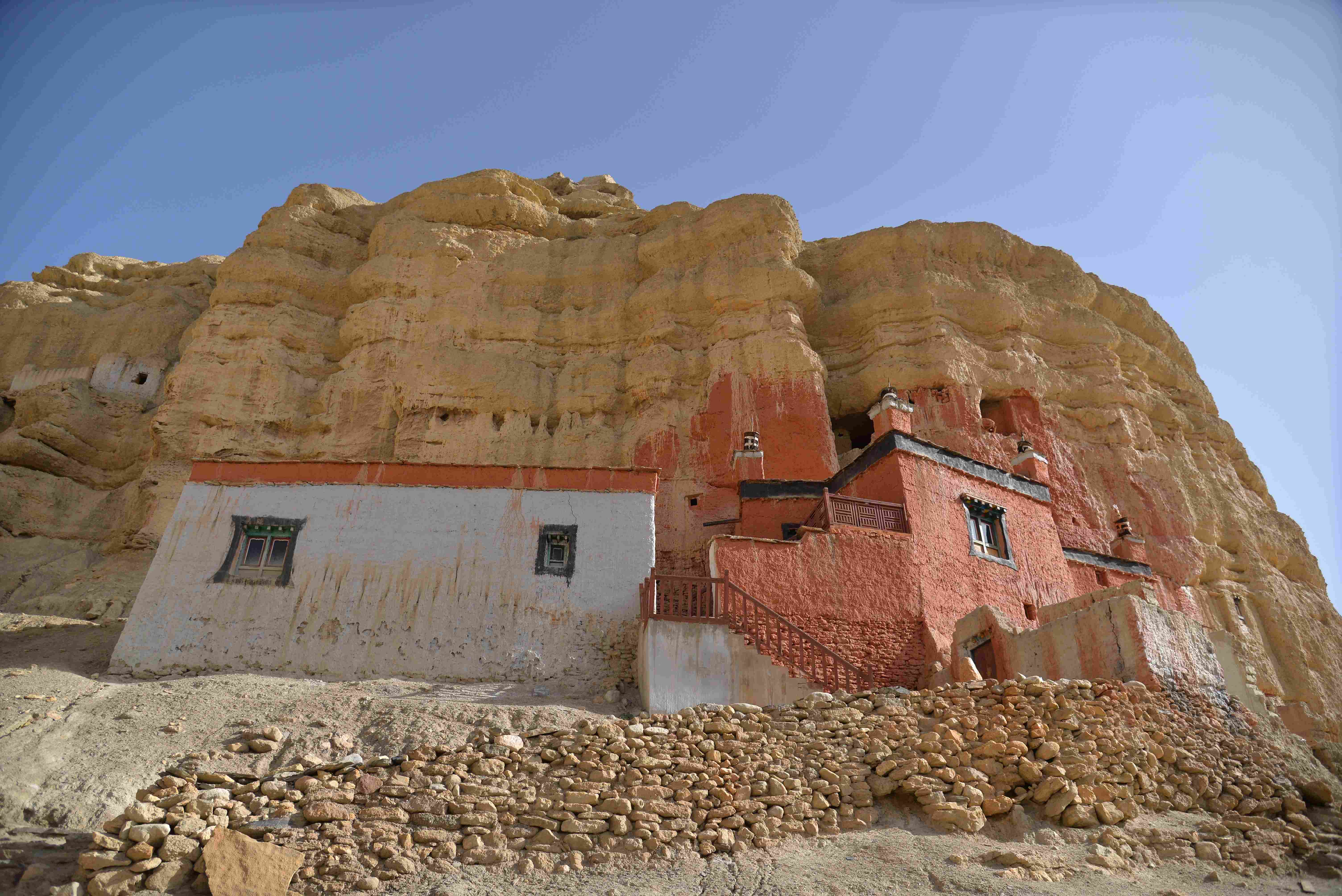
Higher up the trail, the cultural landscape shifts toward communities whose lives are deeply intertwined with the high mountains and Buddhist traditions. Here, the landscape is dotted with ancient stone structures, colorful prayer flags fluttering in the mountain breeze, and small, remote shrines. Trekking groups often take short breaks near these ancient structures, listening to the soothing sounds of spinning prayer wheels. You may have the chance to witness traditional practices and sacred festivals. Staying in these villages offers an authentic glimpse into a lifestyle centered around community, faith, and a deep reverence for the surrounding peaks.
Accommodation and Dining: The Tea House Experience
When embarking on a remote journey like this, managing your expectations regarding comfort is key to enjoying the experience. During the Makalu expedition, you will stay in modest tea houses and enjoy authentic regional meals, including traditional lentils with rice, potatoes, eggs, and soup, which are commonly served all along the trail. While the variety and luxury may not match that of commercialized routes, these family-run establishments provide a cozy atmosphere, an opportunity to unwind, and a chance to connect with fellow adventurers.
The tea houses in the Makalu region are simple wood-and-stone structures. Rooms are generally basic and twin-sharing, featuring simple beds, foam mattresses, pillows, and blankets. As you climb higher into the alpine zones, temperatures drop drastically after sunset, making a high-quality four-season sleeping bag absolutely mandatory, even with the blankets provided by the lodges. The heart of every tea house is the central communal dining room, which is typically heated by a central stove. This room is where trekkers gather in the evenings to share stories, dry their gear, eat hot food, and stay warm before heading to bed.
When it comes to sustenance, simplicity and nourishment are the priorities. The traditional dish of rice, lentil soup, vegetable curry, and pickled greens is the ultimate fuel for high-altitude walking. It is freshly prepared, rich in carbohydrates, and typically comes with generous refills, making it the perfect meal after a grueling day on the trail. Despite some tea houses not having formal menus, they offer simple, hearty dishes perfect for refueling after a long day of trekking. You can also find variations of noodles, fried rice, porridge, and local bread to keep your diet varied throughout the trip.
The Daily Realities of Trail Living: Out-of-Pocket Expenses
While your main trekking package covers your primary accommodation and logistics, traveling through remote regions in Nepal involves several daily out-of-pocket expenses that you must budget for in cash. Because there are no ATMs or credit card facilities once you leave the lowlands, carrying enough Nepalese Rupees is essential for a smooth journey.
One of the most common expenses on the trail is snacks and beverages. You can expect to spend anywhere from 5 to 10 dollars per day on additional items like tea, coffee, bottled water, or energy bars. As items have to be carried up the mountains on the backs of porters or mules, the price of goods rises significantly with the altitude. A simple beverage or a snack bar that costs very little in Kathmandu can cost significantly more up in the high-altitude camps.
Technology and personal hygiene also come with a price tag in these remote areas. For instance, charging your electronic devices or cameras will typically cost between 100 and 300 Nepalese Rupees (approximately 1 to 2 dollars) per device at each stop. If you wish to stay connected, Wi-Fi access, which has very limited availability along the route, generally runs between 200 and 500 Nepalese Rupees (2 to 4 dollars) per day. Additionally, if you want to wash off the dust of the trail, a hot shower will cost around 500 to 1,000 Nepalese Rupees (4 to 8 dollars) per session. Budgeting carefully for these small luxuries will ensure comfort without running out of cash before the trek concludes.
Detailed 16-Day Itinerary: The Full Day-by-Day Journey
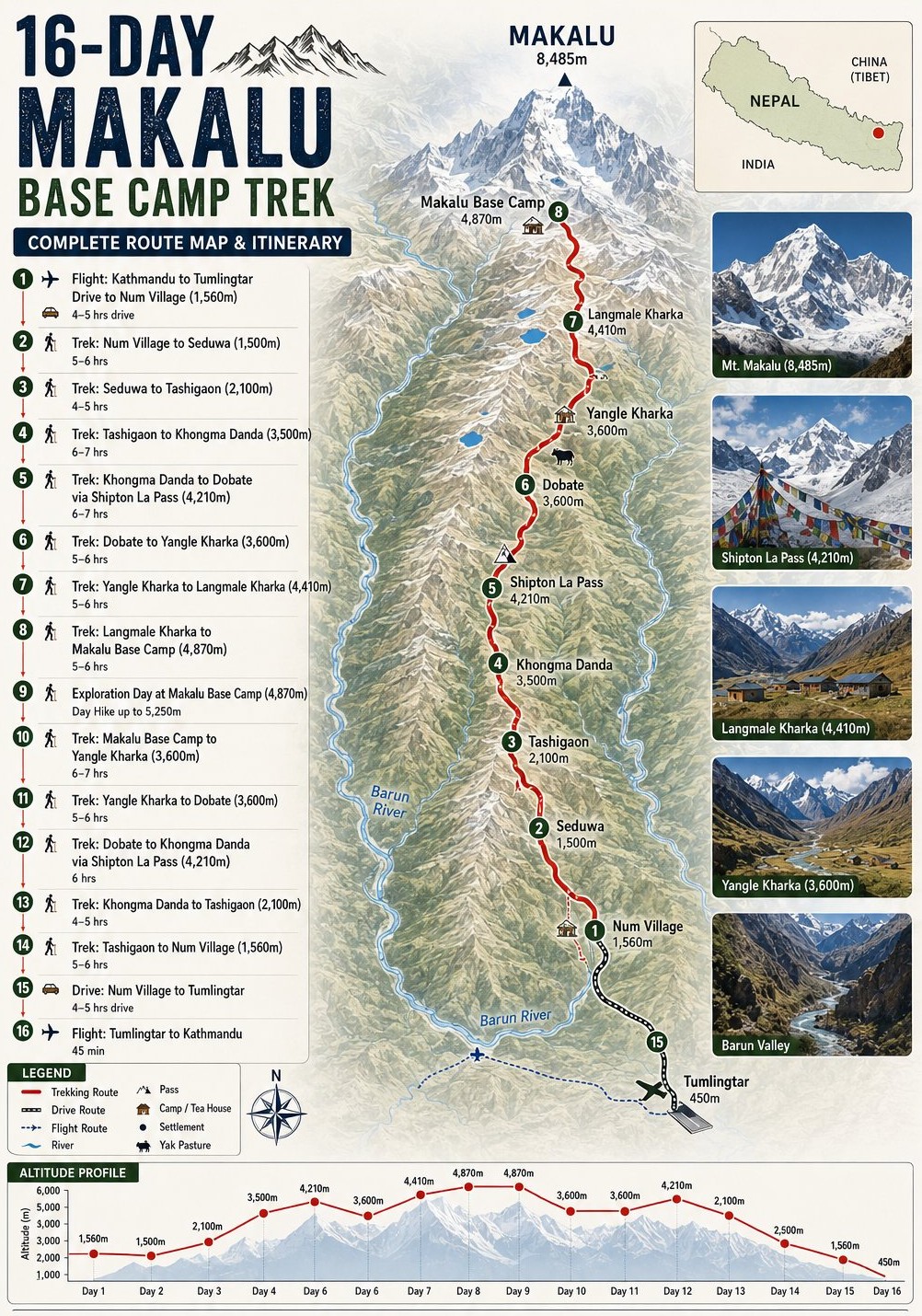
Day 1: Flight from Kathmandu to Tumlingtar and Drive to Num Village
Your incredible Himalayan adventure begins early in the morning with a breathtaking and highly scenic flight from the capital city of Kathmandu to the mountain airstrip of Tumlingtar. As you fly eastward, the giant snow peaks of the Himalayan range line up outside your window, offering a preview of the scale of the landscape you are about to enter. Upon landing in the lush, low-lying hills of eastern Nepal, you will instantly notice the shift to a warm, humid climate.
At the airport, you will meet your local trekking crew and transfer into a powerful, four-wheel-drive local vehicle for the drive toward the trailhead. The road winds dynamically through rural farmlands, climbs over steep ridges, and eventually drops deep into the valley to reach Num Village, which sits at an approximate altitude of 1,560 meters. This initial journey involves a short flight and a four to five-hour drive over rough mountain terrain. Num is a lively ridge-top settlement where you will spend your first night in a rustic local lodge, falling asleep to the distant roar of the river echoing from the valley floor below.
Day 2: Trek from Num Village to Seduwa
This is your first official day of walking, and it provides an unforgettable introduction to the dramatic ups and downs that define trekking in the Nepalese foothills. You start the morning by leaving the ridge of Num and immediately plunging down an incredibly steep trail that drops through dense vegetation and terraced fields. The target is the suspension bridge hanging over the rushing torrent of the river below.
After crossing the bridge, the physical challenge truly begins as the trail flips completely into a long, grueling ascent up thousands of hand-cut stone steps on the opposite side of the canyon. You will climb past isolated farmsteads, requiring around five to six hours of continuous walking. Your massive efforts are rewarded when you finally break out onto the settlement of Seduwa at an approximate altitude of 1,500 meters. Seduwa is a beautiful village with a local school and an official conservation checkpoint where your national park permits will be registered by the authorities.
Day 3: Trek from Seduwa to Tashigaon
The third day offers a highly enjoyable walk, allowing your legs to recover from the intense stairs of the previous day. The path leaves Seduwa and winds gracefully along a high ridge contour, passing through pristine meadows, crossing small streams, and traversing lush terraced fields where local villagers cultivate crops. This relatively pleasant walk takes about four to five hours of sustained trekking through pristine terrain.
As you walk further into the valley, the air begins to cool down significantly, and the vegetation slowly transforms into a beautiful temperate forest of oak and early rhododendrons. You will pass through tiny, peaceful hamlets before reaching the village of Tashigaon, situated at an approximate altitude of 2,100 meters. Perched dramatically on a steep hillside, Tashigaon is famous as the absolute final permanent human settlement on this route. Beyond this point, there are no more villages, making this your last chance to buy basic supplies or interact with a settled mountain community.
Day 4: Trek from Tashigaon to Khongma Danda
You must prepare yourself mentally and physically for what is universally recognized as one of the most exhausting climbing days of the entire trek. Today, you leave the comforts of civilization behind and tackle a massive, unrelenting vertical ascent to reach the high alpine ridges. The trail climbs straight out of Tashigaon, entering a deep, silent, and mystical forest filled with ancient trees and thick stands of mountain bamboo.
The path is a continuous steep staircase that climbs through the thin air without many flat sections to rest your muscles, demanding a full day of intense physical movement. As you climb higher, the dense canopy breaks, and you enter the subalpine zone where the ridge becomes narrow and exposed, offering incredible views of the deep valleys below. Late in the afternoon, after hours of slow, deliberate stepping, you will finally arrive at the windswept ridge camp of Khongma Danda at an approximate altitude of 3,500 meters, which consists of basic, isolated tea houses built for passing trekkers.
Day 5: Trek from Khongma Danda to Dobate via Shipton La Pass
This day is an absolute visual masterpiece, taking you high above the tree line and over a series of dramatic, snow-covered mountain passes that will test your endurance to the limit. The morning begins with a steep climb up from the Khongma ridge, entering a stark alpine wilderness of rock and ice. The trail leads you to the top of the iconic Shipton La Pass at an incredible elevation of 4,210 meters.
Standing at the pass, surrounded by colorful prayer flags tearing in the wind, you are treated to a jaw-dropping panorama of the grand mountain peaks. This challenging pass crossing demands a full day of navigating high-altitude, rocky terrain. Trekkers frequently notice how fast the weather can shift here, turning from bright sunshine into a misty whiteout very quickly. After absorbing the views, you descend gently past alpine lakes before climbing once again over high ridges, eventually dropping down to reach the quiet forest clearing of Dobate.
Day 6: Trek from Dobate to Yangle Kharka
After the freezing winds of the high passes, today’s route brings you down into the magical, hidden world of the upper Barun River valley. The morning starts with a steep, cautious descent through rock slides and rhododendron bushes until you reach the banks of the rushing Barun River. Once you land on the valley floor, the trail levels out beautifully, winding its way along the glacier-fed river through an incredibly deep and sheer-sided canyon.
This dramatic altitudinal descent and subsequent walk along the canyon floor will take you several hours of steady trekking. The scale of the landscape here is completely overwhelming; towering vertical granite cliffs rise thousands of meters straight up on both sides of the trail. Massive waterfalls cascade over the high rims, turning into mist before they touch the ground, and the air feels crisp, cold, and wild. You will walk through peaceful sandy flats until the valley opens up into the wide, beautiful alpine pasture of Yangle Kharka at an approximate altitude of 3,600 meters, a seasonal grazing ground for local yaks.
Day 7: Trek from Yangle Kharka to Langmale Kharka
As you leave the meadows of Yangle Kharka, the trail continues to track the winding path of the Barun River, climbing steadily deeper into the high alpine zone. The forest completely disappears today, replaced by low alpine scrub and wide fields of broken granite boulders and old landslide debris. You will pass through seasonal herder settlements, where the thin air makes every step feel heavy, requiring a slow and steady walk of several hours.
The views become increasingly dramatic as you round each bend; the massive icy walls and the towering, dark pyramid of Mount Makalu start to dominate the sky directly ahead of you. The climb is not incredibly steep, but the high altitude requires you to maintain a slow, rhythmic pace and drink plenty of water to assist with acclimatization. By the afternoon, you will arrive at the high, isolated outpost of Langmale Kharka at an approximate altitude of 4,410 meters, where a few basic stone tea houses sit nestled beneath towering rock walls.
Day 8: Trek from Langmale Kharka to Makalu Base Camp
The day you have trained for and dreamed about has finally arrived as you make the final push to the foot of the world’s fifth highest mountain. The trail from Langmale Kharka to Makalu Base Camp is a spectacular journey through a pure, high-altitude glacial landscape. You will climb steadily over the massive, rocky lateral moraine of the glacier, navigating paths of frozen earth and fields of giant boulders, which takes several hours of deep alpine trekking.
The air is incredibly thin and cold, but the sheer adrenaline of approaching the base camp keeps your legs moving forward. As you cross the final ridge, the landscape opens up into a vast, sandy, and ice-rimmed basin at an approximate altitude of 4,870 meters, marking your arrival at Makalu Base Camp. Standing here, you are completely surrounded by a monumental amphitheater of ice, glaciers, and rock, with the staggering, near-vertical face of Mount Makalu rising straight above your head, filling your entire field of vision with its terrifying and beautiful mass.
Day 9: Exploration Day at Makalu Base Camp
This entire day is dedicated to rest, recovery, and deep exploration of this pristine, high-altitude sanctuary, meaning you will remain at the camp altitude of 4,870 meters. Rather than turning around immediately, spending a full day at base camp allows you to fully absorb the energy of one of the wildest and most isolated mountain arenas on the planet. Depending on how much you choose to explore, you can spend several hours on light day hikes around the glacial basin.
For those with remaining energy, your guide can lead you on a spectacular hike up the ridges above the camp to reach viewing points that look across the dramatic surrounding topography—with an option to reach a maximum elevation of 5,250 meters for unmatched views of neighboring peaks. Alternatively, you can hike closer to the edge of the glacier to watch the crumbling icefalls, explore the old mountaineering expedition landmarks, or simply sit quietly in the communal room of the tea house, sipping hot tea and watching the shifting light, clouds, and minor avalanches dance across the colossal rock faces of Makalu.
Day 10: Trek from Makalu Base Camp to Yangle Kharka
After an unforgettable stay at the roof of the world, it is time to turn around and begin the long journey back down to civilization. Leaving the frozen basin of base camp behind, you will notice that walking down feels incredibly easy as the oxygen levels in the air begin to increase with every hour of descent. You will retrace your steps back down the lateral moraine of the glacier, passing the stone huts of Langmale Kharka.
This long downward journey takes approximately six to seven hours of sustained walking. The stark, barren landscapes of rock and ice slowly give way to the lower alpine valleys, and by the afternoon, you will walk back into the green, welcoming meadows of Yangle Kharka at an approximate reduced altitude of 3,600 meters. Many trekkers note that this evening at Yangle Kharka feels incredibly celebratory, as everyone is relaxed after successfully touching the base camp. The air here feels warm and rich in oxygen compared to the base camp, allowing you to enjoy a highly relaxing evening and a deep, restful sleep.
Day 11: Trek from Yangle Kharka to Dobate
You say goodbye to the beautiful meadows of Yangle Kharka and begin your walk back through the deep granite gorge of the Barun River. The trail follows the rushing water through the forests, passing underneath the massive waterfalls that you observed a few days ago. After reaching the end of the valley floor, the physical challenge returns as you cross the river and begin a long, sustained, and steep uphill climb through the forest to get back onto the high ridges, requiring several hours of walking.
Experienced guides often note that while your legs might feel tired today, the dense forest provides a very soothing and cool environment to walk through compared to the barren glacial zones. The climb will test your legs once more, but you will eventually break out into the high alpine clearing of Dobate where you will spend the night preparing mentally for the crossing of the high passes on the following morning.
Day 12: Trek from Dobate to Khongma Danda via Shipton La Pass
Today requires you to conquer the formidable high mountain passes of the Shipton La for the second and final time. The morning starts with a steep climb up from Dobate to reach the high trails that skim past the rocky shores of alpine lakes. You will then push up the final slope to stand once again on the summit of the Shipton La Pass at 4,210 meters, a route that demands roughly five to six hours of physical effort.
This is your final opportunity to look back at the grand peaks of the Makalu region before crossing the ridge line. From the pass, you will make a long, rocky, and careful descent down the ridge, dropping back through the subalpine scrub until you reach the familiar, windswept huts of Khongma Danda at an approximate altitude of 3,500 meters for your overnight stay.
Day 13: Trek from Khongma Danda to Tashigaon
Leaving the high-altitude ridge of Khongma Danda, you enter the deep forest for the massive descent back down to the inhabited valleys. The trail drops down thousands of stone steps, winding through the moss-covered trees and bamboo forests that felt so challenging on the way up. Walking down requires intense focus to protect your knees, taking about four to five hours of continuous downward movement.
The rapidly increasing warmth and thick air make the journey feel swift and pleasant. By the middle of the day, you will break through the forest line and walk back into the terraced fields and beautiful wooden houses of Tashigaon at an approximate altitude of 2,100 meters. For the first time in over a week, you will have access to better cellular reception and can enjoy a relaxed afternoon interacting with the local villagers.
Day 14: Trek from Tashigaon to Num Village
The final full walking day is a long and highly active journey that retraces the path through the lower foothills. You leave Tashigaon and walk along the beautiful contouring ridge, passing through the farmlands and small hamlets to reach Seduwa, where you will check out of the national park checkpoint. From Seduwa, you face the final major physical hurdle of the trek: a steep, hot descent down the stone stairs to the suspension bridge over the river.
This is followed immediately by a grueling, uphill climb up the massive stone staircase to get back onto the ridge of Num Village, requiring a long five to six hours of walking. It is a tough, humid climb that really tests your remaining stamina, but arriving back in Num at an approximate altitude of 1,560 meters, you will feel a massive sense of pride and accomplishment as your official foot journey comes to a successful close.
Day 15: Drive from Num Village to Tumlingtar
You leave the trail behind and climb into a local four-wheel-drive vehicle for the return journey to the lowlands. The ride takes you back over the winding mountain dirt roads, passing through small rural towns and beautiful green hillsides, allowing you to observe the daily life of the countryside from your window. This rugged mountain drive takes about four to five hours to complete.
After several hours of navigating the bumpy terrain, the road flattens out as you descend onto the wide plateau of Tumlingtar. You will check into a comfortable local lodge near the airstrip and spend your final evening in the mountains celebrating with your guides and porters, sharing a special farewell dinner and honoring the crew who helped make your expedition possible.
Day 16: Flight from Tumlingtar to Kathmandu
On your final day, you will head to the Tumlingtar airport and board your morning domestic flight back to Kathmandu. As the small aircraft lifts off the runway, you can press your face against the glass to take one last, lingering look at the massive white peaks of the Himalayas cutting through the clouds during the flight.
Upon arrival at the domestic terminal in Kathmandu, an Epic Himalayan Trails representative will meet you and transfer you back to your hotel in the city. The rest of the day is yours to enjoy a long hot shower, sink into a comfortable bed, and reflect on the wild, isolated, and life-changing journey you just completed to the base of Mount Makalu.
High-Altitude Training and Acclimatization Strategies
The sheer physical scale of this remote Himalayan journey means that your safety and enjoyment depend entirely on how you prepare your body and manage the altitude. Because this trail rises from nearly sea level to high alpine environments, altitude sickness, or Acute Mountain Sickness (AMS), is a serious factor that every trekker must respect. Acclimatization is crucial during high-altitude treks, as acute mountain sickness is a common concern and should not be taken lightly. Prioritizing well-being and safety requires an understanding of how your body responds to low-oxygen environments.
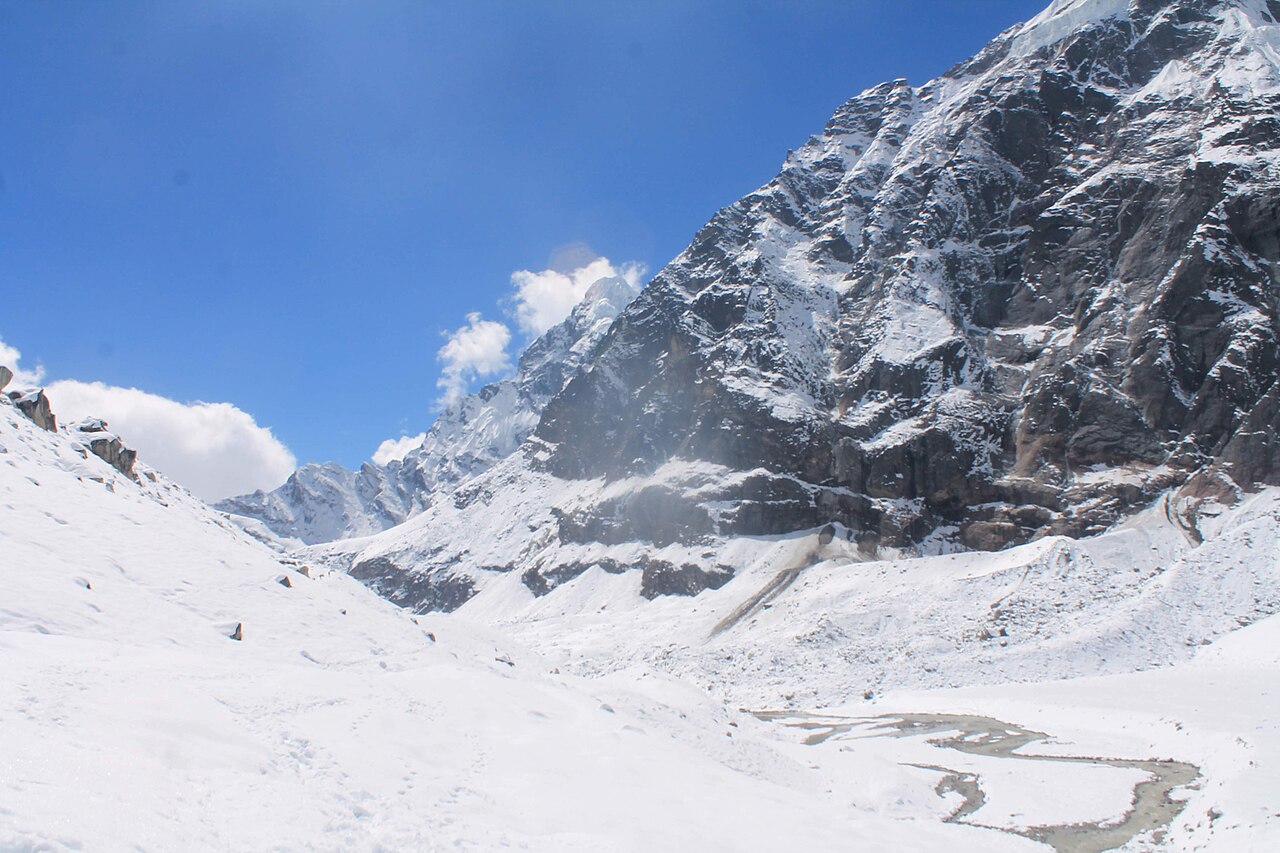
To build the endurance required for this wilderness trek, your physical training should begin at least three to four months before your departure date. Your regimen should focus heavily on cardiovascular conditioning, such as long-distance running, cycling, swimming, and stair climbing. The single best way to prepare for a trek, however, is to simulate the actual activity: put on a weighted backpack and spend your weekends hiking up and down steep trails in your local area. This type of training builds strength in your quadriceps, hamstrings, calves, and core, while conditioning your joints to handle the continuous impact of long alpine descents.
Once you are on the mountain, the golden rule of high-altitude survival is to move slowly at a relaxed pace. Experienced guides often emphasize this measured approach because it prevents your lungs from overworking and allows your cardiovascular system to gradually adapt to the decreasing atmospheric pressure. Hydration is equally critical; you should aim to drink multiple liters of fluids per day, including water, herbal teas, and electrolyte solutions. Proper hydration thins your blood, aids oxygen delivery, and counteracts the dehydrating effects of breathing dry, cold mountain air.
Finally, you must be hyper-aware of your body’s warning signs. Early symptoms of acute mountain sickness include persistent headaches, mild dizziness, loss of appetite, fatigue, and difficulty sleeping. If you experience these mild symptoms, the best remedy is to stop ascending, rest at your current altitude for 24 to 48 hours, and allow your body to stabilize. Under no circumstances should you ever hide your symptoms or continue climbing higher with a headache. If symptoms worsen into a severe cough, shortness of breath while resting, or a loss of physical coordination, it is a medical emergency that requires immediate descent to a lower altitude.
The Reality of High-Altitude Teahouses: While Makalu’s tea houses are extremely basic and require a tough mindset to endure, they are part of what makes this offbeat journey so authentic. If you prefer a trek where the physical demand is moderate and the accommodations are slightly more developed—similar to what you experience on the classic Annapurna Circuit trek—you might find the trekking infrastructure mentioned in our Mardi himal guide more suited to your current style of mountain exploration.
Trekking Style: Guided Group vs. Solo Independent
Given the isolated nature and technical challenges of the Makalu region, choosing the right style of travel is an essential step in your planning process. While some regions of Nepal allow for casual independent backpacking, the route to Makalu requires a much higher level of logistical support and mountain expertise.
For a trail of this caliber, a Guided Trek organized through an experienced group or private provider is the most popular and recommended travel style. This professional approach provides a safe, highly organized framework for the entire journey. It provides a seamless blend of logistics, professional safety management, and deep cultural insight. When you travel with a professional team, you are accompanied by a licensed, experienced trekking guide who provides vital safety monitoring, navigational support, and deep cultural interpretations. Furthermore, a pre-set itinerary and structured logistics ensure you have permits, internal flights, and local connections handled seamlessly, leaving you free to focus entirely on the trip.
Another massive advantage of a guided trek is the inclusion of professional mountain porters. Typically, one porter is assigned to carry luggage for two trekkers, maintaining a strict maximum weight limit of 20 to 25 kilograms per porter. Handing over your heavy main duffel bag to a local porter reduces physical strain on your knees and back, allowing you to walk comfortably with just a light daypack containing your camera, water, and warm layers. More importantly, hiring local guides and porters provides vital economic support directly to the mountain communities that call this region home.
This organized style is ideally suited for trekkers who are entirely new to the high-altitude trails of Nepal, those seeking a stress-free experience with all logistics managed professionally, or solo travelers who place a premium on safety and local knowledge. It delivers a well-rounded package of advantages, including hassle-free organization, expert guidance on altitude management, and a reduced physical burden on your body. This allows you to focus completely on the breathtaking environment rather than logistics.
Logistics, Cost, and Permits: Operational Information
Planning the finances and paperwork for a remote trek can feel overwhelming, but understanding the actual requirements makes it highly transparent. When booking a premium, all-inclusive 16-day package, your base cost is legally determined by the exact size of your group. For instance, a solo traveler can expect a base price of 2,000 dollars, while traveling in a private group of two reduces the individual rate to approximately 1,900 dollars per person. Private groups consisting of 3 to 4 people enjoy further discounted rates, bringing the cost down to about 1,880 dollars per person. For larger groups ranging up to eleven to fifteen people, the price reduces systematically down to 1,800 dollars per person.
To legally enter and trek through this restricted and protected wilderness zone, every international trekker must obtain two primary official government permits. The first is the mandatory Makalu Barun National Park Entry Permit. The second requirement is the Trekkers’ Information Management System card, widely known as the TIMS card. These permits are crucial for your safety as they register your itinerary with mountain rescue authorities at various checkpoints along the trail.
When you book through a registered agency, these specific operational costs are fully managed for you. The comprehensive package price covers your round-trip domestic flight tickets between Kathmandu and Tumlingtar, required airport transfers, and the vehicle transport directly to the trailhead at Num Village. On the trail, your simple lodge accommodation is completely covered, as are the full wages, food, clothing, logging, and mandatory insurance for your licensed English-speaking mountain guide and porters. The agency also provides access to specialized high-altitude gear like down jackets and four-season sleeping bags if you do not own them.
Conversely, you must budget carefully for the items that are explicitly excluded from your base booking price. You will need to budget independently for your hotel stays and meals while you are staying in the capital city of Kathmandu. Once on the trail, all personal snacks and specialized beverages such as bottled water, hot teas, specialty coffees, and soft drinks must be paid for out of pocket in cash. Personal medical travel insurance that explicitly covers high-altitude rescue is an absolute mandatory requirement that you must purchase independently. Finally, tipping your hard-working guides and porters at the end of the journey is a deeply rooted tradition in the Himalayas; while it remains entirely at your discretion, it is standard practice to budget a separate amount to honor their incredible physical work.
Best Times to Trek: Understanding the Seasons
The weather in the high Himalayas is notoriously unpredictable, making your choice of season the single most important factor in determining the success of your trek. The high passes along the Makalu route act as weather barriers, meaning that conditions can change rapidly from one valley to the next. The best times for this journey are between September and November, or from March to May.
The autumn season, stretching from September through November, is widely considered the absolute gold standard for high-altitude trekking in eastern Nepal. During these months, the massive monsoon rains have washed the atmosphere clean of dust and pollution, resulting in crystal-clear skies and crisp, sharp mountain views. The weather patterns are exceptionally stable, meaning there is a minimal risk of unexpected snowstorms blocking the high passes. While temperatures in the evening can drop well below freezing at base camp, the daytime walking conditions are pleasant, warm, and sunny, making it a joy to log hours on the trail.
The spring season, from March through May, offers a completely different but equally spectacular experience. This is the time when the subalpine valleys burst into life, with blooming flora and green scenery enhancing the visual appeal of the trek. The weather is generally warm during the day, though clouds can build up in the late afternoons, leading to occasional showers. The main challenge of early spring is that heavy winter snow accumulation can sometimes linger on the high trails around Makalu Base Camp, meaning the paths can occasionally be obstructed by heavy snowfall or bad weather.
Conversely, trekking during the summer monsoon season or the deep winter season presents major environmental hurdles. The monsoon brings relentless, heavy rain to the lower valleys, creating slick, muddy trails and a risk of landslides that can block the mountain roads. Winter, on the other hand, brings extreme cold and heavy snow accumulation that completely buries the trail and forces the high-altitude tea houses to close down entirely for the season.
Challenges and Considerations: Physicality and Logistics
Let’s be completely honest: the Makalu expedition presents moderate to severe difficulties, with several challenging high-altitude passes, meaning it requires strong physical preparation. This is a serious mountain expedition that requires physical stamina, mental resilience, and a deep respect for the volatility of the wilderness.
One of the primary challenges is the sheer nature of the terrain. The trail is a continuous series of steep, relentless ascents and descents. You will spend days walking up thousands of uneven stone steps, only to drop all the way back down to a riverbed before climbing back up the opposite side of the canyon. Hiking for five to six hours daily is advisable for successful completion, and you must be comfortable maintaining your focus on uneven, rocky trails while carrying a daypack. The continuous physical output over sixteen days can exhaust an unprepared body, making physical conditioning mandatory.
Logistical delays are another reality that you must build into your travel plans. Because domestic flights operate on visual flight rules, slight changes in weather, fog, or high winds can cause flight cancellations or delays. Furthermore, during the transition periods at the start or end of the monsoon season, heavy rains can trigger localized landslides that temporarily block the mountain roads. To protect yourself against these issues, it is essential to account for unforeseen delays due to severe weather, meaning you should always add two to three extra contingency days to your flight itinerary.
Essential Packing List: Gear Up for the Wild East
Because the Makalu trek is incredibly remote and lacks commercial shops along the route, forgetting a critical piece of gear can have serious consequences for your comfort and safety. Your gear must cover everything from humid, tropical conditions to freezing, sub-zero alpine blizzards. Here is a breakdown of the absolute essentials you should pack in your main duffel bag and daypack.
For clothing and layering systems, you must start with moisture-wicking base layers, consisting of synthetic or merino wool thermal tops and bottoms. These draw sweat away from your skin, keeping you dry and preventing chills during rest stops. For insulation, a lightweight fleece jacket is perfect to trap body heat during cool daytime walking. Your heavy outer layer should be a high-loft down jacket with a hood, rated for extreme cold, to keep you warm in the evenings at base camp. Finally, a breathable, fully waterproof jacket and pants will protect you from unexpected rain, wind, or mountain snowstorms.
For footwear and accessories, your primary requirement is a pair of sturdy, high-cut trekking boots with deep soles and excellent ankle support. Ensure your boots are thoroughly broken in months before your trip to prevent painful blisters. You should also bring a lightweight pair of sneakers or sandals to wear in the evenings, allowing your feet to air out and rest after a long day in heavy boots. For your extremities, pack several pairs of heavy-duty wool trekking socks, gloves, and insulated options for high-altitude sections.
For hardware, electronics, and personal care, a high-quality down sleeping bag rated for sub-zero temperatures is absolutely vital for a good night’s sleep in the high camps. You will also need adjustable trekking poles to reduce the impact on your knees during steep descents, Knee Support a headlamp with extra batteries for early morning pass crossings, and water treatment solutions to purify your drinking water safely. Finally, carry a personal first-aid kit that includes personal prescriptions, blister kits, and necessary high-altitude medications.
A Quick Note on Trekking Gear: The extreme weather variations from the tropical Barun Valley to the freezing heights of Makalu Base Camp mean your gear choice can make or break your expedition. Whether you are preparing layers for the high passes of the Manaslu Circuit trek or packing light for a tea-house trail like Mardi himal, the gear fundamentals remain quite similar, though Makalu requires significantly warmer and windproof layers.
Frequently Asked Questions (FAQs)
What is the maximum altitude reached on the Makalu Base Camp Trek?
The primary destination is Makalu Base Camp itself, which stands at an altitude of 4,870 meters. However, during the exploratory day hikes around the glacial basin, trekkers can ascend to a maximum elevation of 5,250 meters for panoramic views. Additionally, the main trail requires crossing the Shipton La Pass at 4,210 meters.
How difficult is this trek compared to the Everest Base Camp Trek?
The Makalu expedition is considered significantly more difficult and physically demanding than the Everest Base Camp Trek. While Everest has a highly developed trail with gradual slopes and extensive commercial facilities, Makalu features relentless, steep vertical climbs up stone steps, multiple high passes, and highly rustic, simple tea houses with fewer comforts.
What permits are required for the Makalu region and how much do they cost?
You require two main permits for this journey: the Makalu Barun National Park Entry Permit and the Trekkers’ Information Management System (TIMS) card. These permits are crucial for your safety as they register your itinerary with mountain rescue authorities at various checkpoints along the trail.
Is it mandatory to hire a guide and porter for this specific trek?
Yes, hiring a licensed guide is highly recommended and practically essential due to the extreme isolation, potential language barriers, and navigation challenges of the high passes. Porters are also vital to carry your heavy seasonal gear, ensuring you can focus on safety and walking through the high altitudes.
What kind of food is available in the tea houses along the trail?
The dining options are simple but highly nourishing. The staple meal is traditional lentils with rice, vegetable curry, and pickled greens, offering generous refills. You can also find variations of noodles, fried rice, boiled potatoes, eggs, and porridge. Western food options are very limited compared to popular commercial routes.
Are there ATM facilities available anywhere on the trekking route?
No, there are absolutely no ATM or credit card facilities once you leave Kathmandu or the small town of Tumlingtar. You must carry an adequate amount of cash in Nepalese Rupees from Kathmandu to cover all your personal daily expenses like charging, hot showers, and snacks.
How much should I budget for daily out-of-pocket expenses?
You should budget approximately fifteen to twenty-five dollars per day in local currency. This cash will be used to pay for charging electronic devices, accessing Wi-Fi where available, buying hot showers, purchasing snacks or specialty beverages, and tipping your trekking crew at the end of the journey.
Is there reliable mobile network coverage or Wi-Fi on the trek?
Mobile network coverage is highly unstable and disappears entirely once you walk deep into the national park. Some tea houses in lower camps may offer basic Wi-Fi for an extra daily fee, but you should prepare to be completely disconnected from the outside world for most of the trip.
What happens in case of a severe medical emergency or altitude sickness?
In case of severe acute mountain sickness or serious injury, the only option for evacuation from the high valleys is a helicopter rescue. This is why it is strictly mandatory to purchase comprehensive travel insurance that explicitly covers emergency helicopter evacuation up to high elevations before arriving in Nepal.
Can I do the Makalu Base Camp Trek during the winter season?
Trekking to Makalu in the winter is highly discouraged and dangerous. Heavy snow completely blocks the high passes, making navigation impossible, and the temperatures at base camp drop to extreme sub-zero levels. All local tea houses in the upper valley close down completely from December to February.
How do I manage drinking water safely throughout the trip?
You should never drink untreated tap or stream water on the trail. You can purchase boiled water from the tea houses or carry reusable water bottles and treat the water yourself using high-quality purification tablets, drops, or a portable filtration device.
How big are the group sizes and what are the cost variations?
The package cost varies based on your group size. A solo private trek has a base price of 2,000 dollars, while a group of two drops the price to 1,900 dollars per person. Private groups of three to four people enjoy further discounts, and the price reduces systematically for larger organized group sizes.
Final Thoughts: The Spirit of Mountain Adventure
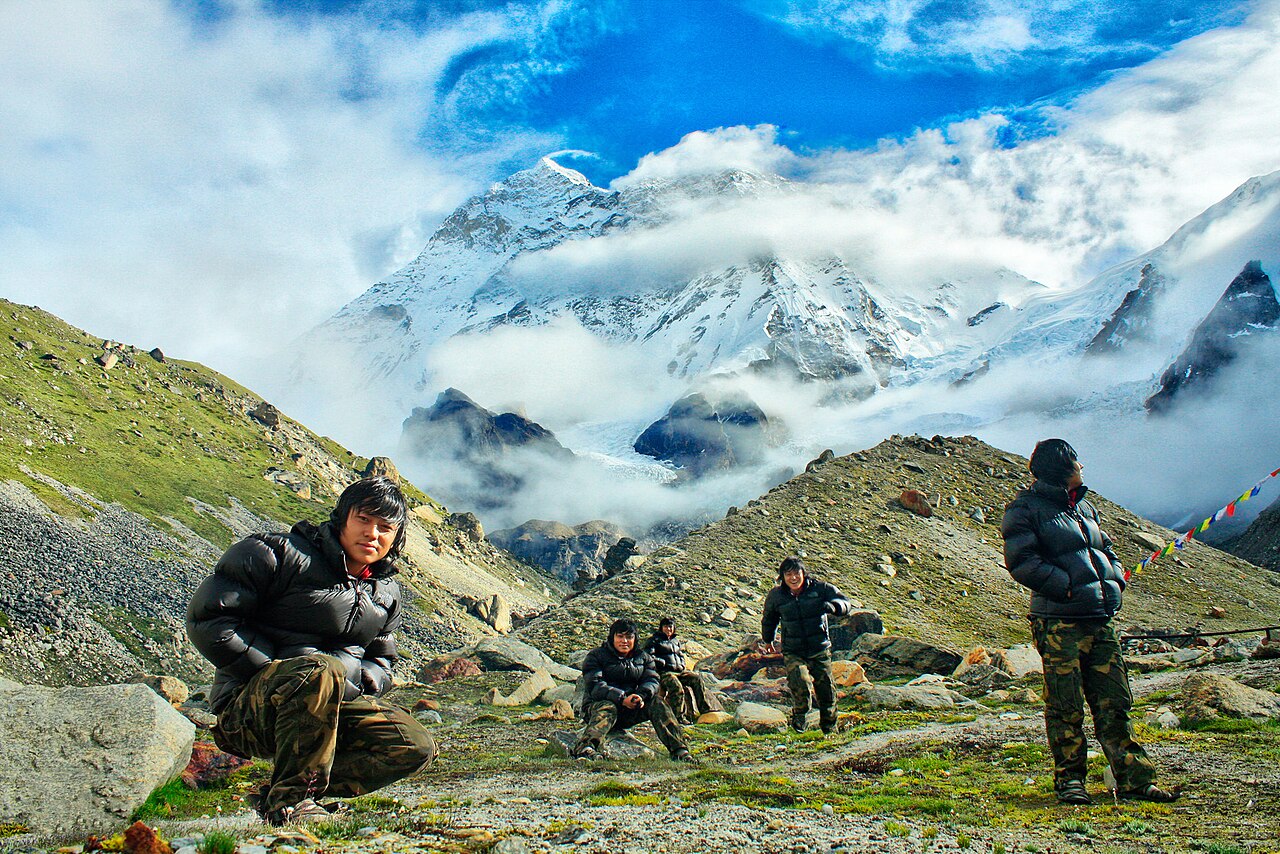
The Makalu Base Camp Trek is more than just a physical challenge; it is a journey back in time to the golden age of Himalayan exploration. It is a path reserved for those who understand that the best views come after the hardest climbs, and that true luxury lies in the quiet stillness of an untouched mountain valley. It is an experience that stays with you long after the dust has been washed from your boots and the stamps have dried in your passport.
By stepping onto this trail, you are choosing an adventure that tests your limits while offering a rare, intimate look at the true heart of Nepal’s mountain culture. You will stand face-to-face with giants, walk through valleys unchanged for centuries, and build bonds with your guiding team that will last a lifetime. If you are ready to leave the crowds behind, embrace the raw beauty of the wild east, and write your own chapter of Himalayan adventure, the trail to Makalu is waiting for you. Let Epic Himalayan Trails guide you into the wild.
ABOUT AUTHOR
Afjal Khan
Afjal Khan is the founder of Epic Himalayan Trails and a passionate Himalayan trekker. He shares trekking guides, route information, itineraries, and practical travel tips to help trekkers plan better journeys across Nepal and the Indian Himalayas. Through Epic Himalayan Trails, his goal is to make trekking information simple, reliable, and useful for both beginners and experienced trekkers.