Mardi Himal Trek Overview
The Mardi Himal Trek is one of Nepal’s most rewarding short Himalayan adventures. Located in the famous Annapurna region, this trek offers an incredible combination of mountain views, traditional villages, rhododendron forests, and high-altitude ridges without requiring weeks on the trail.
While routes like and Everest Base Camp attract most trekkers, the Mardi Himal Trek remains a quieter alternative that delivers equally memorable scenery in a much shorter timeframe. Within just a few days, trekkers can leave the busy streets of Pokhara behind and find themselves walking among some of the most spectacular landscapes in the Himalayas.
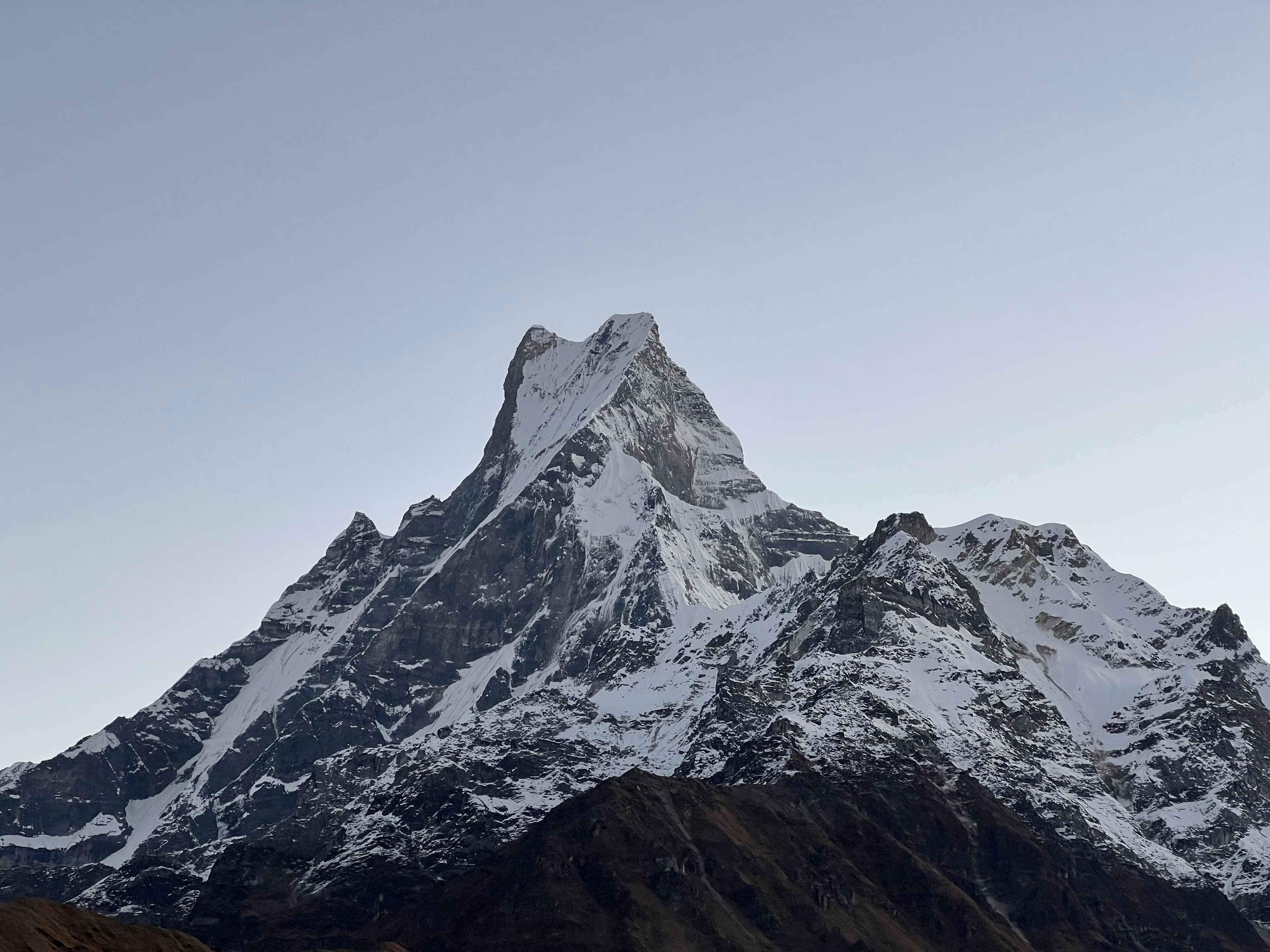
The trek takes its name from Mardi Himal, a beautiful peak situated below the dramatic south face of Machapuchare, also known as Fishtail Mountain. Throughout the journey, Machapuchare dominates the skyline and becomes one of the most unforgettable sights of the entire trek.
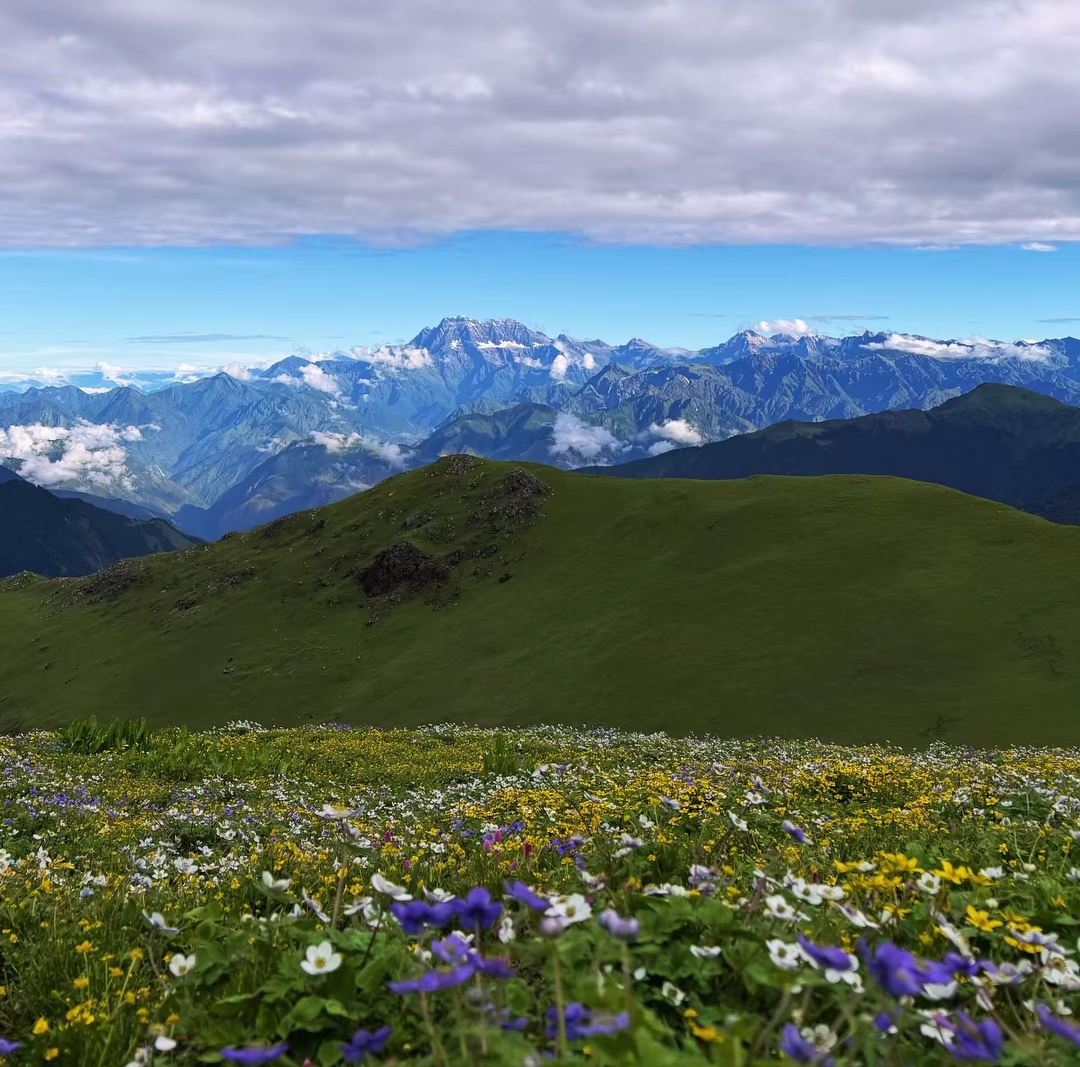
What makes the Mardi Himal Trek special is the speed at which the environment changes. The trail begins among terraced farmlands and small villages before climbing through dense forests filled with rhododendron and oak trees. Higher up, the forests give way to open ridges where panoramic mountain views stretch in every direction.
Unlike many famous Himalayan routes that require two or three weeks of walking, the Mardi Himal Trek can usually be completed within five to seven days. This makes it an excellent option for travelers with limited time who still want an authentic trekking experience in Nepal.
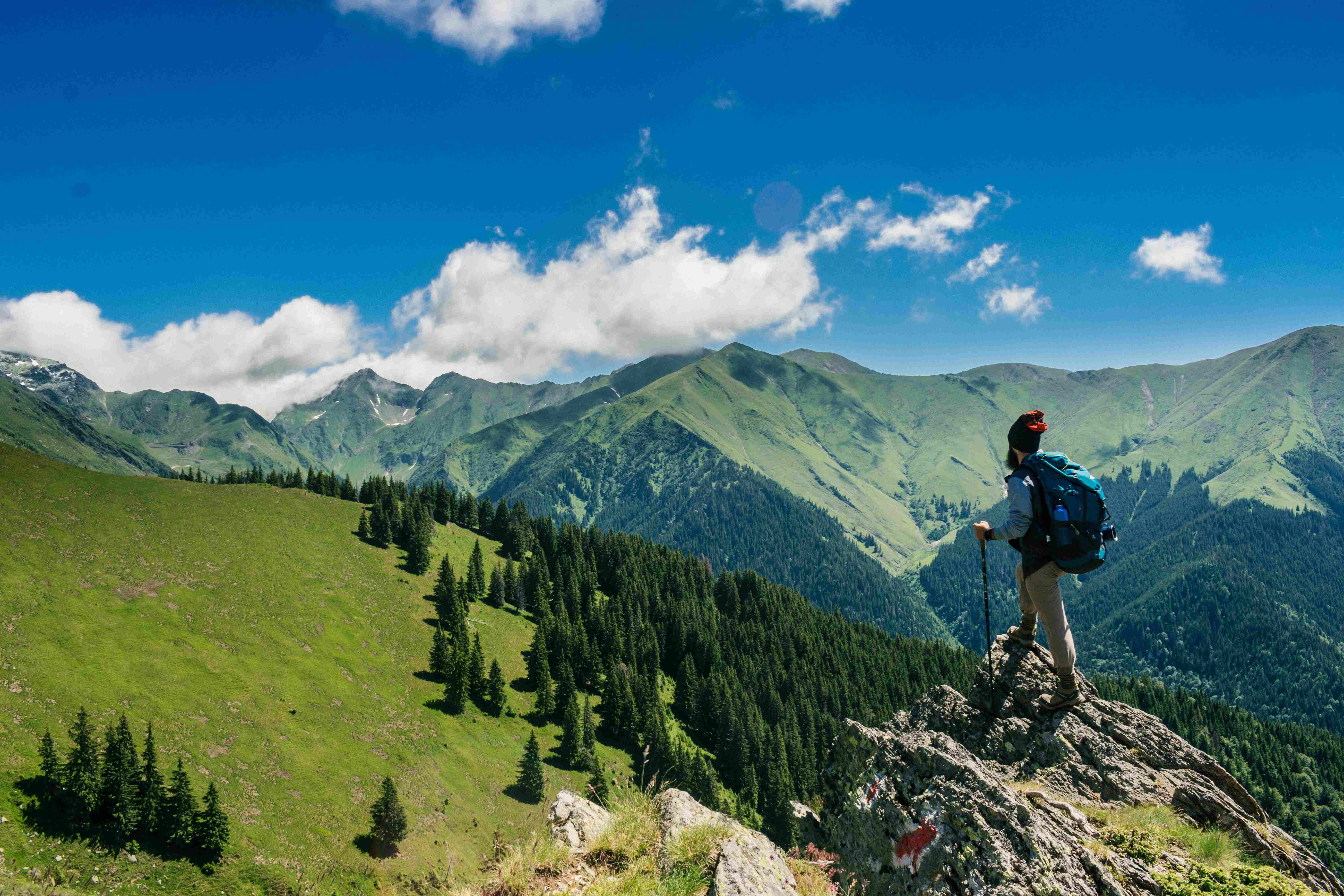
For beginners, the route provides a manageable introduction to high-altitude trekking. For experienced hikers, it offers peaceful trails, stunning viewpoints, and a refreshing alternative to Nepal’s busier trekking destinations.
If you want the massive views of a 3-week trek in just 5 days, this is the trail to pick.
If you’re planning to trek in the Annapurna region, you may have already come across the Annapurna Base Camp Trek. While ABC is one of Nepal’s most popular routes, Mardi Himal offers a quieter trail, fewer crowds, and equally impressive mountain views, making it an excellent choice for trekkers seeking a more peaceful experience.
Why the Mardi Himal Trek Is Worth It
There are countless trekking routes in Nepal, but few provide the same balance of accessibility, scenery, and adventure as the Mardi Himal Trek.
One of the biggest reasons trekkers choose this route is the incredible effort-to-reward ratio. You do not need weeks of walking or extreme physical endurance to enjoy some of the finest mountain scenery in the country.
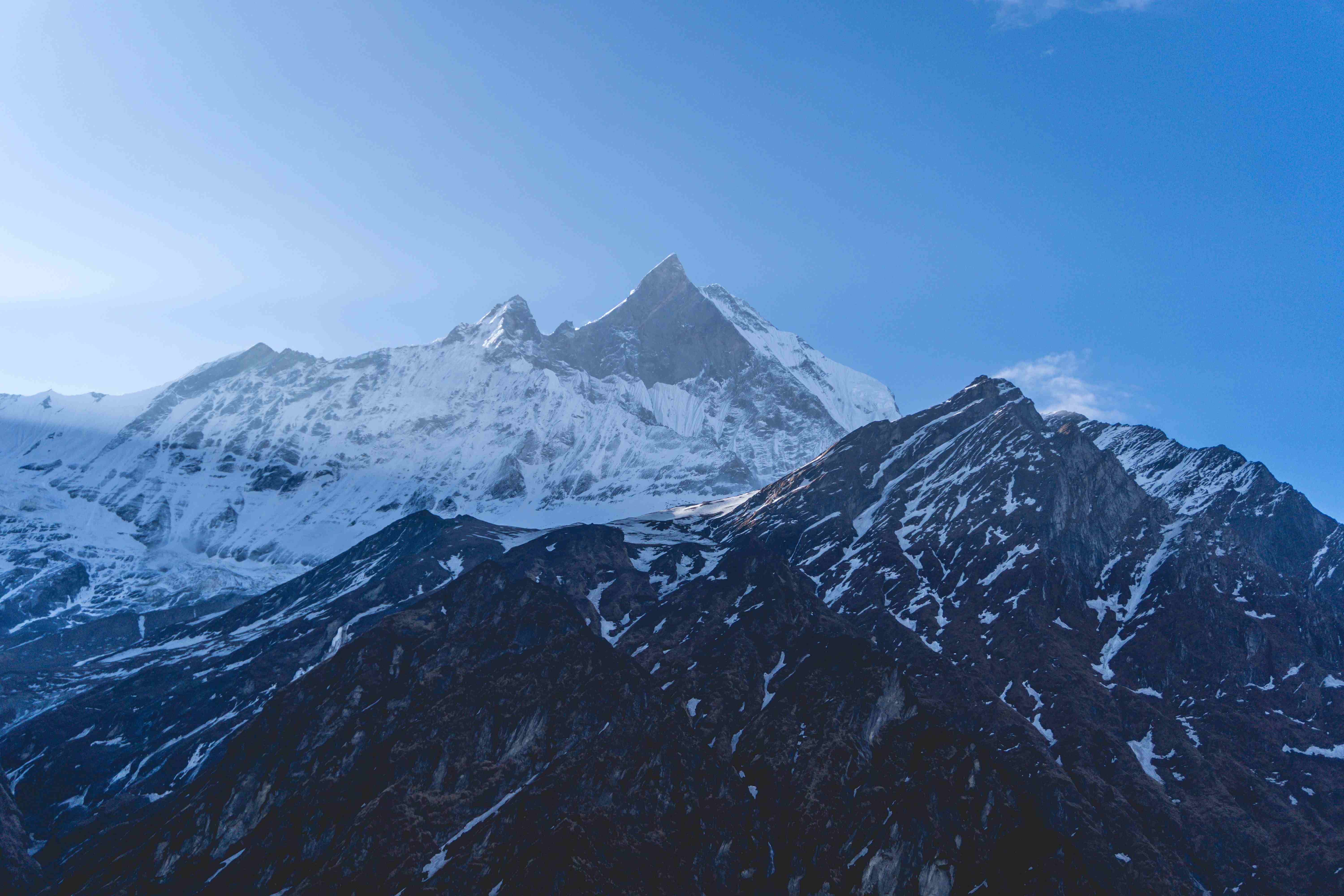
The diversity of landscapes is another major highlight. During a single trek, you’ll experience traditional villages, terraced hillsides, lush forests, alpine meadows, exposed ridgelines, and dramatic Himalayan viewpoints.
The mountain views improve every day.
Many trekkers are surprised by how close they feel to the peaks. Rather than viewing the mountains from a distance, the route gradually brings you directly beneath towering Himalayan giants.
Machapuchare becomes the star of the show. Its iconic fishtail-shaped summit appears throughout the trek and looks increasingly dramatic as you gain altitude. Alongside Machapuchare, you’ll also enjoy views of Annapurna South, Hiunchuli, Mardi Himal, and numerous surrounding peaks.
The peaceful atmosphere is another reason the trek has become increasingly popular. Even during Nepal’s busiest trekking seasons, Mardi Himal often feels quieter than Annapurna Base Camp or Everest Base Camp.
Long stretches of trail pass through forests and ridges where the only sounds are birds, wind, and distant mountain streams.
For travelers seeking a genuine Himalayan experience without overwhelming crowds, the Mardi Himal Trek is difficult to beat.
Mardi Himal Trek Quick Facts
| Category | Details |
|---|---|
| Trek Name | Mardi Himal Trek |
| Region | Annapurna Region |
| Country | Nepal |
| Duration | 5–7 Days |
| Distance | Approximately 40–50 km |
| Maximum Altitude | 4,500 m |
| Difficulty | Moderate |
| Best Seasons | Spring & Autumn |
| Starting Point | Kande |
| Ending Point | Siding Village |
| Accommodation | Tea Houses |
| Highest Overnight Stay | High Camp (3,580 m) |
| Permit Required | Yes |
| Guide Required | Check latest Nepal regulations |
Best Time to Visit the Mardi Himal Trek
Choosing the right season can significantly improve your experience on the Mardi Himal Trek.
Although the route remains accessible for most of the year, certain seasons provide better weather, clearer mountain views, and more comfortable trekking conditions.
Spring Season for the Mardi Himal Trek (March to May)
Spring is widely regarded as one of the best times to complete the Mardi Himal Trek.
The weather is generally stable, temperatures are comfortable, and the forests become incredibly colorful as rhododendron flowers bloom across the hillsides.
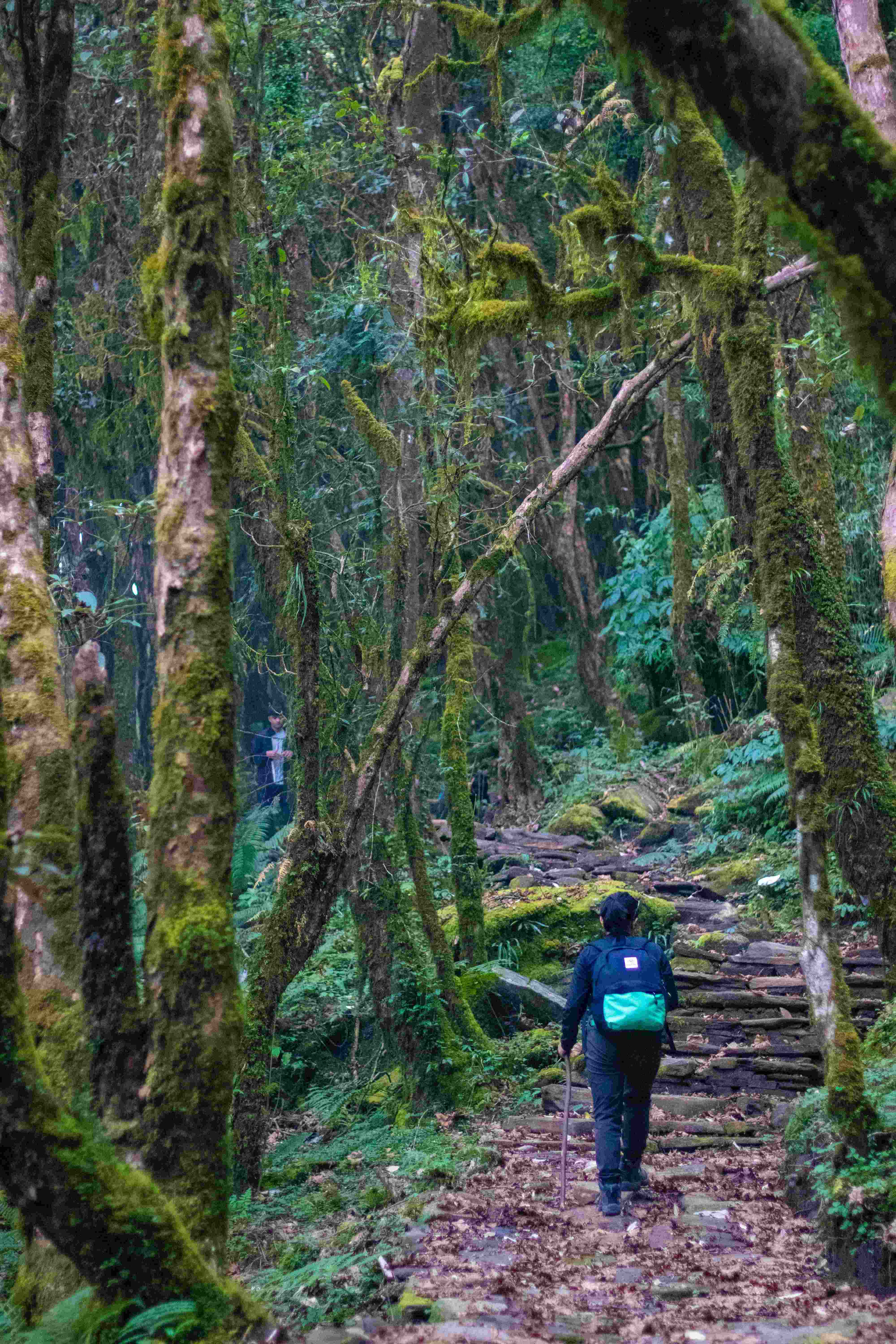
Walking through these forests during peak flowering season feels magical. Shades of red, pink, and white create a vibrant contrast against the snow-covered Himalayan peaks in the background.
Mountain visibility is often excellent during the mornings, making spring particularly popular among photographers and nature lovers.
Autumn Season for the Mardi Himal Trek (September to November)
Autumn is considered Nepal’s premier trekking season.
Following the monsoon rains, the atmosphere becomes remarkably clear. Dust and haze disappear, creating some of the sharpest mountain views of the entire year.
Weather conditions are generally reliable, rainfall is minimal, and daytime temperatures remain comfortable for trekking.
Because of these ideal conditions, autumn attracts the largest number of trekkers. However, Mardi Himal still feels considerably less crowded than some of Nepal’s most famous trekking routes.
Winter Season for the Mardi Himal Trek (December to February)
Winter offers a completely different experience.
The upper sections of the trail frequently receive snowfall, transforming the landscape into a stunning alpine environment.
The mountains often appear exceptionally clear during winter, and trekkers who don’t mind cold temperatures are rewarded with quieter trails and peaceful surroundings.
Night temperatures at High Camp regularly fall below freezing, so proper winter clothing becomes essential.
Monsoon Season for the Mardi Himal Trek (June to August)
Monsoon season brings lush green landscapes and fewer visitors.
The forests become vibrant, waterfalls appear throughout the region, and the countryside feels alive with vegetation.
However, heavy rainfall can create muddy trails, reduce mountain visibility, and make trekking more challenging.
Unless you specifically enjoy rainy conditions and solitude, spring and autumn generally provide a better overall experience.
Mardi Himal Trek Difficulty Level
The Mardi Himal Trek is generally classified as a moderate Himalayan trek.
This means that while the route is achievable for most healthy individuals, it still requires a reasonable level of fitness and preparation.
One of the biggest misconceptions about the trek is that its short duration makes it easy.
While the trek is shorter than many famous Himalayan routes, there are still several physically demanding sections.
Most trekking days involve four to seven hours of walking. The trails include numerous uphill and downhill sections, stone staircases, forest paths, and exposed ridgelines.
The climb from Low Camp to High Camp is often considered the most challenging section before the final viewpoint day.
As altitude increases, many trekkers notice that breathing becomes slightly more difficult and progress naturally slows.
Fortunately, no technical climbing skills are required.
You do not need ropes, crampons, mountaineering equipment, or previous trekking experience.
For beginners, a few weeks of physical preparation can make a significant difference. Activities such as hiking, jogging, cycling, swimming, or stair climbing help build the stamina needed for consecutive days of trekking.
The highest point of the Mardi Himal Trek reaches approximately 4,500 meters at Mardi Himal View Point.
Although serious altitude sickness is relatively uncommon on this route, mild symptoms such as headaches, fatigue, or difficulty sleeping can occur.
Walking slowly, drinking plenty of water, and maintaining a steady pace are the best ways to reduce altitude-related problems.
For most travelers with average fitness levels and a positive attitude, the Mardi Himal Trek is challenging enough to feel rewarding while remaining accessible enough for first-time Himalayan trekkers.
The steep stone steps here can be tough on your knees, so keeping trekking poles handy is highly recommended.
If you don’t have the time required for the Everest Base Camp Trek, Mardi Himal can be a great alternative. The trek is shorter, reaches a lower altitude, and still rewards trekkers with spectacular Himalayan scenery throughout the journey.
Mardi Himal Trek Altitude Profile
| Location | Altitude |
|---|---|
| Pokhara | 822 m |
| Kande | 1,770 m |
| Forest Camp | 2,550 m |
| Low Camp | 2,970 m |
| High Camp | 3,580 m |
| Mardi Himal View Point | 4,500 m |
| Siding Village | 1,700 m |
Most trekkers who experience mild altitude symptoms report headaches, reduced appetite, unusual tiredness, or difficulty sleeping.
Fortunately, the standard itinerary allows for gradual altitude gain, which helps the body adapt naturally.
To reduce the risk of altitude problems during the Mardi Himal Trek:
• Walk slowly and maintain a comfortable pace.
• Drink plenty of water throughout the day.
• Avoid excessive alcohol consumption.
• Eat regular meals even if your appetite decreases.
• Listen to your body and never ignore symptoms.
The mountains are best enjoyed slowly, and maintaining a steady pace is often the most effective acclimatization strategy.
Food and Accommodation on the Mardi Himal Trek
One of the most enjoyable aspects of trekking in Nepal is discovering how comfortable tea house trekking can be. Many first-time visitors expect extremely basic conditions, but the Mardi Himal Trek offers a surprisingly pleasant experience considering its remote mountain setting.
Accommodation along the route is provided by tea houses and small family-run lodges located at key overnight stops such as Forest Camp, Low Camp, Badal Danda, and High Camp. Rooms are generally simple, usually consisting of twin beds, mattresses, pillows, and blankets. Luxury should not be expected, especially at higher elevations, but most trekkers find the facilities perfectly adequate after a long day on the trail.
As you gain altitude, accommodation naturally becomes more basic. Supplies have to be carried higher into the mountains, which limits what tea houses can provide. Shared bathrooms are common, and hot showers may be available for an additional fee depending on the location and season.
The dining rooms often become the social center of the trek. In the evenings, trekkers gather around warm stoves, enjoy hot drinks, exchange stories, and prepare for the next day’s adventure. These simple moments frequently become some of the most memorable parts of the entire experience.
Food on the Mardi Himal Trek is far better than many people expect. The classic trekking meal is Dal Bhat, a traditional Nepali combination of rice, lentil soup, vegetables, and curry. It remains the most popular choice because it provides excellent energy for long days of walking.
Most tea houses also serve a variety of international and local dishes including fried rice, noodles, soups, pasta, pancakes, eggs, potatoes, toast, and momos. Portions are generally generous, and the menus become surprisingly extensive considering the remote location of many lodges.
One thing worth remembering is that food prices increase with altitude. Everything consumed on the trail must be transported into the mountains, so higher prices are a normal part of trekking throughout Nepal.
Mardi Himal Trek Packing List
Packing correctly can significantly improve your trekking experience. The goal is not to carry more equipment but to carry the right equipment.
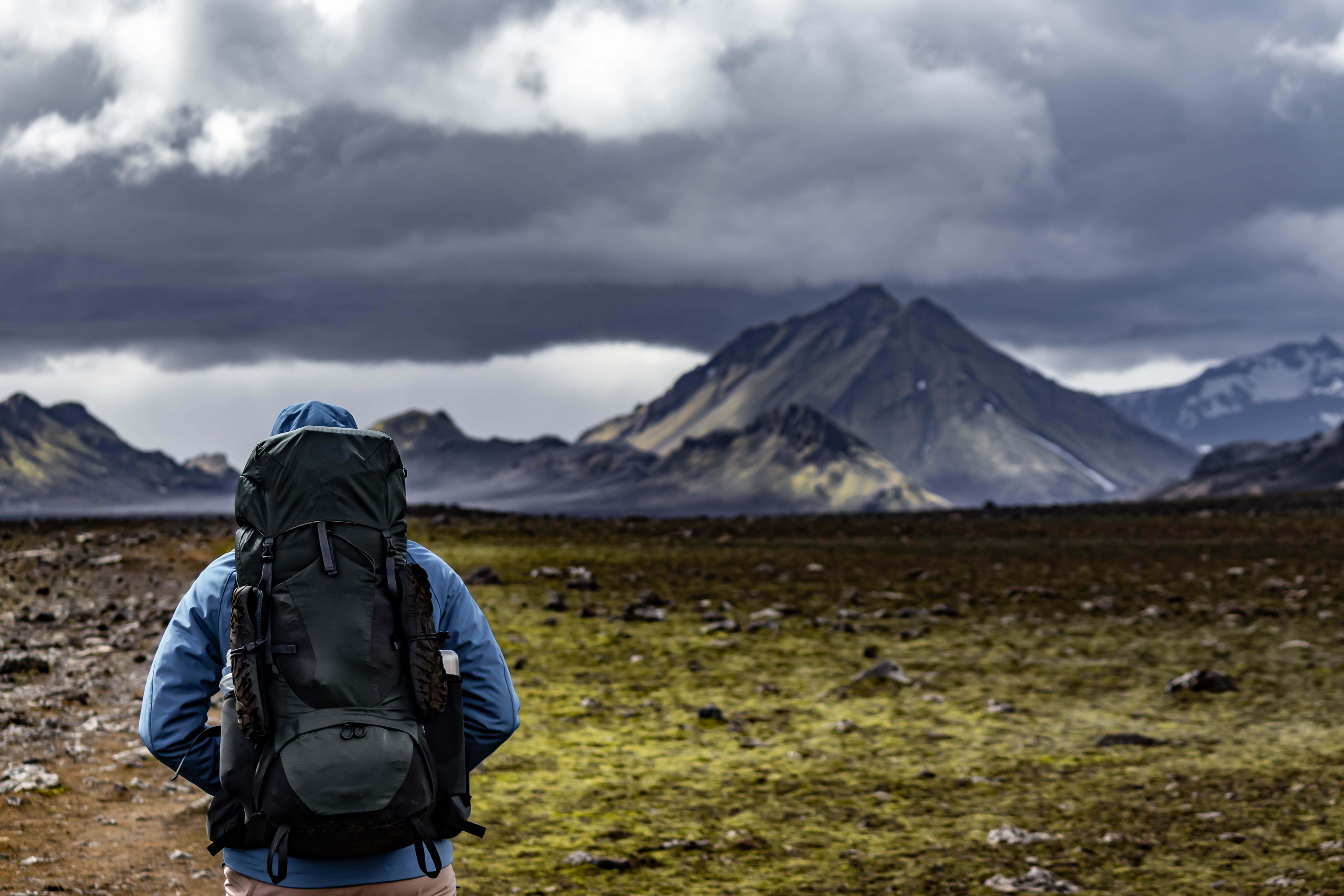
Weather conditions on the Mardi Himal Trek can vary dramatically between the lower villages and High Camp. A sunny afternoon can quickly turn into a cold evening, especially during spring, autumn, and winter. For this reason, layering is far more important than carrying bulky clothing.
A good pair of trekking boots is arguably the most important item in your backpack. Comfortable footwear can make the difference between enjoying the journey and struggling through it. Lightweight trekking clothes, thermal layers, a fleece jacket, a warm down jacket, and waterproof outerwear are strongly recommended for changing mountain conditions.
Small items are often overlooked but can prove extremely valuable. Sunglasses, sunscreen, lip balm, gloves, and a warm hat help protect against intense mountain sun and cold temperatures. A reusable water bottle is essential, while a power bank becomes useful because charging facilities are limited and sometimes expensive at higher elevations.
Comfortable footwear can make the difference between enjoying the journey and struggling through it. Don’t forget to pack good trekking socks too.
Trekking poles are another item many hikers underestimate before starting the trek. While they may seem unnecessary at first, they become extremely helpful on long descents and can reduce strain on the knees.
The biggest packing mistake most first-time trekkers make is bringing too much. Extra clothing, unnecessary electronics, and heavy items quickly become frustrating after several days of walking. Packing light almost always leads to a more enjoyable trekking experience.
Mardi Himal Trek Permits and Costs (2026)
Before beginning the Mardi Himal Trek, trekkers must obtain the necessary permits required for travel within the Annapurna region.
The most important permit is the Annapurna Conservation Area Permit (ACAP), which helps support conservation efforts, trail maintenance, and sustainable tourism initiatives throughout the region. Permit regulations can occasionally change, so checking the latest requirements before traveling is always recommended.
The overall cost of the trek depends largely on your travel style. Budget-conscious trekkers who stay in basic tea houses and manage their own arrangements can usually complete the trek for approximately $250 to $400 USD. This generally covers accommodation, meals, permits, and local transportation.
For those seeking a more comfortable experience with guide services and better accommodation, costs often range between $450 and $700 USD. Trekkers who prefer private transportation, dedicated guides, porter support, and premium services may spend anywhere from $800 to $1,300 USD or more.
Although independent trekking can reduce costs, many visitors find that hiring a knowledgeable local guide adds considerable value through navigation assistance, cultural insights, and additional safety in the mountains.
How to Reach the Mardi Himal Trek Starting Point
The journey to the Mardi Himal Trek usually begins in Kathmandu, Nepal’s capital city. Most international travelers arrive here before continuing onward to Pokhara, the gateway to the Annapurna region.
Traveling from Kathmandu to Pokhara is straightforward. The fastest option is a domestic flight, which takes roughly twenty-five minutes and offers spectacular views of the Himalayas during clear weather. Those looking for a more budget-friendly option can choose a tourist bus, which typically takes between six and eight hours depending on road conditions.
Once in Pokhara, reaching the trek’s starting point is simple. Most itineraries begin from Kande, a small settlement located about forty-five minutes to one hour from the city. Taxis, private vehicles, and shared jeeps are widely available and can usually be arranged through hotels or local travel agencies.
The short drive to Kande marks the transition from city life to mountain adventure. Within a surprisingly short time, the bustling atmosphere of Pokhara is replaced by quiet villages, terraced farmland, and the first glimpses of the mountains ahead.
Many trekkers visit the Annapurna region for the famous Annapurna Circuit Trek, but Mardi Himal has become increasingly popular among those looking for a shorter adventure. The route offers beautiful forests, ridge walks, and close-up views of Machhapuchhre without requiring several weeks on the trail.
Insider Tips for the Mardi Himal Trek
A few simple decisions can greatly improve your overall trekking experience.
Starting early each morning is one of the best habits you can develop on the trail. Mountain weather is often most stable during the early hours of the day, and visibility tends to be significantly better before afternoon clouds begin forming around the peaks.
Another useful tip is to carry sufficient cash from Pokhara. While tea houses provide food, accommodation, charging facilities, and Wi-Fi, electronic payment options remain limited. Having enough local currency avoids unnecessary inconvenience later in the trek.
Many trekkers also underestimate the importance of pacing themselves. The mountains reward patience rather than speed. Walking at a comfortable rhythm conserves energy, improves acclimatization, and allows you to appreciate the scenery far more fully.
Photography enthusiasts should pay particular attention to sunrise. Early morning light often creates the clearest mountain views and the most dramatic colors across peaks such as Machapuchare and Annapurna South.
Perhaps the most important advice of all is to occasionally put the camera away. Some of the most memorable moments in the Himalayas are best experienced directly rather than through a screen.
Common Mardi Himal Trek Mistakes to Avoid
One of the most common mistakes trekkers make is underestimating mountain temperatures. Warm afternoons often create a false sense of comfort, leading some hikers to carry insufficient clothing for cold evenings at higher elevations.
Another frequent error is packing far too much gear. Many first-time trekkers arrive with heavy backpacks filled with items they never actually use. By the second or third day, most wish they had packed considerably lighter.
Hydration is another area where mistakes occur. The cool mountain climate can reduce feelings of thirst, causing trekkers to drink less water than their bodies require. This can contribute to headaches, fatigue, and reduced performance at altitude.
Some hikers also make the mistake of focusing entirely on reaching the viewpoint. While the viewpoint is undoubtedly spectacular, the forests, villages, ridges, and everyday moments along the route are equally important parts of the experience.
The Mardi Himal Trek is not a race. Taking time to enjoy the journey often leads to the most rewarding memories.
Mardi Himal Trek Safety Tips
The Mardi Himal Trek is generally considered one of Nepal’s safer trekking routes, but sensible precautions remain essential in any mountain environment.
Weather conditions can change rapidly, particularly at higher elevations. A bright and sunny morning can quickly turn into fog, rain, or strong winds. Carrying waterproof clothing at all times is a simple precaution that can prevent significant discomfort later in the day.
Altitude is another important consideration. Although Mardi Himal does not reach extreme Himalayan elevations, the viewpoint still stands at approximately 4,500 meters. Walking slowly, staying hydrated, and paying attention to your body’s signals are the most effective ways to minimize altitude-related issues.
Comprehensive travel insurance is strongly recommended, especially for international visitors. Medical treatment and emergency evacuation services in remote mountain regions can be extremely expensive without adequate coverage.
Above all, good judgment is your greatest safety tool. If weather conditions deteriorate or you begin feeling unwell, adjusting your plans is always a wiser decision than pushing forward unnecessarily.
Responsible Trekking on the Mardi Himal Trek
The Annapurna region is one of Nepal’s most valuable natural treasures, and responsible trekking helps preserve it for future generations.
Carrying a reusable water bottle is one of the easiest ways to reduce environmental impact. Plastic waste remains a challenge in many trekking regions, and small choices made by individual travelers can collectively make a significant difference.
Respect for local communities is equally important. The villages along the route are home to families who have lived in these mountains for generations. Simple gestures such as greeting local residents, respecting cultural traditions, and supporting locally owned tea houses help create positive relationships between visitors and communities.
Staying on established trails also helps protect fragile mountain ecosystems. What appears to be a harmless shortcut can contribute to erosion and long-term environmental damage when repeated by thousands of trekkers over time.
The principle is simple: leave the trail exactly as you found it so that future visitors can enjoy the same beauty and sense of discovery.
Another excellent trekking option in Nepal is the Langtang Valley Trek. Known for its scenic mountain views, welcoming local communities, and relatively short duration, it is a great choice for trekkers looking to explore a different side of the Himalayas.
Mardi Himal Trek FAQs
Is the Mardi Himal Trek worth it?
Absolutely. The trek offers exceptional Himalayan scenery, beautiful forests, peaceful trails, and rewarding viewpoints without requiring a lengthy expedition.
Can beginners complete the Mardi Himal Trek?
Yes. Most healthy individuals with a reasonable level of fitness can complete the trek successfully, even without previous trekking experience.
How many days are required for the Mardi Himal Trek?
Most trekkers complete the route in five to seven days, with six days being one of the most popular itineraries.
What is the highest point of the Mardi Himal Trek?
The highest point is Mardi Himal View Point, located at approximately 4,500 meters above sea level.
Which season is best for the Mardi Himal Trek?
Spring and autumn are generally considered the best seasons because they offer stable weather, excellent visibility, and comfortable trekking conditions.
Final Thoughts on the Mardi Himal Trek
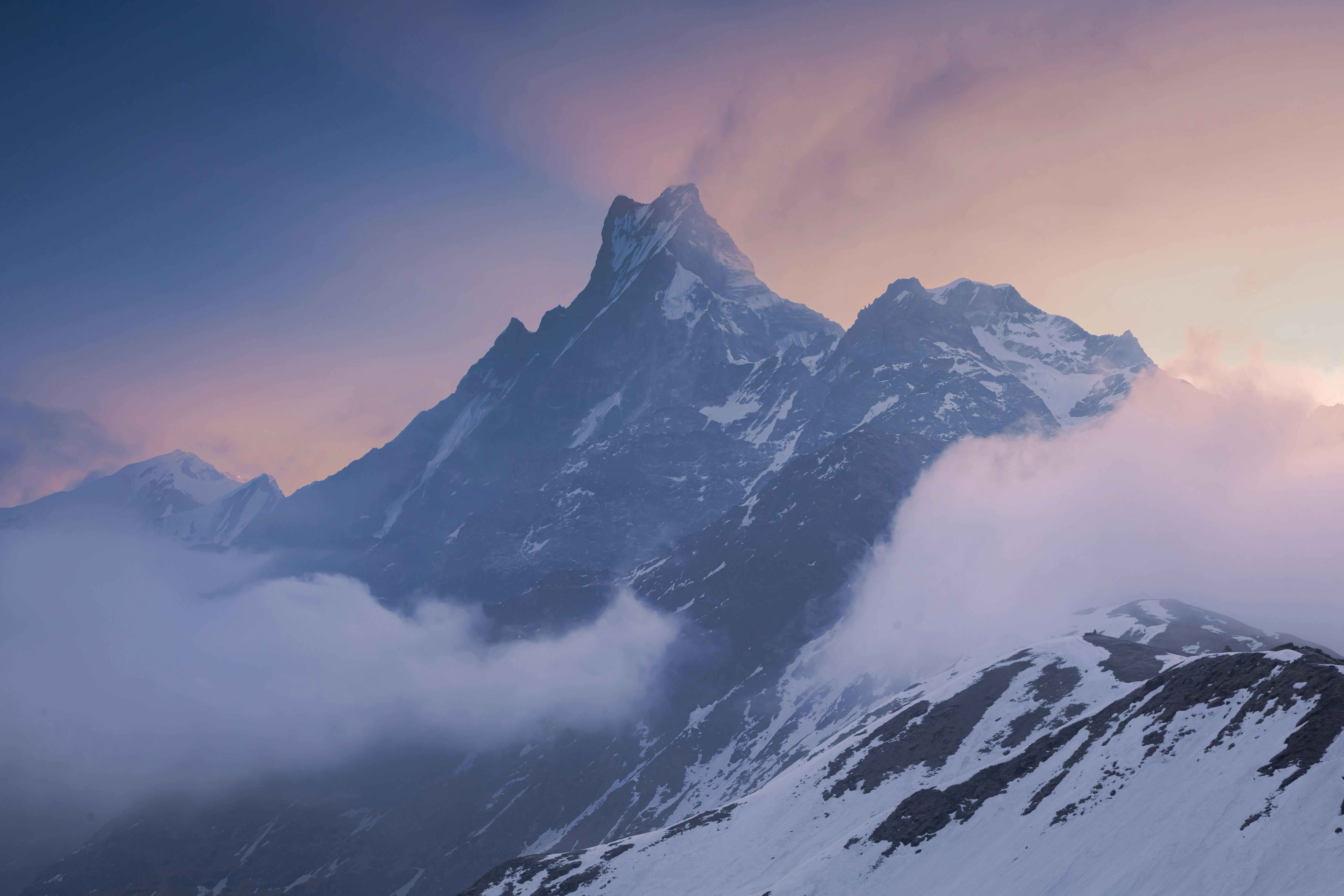
The Mardi Himal Trek perfectly demonstrates why Nepal remains one of the world’s greatest trekking destinations.
In just a few days, the route delivers an extraordinary combination of mountain scenery, traditional culture, peaceful forests, and high-altitude adventure. Few treks provide such a rewarding experience within such a manageable timeframe.
What stays with most trekkers long after the journey ends is not only the view from the top but the entire experience. The quiet forest trails, the welcoming tea houses, the changing landscapes, and the first sight of the sun touching the peaks each morning all become part of the memory.
Whether you’re planning your first trek in Nepal or searching for a quieter alternative to the country’s famous routes, the Mardi Himal Trek offers an adventure that is both accessible and unforgettable.
Long after you’ve returned home, there’s a good chance the mountains of Mardi Himal will continue calling you back.
:For trekkers who enjoy remote mountain trails and want a more challenging adventure after Mardi Himal, the Manaslu Circuit Trek is well worth considering. Its rugged landscapes, traditional villages, and off-the-beaten-path atmosphere make it one of Nepal’s most rewarding trekking experiences.
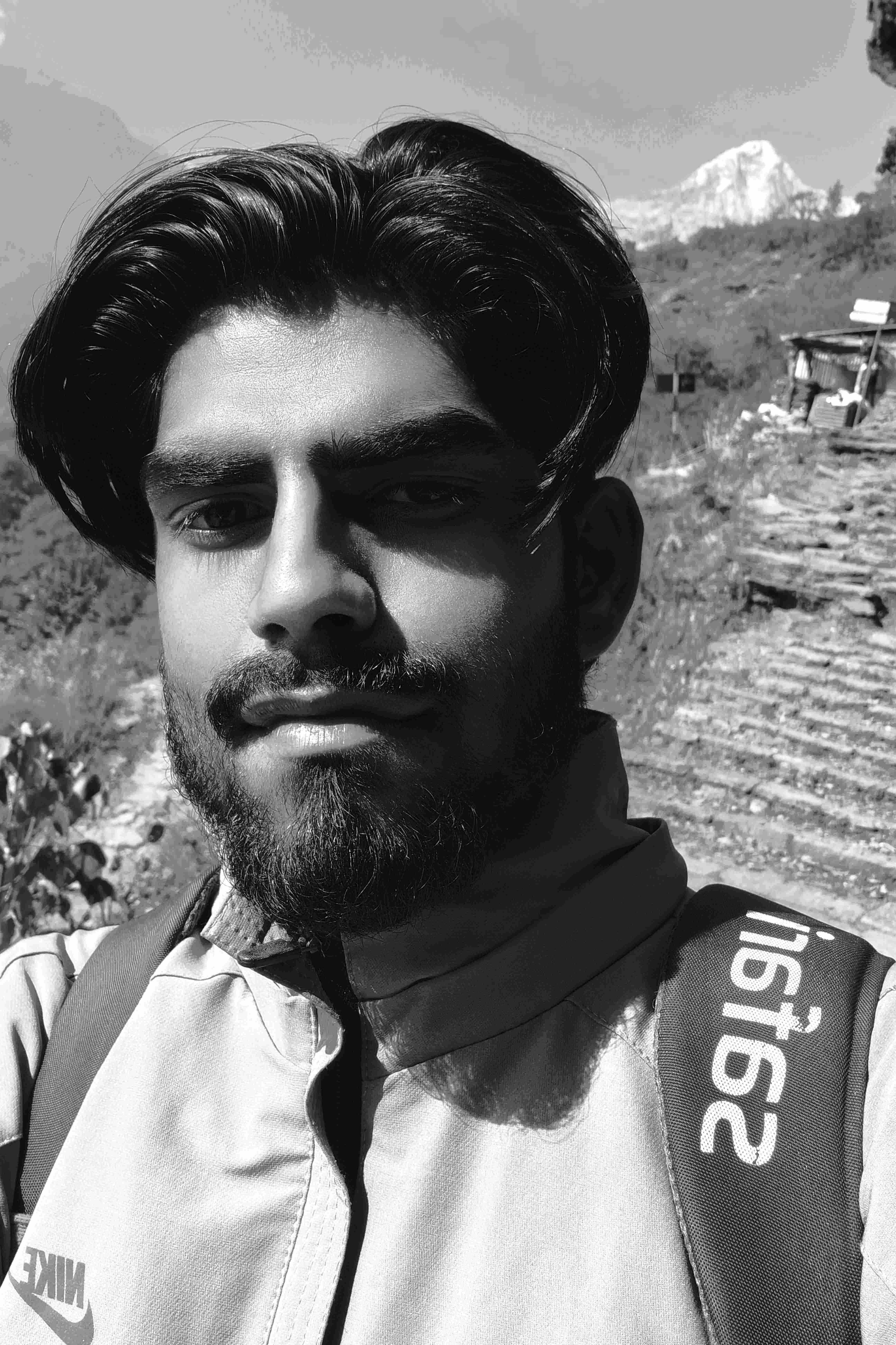
ABOUT AUTHOR
Afjal Khan
Afjal Khan is the founder of Epic Himalayan Trails and a passionate Himalayan trekker. He shares trekking guides, route information, itineraries, and practical travel tips to help trekkers plan better journeys across Nepal and the Indian Himalayas. Through Epic Himalayan Trails, his goal is to make trekking information simple, reliable, and useful for both beginners and experienced trekkers.