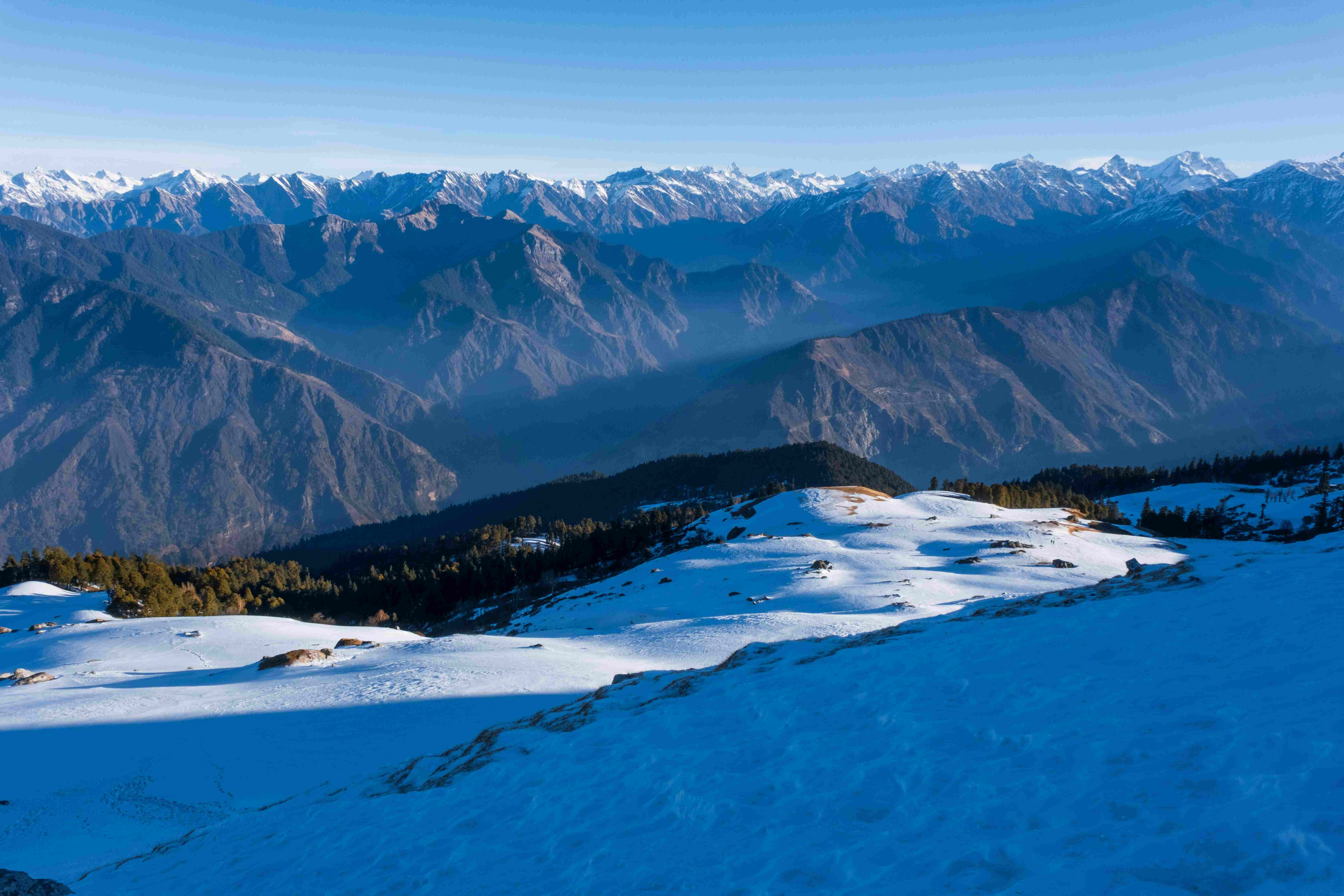
Kedarkantha Trek Overview
The Kedarkantha Trek is one of the most rewarding Himalayan adventures for trekkers looking to experience snow-covered trails, beautiful mountain forests, and breathtaking summit views without tackling extreme altitudes. Located in the Govind Wildlife Sanctuary of Uttarakhand, this trek has earned a reputation as one of India’s most popular winter treks, attracting both domestic and international travelers every year.
What makes the Kedarkantha Trek stand out is the incredible variety packed into a relatively short journey. Within a few days, the trail moves through traditional Himalayan villages, dense pine and oak forests, frozen lakes, open meadows, and snowy ridgelines. Each section feels distinct, ensuring the experience never becomes repetitive.
For many people, Kedarkantha serves as their first Himalayan snow trek. Yet even experienced trekkers continue returning because the route offers far more than just snow. The combination of peaceful forests, stunning campsites, dramatic mountain views, and a rewarding summit creates an experience that feels much bigger than the trek’s modest distance.
One thing many trekkers don’t expect is how immersive the journey feels. The gradual transition from village life to alpine wilderness happens naturally, allowing you to appreciate every stage of the landscape. By the time you reach the summit, the feeling of standing high above the surrounding valleys is genuinely rewarding.
Whether you’re planning your first Himalayan adventure or searching for a memorable winter trek in 2026, the Kedarkantha Trek remains one of the finest trekking experiences in the Indian Himalayas.
Why the Kedarkantha Trek Is Worth It
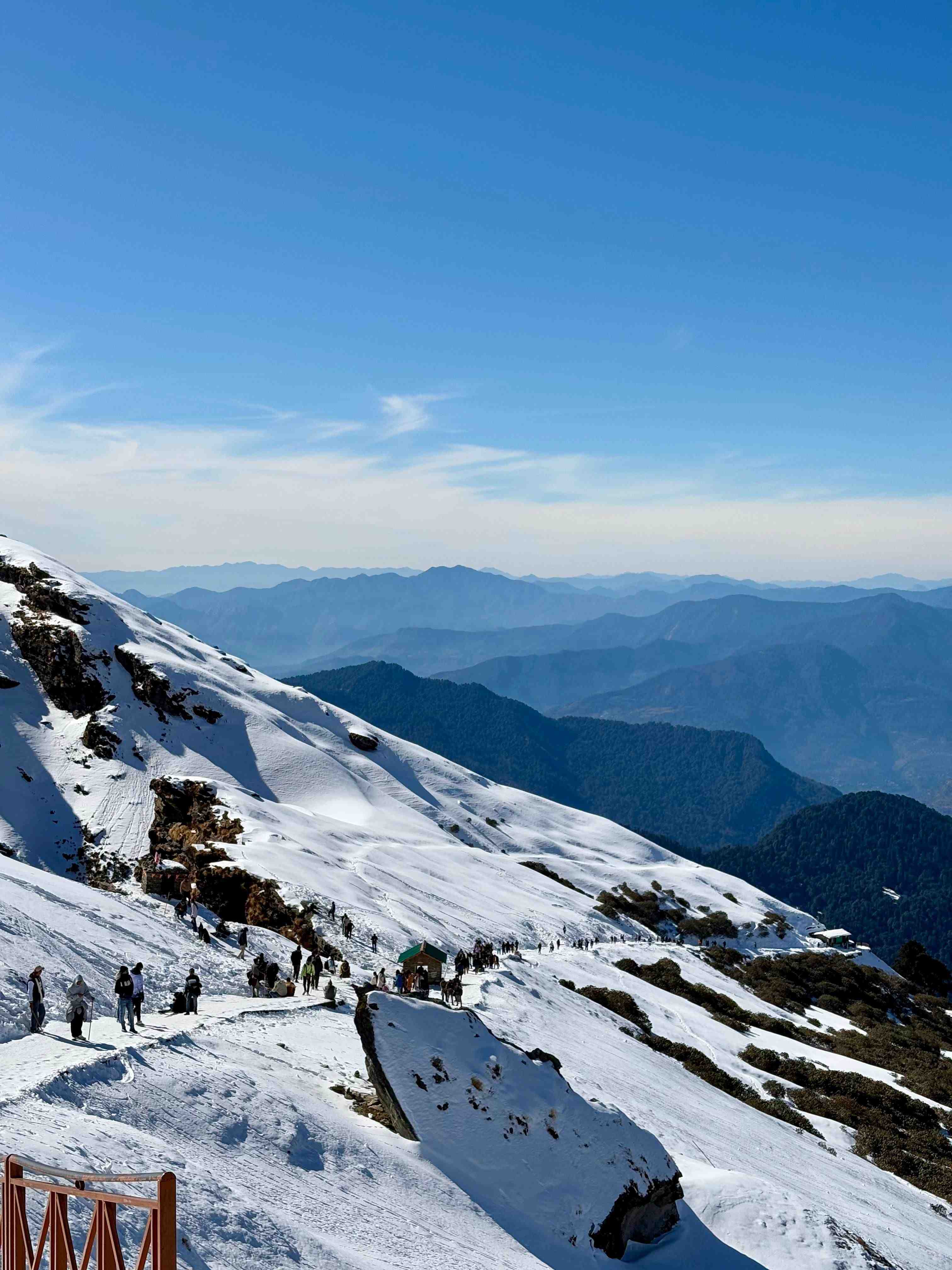
The Himalayas are filled with famous trekking routes, but very few offer such an impressive balance of accessibility, scenery, adventure, and cultural experiences as the Kedarkantha Trek.
The first thing that captures most trekkers is the landscape. The forests along the route are among the most beautiful in Uttarakhand. Towering pine, oak, maple, and cedar trees create long stretches of peaceful walking, and during winter these forests transform into a snow-covered wonderland that feels almost magical.
As the trail gains altitude, the scenery evolves dramatically. Dense forests gradually open into clearings and alpine meadows where distant Himalayan peaks begin dominating the horizon. This constant change in scenery keeps the journey engaging from beginning to end.
The summit experience is another reason why the trek has become so popular. On clear mornings, trekkers are rewarded with sweeping views of the Garhwal Himalayas. Peaks such as Swargarohini, Bandarpoonch, Black Peak, and Ranglana rise dramatically across the skyline, creating one of the most memorable panoramas available on a beginner-friendly trek.
Beyond its natural beauty, the Kedarkantha Trek also offers a glimpse into mountain life in Uttarakhand. Villages around the trail preserve traditional architecture and lifestyles that have remained largely unchanged for generations. Spending time in these communities adds depth to the experience and provides a connection to the region’s culture.
Compared with many other beginner-friendly Himalayan treks, Kedarkantha delivers a remarkably complete adventure. Snow, forests, campsites, mountain views, village culture, and a rewarding summit all come together in a journey that can be completed within a week.
If you enjoy the combination of mountain scenery and well-defined trails, you may also want to explore the Everest Base Camp Trek, one of the world’s most iconic trekking adventures. While Kedarkantha is ideal for a shorter Himalayan experience, Everest Base Camp offers a deeper journey into the high Himalayas with legendary mountain views and Sherpa culture.
Kedarkantha Trek Quick Facts
| Trek Name | Kedarkantha Trek |
|---|---|
| Location | Uttarkashi District, Uttarakhand, India |
| Region | Garhwal Himalayas |
| Maximum Altitude | 3,810 m (12,500 ft) |
| Trek Distance | Approximately 20–24 km |
| Trek Duration | 4–6 Days |
| Difficulty Level | Easy to Moderate |
| Starting Point | Sankri Village |
| Ending Point | Sankri Village |
| Accommodation | Guesthouses, Homestays, and Campsites |
| Best Time to Visit | December to April (Snow Season), May to June (Pleasant Weather) |
| Nearest Airport | Jolly Grant Airport, Dehradun |
| Nearest Railway Station | Dehradun Railway Station |
| Nearest Major City | Dehradun |
| Base Village | Sankri |
| Network Connectivity | Limited; BSNL and Jio work intermittently near Sankri |
| Permit Required | Yes |
| Famous For | Snow Trekking, Pine Forests, Himalayan Views, Winter Camping, Summit Sunrise |
| Major Peaks Visible | Swargarohini, Bandarpoonch, Black Peak, Ranglana, Gangotri Range |
| Ideal For | Beginners, Families, Solo Travelers, Winter Trek Enthusiasts |
Best Time to Visit the Kedarkantha Trek
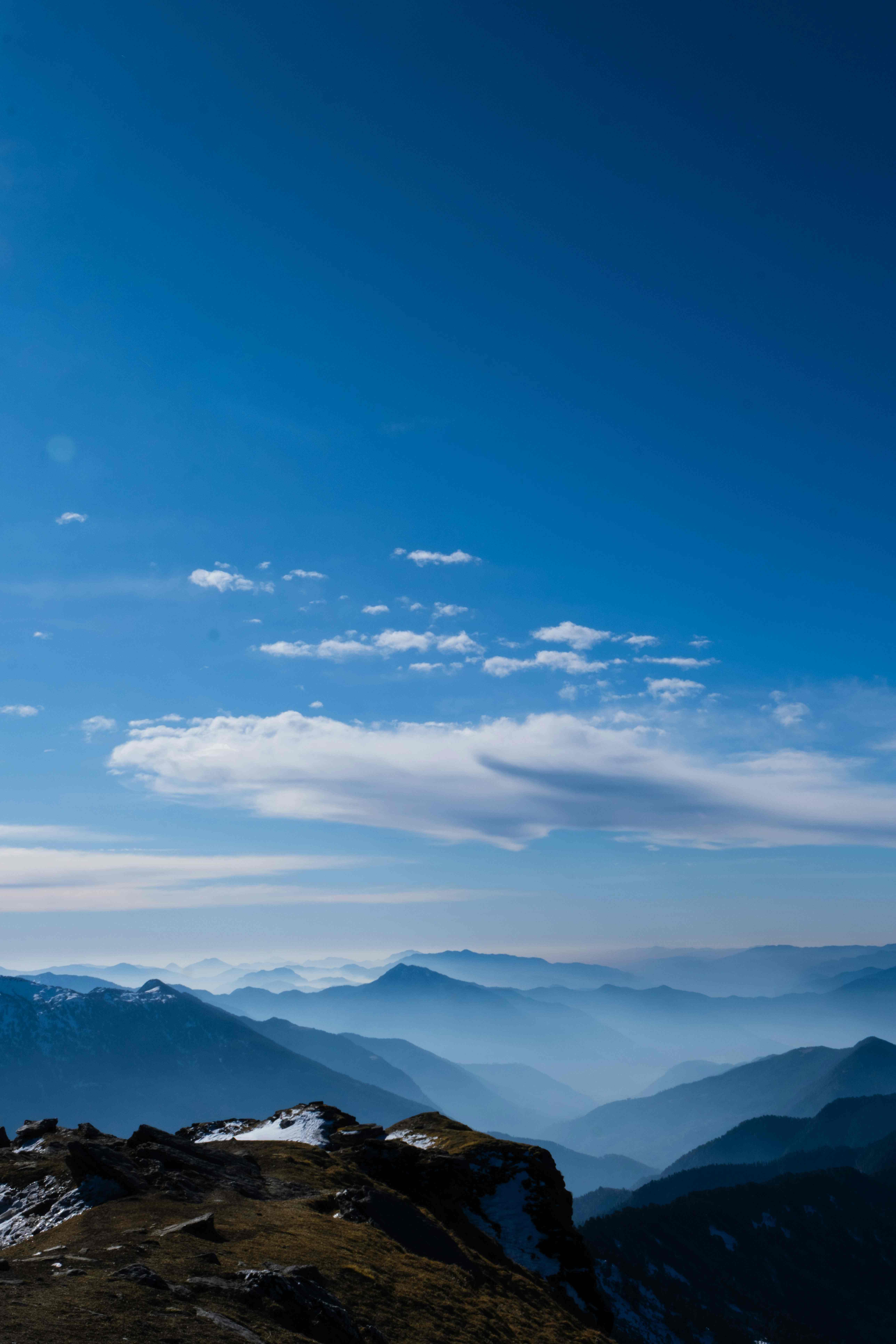
One of the reasons the Kedarkantha Trek remains popular year after year is that it offers a different experience in every season. While winter is undoubtedly the most famous time to visit, the trail has something unique to offer throughout much of the year.
Winter on the Kedarkantha Trek (December to February)
Winter is when the Kedarkantha Trek truly comes alive. Fresh snowfall often blankets the forests, campsites, and summit slopes, creating the classic snow-trekking experience that has made the route famous across India.
Walking through silent forests covered in snow is one of the defining experiences of the trek. The landscape feels peaceful and untouched, while clear winter mornings often provide excellent mountain visibility. Campsites become especially memorable during this period, with snow-covered surroundings and star-filled skies creating a genuine Himalayan winter atmosphere.
The biggest challenge is the cold. Nighttime temperatures frequently drop below freezing, particularly in January and February. However, for trekkers seeking snow and dramatic winter scenery, these months remain the best time to visit.
Spring on the Kedarkantha Trek (March to April)
Spring creates a fascinating blend of winter and summer conditions. Snow often remains on the higher sections of the trail while lower elevations begin turning green again.
The forests become increasingly colorful as rhododendrons start blooming across the hillsides. Days are generally warmer than winter, making trekking more comfortable while still retaining much of the beauty associated with snowy landscapes.
Many experienced trekkers consider spring one of the most balanced seasons for Kedarkantha because it combines pleasant weather with impressive scenery.
Summer on the Kedarkantha Trek (May to June)
By summer, most of the snow has melted, revealing lush forests and vibrant mountain meadows. The trail becomes easier to navigate, and daytime temperatures remain pleasant compared to the intense heat experienced in many parts of northern India.
While those specifically looking for snow may prefer winter, summer offers its own rewards. Clear trails, comfortable weather, and fewer weather-related challenges make this an excellent season for beginners.
The views remain spectacular, and the forests showcase a completely different side of their beauty during this time of year.
Monsoon on the Kedarkantha Trek (July to September)
Monsoon transforms the region into a lush green landscape. Streams flow strongly, vegetation flourishes, and the forests appear more vibrant than at any other time of year.
However, rainfall also brings challenges. Trails can become slippery, cloud cover may obscure mountain views, and weather conditions are often unpredictable. While the scenery remains beautiful, most trekkers choose other seasons for a more reliable experience.
For those who enjoy solitude and don’t mind occasional rain, monsoon can still be rewarding, but it is generally not recommended for first-time visitors.
Autumn on the Kedarkantha Trek (October to November)
Autumn is often overlooked, despite offering some of the clearest mountain views of the year. The monsoon has passed, leaving behind fresh landscapes and crisp air.
The skies are frequently clear, visibility is excellent, and the forests take on subtle seasonal colors. Temperatures become cooler as winter approaches, but conditions remain comfortable for trekking.
For photographers and trekkers who prioritize mountain views over snow, autumn can be one of the best seasons to explore Kedarkantha.
Trekkers who love winter landscapes often compare Kedarkantha with the Valley of Flowers Trek, although the two experiences are completely different. Kedarkantha is known for snowy forests and summit views during winter, while Valley of Flowers is famous for its colorful alpine meadows that bloom during the monsoon season.
Month-by-Month Weather Guide for the Kedarkantha Trek
| Month | Day Temp | Night Temp | Trail Conditions |
|---|---|---|---|
| January | -2°C to 8°C | -10°C to -5°C | Heavy Snow |
| February | 0°C to 10°C | -8°C to -3°C | Heavy Snow |
| March | 2°C to 12°C | -5°C to 0°C | Snow & Clear Skies |
| April | 5°C to 15°C | 0°C to 5°C | Mixed Conditions |
| May | 8°C to 18°C | 2°C to 8°C | Dry Trails |
| June | 10°C to 20°C | 5°C to 10°C | Green Landscapes |
| July | 12°C to 18°C | 8°C to 12°C | Rainy Conditions |
| August | 12°C to 18°C | 8°C to 12°C | Wet Trails |
| September | 10°C to 18°C | 5°C to 10°C | Post-Monsoon Clarity |
| October | 5°C to 16°C | 0°C to 5°C | Excellent Visibility |
| November | 2°C to 12°C | -3°C to 2°C | Cold & Clear |
| December | -1°C to 8°C | -8°C to -3°C | Fresh Snowfall |
Kedarkantha Trek Difficulty Level
The Kedarkantha Trek is generally classified as an easy-to-moderate Himalayan trek, making it one of the most accessible summit treks in India. However, like any mountain adventure, it still requires preparation and a reasonable level of fitness.
The route is non-technical, meaning there are no climbing sections or specialized mountaineering skills required. Most trekkers can complete the trek successfully with proper preparation and pacing. The primary challenge comes from continuous uphill walking, particularly on summit day when the ascent becomes steeper.
Daily trekking durations typically range between four and six hours, though weather and snow conditions can influence the pace. During winter, walking through fresh snow can be surprisingly demanding, requiring more energy than many first-time trekkers anticipate.
Altitude is another factor to consider. Although 3,810 meters is relatively moderate by Himalayan standards, some trekkers may still experience mild symptoms such as headaches, fatigue, or shortness of breath. Staying hydrated, maintaining a steady pace, and allowing the body time to adapt are important throughout the journey.
In my experience, Kedarkantha is ideal for beginners who are willing to prepare beforehand. A few weeks of regular walking, jogging, cycling, or stair climbing can make the trek significantly more enjoyable.
For experienced trekkers, the route offers a short but highly rewarding escape into the mountains, especially during the snowy winter months.
For trekkers looking for a more demanding challenge after completing Kedarkantha, the Annapurna Circuit Trek offers a significant step up in terms of distance, altitude, and overall trekking experience. It remains one of the most celebrated long-distance treks in the Himalayas.
Kedarkantha Trek Highlights
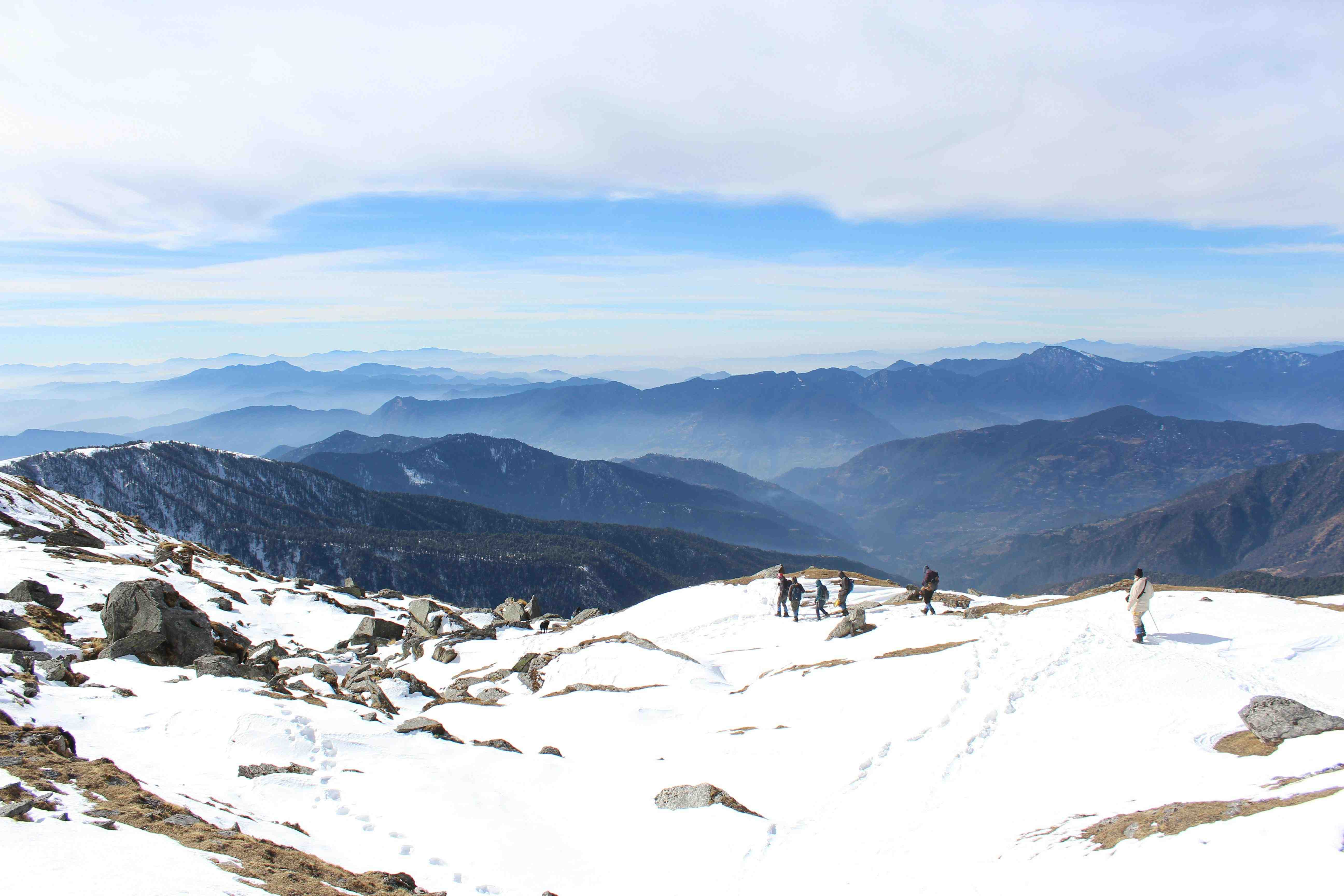
The beauty of the Kedarkantha Trek lies not in a single attraction but in how the entire journey unfolds. Every day introduces a different side of the Himalayas, creating a trekking experience that feels rich and varied.
The adventure begins in Sankri, a charming Himalayan village that serves as the gateway to several famous trekking routes. Traditional wooden houses, terraced fields, and mountain views immediately create a sense of stepping into a different world.
Soon after leaving the village, the trail enters dense forests where towering pine, oak, maple, and cedar trees dominate the landscape. During winter, these forests become one of the most magical sections of the trek. Snow-covered branches, filtered sunlight, and quiet surroundings create scenes that feel almost cinematic.
One of the route’s most iconic landmarks is Juda Ka Talab. Surrounded by forest and often partially frozen during winter, this high-altitude lake is among the most photographed locations on the trek. Early mornings here are especially beautiful when calm conditions create reflections across the water.
As the trail climbs higher, the forests gradually give way to open clearings and alpine landscapes. This is where the trek begins to feel truly Himalayan. The views expand, the mountains appear closer, and every turn reveals another dramatic perspective.
Kedarkantha Base Camp is another unforgettable highlight. Situated in an open area surrounded by peaks, it offers one of the most scenic camping experiences in Uttarakhand. On clear nights, the sky fills with countless stars, creating an atmosphere that many trekkers remember long after returning home.
Then comes summit day. Starting before sunrise, trekkers make their way toward the highest point of the journey. As dawn breaks across the Garhwal Himalayas, the surrounding peaks glow in shades of gold and orange.
Standing on the summit of Kedarkantha is the culmination of the entire experience. The panoramic views stretch across famous Himalayan peaks including Swargarohini, Bandarpoonch, Black Peak, and Ranglana. It is a moment that perfectly captures why this trek continues to be regarded as one of India’s greatest winter adventures.
The true magic of the Kedarkantha Trek lies in the combination of all these experiences. The forests, campsites, mountain views, village culture, and summit panorama come together to create a trek that feels far bigger and more memorable than its relatively short distance might suggest.
The mountain views from Kedarkantha may inspire many trekkers to take on longer Himalayan adventures in the future. One of the most rewarding options is the Annapurna Base Camp Trek, which combines traditional mountain villages, dramatic landscapes, and close-up views of some of Nepal’s most famous peaks.
Kedarkantha Trek Route and Itinerary
One of the reasons the Kedarkantha Trek is so enjoyable is that every day feels different. The route gradually introduces trekkers to the changing landscapes of the Garhwal Himalayas, beginning in a traditional mountain village and ending on a snow-covered summit with panoramic views stretching across the horizon.
Unlike some treks where the destination overshadows the journey, Kedarkantha delivers memorable experiences throughout the route. The forests, campsites, ridgelines, and mountain vistas all contribute to the overall experience, making the trek feel far richer than its relatively short distance suggests.
Day 1: Dehradun to Sankri
Starting Point: Dehradun
Ending Point: Sankri
Distance: Approximately 200 km by road
Travel Time: 8–10 Hours
Altitude: 1,950 m
The journey begins with a scenic drive from Dehradun to Sankri, a small Himalayan village that serves as the starting point for the Kedarkantha Trek. Although this is technically not a trekking day, it plays an important role in setting the tone for the adventure ahead.
The road follows winding mountain valleys, passing rivers, forests, terraced farms, and traditional villages. As the plains disappear behind you, the landscape becomes increasingly mountainous, offering a glimpse of the scenery waiting higher up.
One thing many trekkers remember about this drive is how gradually the atmosphere changes. By the time you arrive in Sankri, the pace of life feels noticeably slower and the surrounding mountains dominate the skyline.
After reaching Sankri, most trekkers spend the evening exploring the village, checking their gear, and preparing for the trek. Clear evenings often provide beautiful sunset views over the surrounding ridges.
Day 2: Sankri to Juda Ka Talab
Starting Point: Sankri
Ending Point: Juda Ka Talab Campsite
Distance: Approximately 4 km
Trekking Time: 4–5 Hours
Altitude: 2,700 m
The first trekking day begins with a gradual climb through dense forests of pine and oak. The trail initially passes through small clearings before entering some of the most beautiful woodland sections on the entire route.
This is where the Kedarkantha Trek starts to feel special. Sunlight filters through tall trees while the sounds of village life slowly fade behind you. During winter, snow often begins appearing along sections of the trail, adding a magical quality to the landscape.
As the route gains elevation, occasional openings in the forest reveal distant mountain views. These glimpses become more frequent as you approach the campsite.
Juda Ka Talab is one of the most famous campsites on the trek. Surrounded by forest and often partially frozen during winter, the lake creates a peaceful setting that feels far removed from the outside world.
The evening here is usually calm and memorable. As darkness falls, the forest becomes silent and the night sky often reveals countless stars above the campsite.
Day 3: Juda Ka Talab to Kedarkantha Base Camp
Starting Point: Juda Ka Talab
Ending Point: Kedarkantha Base Camp
Distance: Approximately 4 km
Trekking Time: 3–4 Hours
Altitude: 3,400 m
The third day brings one of the most scenic sections of the entire trek. The route continues climbing through forests before gradually emerging into more open terrain.
As the tree line begins thinning, the surrounding mountains become increasingly visible. Snow cover is often deeper here during winter, transforming the landscape into a spectacular alpine environment.
What surprised me most the first time I saw Kedarkantha Base Camp was how dramatic the setting felt. Unlike campsites hidden within forests, this location sits in a wide open area with expansive views in multiple directions.
The mountains appear significantly closer from here, and on clear days the surrounding ridges create an incredible backdrop. Many trekkers spend the afternoon exploring the area, taking photographs, or simply enjoying the views.
Because summit day starts early, the evening is usually spent preparing gear and getting adequate rest before the most exciting day of the trek.
Day 4: Kedarkantha Base Camp to Kedarkantha Summit and Trek to Hargaon
Starting Point: Kedarkantha Base Camp
Highest Point: Kedarkantha Summit (3,810 m)
Ending Point: Hargaon Campsite
Distance: Approximately 6 km
Trekking Time: 6–8 Hours
Summit day begins long before sunrise. Headlamps illuminate the trail as trekkers slowly make their way upward through the darkness.
This is often the most physically demanding day of the trek. The final climb involves sustained uphill walking and, during winter, can include deep snow on steeper sections of the route.
As dawn approaches, the surrounding mountains gradually emerge from the darkness. Watching the first sunlight touch the snow-covered peaks is one of the defining moments of the Kedarkantha Trek.
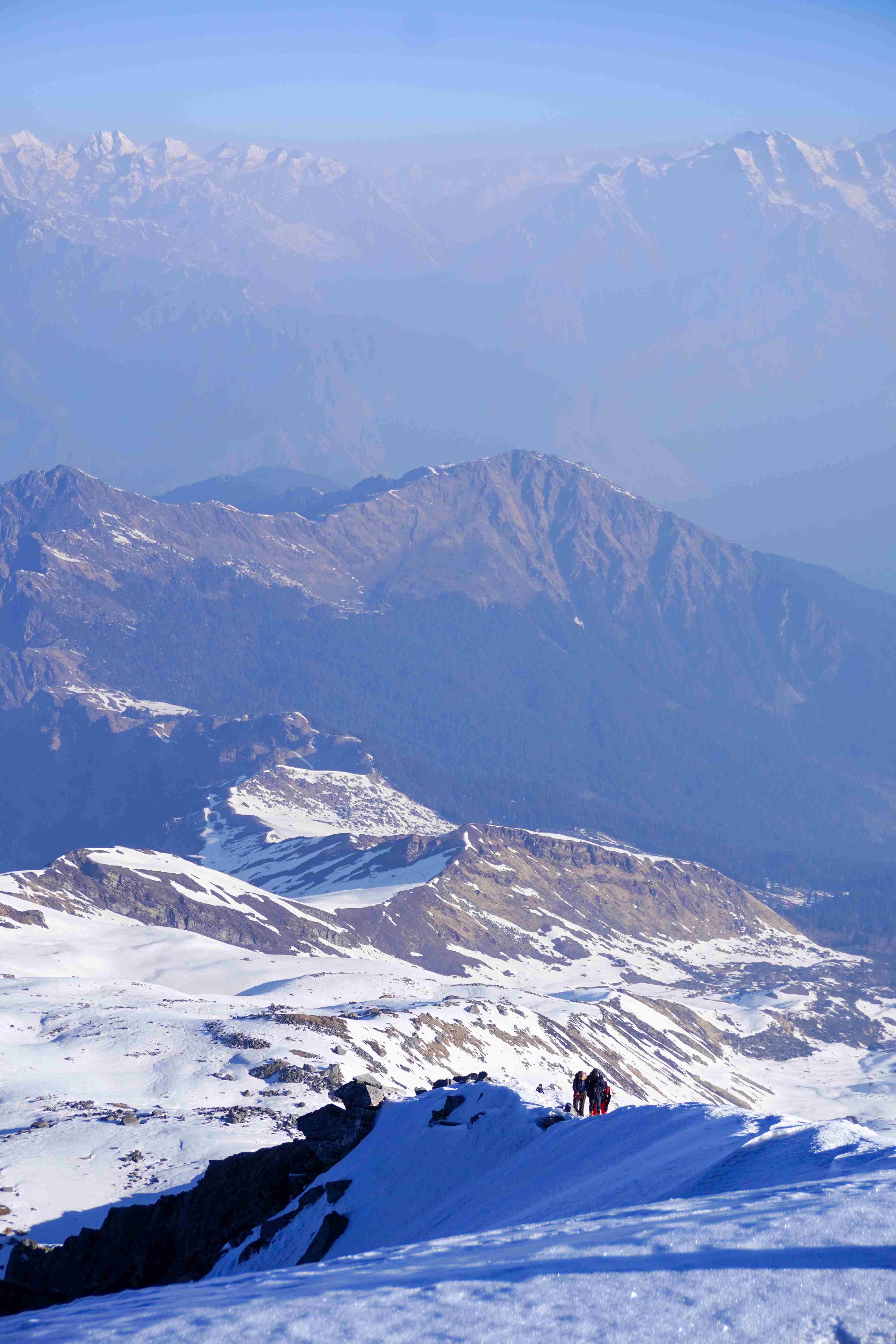
The summit itself offers an extraordinary reward for the effort required to reach it. On clear days, panoramic views extend across the Garhwal Himalayas in nearly every direction.
Visible peaks commonly include:
• Swargarohini
• Bandarpoonch
• Black Peak (Kala Nag)
• Ranglana
• Gangotri Range
• Har Ki Dun Valley Region
Standing at the summit, it becomes easy to understand why Kedarkantha has become one of India’s most beloved trekking destinations.
After spending time enjoying the views, the route descends toward Hargaon. The descent feels entirely different from the ascent, passing through beautiful forest sections and quieter areas of the mountain.
Hargaon offers a peaceful campsite that is often less crowded than the previous camps. After the excitement of summit day, it provides a perfect place to relax and reflect on the experience.
Day 5: Hargaon to Sankri
Starting Point: Hargaon
Ending Point: Sankri
Distance: Approximately 6 km
Trekking Time: 4–5 Hours
Altitude Loss: Approximately 1,450 m
The final trekking day follows a gradual descent back toward Sankri.
The trail winds through forests filled with pine and oak trees, offering one last opportunity to enjoy the landscapes that make the Kedarkantha Trek so memorable.
Descending through the lower forests often feels different from the climb upward. Familiar sections of trail reveal new perspectives, and many trekkers find themselves appreciating details they may have overlooked earlier in the trek.
As Sankri comes back into view, there is often a mixture of satisfaction and nostalgia. The trek may be relatively short, but the variety of experiences packed into a few days creates memories that tend to stay with people for a long time.
Most trekkers spend the night in Sankri before returning to Dehradun the following morning.
Day 6: Sankri to Dehradun
Starting Point: Sankri
Ending Point: Dehradun
Distance: Approximately 200 km
Travel Time: 8–10 Hours
The return journey follows the same scenic road back to Dehradun.
Although the trekking portion of the adventure has ended, many people find themselves replaying the highlights of the previous days. The snowy forests, peaceful campsites, summit sunrise, and mountain views often remain vivid long after leaving the Himalayas behind.
The gradual ascent on the Kedarkantha Trek makes it an excellent introduction to Himalayan trekking. Those who develop a passion for multi-day mountain adventures often go on to explore routes such as the Langtang Valley Trek, which offers a wonderful combination of mountain scenery, local culture, and accessible trekking in Nepal.
Kedarkantha Trek Altitude and Acclimatization Guide
Altitude is one of the most important factors to understand before attempting any Himalayan trek. While the Kedarkantha Trek is considered beginner-friendly, reaching nearly 3,810 meters still places trekkers in an environment where the body must adapt to thinner air.
Fortunately, the itinerary provides a gradual ascent that allows most people to acclimatize effectively.
Although Kedarkantha reaches a respectable altitude of 3,810 meters, it remains considerably lower than high-altitude expeditions such as the Manaslu Circuit Trek. Trekkers planning future Himalayan adventures can use Kedarkantha as valuable preparation for more challenging routes where acclimatization becomes even more important.
Kedarkantha Trek Altitude Profile
| Location | Altitude |
|---|---|
| Dehradun | 640 m |
| Sankri | 1,950 m |
| Juda Ka Talab | 2,700 m |
| Kedarkantha Base Camp | 3,400 m |
| Kedarkantha Summit | 3,810 m |
| Hargaon | 2,650 m |
Understanding Altitude on the Kedarkantha Trek
The most significant altitude gain occurs between Sankri and Kedarkantha Base Camp over two trekking days. Because the ascent is gradual, most trekkers adapt without serious difficulty.
However, altitude affects everyone differently. Fitness alone does not guarantee immunity from altitude-related symptoms. Even experienced trekkers can occasionally experience mild discomfort.
Common symptoms may include:
• Mild headache
• Reduced appetite
• Fatigue
• Difficulty sleeping
• Slight shortness of breath
These symptoms are usually temporary and improve with rest and hydration.
Acclimatization Tips for the Kedarkantha Trek
The best approach to acclimatization is patience. Maintaining a steady pace allows the body to adjust naturally to increasing altitude.
Hydration plays a major role throughout the trek. Cold temperatures often reduce the sensation of thirst, causing some trekkers to drink less water than necessary. Consistent hydration helps reduce the likelihood of headaches and fatigue.
Adequate sleep is equally important. Rest allows the body to recover from daily exertion and adapt more effectively to changing elevations.
Many first-time trekkers make the mistake of trying to walk too quickly. A slower, steady pace is usually far more effective than rushing uphill and exhausting yourself early in the day.
Recognizing Acute Mountain Sickness (AMS)
Although serious altitude problems are uncommon on the Kedarkantha Trek, every trekker should understand the warning signs of Acute Mountain Sickness (AMS).
Symptoms may include persistent headache, nausea, dizziness, unusual fatigue, loss of coordination, or difficulty breathing at rest.
If symptoms worsen rather than improve, descending to a lower altitude is the safest response. Fortunately, the relatively moderate elevation of Kedarkantha means severe cases are rare when proper trekking practices are followed.
Is Acclimatization Difficult on the Kedarkantha Trek?
For most healthy trekkers, acclimatization on the Kedarkantha Trek is straightforward. The route is specifically designed to gain altitude gradually while providing sufficient time for adaptation.
In my experience, the biggest challenge is not altitude itself but overexertion. Trekkers who maintain a comfortable pace, stay hydrated, eat properly, and get adequate rest usually complete the trek without significant altitude-related issues.
The combination of moderate altitude, sensible itinerary design, and relatively short duration is one of the reasons why Kedarkantha remains one of the best Himalayan treks for beginners.
Food and Accommodation on the Kedarkantha Trek
One of the most common questions first-time trekkers ask is what kind of food and accommodation they should expect on the Kedarkantha Trek. While this is not a luxury trek, the facilities are generally comfortable enough for most trekkers and provide everything needed for a rewarding mountain experience.
Accommodation varies depending on where you are on the route. In Sankri, trekkers usually stay in simple guesthouses, homestays, or trekking lodges. Rooms are basic but comfortable, often featuring warm blankets, attached or shared washrooms, and dining areas where trekkers gather before and after the trek.
Once the trek begins, accommodation shifts to campsites. During organized treks, trekkers typically stay in high-quality tents designed for mountain conditions. Most campsites have separate dining tents where meals are served and trekkers can relax during the evening.
The campsites themselves are often a highlight of the experience. Juda Ka Talab sits beside a beautiful forest lake, while Kedarkantha Base Camp offers stunning views of surrounding peaks. Waking up to fresh mountain air and snow-covered landscapes is something many trekkers remember long after the trek ends.
Food on the Kedarkantha Trek is generally simple, nutritious, and designed to provide energy for long trekking days. Breakfast often includes items such as porridge, parathas, bread, eggs, pancakes, or upma accompanied by tea or coffee. Lunch is usually packed or served en route and may consist of rice, chapati, vegetables, lentils, or local dishes.
Dinner tends to be the most substantial meal of the day. Most trekking teams serve a combination of rice, dal, vegetables, soup, and occasionally desserts. The meals may not be elaborate, but after several hours of trekking in cold weather, they are usually more than satisfying.
One thing international trekkers should understand is that food options become increasingly limited as altitude increases. Expect fresh, home-style meals rather than restaurant-style menus. The simplicity of the food is often part of the mountain experience.
Drinking water is available throughout the trek, but it should always be purified before consumption. Most organized trekking groups provide filtered or treated water at campsites. Carrying a reusable water bottle is strongly recommended.
Hygiene standards are generally good on organized treks, though expectations should remain realistic. Mountain environments naturally have limitations, especially during winter when freezing temperatures can affect water availability.
Kedarkantha Trek Packing List
Packing correctly can significantly improve your experience on the Kedarkantha Trek. Weather conditions can change quickly in the mountains, and temperatures often vary dramatically between daytime and nighttime.
The key is layering. Rather than carrying excessively heavy clothing, focus on combining multiple layers that can be added or removed depending on conditions.
For clothing, a moisture-wicking base layer helps regulate body temperature while trekking. A fleece jacket provides insulation during cooler sections of the trail, and a down or padded jacket becomes essential during evenings and early mornings at camp. Waterproof outer layers are also important, particularly outside the peak winter season.
Good trekking shoes are among the most important items you will carry. Choose waterproof trekking boots with adequate grip and ankle support. New footwear should always be broken in before the trek to avoid blisters.
Warm gloves, woolen socks, a thermal cap, and a neck gaiter can make a significant difference during winter departures and summit day.
A small daypack is useful for carrying water, snacks, extra layers, sunscreen, and personal items during daily trekking sections. Most trekkers find a backpack between 30 and 40 liters sufficient if carrying their own gear.
Other useful items include sunglasses, sunscreen, lip balm, a headlamp, power bank, trekking poles, personal medications, water purification tablet and a basic first-aid kit. The high-altitude sun can be surprisingly intense, even during winter, making sun protection essential.
Documents should include a government-issued photo ID, permits if required separately, emergency contact information, and travel insurance details if applicable.
One mistake many beginners make is overpacking. Every extra kilogram becomes noticeable on uphill sections. Focus on essentials and avoid carrying unnecessary items.
Kedarkantha Trek Permits and Costs (2026)
Before beginning the Kedarkantha Trek, trekkers must complete the required registration and permit formalities associated with entering the trekking area.
Permit requirements occasionally change, but most trekkers entering the Govind Wildlife Sanctuary region are required to pay forest entry fees and registration charges. These fees are generally arranged by trekking operators for organized groups, while independent trekkers may need to complete the process locally.
As of 2026, trekkers should expect permit-related expenses to range between approximately USD 5 and USD 15 depending on nationality, local regulations, and administrative changes.
It is always advisable to verify the latest requirements before travel, particularly if trekking independently.
Unlike some regions of Nepal, a guide is not legally mandatory for the Kedarkantha Trek. However, many trekkers choose organized groups because they simplify logistics, accommodation, food arrangements, and safety planning.
For international visitors unfamiliar with the region, joining a reputable trekking operator is often the most convenient option.
Kedarkantha Trek Cost Breakdown (2026)
Note: All cost estimates in this guide are approximate and listed in USD for the convenience of international trekkers. Actual expenses may vary depending on the season, travel style, service providers, and currency exchange rates. Indian trekkers can use the equivalent INR value based on current exchange rates when planning their budget.
The total cost of the Kedarkantha Trek depends largely on your travel style, transportation choices, and whether you join an organized trek or arrange everything independently.
For international travelers, flights to India are usually the largest expense and are not included in the estimates below.
Transportation Costs
Travel between Dehradun and Sankri is one of the primary trekking-related expenses.
Shared transport is significantly cheaper and commonly used by trekkers. Private taxis offer more comfort and flexibility but cost considerably more.
Typical transportation expenses range from approximately USD 15–60 depending on the chosen mode of travel.
Accommodation Costs
Accommodation in Sankri is generally affordable. Budget guesthouses offer basic rooms, while more comfortable lodges provide better facilities and amenities.
Expect to spend approximately USD 10–40 per night depending on comfort preferences.
Food Costs
Food expenses vary depending on whether meals are included within a trekking package.
Independent trekkers typically spend between USD 10–20 per day on meals in the region.
Guide and Support Staff Costs
Hiring a local guide can significantly improve the trekking experience, especially for visitors unfamiliar with the area.
Guide costs generally range between USD 20–35 per day.
Porters, if required, usually cost between USD 15–25 per day.
Miscellaneous Expenses
Additional expenses may include snacks, equipment rental, tips, emergency purchases, charging electronic devices, and personal items.
Setting aside an additional USD 30–60 for miscellaneous costs is generally a good idea.
Budget Kedarkantha Trek Cost (2026)
Trekkers willing to use shared transportation, budget accommodation, and basic services can complete the Kedarkantha Trek relatively affordably.
| Expense Category | Estimated Cost (USD) |
|---|---|
| Transportation | 20–40 |
| Accommodation | 20–40 |
| Food | 30–50 |
| Permits | 5–15 |
| Miscellaneous | 20–40 |
| Total | 95–185 USD |
This option works best for experienced independent travelers comfortable handling logistics themselves.
Mid-Range Kedarkantha Trek Cost (2026)
Most trekkers fall into this category. Mid-range budgets typically include organized trekking services, better accommodation, and more comfortable transportation.
| Expense Category | Estimated Cost (USD) |
|---|---|
| Transportation | 30–60 |
| Accommodation | 40–80 |
| Food | Included or 40–60 |
| Guide Services | 60–120 |
| Permits | 5–15 |
| Miscellaneous | 30–50 |
| Total | 205–385 USD |
For most international visitors, this range offers the best balance between comfort and value.
Is the Kedarkantha Trek Worth the Cost?
Considering the scenery, accessibility, camping experience, and summit views, the Kedarkantha Trek offers exceptional value compared to many mountain adventures around the world.
What surprised me most is how complete the experience feels despite its relatively short duration. Within a few days, trekkers experience forests, snow, mountain villages, alpine campsites, and panoramic Himalayan views that would often require far longer expeditions elsewhere.
For many travelers, Kedarkantha becomes not only a memorable trek but also the adventure that sparks a lifelong passion for exploring the Himalayas.
How to Reach the Kedarkantha Trek Starting Point
Reaching the starting point of the Kedarkantha Trek is relatively straightforward compared to many Himalayan trekking destinations. The trek begins from Sankri, a small mountain village in Uttarkashi district that serves as the gateway to several famous treks in the region.
Most trekkers first travel to Dehradun, which acts as the primary access point for the trek. From there, a long but scenic road journey leads into the mountains.
Reaching Dehradun
For international travelers, the easiest route is to fly into either Delhi or Dehradun. Those arriving in Delhi can take a domestic flight, train, or road transport to Dehradun.
The nearest airport is Jolly Grant Airport in Dehradun, which has regular connections with major Indian cities.
The nearest railway station is Dehradun Railway Station, one of the most convenient options for domestic travelers.
Dehradun to Sankri
The road journey from Dehradun to Sankri takes approximately eight to ten hours depending on traffic and road conditions.
The route passes through Mussoorie, Purola, Mori, and several small Himalayan settlements before reaching Sankri. The drive itself is highly scenic, following river valleys, mountain roads, forests, and traditional villages.
Shared vehicles are commonly used by trekkers and provide an affordable transportation option. Private taxis offer greater flexibility and comfort but come at a higher cost.
Many trekking operators also arrange group transfers between Dehradun and Sankri, simplifying logistics for participants.
Arriving in Sankri a day before the trek begins is highly recommended. This allows time to rest, organize gear, and adjust to the mountain environment before starting the trek.
Many travelers who visit the Indian Himalayas for Kedarkantha eventually expand their adventures to Nepal’s trekking regions. Popular routes such as the Annapurna Base Camp Trek and Everest Base Camp Trek are often included in future travel plans because they offer completely different mountain experiences.
Insider Tips for the Kedarkantha Trek
After years of attracting trekkers from around the world, Kedarkantha has become one of the best-documented treks in India. Yet there are still a few practical insights that many first-time visitors overlook.
One of the best decisions you can make is to spend some time enjoying the campsites rather than focusing entirely on the summit. Juda Ka Talab and Kedarkantha Base Camp are destinations in their own right. Slow down, explore the surroundings, and appreciate the atmosphere.
If you’re interested in photography, wake up early each morning. The soft light shortly after sunrise often produces the most dramatic mountain views and the clearest visibility.
During winter, keep spare batteries inside your jacket while trekking. Cold temperatures can drain camera and phone batteries surprisingly quickly.
Many trekkers also underestimate how strong the sun can be at altitude. Even on cold days, sunscreen and sunglasses are essential.
If your schedule allows, avoid major holiday periods. The weeks around Christmas and New Year can be significantly busier than other times of the season.
Another useful tip is to carry a reusable insulated water bottle. It helps prevent water from becoming extremely cold during winter mornings.
Common Kedarkantha Trek Mistakes Trekkers Make
Most people complete the Kedarkantha Trek successfully, but certain mistakes can make the experience unnecessarily difficult.
One of the most common errors is arriving without adequate physical preparation. Because the trek is often described as beginner-friendly, some people assume no training is required. While the route is accessible, a basic level of fitness makes a substantial difference.
Another frequent mistake is carrying too much luggage. Beginners often pack for every possible scenario, resulting in unnecessarily heavy backpacks. The extra weight becomes increasingly noticeable on uphill sections.
Poor hydration is another issue. Cold weather reduces the feeling of thirst, causing some trekkers to drink less water than they should. Dehydration contributes to fatigue, headaches, and reduced performance.
Many first-time trekkers also start walking too quickly. The excitement of being in the mountains can lead to an unsustainable pace early in the day. Maintaining a slow, steady rhythm is usually far more effective.
In winter, inadequate layering is a surprisingly common problem. Some trekkers wear all their warm clothing while trekking uphill and end up sweating excessively. Layering should be adjusted according to activity level and weather conditions.
Finally, many people focus entirely on reaching the summit and overlook the rest of the experience. Kedarkantha is at its best when you appreciate the forests, campsites, and mountain atmosphere along the way.
Kedarkantha Trek Safety Tips
The Kedarkantha Trek is considered one of the safer Himalayan treks, but mountain environments always require careful decision-making.
Weather can change quickly, especially during winter. Clear mornings occasionally develop into cloudy afternoons, and snowfall can affect visibility and trail conditions. Following local guidance and respecting weather forecasts is essential.
Altitude-related problems are uncommon but still possible. Listen to your body and pay attention to symptoms such as persistent headaches, nausea, dizziness, or unusual fatigue.
Proper footwear is one of the most important safety considerations. Slippery snow and icy sections can increase the risk of falls, particularly during summit day.
Travel insurance is strongly recommended for international visitors. While serious incidents are rare, insurance provides valuable protection in the event of medical emergencies, trip interruptions, or evacuation requirements.
Solo trekkers should ensure that family members or friends know their itinerary and expected return dates. Mobile connectivity is limited in parts of the region, so communication plans should be made in advance.
Emergency preparedness is equally important. Carry basic first-aid supplies, personal medications, emergency contact information, and a fully charged phone or power bank.
The safest trekkers are often those who remain patient and make conservative decisions when conditions become uncertain.
Responsible Trekking on the Kedarkantha Trek
The growing popularity of the Kedarkantha Trek has brought economic benefits to local communities, but it has also increased environmental pressure on the region.
Every trekker has a responsibility to help protect the landscapes that make the route special.
The simplest rule is to leave the trail cleaner than you found it. Carry all non-biodegradable waste back to designated disposal points rather than leaving anything behind.
Reusable water bottles are a far better choice than purchasing multiple plastic bottles throughout the journey.
Respect for local communities is equally important. Villages around the trekking route have their own traditions, customs, and ways of life. Polite interactions and cultural sensitivity help maintain positive relationships between visitors and residents.
Staying on established trails minimizes environmental damage and reduces erosion. Creating shortcuts may seem harmless, but repeated use can have long-term impacts on fragile mountain ecosystems.
Wildlife should always be observed from a distance. Feeding animals or attempting to attract them for photographs can alter natural behavior and create unnecessary risks.
The Himalayas remain one of the world’s most remarkable mountain environments. Protecting them ensures that future generations can enjoy the same experiences.
Kedarkantha Trek FAQs
Is the Kedarkantha Trek suitable for beginners?
Yes. The Kedarkantha Trek is widely regarded as one of the best Himalayan treks for beginners. With reasonable fitness and proper preparation, most first-time trekkers can complete it successfully.
How difficult is the Kedarkantha Trek?
The trek is generally considered easy to moderate. The main challenges come from uphill walking, snow conditions during winter, and the altitude of the summit.
What is the altitude of Kedarkantha Summit?
The summit stands at approximately 3,810 meters (12,500 feet) above sea level.
How many days are required for the Kedarkantha Trek?
Most itineraries take between five and six days, including travel to and from Sankri.
When does Kedarkantha receive snowfall?
Snowfall usually begins during December and continues through February, although conditions vary from year to year.
Which month is best for the Kedarkantha Trek?
January and February are generally considered the best months for a classic snow-trekking experience.
Can I do the Kedarkantha Trek without a guide?
Yes, guides are not legally mandatory. However, many trekkers choose organized groups for convenience, safety, and logistical support.
Is altitude sickness common on the Kedarkantha Trek?
Serious altitude sickness is uncommon, but mild symptoms such as headaches or fatigue can occasionally occur.
How cold does it get during winter?
Nighttime temperatures can drop below -10°C during the coldest parts of winter.
What kind of accommodation is available?
Accommodation includes guesthouses in Sankri and campsite tents during the trekking portion of the journey.
Is mobile network coverage available?
Connectivity is available in parts of Sankri but becomes limited or unavailable on most sections of the trekking route.
Are there charging facilities on the trek?
Charging options are usually available in Sankri. Power availability becomes limited once the trek begins.
What wildlife can be seen during the trek?
Trekkers occasionally encounter Himalayan birds, langurs, barking deer, and other wildlife found within Govind Wildlife Sanctuary.
Is the Kedarkantha Trek crowded?
It can become busy during peak winter periods, especially around Christmas, New Year, and long holiday weekends.
What fitness level is required?
A moderate level of fitness is sufficient. Regular walking, jogging, cycling, or stair climbing before the trek is usually enough preparation.
Is drinking water available during the trek?
Yes, water sources are available, but all water should be properly filtered or treated before drinking.
Can children do the Kedarkantha Trek?
Many families complete the trek successfully with older children who are physically active and comfortable with outdoor conditions.
What makes Kedarkantha different from other beginner treks?
The combination of snow, forests, beautiful campsites, summit views, and relatively accessible difficulty makes it one of the most complete beginner-friendly Himalayan treks.
Final Thoughts on the Kedarkantha Trek
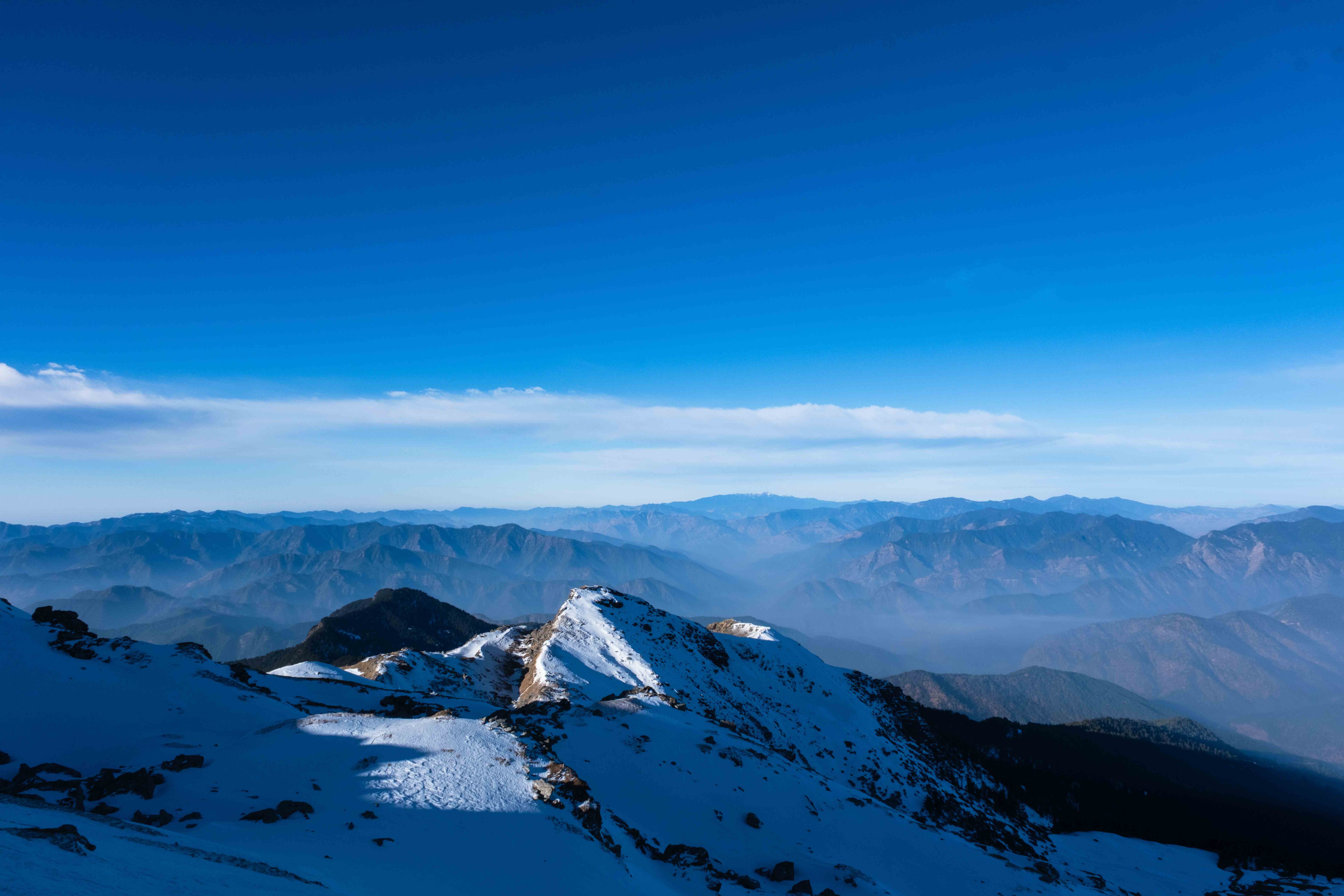
Some treks are remembered for a single viewpoint or famous summit. The Kedarkantha Trek is different. Its appeal comes from the entire journey.
It begins in a quiet mountain village, passes through forests that seem untouched by time, climbs toward snowy ridgelines, and eventually rewards trekkers with one of the finest summit panoramas in the Indian Himalayas. Along the way, there are frozen lakes, peaceful campsites, star-filled nights, and countless moments that make you slow down and simply appreciate where you are.
What makes Kedarkantha special is not that it is the highest trek, the longest trek, or the most difficult trek. It is the way it brings together so many elements of the Himalayan experience in a route that remains accessible to a wide range of trekkers.
For beginners, it offers an unforgettable introduction to mountain trekking. For experienced hikers, it provides a chance to reconnect with the simple pleasures of walking through forests, camping beneath the stars, and watching sunrise over snow-covered peaks.
Years after completing the trek, many people find that what they remember most is not the summit itself but the feeling of being there—the quiet forests, the crisp mountain air, and the sense of adventure that comes from spending several days immersed in the Himalayas.
If you’re looking for a trek that captures the essence of a Himalayan winter adventure without requiring technical skills or extensive mountaineering experience, the Kedarkantha Trek remains one of the finest choices you can make in 2026.
ABOUT AUTHOR
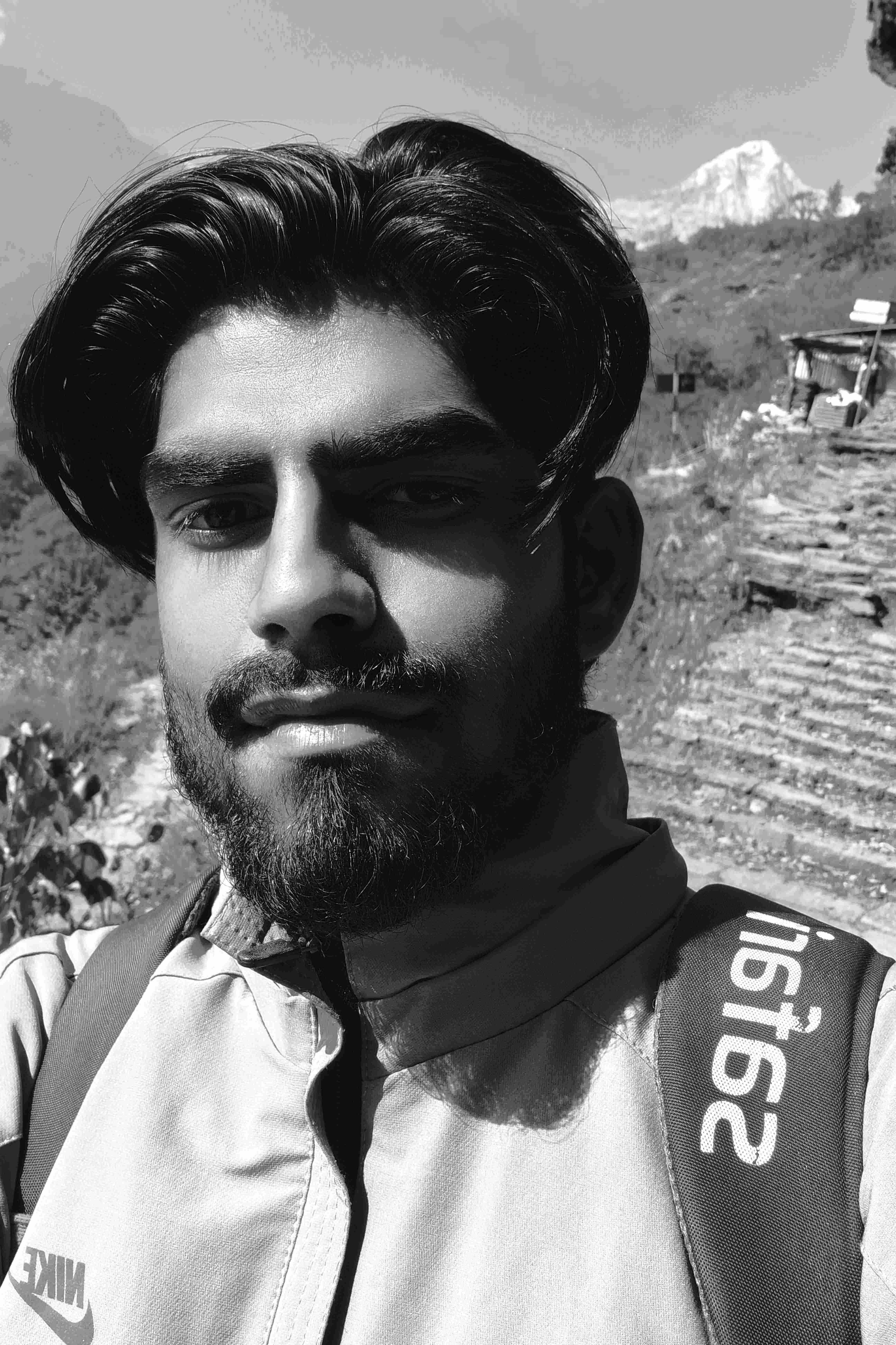
Afjal Khan
Afjal Khan is the founder of Epic Himalayan Trails and a passionate Himalayan trekker. He shares trekking guides, route information, itineraries, and practical travel tips to help trekkers plan better journeys across Nepal and the Indian Himalayas. Through Epic Himalayan Trails, his goal is to make trekking information simple, reliable, and useful for both beginners and experienced trekkers.