Why the Annapurna Circuit Still Feels So Special
There are many famous treks in Nepal, but very few journeys feel as complete as the Annapurna Circuit Trek.
Some treks are known mainly for mountain views. Others are famous for adventure or cultural experience. But the Annapurna Circuit somehow combines everything together into one long Himalayan journey that keeps changing every few days.
That is exactly why, even in 2026, trekkers from around the world still consider it one of the greatest trekking routes in Nepal.
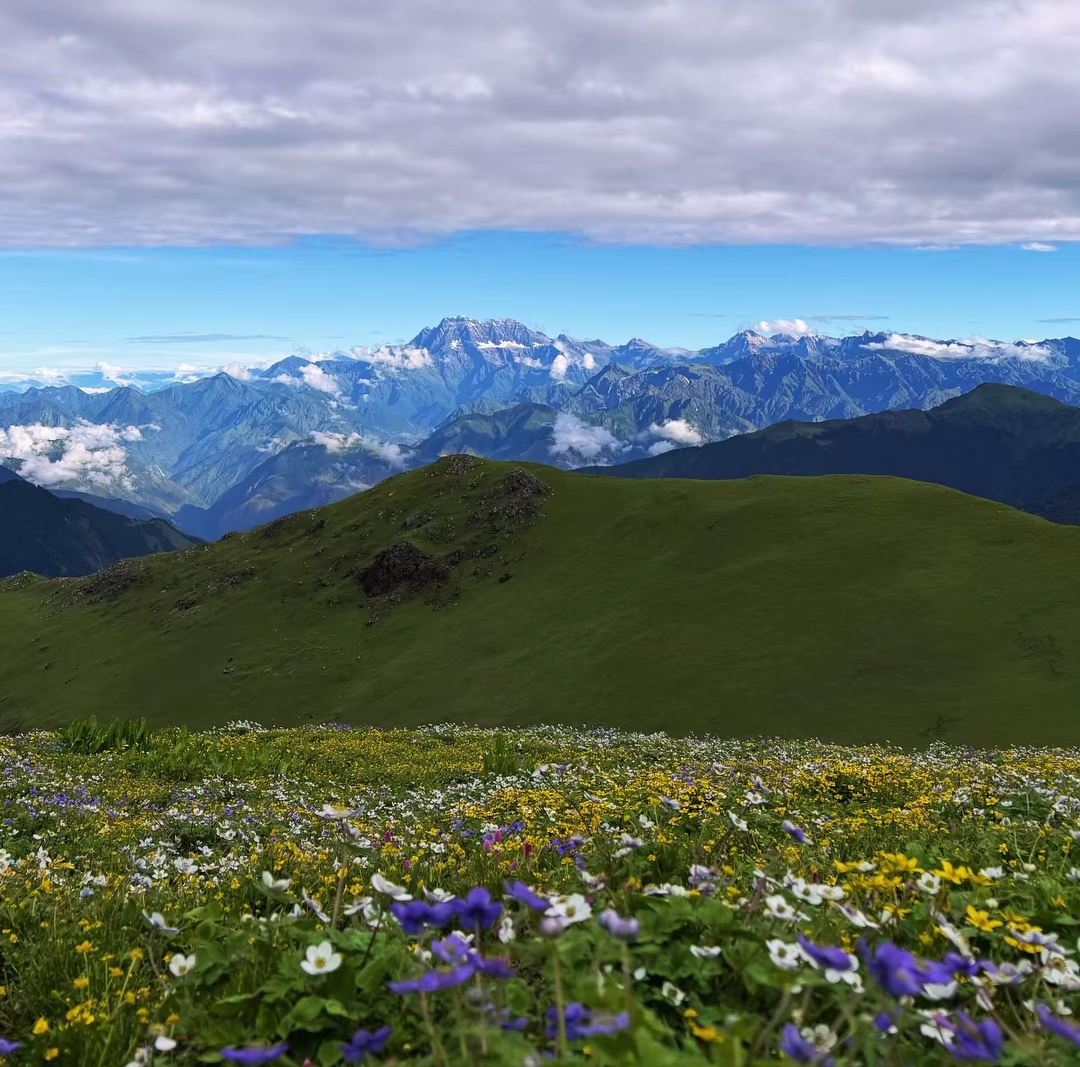
The trek starts in lower green valleys filled with waterfalls, rivers, suspension bridges, and terraced farms. Villages feel warm and lively, and the trail moves through forests where the air still feels fresh and humid. But slowly, day by day, the landscape changes.
The trees begin disappearing. The wind becomes colder. The mountains start looking harsher and bigger.
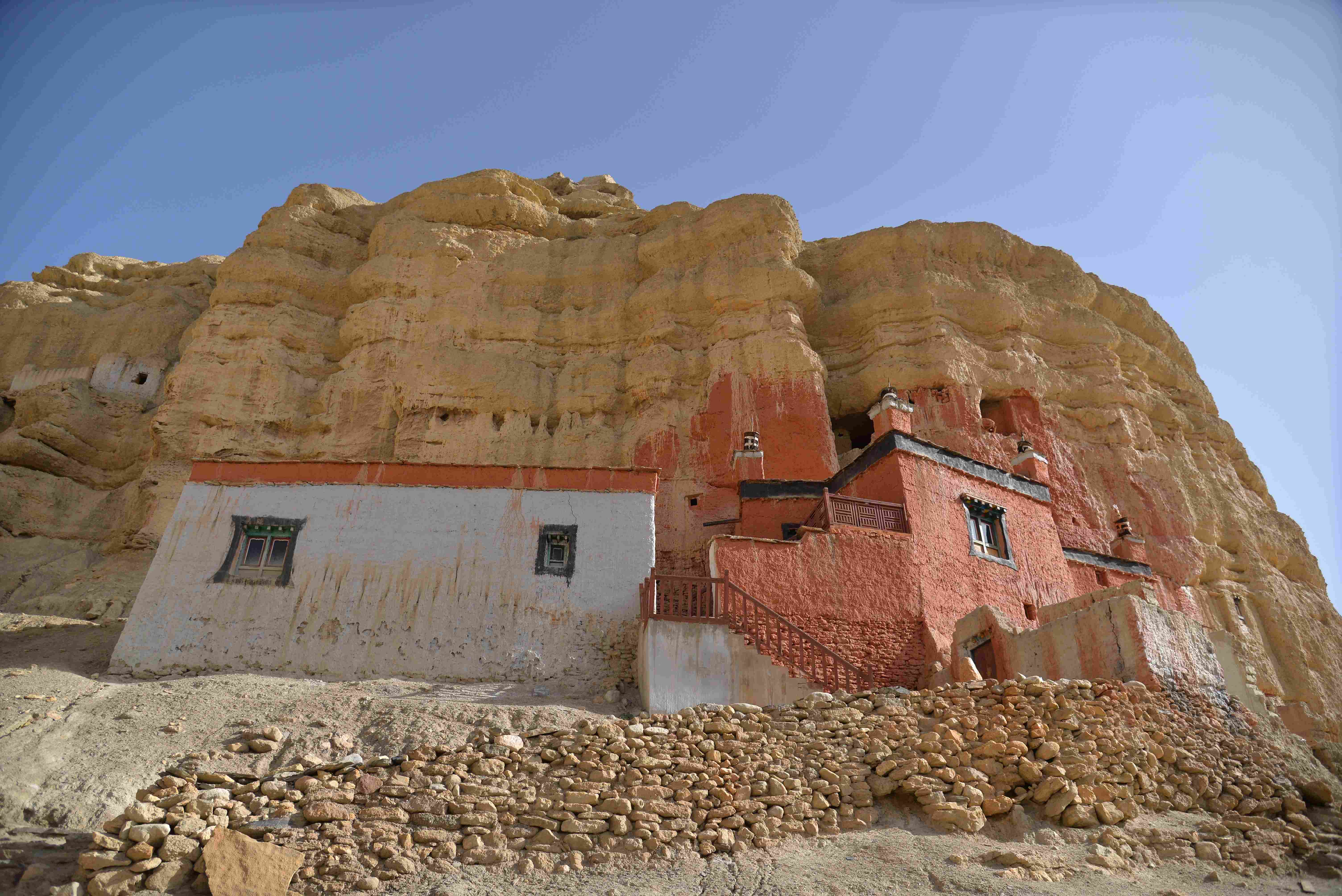
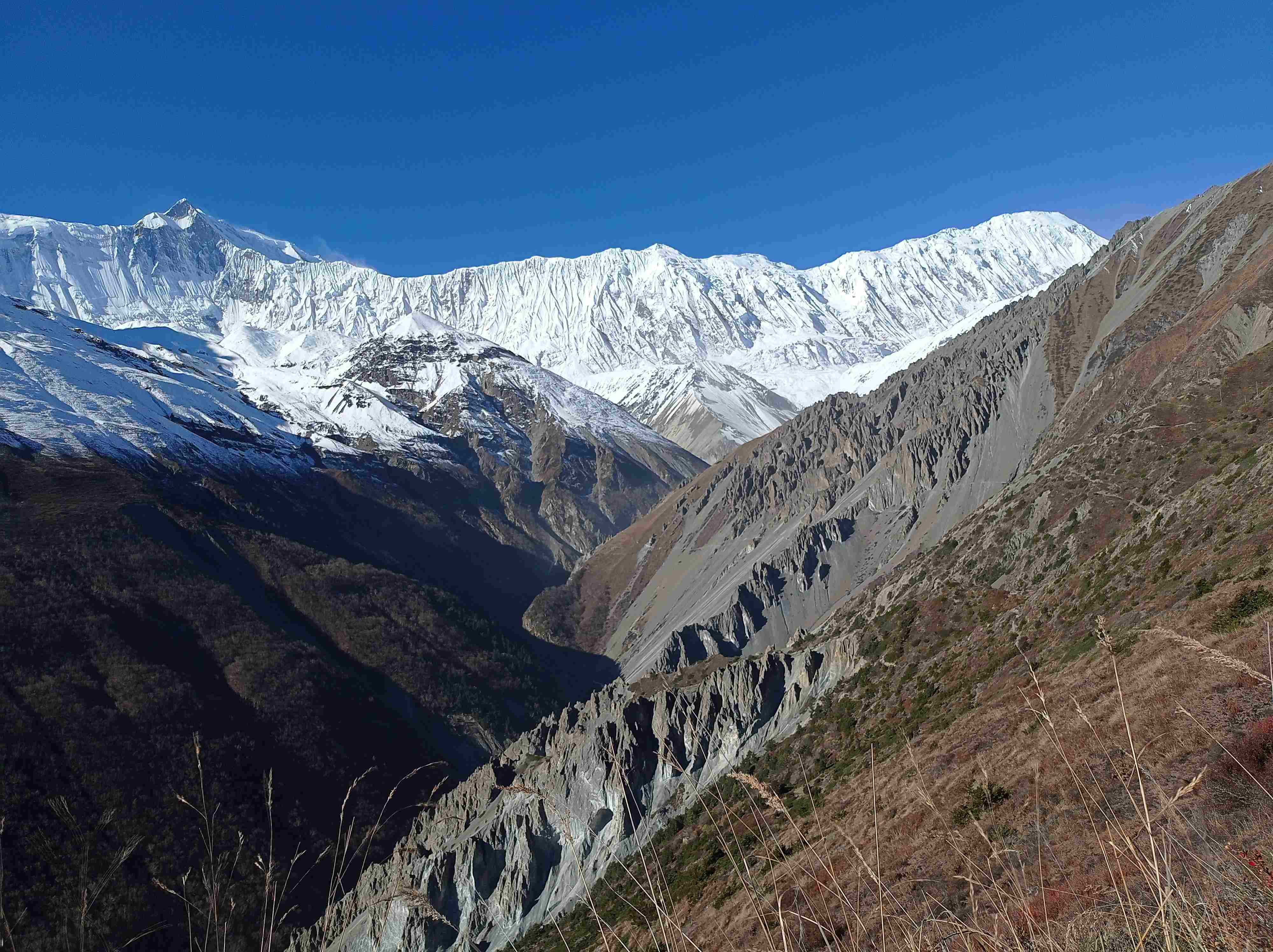
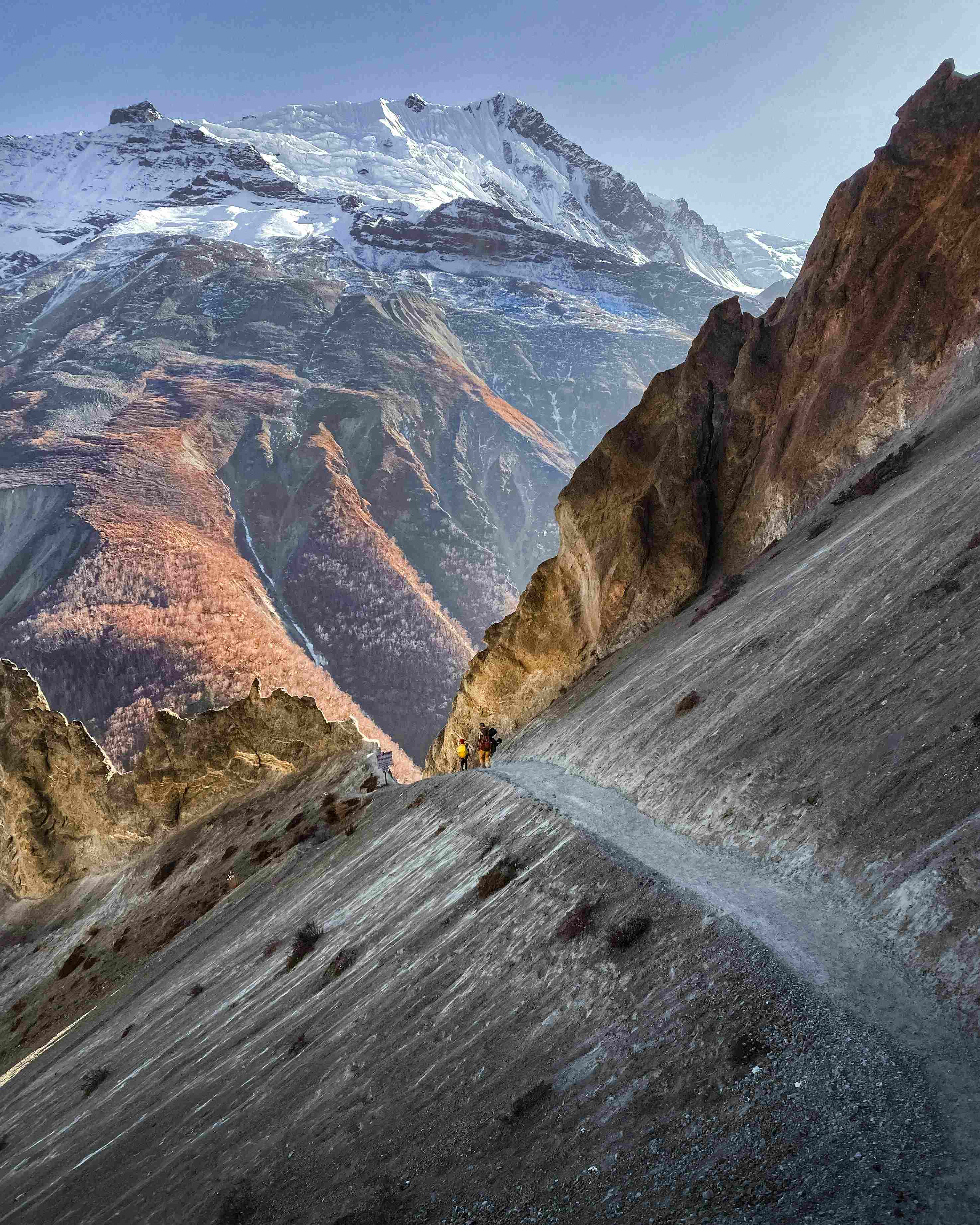
Around Manang, the environment suddenly feels more Tibetan than Nepali. Dry cliffs replace forests, prayer flags flap in the cold wind, and snow-covered peaks dominate the entire horizon.
And then comes Thorong La Pass.
“Nepal is famous for some of the best trekking routes in the world. The Annapurna Circuit Trek offers an amazing mix of mountains, villages, and high passes. Many trekkers also choose the Everest Base Camp Trek for its close views of Mount Everest and unique Himalayan experience.”
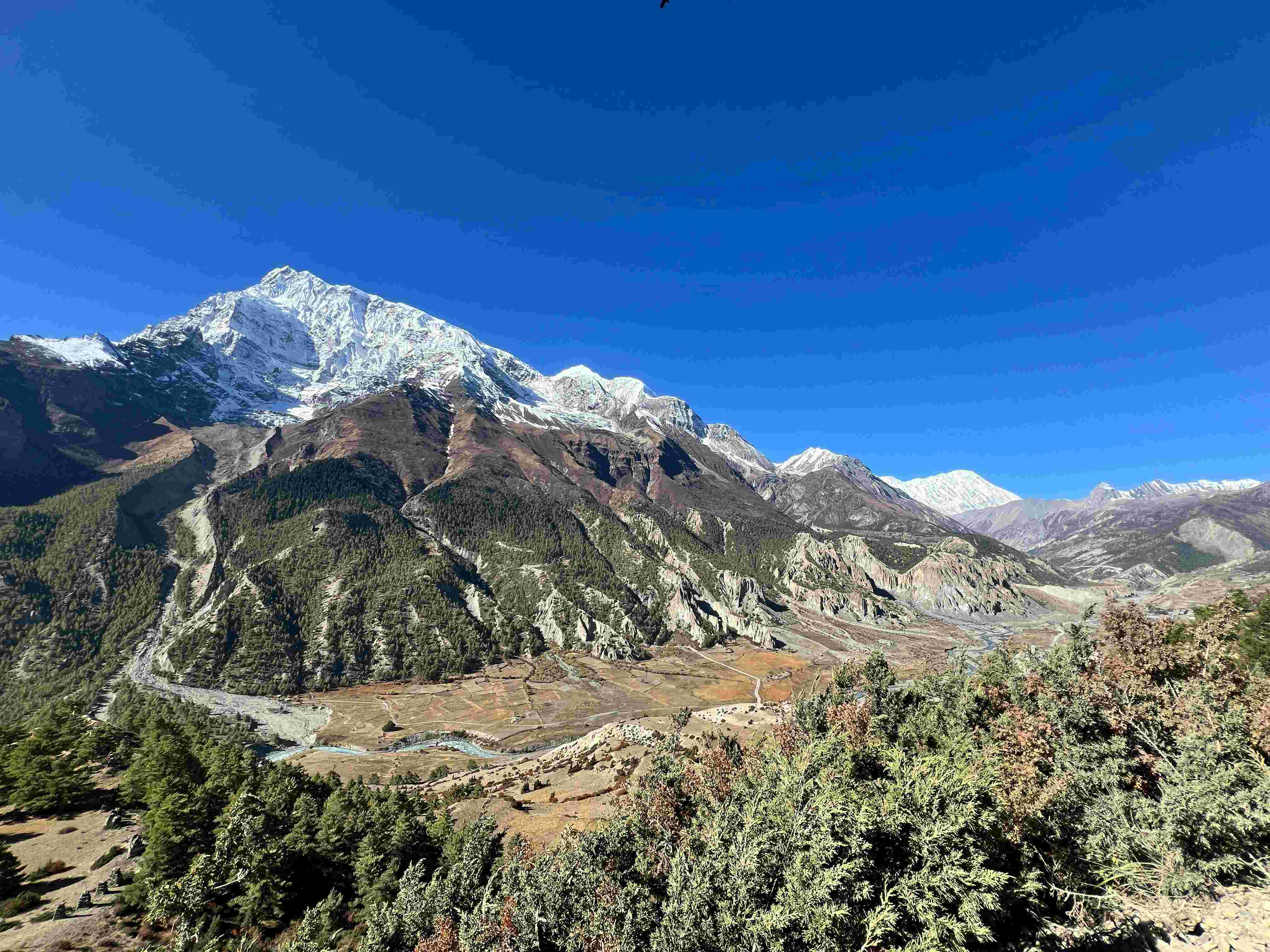
Crossing a 5,416-meter Himalayan pass early in the morning, while walking through freezing wind and thin air, feels much bigger than a normal trekking experience. For many people, it becomes one of the most unforgettable moments of their lives.
Personally, one thing I loved about this trek was how alive it felt every single day. Some mornings started beside waterfalls and pine forests, while others began before sunrise with only a headlamp, silence, and snow mountains all around.
The Annapurna Circuit is not just about reaching one destination. The entire journey itself becomes the experience.
This complete 2026 guide includes everything you need before planning the trek:
- Updated permits and guide rules
- Realistic trek cost
- Detailed itinerary
- Altitude sickness advice
- Food and accommodation
- Packing tips
- Best season
Annapurna Circuit Trek Quick Facts
| Annapurna Circuit Trek Details | Quick Facts & Information |
|---|---|
| Trek Duration | 12–18 Days |
| Highest Point | Thorong La Pass (5,416m / 17,769 ft) |
| Difficulty Level | Moderate to Challenging |
| Best Seasons | Spring (March–May) & Autumn (September–November) |
| Starting Point | Besisahar / Dharapani |
| Ending Point | Jomsom or Pokhara |
| Accommodation | Traditional Tea Houses & Eco Lodges |
| Permits Required | ACAP Permit + TIMS Card |
| Guide Rule | Licensed Guide Mandatory for Foreign Trekkers |
| Average Budget | $700 – $1800 Per Person |
| Altitude Oxygen Level | Approx. 50% Oxygen at Thorong La Pass |
| Connectivity | Ncell / NTC Network Available in Most Villages |
| Famous For | Thorong La Pass, Muktinath Temple & Himalayan Culture |
| Maximum Elevation Gain | 5,416 meters (17,769 ft) |
| Transportation | Jeep + Bus + Domestic Flight Options Available |
| Food Availability | Dal Bhat, Noodles, Pancakes, Tibetan Bread & More |
| Water Sources | Filtered Water Stations & Bottled Water Available |
| AMS Risk | High Above 3,500m — Proper Acclimatization Required |
| Fitness Required | Good Physical Fitness & Basic Trekking Experience Helpful |
Why the Annapurna Circuit Trek Is So Popular
One of the biggest reasons this trek feels different from many others is the constant change in scenery.
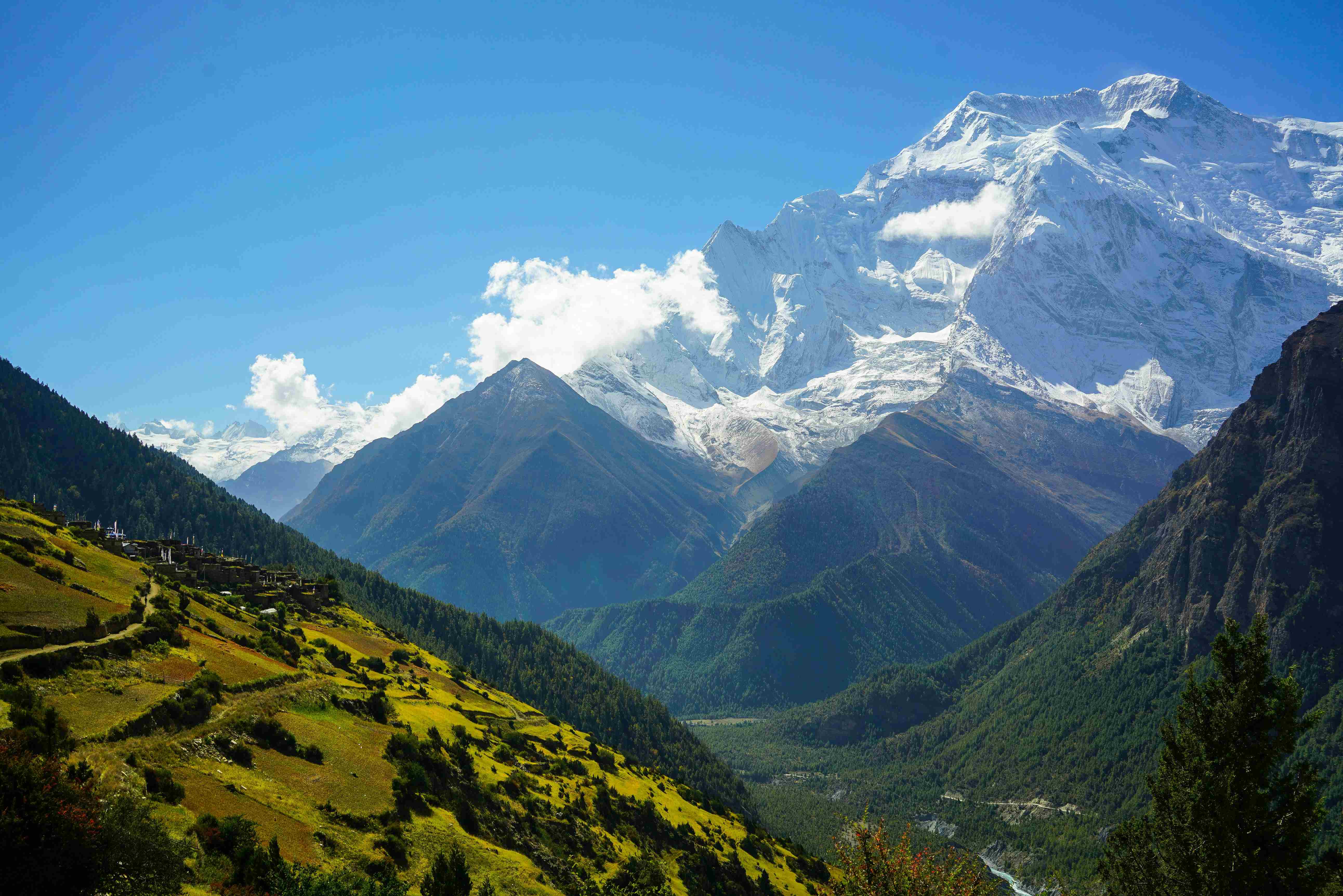
Most trekking routes have beautiful views, but the environment often stays similar throughout the journey. The Annapurna Circuit feels completely different every few days.
In lower sections, the trail passes through:
- Green forests
- Rivers and waterfalls
- Small farming villages
- Rice terraces
But after gaining altitude, the scenery slowly transforms into the following:
- Dry mountain deserts
- Rocky cliffs
- Tibetan-style settlements
- Snow-covered landscapes
It honestly feels like walking through multiple regions inside one trek.
Another reason people love this route is the balance between adventure and comfort. Even though the trek feels remote and challenging, tea houses are available throughout most of the trail, which makes logistics easier compared to extremely isolated treks like Upper Dolpo or Kanchenjunga.
And of course, there is the challenge of Thorong La Pass itself.
Reaching 5,416 meters on foot is something most trekkers never forget.
Best Time for Annapurna Circuit Trek
Spring Season (March to May)
Spring is one of the best times for the Annapurna Circuit.
The weather becomes more stable after winter, temperatures feel comfortable for walking, and rhododendron forests bloom beautifully in lower sections of the trail.
April is especially popular because mountain views are usually clear and daytime temperatures remain pleasant.
The only downside is that tea houses can become busy during peak weeks.
Autumn Season (September to November)
Autumn is considered the most popular trekking season in Nepal.
After monsoon season ends, the skies become cleaner and visibility improves dramatically. This is when Himalayan views usually look their sharpest.
October is often considered the best overall trekking month for the Annapurna Circuit.
The weather stays stable most of the time, but because this is peak trekking season, some villages can feel crowded.
Winter Season (December to February)
Winter trekking is possible, but conditions become much tougher.
Heavy snowfall near Thorong La Pass can sometimes close sections of the route temporarily. Temperatures at night also drop far below freezing.
However, winter has one major advantage: the trails become much quieter.
Trekkers who enjoy peaceful mountains and fewer crowds sometimes prefer winter despite the cold.
Monsoon Season (June to August)
Monsoon season is usually not recommended for most trekkers.
Rain, slippery trails, landslides, and cloudy mountain views can make trekking difficult. Leeches are also common in lower forest sections during this period.
Still, some upper dry areas remain less affected than other trekking regions in Nepal.
Annapurna Circuit Trek Difficulty
The Annapurna Circuit is physically demanding but not technically difficult.
You do not need climbing experience or mountaineering skills. However, long walking days and high altitude make the trek challenging for many people.
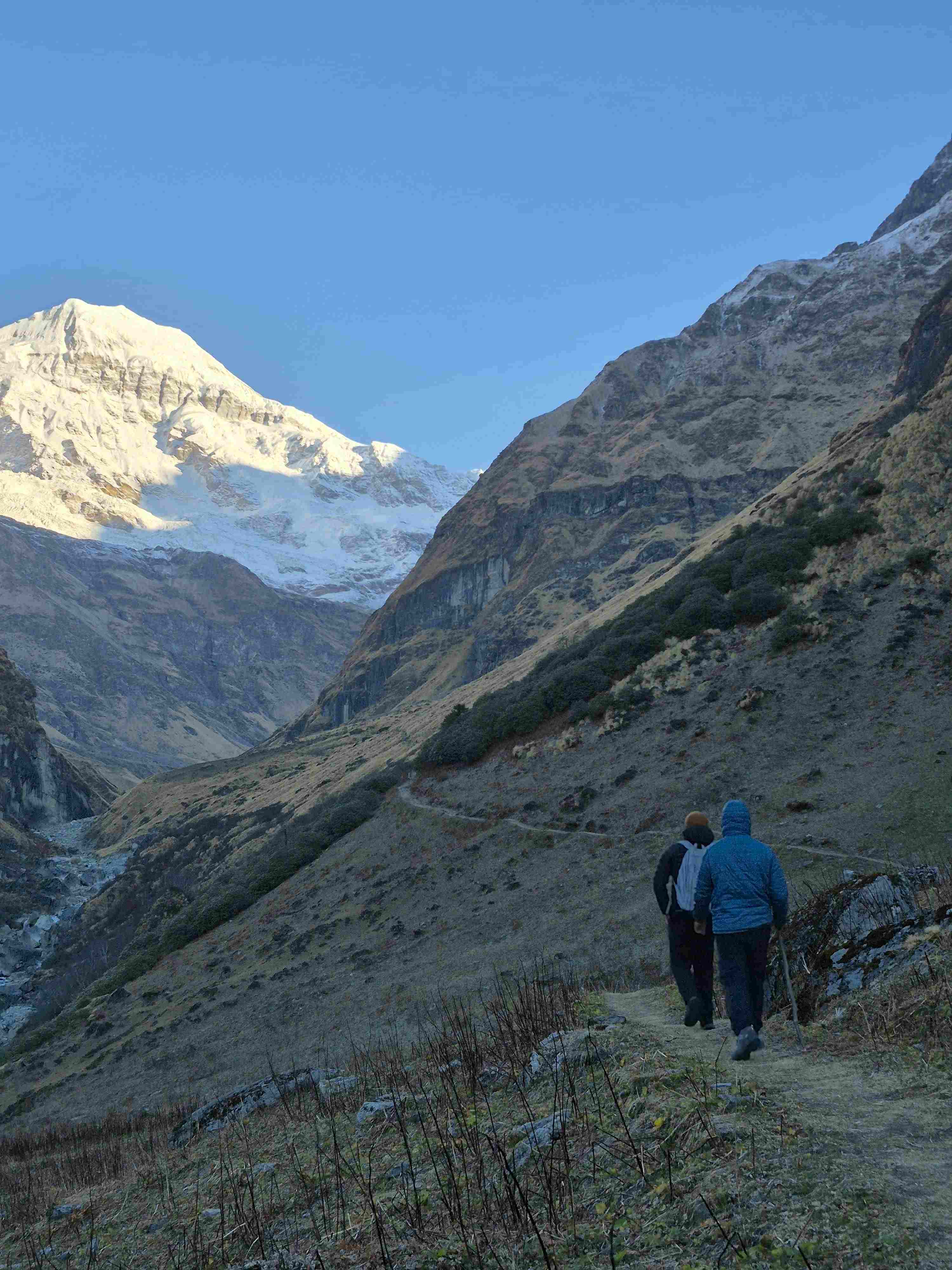
Most trekking days involve around the following:
- 5 to 8 hours of walking
- Continuous elevation gain
- Cold mornings and evenings
- Thin oxygen at higher altitudes
The biggest challenge is not steep trails. The biggest challenge is altitude.
Above 3,500 meters, the body starts feeling slower because oxygen levels decrease significantly. Even experienced trekkers sometimes struggle while climbing near Thorong La Pass.
One common mistake beginners make is walking too fast during the first few days. In the Himalayas, slow walking is actually smarter and safer.
The goal is not speed. The goal is proper acclimatization.
The Annapurna Circuit Trek is considered moderately to challenging, and if you are looking for a similar remote adventure, the Manaslu Circuit Trek Guide is another excellent option.
Altitude Sickness – The Most Important Thing to Understand
Altitude sickness is one of the biggest reasons people fail to complete the Annapurna Circuit Trek.
Once you climb above 3,000 to 3,500 meters, your body receives less oxygen than normal. Some people adjust quickly, while others develop symptoms unexpectedly.
Common symptoms include:
- Headache
- Dizziness
- Nausea
- Appetite loss
- Difficulty sleeping
This is why acclimatization days are extremely important.
Manang is the main acclimatization stop during the trek. Many trekkers spend one extra day there and hike to places like Ice Lake or the Gangapurna viewpoint before continuing higher.
Personally, the acclimatization day around Manang felt incredibly useful. It may seem tempting to continue quickly, but resting there makes the Thorong La crossing much safer later.
Drinking enough water also matters a lot at altitude. Most guides recommend drinking at least 3-4 liters every day.
And one more important thing: alcohol makes acclimatization harder.
Annapurna Circuit Trek Permits (2026)
Trekkers need two permits for the Annapurna Circuit Trek.
ACAP Permit
ACAP stands for Annapurna Conservation Area Permit.
This permit is mandatory for entering the Annapurna protected region.
Approximate Cost: NPR 3,000
TIMS Card
TIMS stands for Trekkers’ Information Management System.
This card helps maintain trekking records and improve safety tracking in remote mountain areas.
Approximate Cost:
TIMS stands for Trekkers’ Information Management System.
This card helps maintain trekking records and improve safety tracking in remote mountain areas.
Approximate Cost: NPR 2,000
Guide Rules in 2026
As of 2026, licensed guides are now effectively mandatory for most foreign trekkers in Nepal, including the Annapurna region.
Because of stricter regulations, completely independent solo trekking has become far less common than before.
Most trekking agencies arrange permits and guide services together.
Annapurna Circuit Trek Cost Breakdown (2026)
The total budget depends on your trekking style, transport choice, accommodation preference, and whether you hire a guide or porter.
Budget trekkers usually spend around $700–$1000.
Trekkers choosing private jeeps, flights, guides, and more comfortable tea houses may spend $1200-$1800.
Below is a rough average breakdown:
| Expense | Approximate Cost |
|---|---|
| Permits | $40 |
| Food | $20–35 per day |
| Accommodation | $5–15 per night |
| Guide | $25–35 per day |
| Porter | $20–30 per day |
| Jeep Transport | $30–80 |
| WiFi & Charging | $3–10 daily |
Prices become higher at altitude because supplies must be transported manually by porters, mules, or yaks.
Even a hot shower above Manang can feel surprisingly expensive.
Food and Accommodation During the Trek
Tea houses are available throughout most of the Annapurna Circuit route.
Rooms are usually simple and basic, with twin beds, blankets, and wooden walls. Luxury should not be expected in higher villages, but honestly, after walking for several hours in cold mountain weather, even a basic room feels comfortable.
The dining halls are usually the warmest and most social places inside tea houses.
By evening, trekkers gather around heaters, drink tea, compare routes, discuss weather conditions, and share trekking stories. These evenings often become some of the most memorable moments of the entire journey.
Food options are surprisingly good considering the altitude.
Most tea houses serve the following:
- Dal Bhat
- Fried rice
- Noodles
- Pasta
- Pancakes
- Soups
- Eggs
- Tea and coffee
After several trekking days, many people begin ordering Dal Bhat almost every evening because it is filling, warm, and usually comes with free refills.
The Ultimate 14-Day Annapurna Circuit Trek Itinerary (Complete Day-by-Day Guide)
The Annapurna Circuit Trek is one of the most rewarding long-distance treks in Nepal. From lush green valleys and Tibetan-style villages to the high-altitude challenge of Thorong La Pass, every day on this route feels completely different from the last.
This 14-day Annapurna Circuit Trek itinerary is designed for trekkers who want a balanced mix of adventure, acclimatization, mountain views, and local Himalayan culture. Whether you’re planning your first Nepal trek or looking for a realistic Annapurna Circuit guide, this route covers everything you need to know before starting the journey.
Day 1: Kathmandu to Dharapani (via Besisahar)
Altitude: 1,960 m / 6,430 ft
Drive Duration: 8–10 Hours
Trail Type: Scenic highway + rough mountain road
Your Annapurna Circuit adventure begins with a long but beautiful drive from Kathmandu toward the Marsyangdi Valley. The first half of the road is smooth, but after Besisahar the route becomes rough, narrow, and much more adventurous. Waterfalls crash beside the road while steep cliffs rise above the river below.
By the time you arrive in Dharapani, the air already feels cooler and fresher than Kathmandu. The small village atmosphere and mountain surroundings make it feel like the trek has truly started.
Day 2: Dharapani to Chame
Altitude: 2,670 m / 8,760 ft
Trek Duration: 5–6 Hours
Difficulty: Moderate
Today is your first proper trekking day on the Annapurna Circuit Trek. The trail passes through pine forests, suspension bridges, and traditional Himalayan villages like Bagarchhap and Timang. The sound of the Marsyangdi River follows you almost the entire day.
As you continue climbing higher, the mountain views begin opening up. Snow-covered peaks like Lamjung Himal and Annapurna II slowly appear between the trees before you finally reach Chame, the headquarters of Manang District.
Insider Tip: There’s a natural hot spring near Chame that feels amazing after a full day of walking.
Day 3: Chame to Upper Pisang
Altitude: 3,200 m / 10,499 ft
Trek Duration: 5–6 Hours
Trail Type: Narrow valley + alpine terrain
The scenery changes noticeably today. Dense forests slowly disappear as the trail enters a dramatic high Himalayan valley. One of the biggest highlights is Paungda Danda, a giant curved rock wall rising high above the river.
The closer you get to Pisang, the drier and more rugged the landscape becomes. Staying in Upper Pisang is highly recommended because the mountain views feel much wider and the traditional stone village has a quieter atmosphere.
Insider Tip: Sunset views over Annapurna II from Upper Pisang are easily one of the best moments of the trek.
Day 4: Upper Pisang to Manang (via Ghyaru & Ngawal)
Altitude: 3,540 m / 11,614 ft
Trek Duration: 6–7 Hours
Difficulty: Challenging but rewarding
Most trekkers choose the higher trail through Ghyaru and Ngawal because the scenery is significantly better than the lower route. The morning climb is steep, but the reward comes quickly with huge panoramic views of the Annapurna range.
Ancient monasteries, prayer wheels, mani walls, and traditional Tibetan-influenced villages make this section feel culturally rich as well. By afternoon, you finally descend into the broad valley of Manang, one of the most famous villages on the Annapurna Circuit.
Day 5: Acclimatization Day in Manang
Altitude: 3,540 m / 11,614 ft
Optional Hiking Time: 3–4 Hours
This acclimatization day is extremely important before heading toward higher altitude. Instead of resting completely, trekkers usually hike to Gangapurna Lake or Ice Lake to help the body adjust properly.
Manang itself is a great place to spend an extra day. Small bakeries, mountain cafes, old monasteries, and relaxed tea houses give the village a unique atmosphere that many trekkers end up loving.
Important: Proper acclimatization greatly reduces the risk of altitude sickness during the Thorong La Pass crossing.
Day 6: Manang to Yak Kharka
Altitude: 4,050 m / 13,287 ft
Trek Duration: 4–5 Hours
Trail Type: Gradual high-altitude ascent
Leaving Manang behind, the landscape becomes increasingly barren and open. Trees disappear completely, replaced by dry hillsides, rocky trails, and grazing yak pastures.
The altitude gain is noticeable today, so maintaining a slow and steady pace is important. Yak Kharka is small, windy, and peaceful, surrounded by wide Himalayan terrain and distant snowy peaks.
Day 7: Yak Kharka to Thorong Phedi
Altitude: 4,525 m / 14,845 ft
Trek Duration: 4–5 Hours
Difficulty: Moderate
Although the trekking hours are shorter today, the thinner air makes the climb feel harder. The trail crosses a suspension bridge before gradually climbing toward Thorong Phedi, the final stop before the pass.
The entire atmosphere changes here. Trekkers spend the evening preparing gear, checking weather conditions, and mentally getting ready for the toughest day of the Annapurna Circuit Trek.
Day 8: Thorong Phedi to Thorong La Pass to Muktinath
Highest Altitude: 5,416 m / 17,769 ft
End Point Altitude: 3,760 m / 12,335 ft
Trek Duration: 8–10 Hours
This is the biggest and most unforgettable day of the trek. Most trekkers start walking before sunrise to cross Thorong La Pass before strong afternoon winds arrive.
The climb feels slow, cold, and exhausting, but standing beneath the colorful prayer flags at the top makes every difficult step worth it. The panoramic Himalayan views from the pass are unforgettable.
After celebrating at the summit, the trail descends into the dry Mustang region before finally reaching Muktinath, one of Nepal’s most important pilgrimage sites.
Day 9: Muktinath to Jomsom
Altitude: 2,720 m / 8,923 ft
Trek Duration: 5–6 Hours
Trail Type: Windy valley walk
The landscape now feels completely different from the eastern side of the Annapurna Circuit. Dry hills, dusty trails, and strong winds dominate the Kali Gandaki Valley.
After visiting Muktinath Temple, the trail continues toward Kagbeni and eventually reaches Jomsom, a busy Himalayan town famous for apples, bakeries, and its windy afternoon weather.
Day 10: Jomsom to Tatopani
Altitude: 1,190 m / 3,904 ft
Drive Duration: 5–6 Hours by Jeep
Instead of walking on the dusty road, many trekkers choose a local jeep ride to Tatopani. The route passes through the deep Kali Gandaki Gorge between the Annapurna and Dhaulagiri ranges.
As the altitude drops, the climate changes rapidly from cold mountain desert to warm subtropical forest. Tatopani is famous for its natural hot springs, which feel perfect after days of trekking.
Day 11: Tatopani to Ghorepani
Altitude: 2,874 m / 9,429 ft
Trek Duration: 7–8 Hours
Difficulty: Challenging uphill climb
Today is physically demanding because of the continuous uphill ascent. The trail passes terraced farms, waterfalls, and beautiful Gurung villages surrounded by rhododendron forests.
During spring, this section becomes especially beautiful with red and pink rhododendron blooms covering the hillsides. After a long climb, reaching Ghorepani feels extremely rewarding.
Day 12: Ghorepani to Poon Hill to Tadapani
Poon Hill Altitude: 3,210 m
Tadapani Altitude: 2,630 m / 8,628 ft
Trek Duration: 6–7 Hours
An early morning hike to Poon Hill offers one of the best sunrise viewpoints in Nepal. Watching the Annapurna and Dhaulagiri ranges slowly light up in golden color is a moment most trekkers never forget.
After breakfast, the trail continues through peaceful forests filled with moss-covered trees, waterfalls, and quiet mountain paths toward Tadapani.
Day 13: Tadapani to Ghandruk
Altitude: 2,012 m / 6,601 ft
Trek Duration: 3–4 Hours
Trail Type: Easy forest descent
This is one of the easiest and most relaxing trekking days of the journey. The trail descends gradually through rhododendron and oak forests before reaching the traditional Gurung village of Ghandruk.
Stone houses, mountain views, and local culture give Ghandruk a very authentic Himalayan atmosphere. It’s a great place to spend your final night in the mountains.
Day 14: Ghandruk to Pokhara
Altitude: 822 m / 2,697 ft
Walking & Driving Duration: 2 Hours Walk + 3 Hours Drive
The final day begins with a short downhill walk through terraced farmland toward Kimche. From there, a drive brings you back to Pokhara beside lakes, green hills, and comfortable hotels.
After nearly two weeks in the Himalayas, Pokhara feels calm, warm, and relaxing. Finishing the Annapurna Circuit Trek leaves most trekkers with unforgettable memories of mountain landscapes, local culture, and one of the best trekking experiences in Nepal.
Packing List for Annapurna Circuit Trek
Packing smartly matters more than packing heavily.
Essential clothing and gear include:
1. Down jacket
2. Waterproof jacket
3. Thermal layers
4. Trekking pants
5. Gloves and warm hat
6. Trekking shoes
7. Hiking socks
8. Trekking poles
9. Headlamp
10. Water bottles
11. Sunscreen
12. Lip balm
13. Personal medicines
14. Knee Support
15. Toilet Paper
A comfortable backpack also makes a huge difference during long trekking days.
Important Trekking Tips for Beginners
• Start walking early every morning because weather conditions are usually more stable before afternoon winds arrive.
• Carry enough cash before entering higher villages because ATM access becomes extremely limited after lower regions.
• Do not underestimate altitude even if you are physically fit. Good fitness helps, but acclimatization matters much more in the Himalayas.
• Try eating properly even when your appetite decreases at altitude. Your body needs energy constantly during long trekking days.
And finally, always keep one extra buffer day in Nepal because mountain weather can change unexpectedly.
Frequently Asked Questions (FAQs)
1. Is the Annapurna Circuit Trek difficult for beginners?
Beginners can complete the trek successfully with proper preparation, slow pacing, and good acclimatization.
2. What is the highest point of the trek?
Thorong La Pass at 5,416 meters (17,769 ft).
3. How many days are needed for the Annapurna Circuit?
Most trekkers complete the route in around 12 to 18 days depending on side trips and transportation choices.
4. Is a guide mandatory in 2026?
Yes, licensed guides are now effectively mandatory for most foreign trekkers in Nepal.
5. What is the best month for the Annapurna Circuit Trek?
October and April are usually considered the best overall months because of stable weather and clear mountain views.
6. Is altitude sickness common on this trek?
Yes, especially above Manang. Proper acclimatization is extremely important.
7. How cold does it get near Thorong La Pass?
Temperatures can drop well below freezing, especially before sunrise during the pass crossing.
8. Is WiFi available during the trek?
Yes, many tea houses offer WiFi, but speed becomes slower at higher-altitude villages.
9. Can I charge my phone during the trek?
Yes, but charging usually costs extra in higher villages.
10. Is travel insurance necessary?
Yes. Insurance covering high-altitude trekking and emergency helicopter evacuation is strongly recommended.
11. Is the Annapurna Circuit better than Everest Base Camp?
Both treks are incredible, but Annapurna Circuit offers more landscape variety, while Everest Base Camp is more famous for iconic Everest views and Sherpa culture.
Final Thoughts – Is the Annapurna Circuit Worth It in 2026?
Absolutely.
Even after roads, modernization, and changing trekking trends, the Annapurna Circuit still feels like one of the greatest long-distance treks in the Himalayas.
Not because it is the easiest trek. Not because it is the most luxurious.
But because it combines the following:
- changing landscapes
- mountain culture
- high-altitude challenge
- remote villages
- and unforgettable Himalayan scenery
into one incredible journey.
Some mornings feel brutally cold. Some days feel exhausting. But strangely, those difficult moments often become the memories trekkers value the most later.
And when you finally stand on Thorong La Pass looking back across the snow-covered mountains, you understand why people continue returning to this trek year after year.
if you’re planning to explore more Himalayan adventures, the
• Everest Base Camp Trek
is one of the most unforgettable journeys you can do once in your lifetime, offering incredible views of Mount Everest and the surrounding peaks.
For those who prefer a more remote and less crowded experience, the
• Manaslu Circuit Trek
is an amazing alternative with raw nature, peaceful trails, and authentic Himalayan culture.
ABOUT AUTHOR
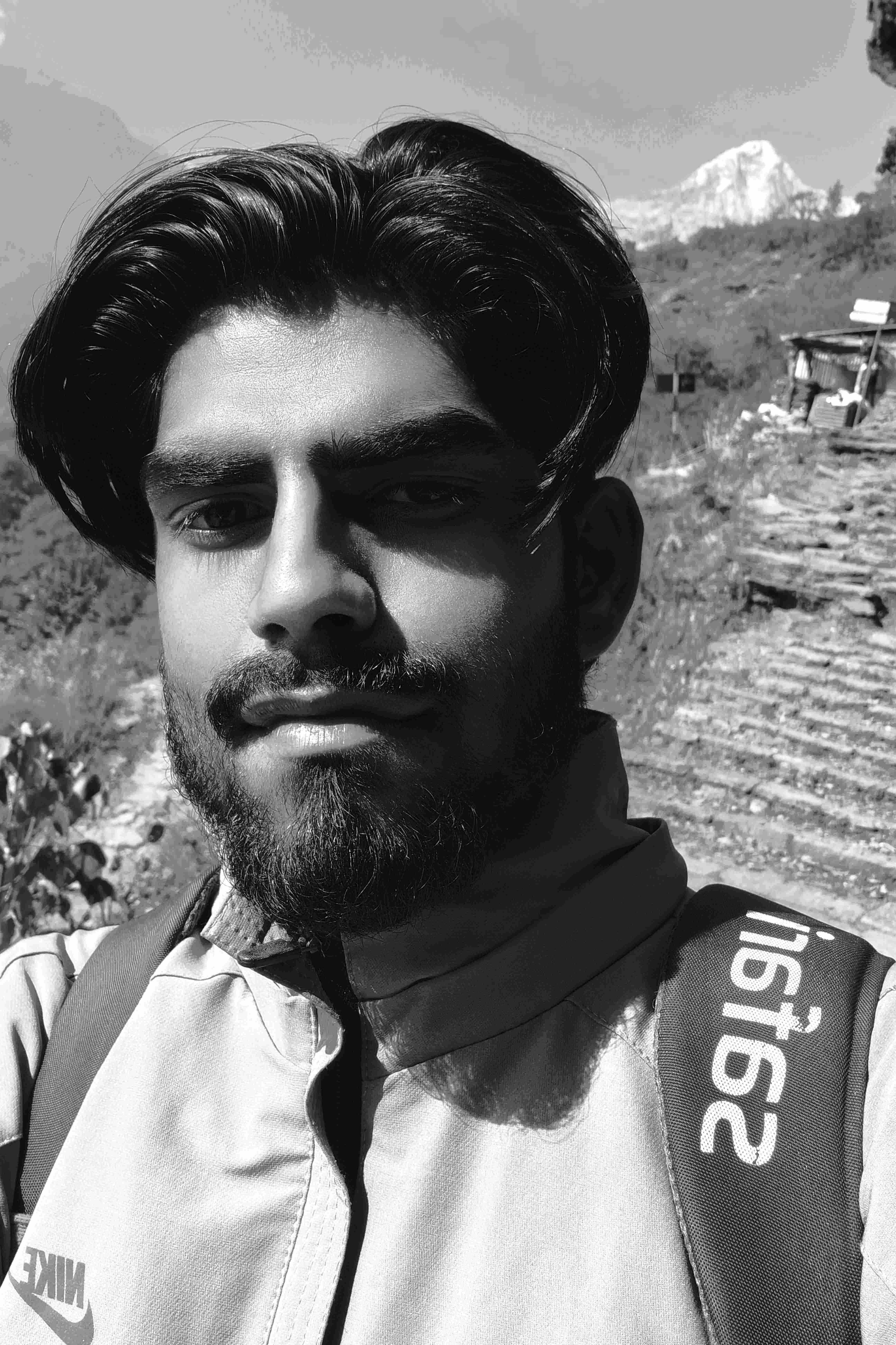
Afjal Khan
Afjal Khan is the founder of Epic Himalayan Trails and a passionate Himalayan trekker. He shares trekking guides, route information, itineraries, and practical travel tips to help trekkers plan better journeys across Nepal and the Indian Himalayas. Through Epic Himalayan Trails, his goal is to make trekking information simple, reliable, and useful for both beginners and experienced trekkers.