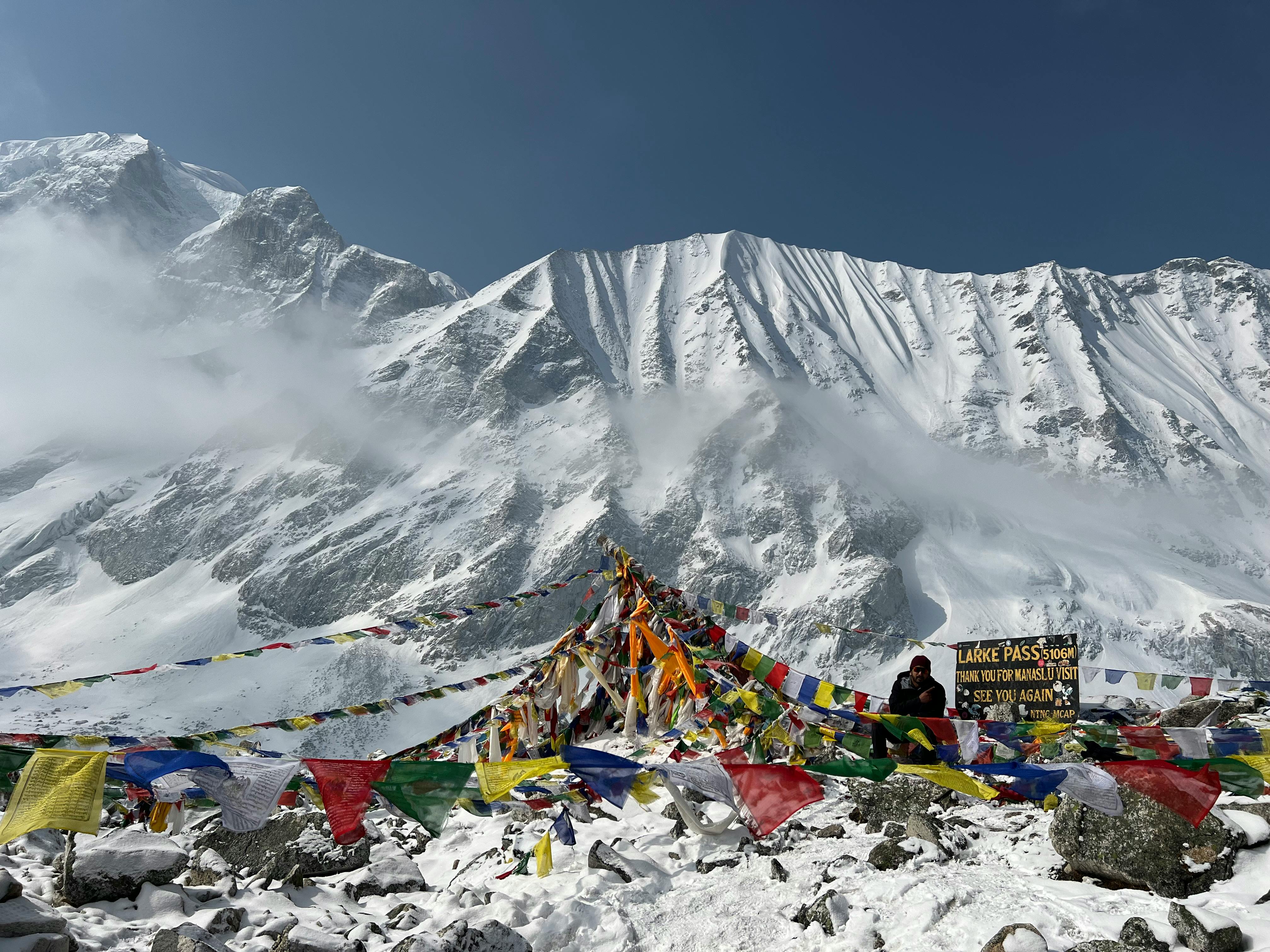
Some Himalayan treks impress you for a few days. Others quietly stay in your mind long after the journey ends. The Manaslu Circuit Trek honestly feels like the second kind.
In 2026, when routes like Everest Base Camp and Annapurna Circuit are becoming more crowded every season, Manaslu still feels raw, peaceful, and deeply connected to nature. That untouched feeling is exactly what makes this trek so different from many popular Himalayan routes today.
This is not the kind of trek where you spend all day taking photos for social media. The experience feels slower and more personal. Once you enter the trail, daily distractions slowly disappear. Traffic noise, notifications, busy schedules, and city stress begin to feel very far away.
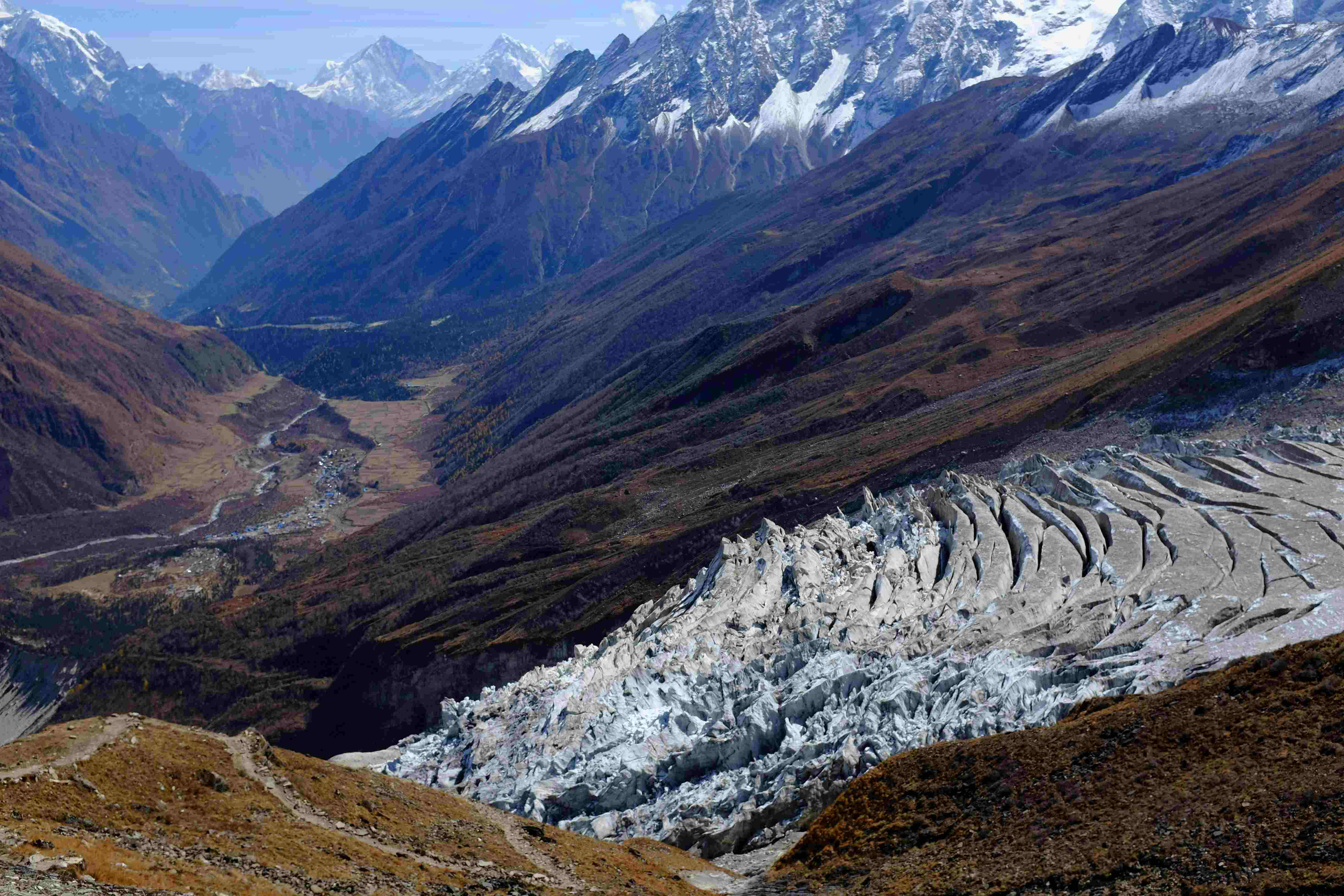
And honestly, that change in mindset becomes one of the best parts of the journey.
I still remember one evening sitting outside a small tea house while cold wind moved through the valley and the mountains slowly turned orange during sunset. Nobody around me was speaking much. There was only silence, distant bells, and thin mountain air. For a moment, everything felt unusually calm.
That feeling stayed with me even after returning home.
| Trek Details | Information |
|---|---|
| Trek Name | Manaslu Circuit Trek |
| Location | Nepal Himalayas |
| Trek Duration | 12–15 Days |
| Difficulty Level | Difficult |
| Highest Elevation | Larkya La Pass (5,106m) |
| Best Time to Visit | Spring (March–May) & Autumn (September–November) |
| Starting Point | Machha Khola / Soti Khola |
| Ending Point | Dharapani |
| Accommodation | Tea Houses & Local Lodges |
| Guide Required | Yes (Mandatory) |
| Solo Trekking | Not Allowed |
| Permits Required | RAP, MCAP & ACAP |
| Average Walking Hours | 6–8 Hours Per Day |
| Internet Availability | Limited in Higher Regions |
| Electricity | Available in Most Villages |
| Main Highlights | Larkya La Pass, Samagaon & Remote Himalayan Landscapes |
| Fitness Requirement | Good Physical Fitness Recommended |
| Best For | Trekkers Looking for a Peaceful Himalayan Experience |
| Estimated Budget (2026) | Depends on Travel Style & Trekking Services |
Why Manaslu Circuit Trek Feels More Authentic Than Other Treks
Nepal has many beautiful trekking routes, but some famous trails no longer feel peaceful because of heavy tourism and commercialization. Manaslu still feels different in a good way.
You do not see large tourist crowds everywhere. There are no loud cafes in the middle of the mountains or busy trekking traffic on every trail. Instead, the route passes through rivers, forests, suspension bridges, wooden villages, waterfalls, and quiet valleys surrounded by huge Himalayan peaks.
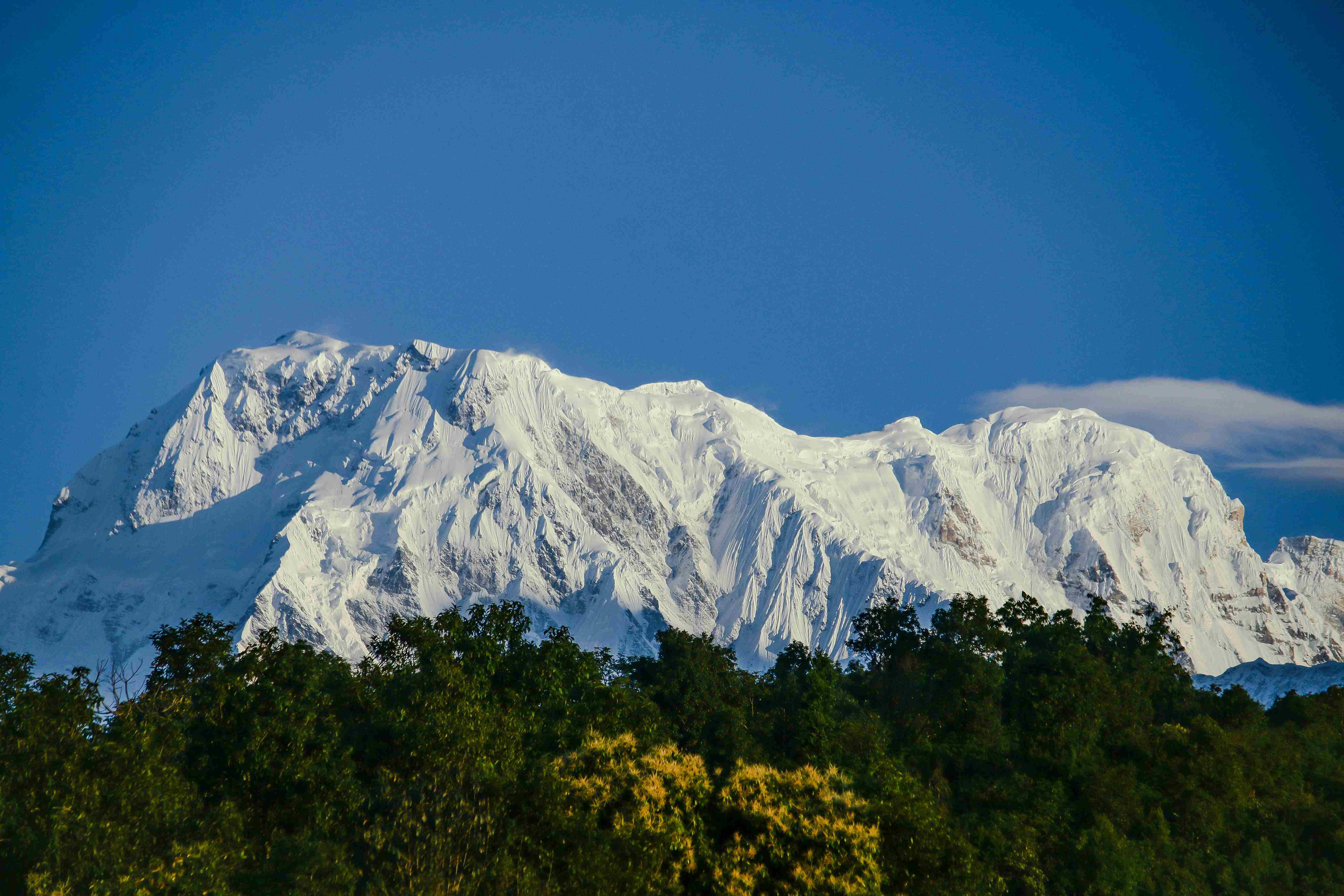
The experience feels natural instead of commercial.
One thing I personally noticed during the trek was how quickly my mind became calmer. During the first day, I was still checking my phone whenever a weak network signal appeared. But slowly, even internet stopped feeling important.
The mountains quietly take over your attention without forcing anything.
First Impression of the Manaslu Region
The journey usually begins with a long and rough drive from Kathmandu towards the lower trekking region. Roads can be dusty, bumpy, and tiring, but strangely, that rough beginning prepares you mentally for the adventure ahead.
As the trek starts, the scenery changes quickly. Green hills replace crowded streets, rivers begin flowing beside the trail, and traffic noise completely disappears.
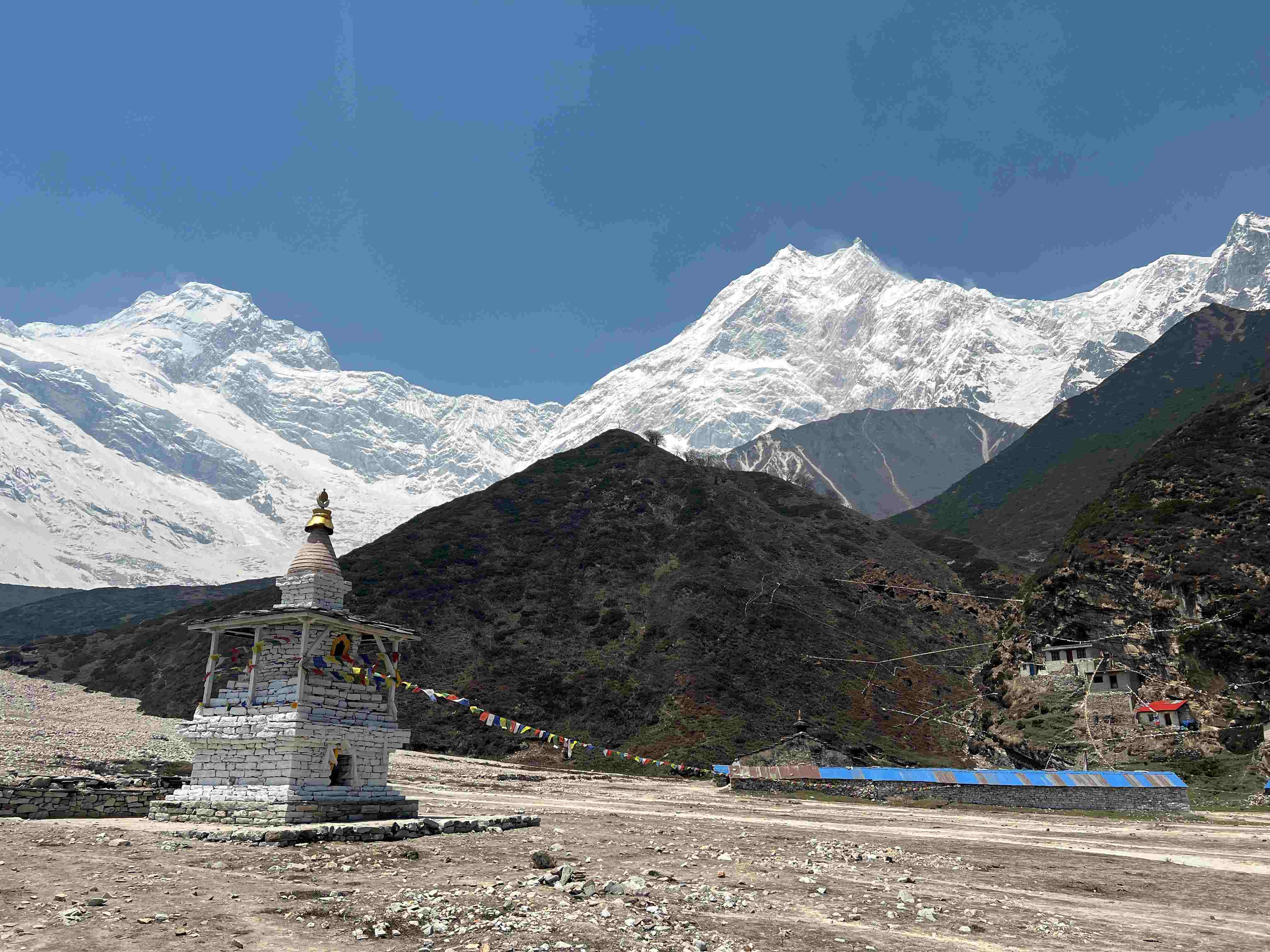
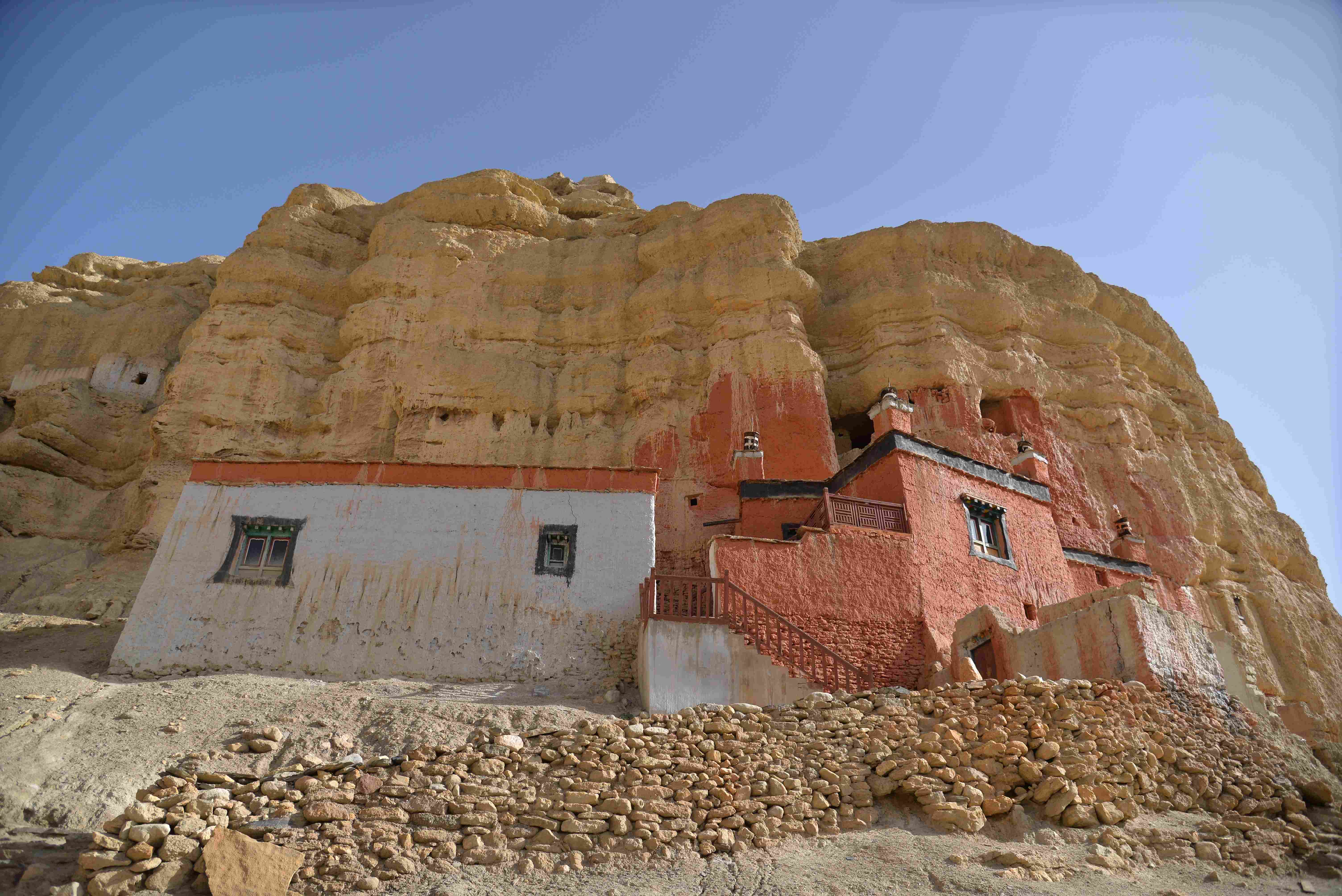
Villages in this region still follow simple mountain lifestyles connected closely to farming, livestock, and local traditions. Many houses are built using stone and wood, while colorful prayer flags move constantly in the cold Himalayan wind.
I still remember crossing a suspension bridge during the early days of the trek while hearing nothing except strong river sounds below. That silence felt peaceful in a way modern cities rarely allow anymore.
Manaslu Circuit Trek Day-by-Day Itinerary (2026 Complete Guide)
Day 1: Kathmandu → Soti Khola / Machha Khola
7–9 hours drive
1400m → 900m
A long but scenic drive along rivers and hills. As you leave Kathmandu behind, city noise slowly fades and the first signs of real Himalayan landscapes begin to appear.
Day 2: Machha Khola → Jagat
6–7 hours walking
+500m gain
You’ll walk through rivers, waterfalls, and small villages. This is the first real trekking day where your body starts adjusting to the rhythm of the trail.
The sound of flowing water and suspension bridges makes everything feel more alive and raw.
Day 3: Jagat → Deng
6–7 hours walking
+700m gain
The trail becomes quieter as you enter deeper forest areas. Fewer trekkers, more silence, and a stronger feeling of isolation.
This is the point where you start realizing — this trek is not just about walking, it’s about disconnecting from everything else.
Day 4: Deng → Namrung
6–7 hours walking
+900m gain
This is where the real mountain views start appearing. Snow peaks slowly come into sight, and villages begin showing Tibetan cultural influence.
There’s a calmness in the air that is hard to explain — you just feel it while walking.
Day 5: Namrung → Samagaon
6–8 hours walking
+1200m gain
A beautiful day with wide mountain views and traditional villages. The landscape opens up and every turn feels like a postcard moment.
By the time you reach Samagaon, there is a deep sense of calm — like the mountains are now fully around you.
Day 6: Acclimatization Day – Samagaon
3–4 hours optional hike
Stay at 3500m
This rest day is very important for adjusting to altitude. Most trekkers take short hikes or simply rest and observe the mountains.
It’s a slow day, but also one of the most peaceful — where you truly feel the silence of the Himalayas.
Day 7: Samagaon → Samdo
3–4 hours walking
+600m gain
A short but higher altitude walk. The air gets thinner and colder, and the landscape becomes more raw and open.
You start feeling like you are entering a completely different world now.
Day 8: Samdo → Dharamsala (Larkya Phedi)
4–5 hours walking
+500m gain
Final stop before crossing the high pass. This is where nervous energy and excitement both build up.
Everyone knows the next day will be the toughest — and that thought stays in your mind quietly.
Day 9: Larkya La Pass → Bimthang
8–10 hours walking
5106m highest point
The hardest and most rewarding day of the entire trek. Early morning cold, steep climb, strong wind, and thin air — everything feels challenging.
But when you finally reach the pass, the feeling is unforgettable. It’s not just about altitude, it’s about effort, patience, and silence all coming together.
Day 10: Bimthang → Dharapani
6–7 hours walking
descent approx -2000m
The landscape slowly turns green again. Forests return, air gets warmer, and the body feels the relief after high altitude effort.
It feels like coming back from another world into a softer one.
Day 11: Dharapani → Kathmandu
8–10 hours drive
The trek ends, but the experience stays with you for a long time. Even while returning, your mind keeps going back to the silence, the mountains, and those slow walking days.
The Real Experience of Walking Through Manaslu
The trek itself is physically demanding, but after a few days, your body slowly adjusts to the rhythm of mountain life. Every morning feels different because the landscapes change constantly.
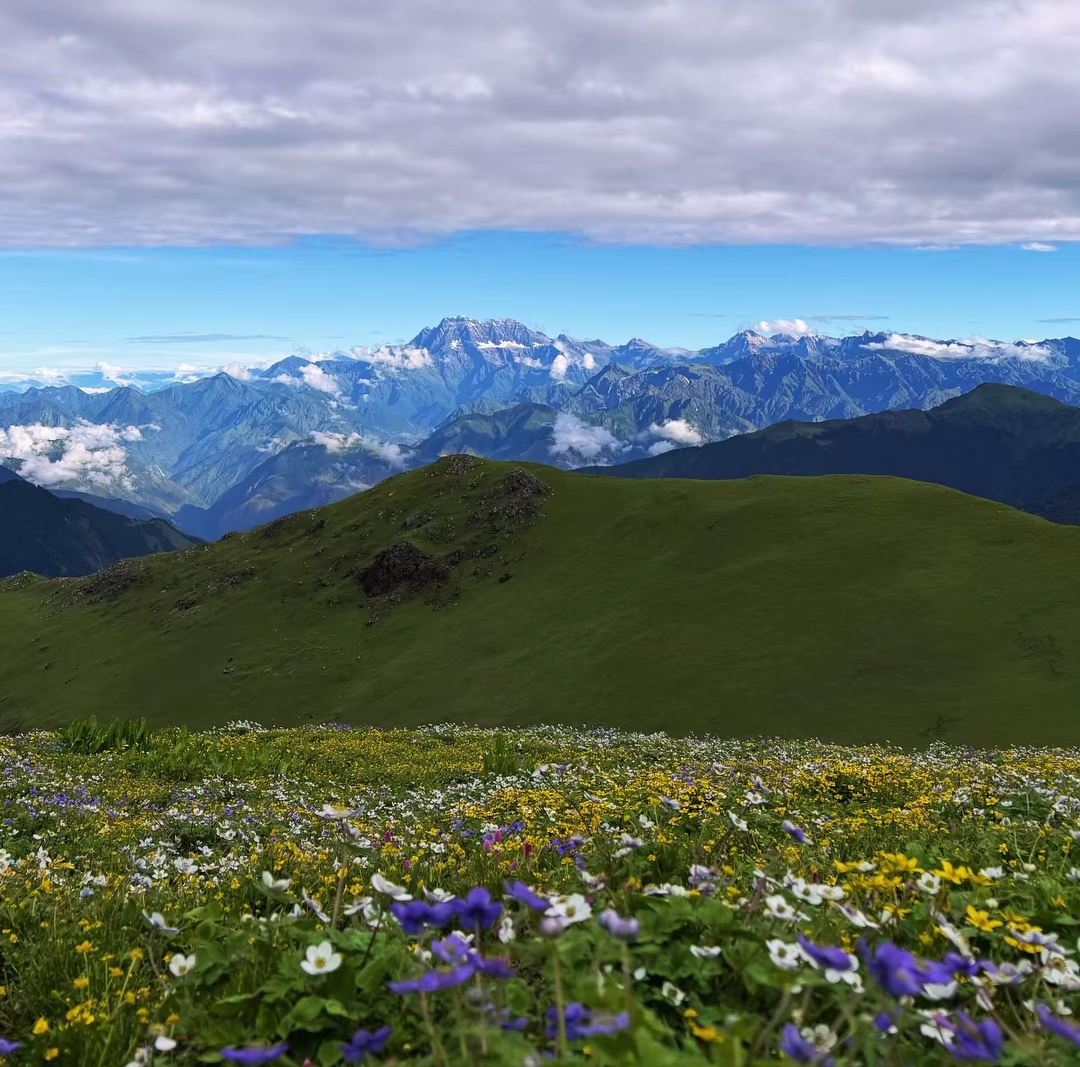
Some sections pass through thick forests where sunlight barely reaches the ground. Other trails suddenly open into huge valleys filled with snow-covered mountains glowing under early morning light.
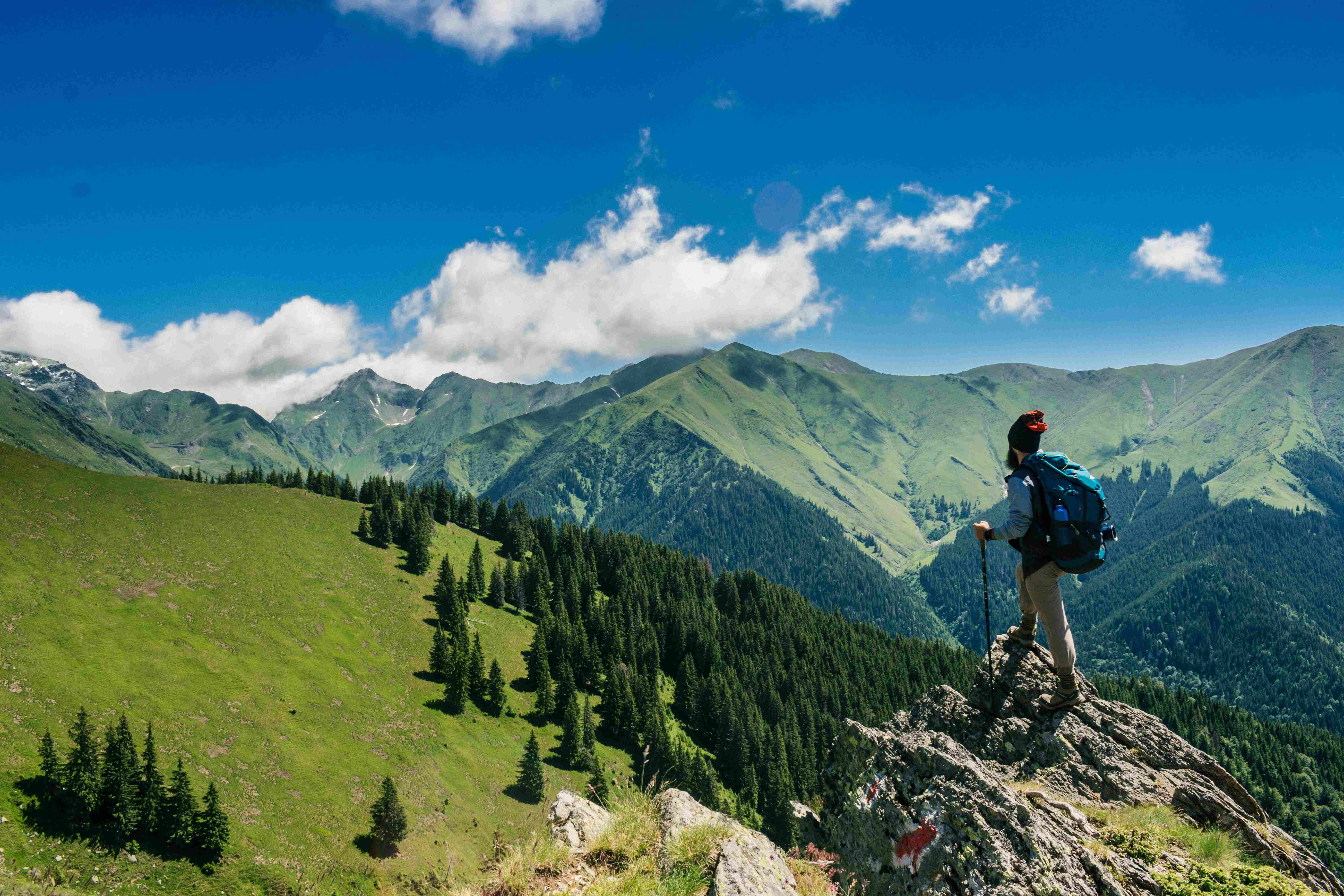
As altitude increases, walking naturally becomes slower. You stop rushing because the mountains force you to move steadily and carefully.
That is one thing this trek teaches very quickly – patience matters more than speed.
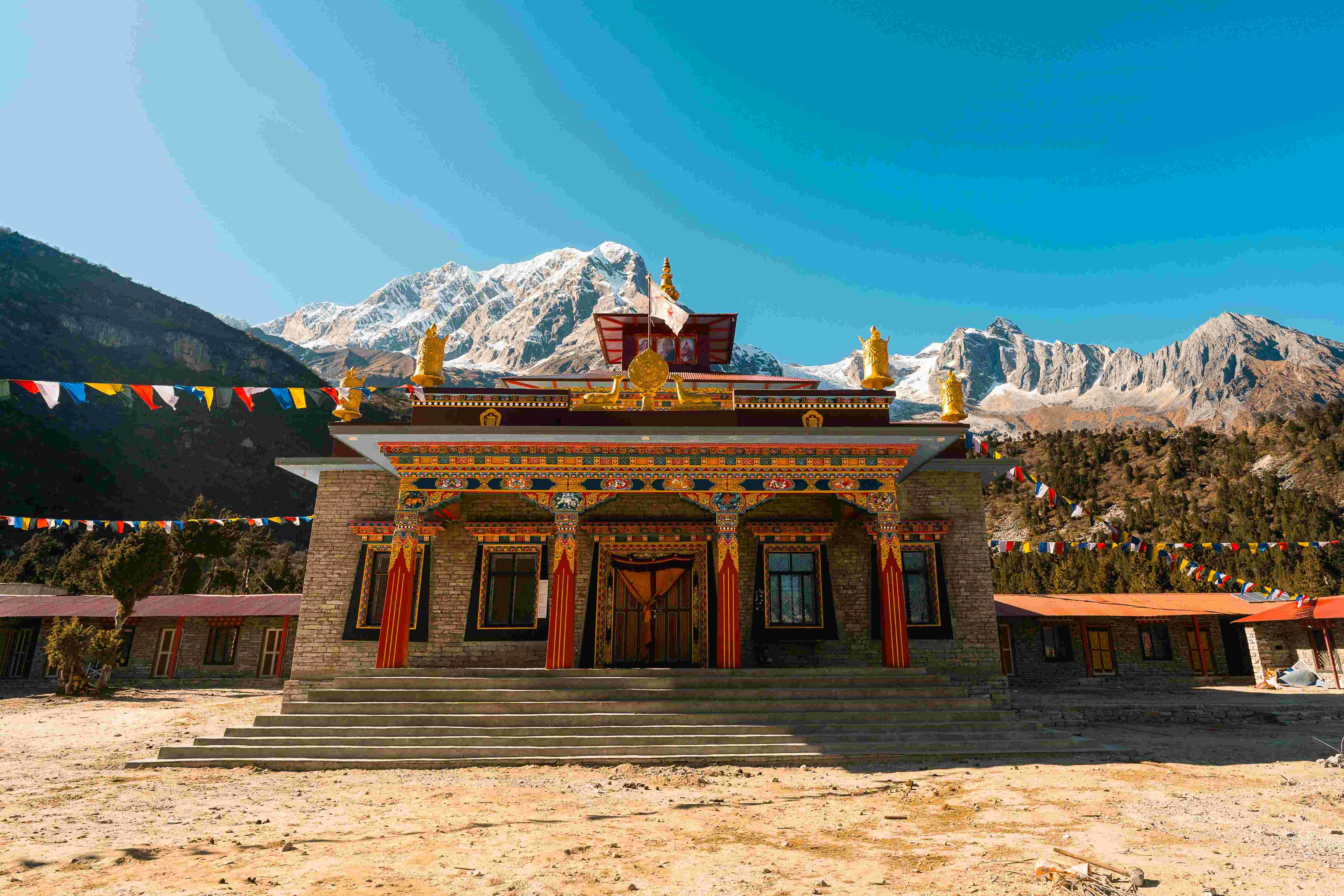
One evening after reaching a small tea house, I sat outside quietly watching the mountains during sunset. Nobody around me was speaking much. There was only cold air, distant prayer bells, and complete silence.
That simple moment somehow felt more memorable than many expensive trips I had done before.
Is the Manaslu Circuit Trek Difficult?
The Manaslu Circuit Trek is considered a moderate to difficult trek, mainly because of altitude, weather conditions, and long walking hours.
Some trekking days can easily take seven to eight hours depending on the trail and weather. The toughest section is crossing Larkya La Pass, which sits above 5,000 meters.
At that height, even normal walking starts feeling harder because oxygen levels become lower.
Altitude sickness is something every trekker should take seriously here. Even experienced hikers sometimes struggle with headaches, dizziness, tiredness, or breathing discomfort at higher elevations.
One mistake many people make is trying to walk too fast. During this trek, I realized that mountains reward patience more than strength. Slow walking, hydration, and proper acclimatization matter much more than trying to move quickly.
And honestly, once you accept that slower rhythm, the entire experience starts feeling much more enjoyable.
Complete Guide to Manaslu Circuit Trek Permits and Costs
Planning the legendary Manaslu Circuit Trek? Because it passes through remote, protected border regions near Tibet, the Government of Nepal regulates tourism here strictly. You cannot simply pack your bags and head out; you need a specific set of government permissions to enter.
To help you plan your adventure and budget accurately, here is the updated breakdown of all the necessary permits for the Manaslu Circuit Trek.
Why Do You Need Special Permits for Manaslu?
The trail between Jagat and Bhimtang is classified as a restricted area due to its close proximity to the international border. Additionally, the entire route cuts through two beautifully preserved eco-zones. To access these trails legally, every foreign trekker must carry three distinct documents:
- Manaslu Restricted Area Permit (RAP)
- Manaslu Conservation Area Permit (MCAP)
- Annapurna Conservation Area Project (ACAP) Permit
1. Manaslu Restricted Area Permit (RAP) Cost
The price of the Special Restricted Area Permit is seasonal. It depends strictly on the month you travel and how many days you spend inside the restricted zone (from Jagat until you cross the pass to Bhimtang).
Peak Season (September, October, and November)
- First 7 Days: USD 100 per person
- From the 8th Day Onward: USD 15 per person per day
Off-Peak Season (December to August)
- First 7 Days: USD 75 per person
- From the 8th Day Onward: USD 10 per person per day
Important Government Rule: To get the Manaslu RAP, you must travel with a minimum group size of two trekkers and be accompanied by a licensed, authorized trekking guide. Solo trekking is strictly prohibited in this region.
2. Manaslu Conservation Area Permit (MCAP)
As your journey progresses past Philim village, you officially enter the protected ecosystem of the region. This government-managed zone requires a standard entry fee to support local environmental preservation and community development.
- Permit Fee: USD 30 per person (payable in equivalent Nepalese Rupees)
- Validity: One-time entry fee (No daily duration limit)
3. Annapurna Conservation Area Project (ACAP) Permit
Once you successfully cross the challenging Larkya La Pass, your descent takes you out of the Manaslu region and directly into the Annapurna conservation zone near Bhimtang and Dharapani. Because you exit via the Annapurna trail, an ACAP permit is mandatory.
- Permit Fee: USD 30 per person (payable in equivalent Nepalese Rupees)
- Validity: One-time entry fee (No daily duration limit)
Total Permit Budget Estimation
If you plan a standard 10-day itinerary inside the restricted zone during the peak autumn season, your total permit cost structure will look like this:
- Peak Season RAP for the first 7 days: USD 100
- Extra 3 days inside the restricted zone: USD 45 ($15 per day × 3)
- MCAP entry permit fee: USD 30
- ACAP entry permit fee: USD 30
- Total Estimated Cost: USD 205 per person
Documents Required to Apply
Your registered trekking agency will handle the paperwork at the Department of Immigration in Kathmandu. You will need to provide them with:
- A scanned copy of your Passport (with at least 6 months validity).
- A valid Nepal Tourist Visa.
- Passport-sized photographs (keep 4-5 physical copies handy for checkpoints along the trail).
Cost of Manaslu Circuit Trek
The Manaslu Circuit Trek usually costs around $700 to $1,400 per person depending on your itinerary, group size, season, and level of comfort.
Since this is a restricted area trek in Nepal, you must hire a licensed guide and obtain special permits, which forms a major part of the total cost. These permits, along with guide fees, accommodation, meals, and transportation, make up the overall budget.
On average, daily expenses on the trail range from $25 to $45 per day, and this increases slightly in higher villages where everything is transported manually. Transportation from Kathmandu to the starting point and return also adds to the total cost.
If you are trekking in a group, the guide cost becomes more affordable, making the whole journey more budget-friendly.
Overall, it is not the cheapest trek in Nepal, but the experience, isolation, and scenery make every dollar feel well spent.
Best Time to Visit Manaslu Circuit Trek in 2026
Spring and autumn are considered the best seasons for this trek.
During spring, forests become colorful with blooming rhododendrons, and daytime temperatures remain comfortable. The trail feels fresh and alive after winter.
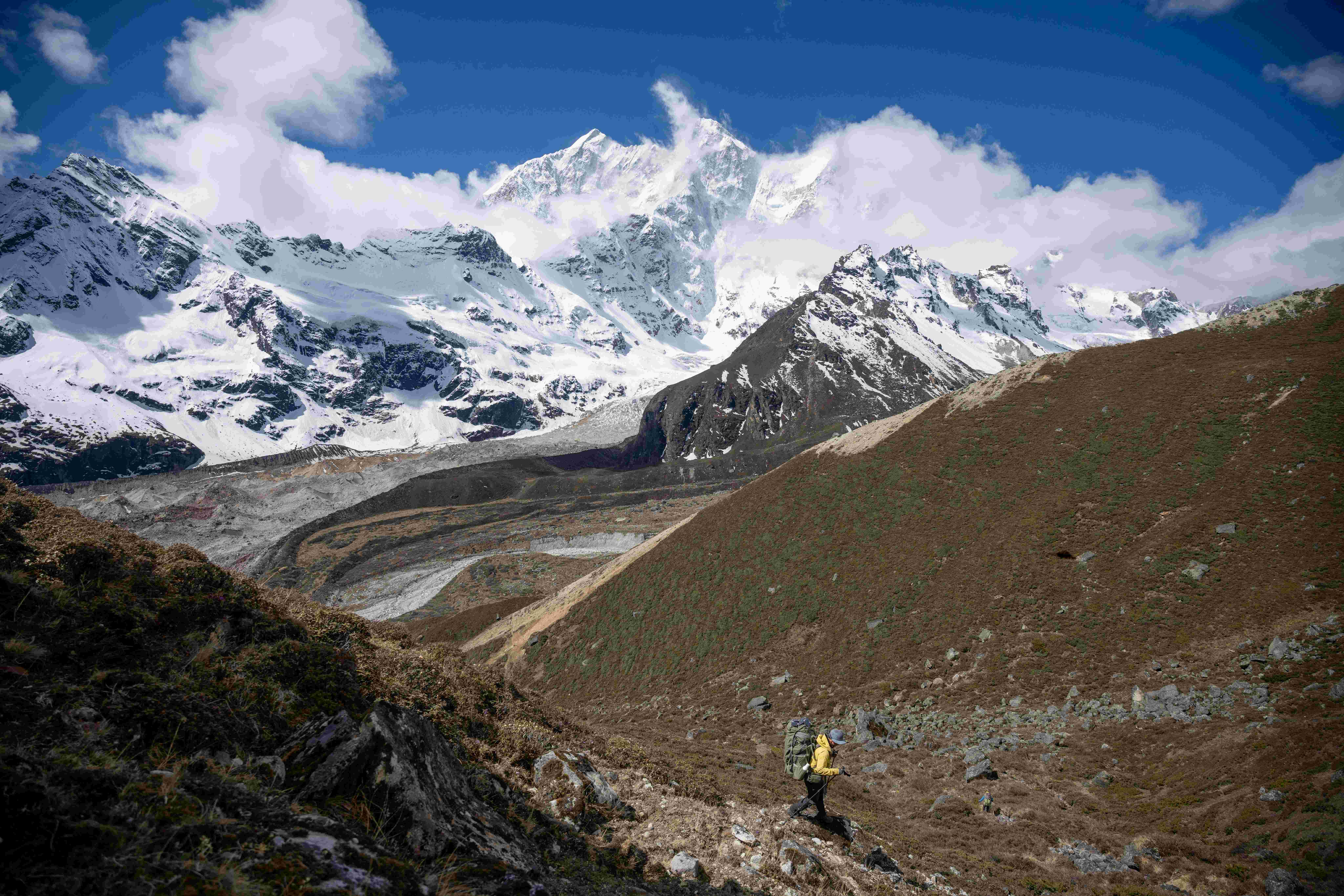
Autumn is usually the most popular trekking season because skies stay clearer and mountain visibility becomes incredible.
Winter trekking is possible for experienced trekkers, but snowfall near the pass can make conditions risky. Monsoon season is generally avoided because heavy rain increases chances of landslides and slippery trails.
Personally, autumn felt like the perfect balance between weather, mountain views, and trekking comfort.
What to Pack for Manaslu Circuit Trek
Packing properly can completely change your trekking experience in the Himalayas.
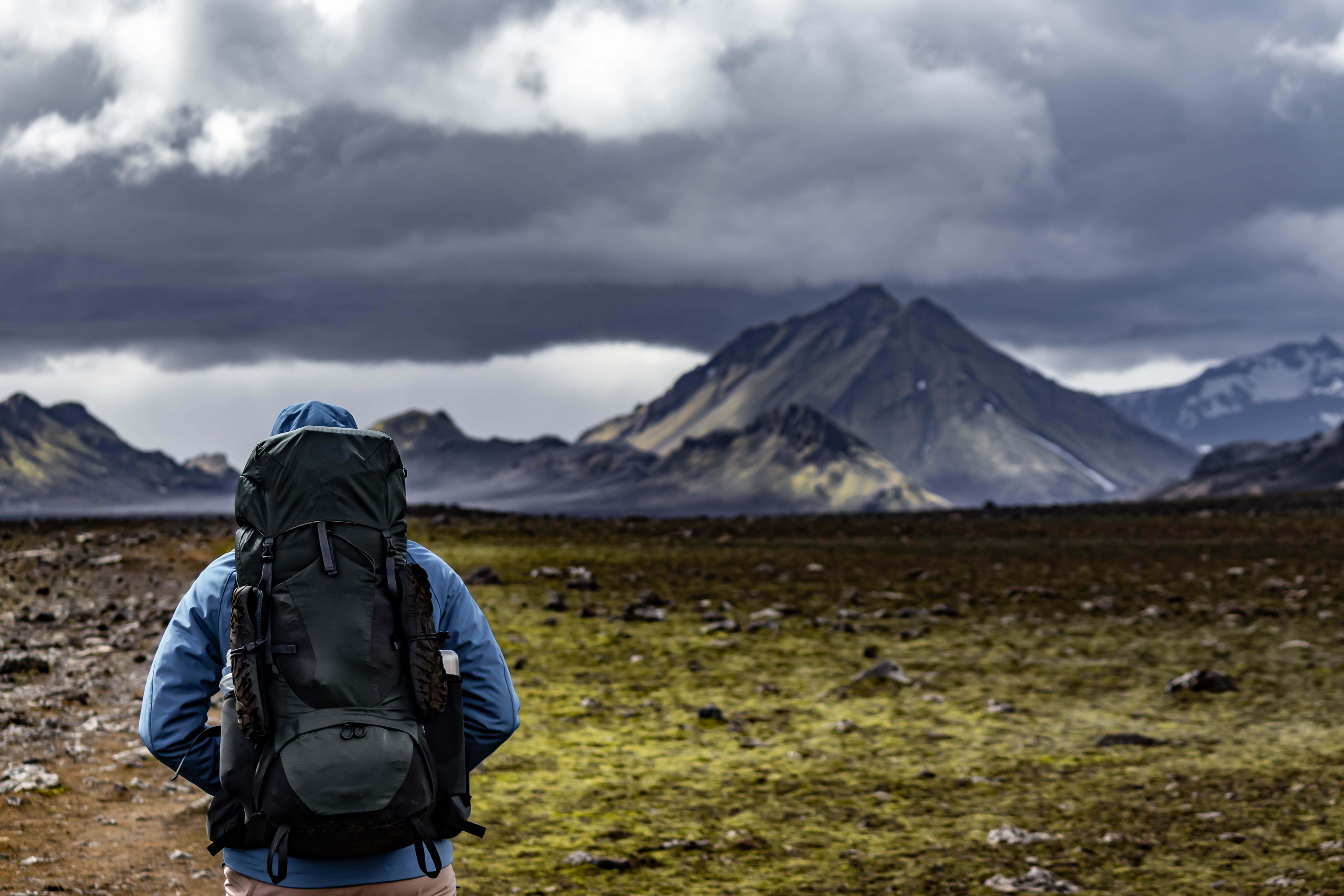
A warm down jacket becomes extremely important during cold evenings near the pass region. Waterproof gloves, thermal layers, trekking pants, and a good rain jacket are also useful because mountain weather changes quickly.
Comfortable trekking shoes matter much more than expensive gear. Long trekking days become painful if footwear is not reliable.
I would also recommend carrying:
- Knee Support
- Electrolytes
- Compressed Towel
- Water Purification Tablet
- Solar Power Bank
- Sunglasses
- Headlamp
- Trekking Poles
- Basic Medicines
- Sunscreen
- Lip Balm
One thing I personally learned is that carrying too much weight only makes trekking harder. Packing smart feels much better than packing heavy.
Tea Houses, Local Food and Mountain Hospitality
Accommodation on the trail is simple but comfortable enough after long trekking days. Most trekkers stay inside small tea houses run by local families.
Rooms are basic, electricity may be limited in some villages, and heating is not always reliable at higher elevations. But strangely, that simplicity becomes part of the charm.
Food mainly includes Dal Bhat, soups, noodles, potatoes, Tibetan bread, fried rice, and tea.
One thing that really stood out to me was the warmth of local people. Even with limited resources, they welcome trekkers with genuine kindness.
Up there, small things start feeling more meaningful.
👉 Annapurna Base Camp Trek Full Guide 2026
Frequently Asked Questions About Manaslu Circuit Trek
Is Manaslu Circuit Trek safe for beginners?
Yes, beginners with decent fitness can complete the trek if they walk slowly and acclimatize properly.
Do I need a guide for Manaslu Circuit Trek?
Yes. A licensed guide is mandatory because Manaslu is a restricted trekking area.
What is the best month for Manaslu Circuit Trek?
October is usually considered one of the best months because skies remain clear and mountain views become incredible.
How difficult is Larkya La Pass?
It is the toughest section of the trek because of altitude, cold weather, and long walking hours.
Is the internet available during the trek?
Yes, but connections are usually weak and unreliable in higher villages.
Can I do the trek solo?
No. Solo trekking is currently not allowed in the Manaslu region.
You can also check the Everest Base Camp Trek 2026 complete guide if you are planning a trek in Nepal.
Final Thoughts
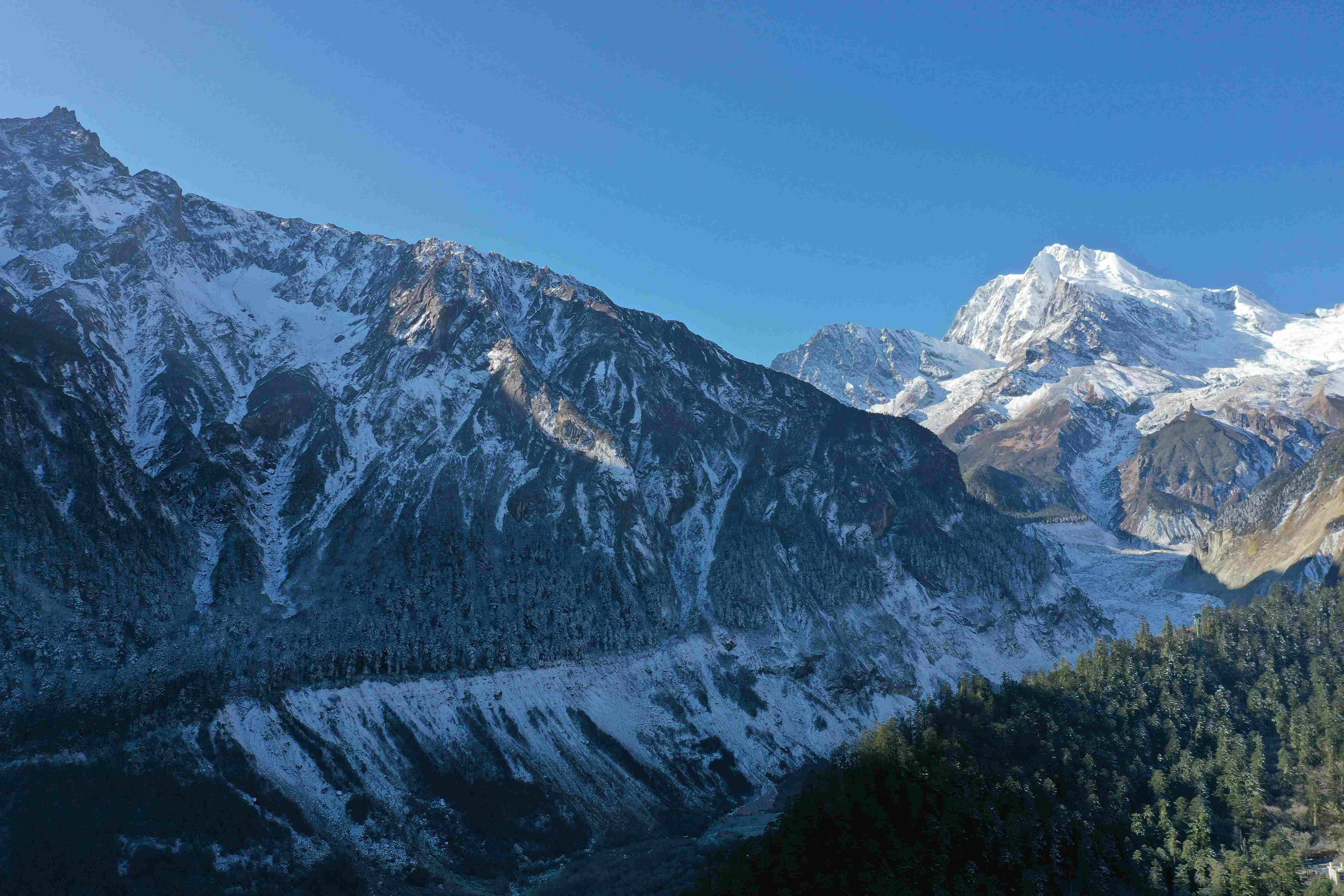
The Manaslu Circuit Trek is not the easiest trek in Nepal, and maybe that is exactly why it feels so rewarding.
It is not built around luxury or comfort. Instead, it gives you silence, effort, mountain air, simple living, and moments that stay in your memory much longer than photographs.
In 2026, when many travel destinations are becoming heavily commercialized, Manaslu still feels genuine, peaceful, and untouched in many ways.
If you are looking for a Himalayan trek that feels emotional, challenging, less crowded, and truly memorable, this route is absolutely worth experiencing at least once.
ABOUT AUTHOR
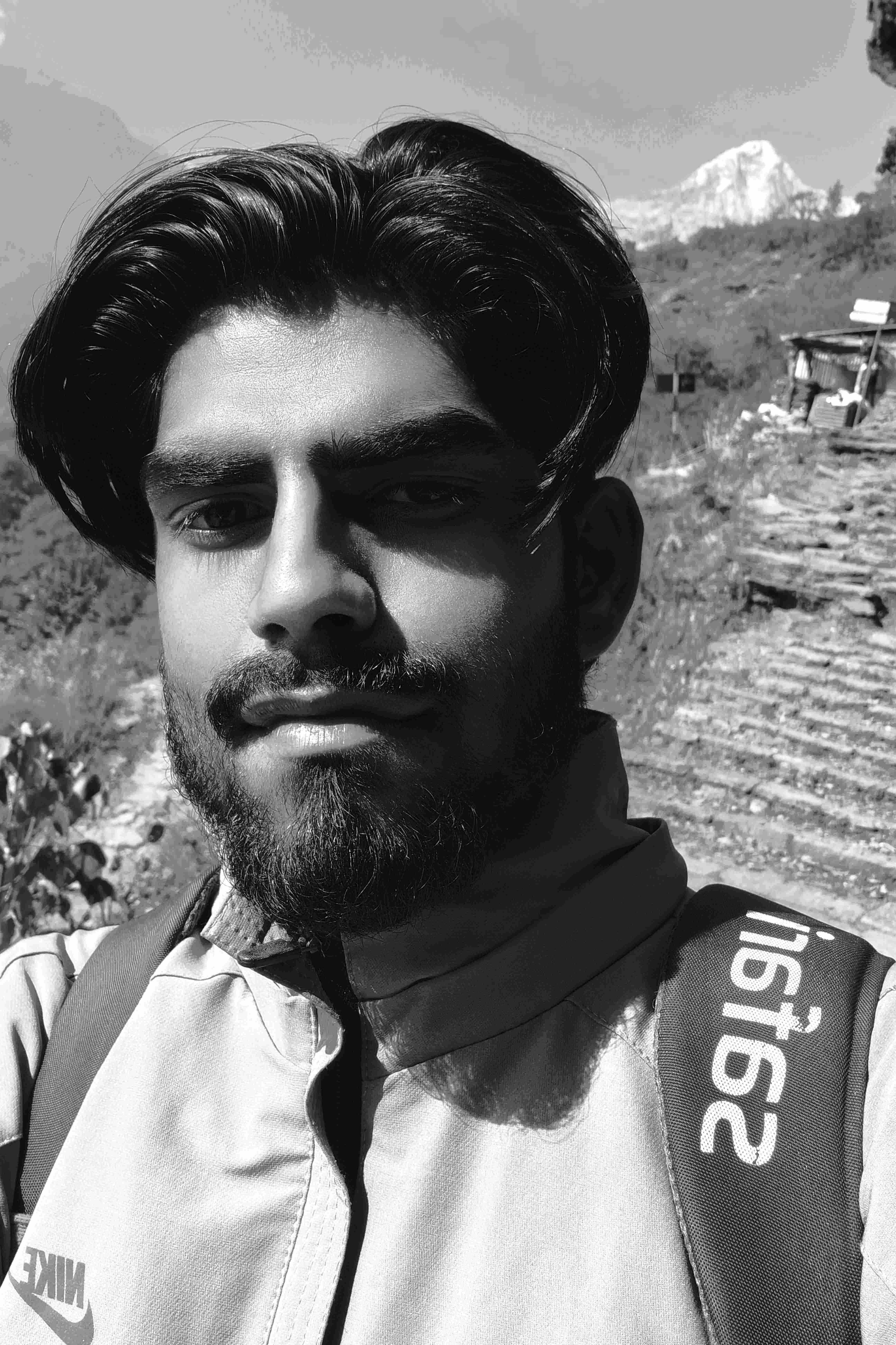
Afjal Khan
Afjal Khan is the founder of Epic Himalayan Trails and a passionate Himalayan trekker. He shares trekking guides, route information, itineraries, and practical travel tips to help trekkers plan better journeys across Nepal and the Indian Himalayas. Through Epic Himalayan Trails, his goal is to make trekking information simple, reliable, and useful for both beginners and experienced trekkers.