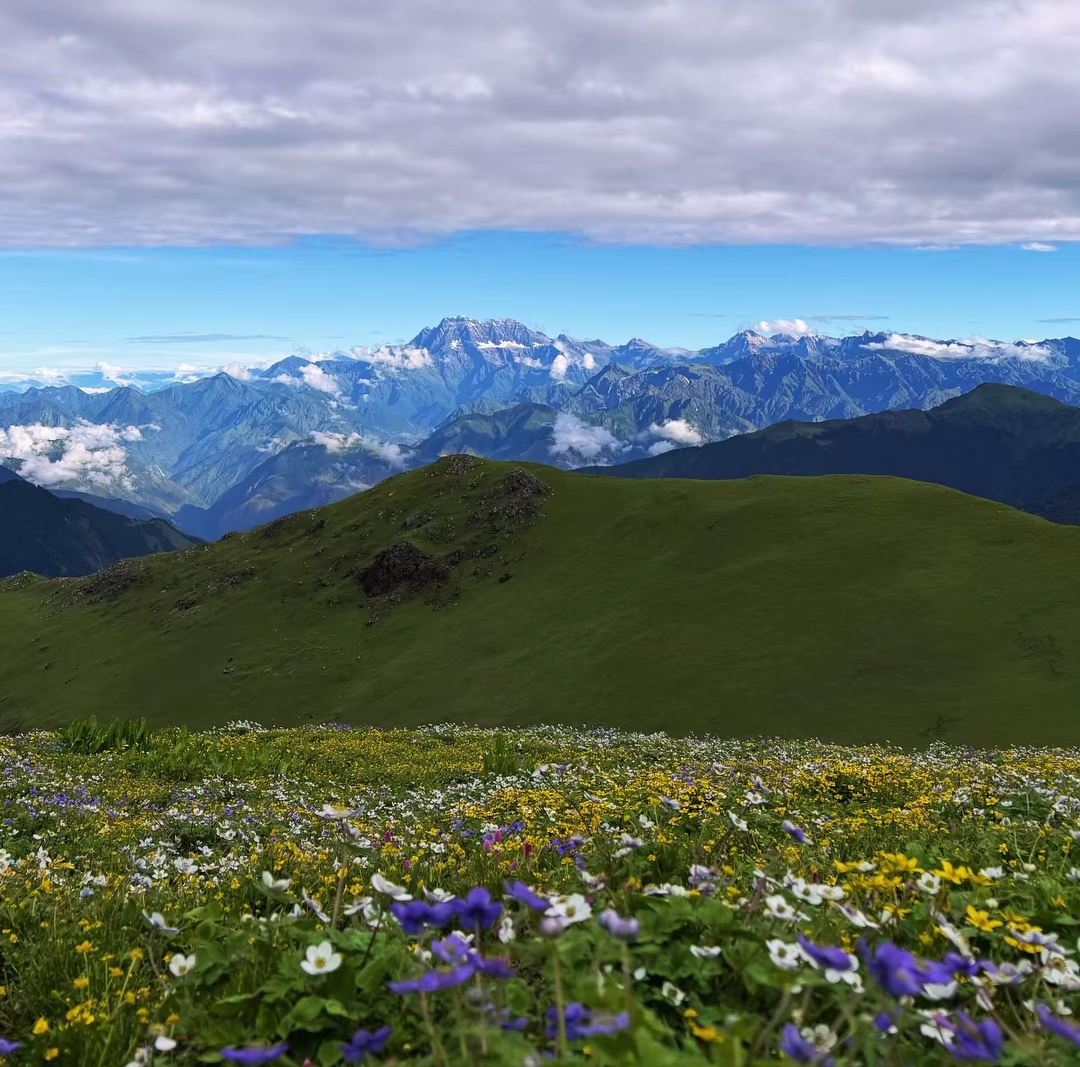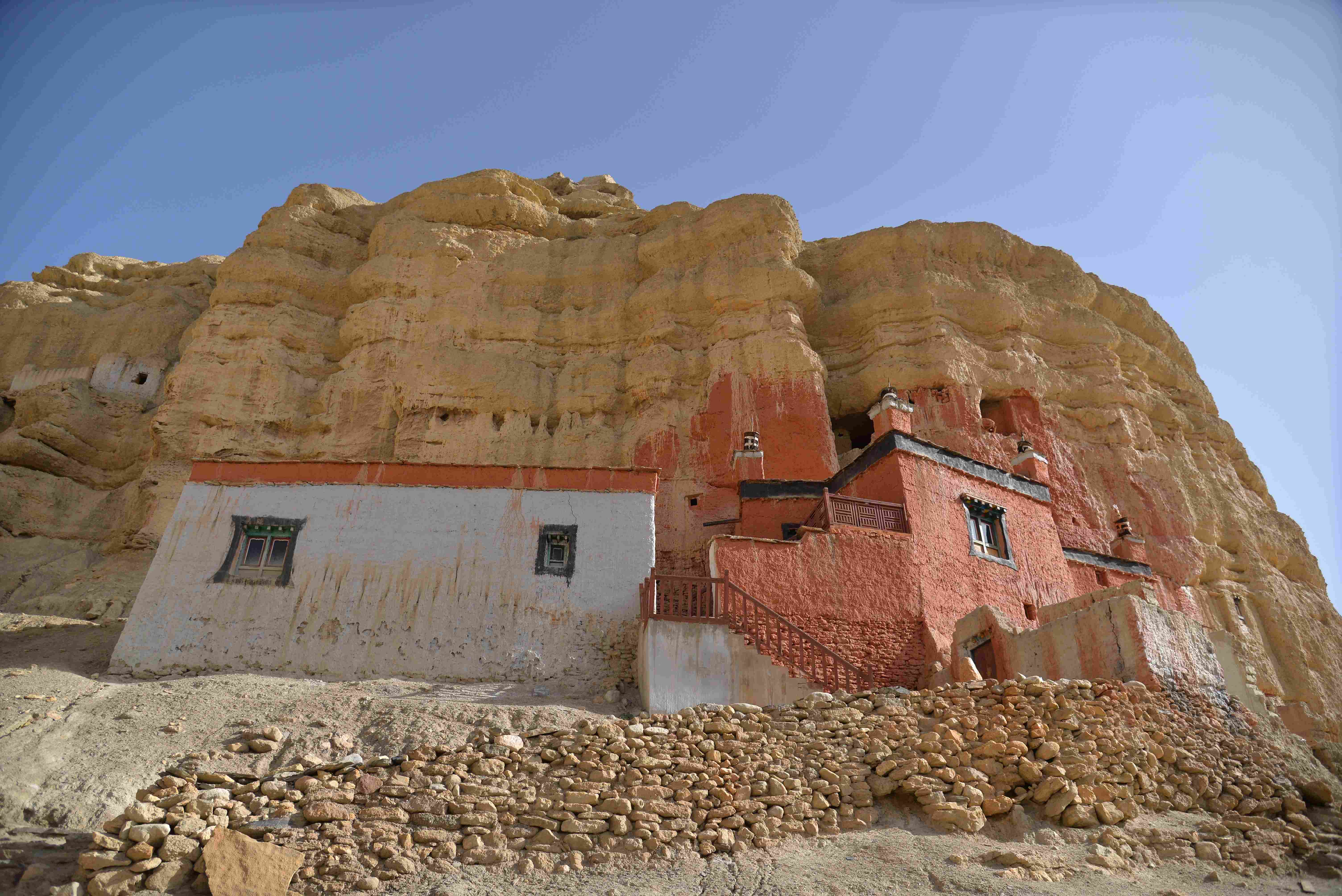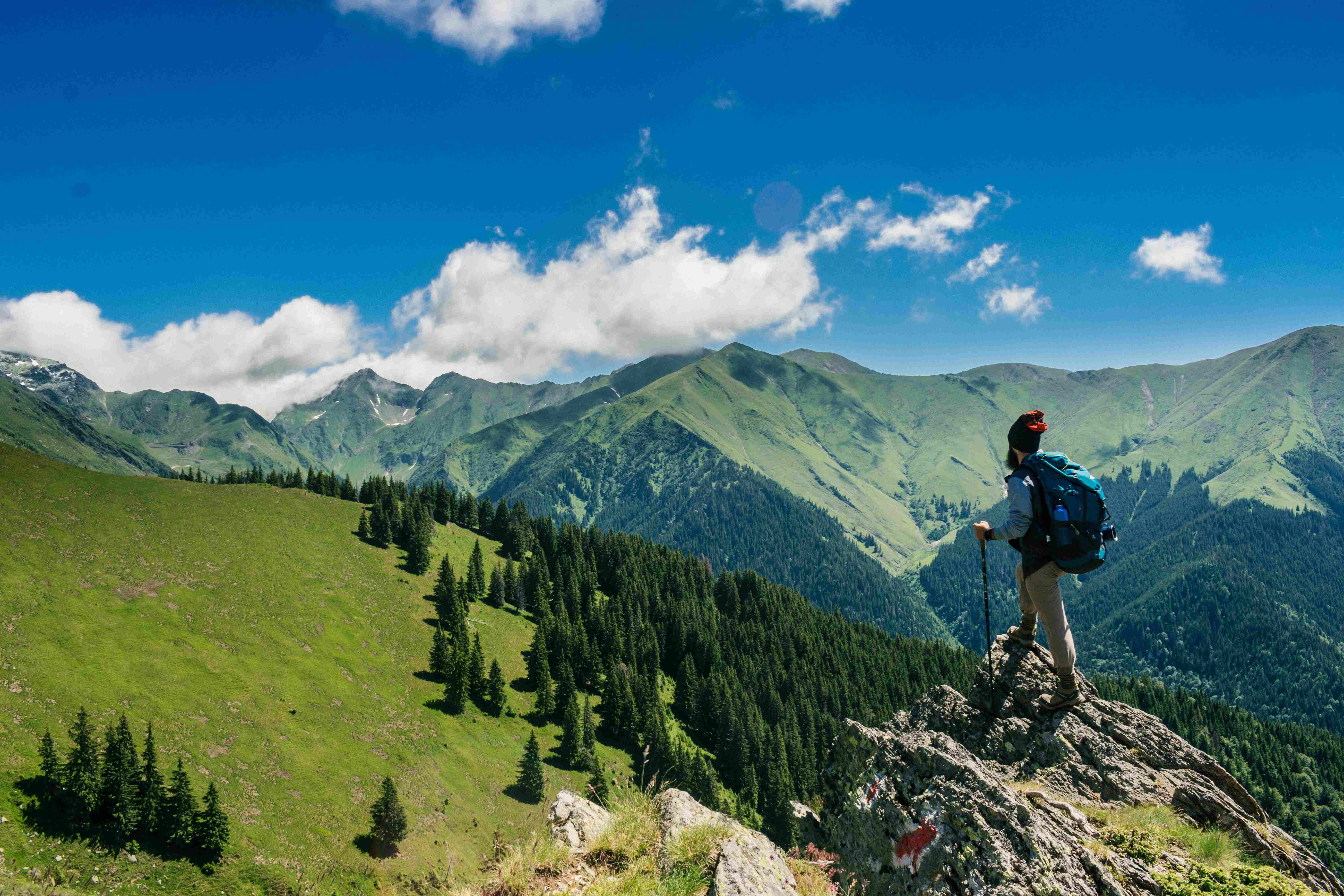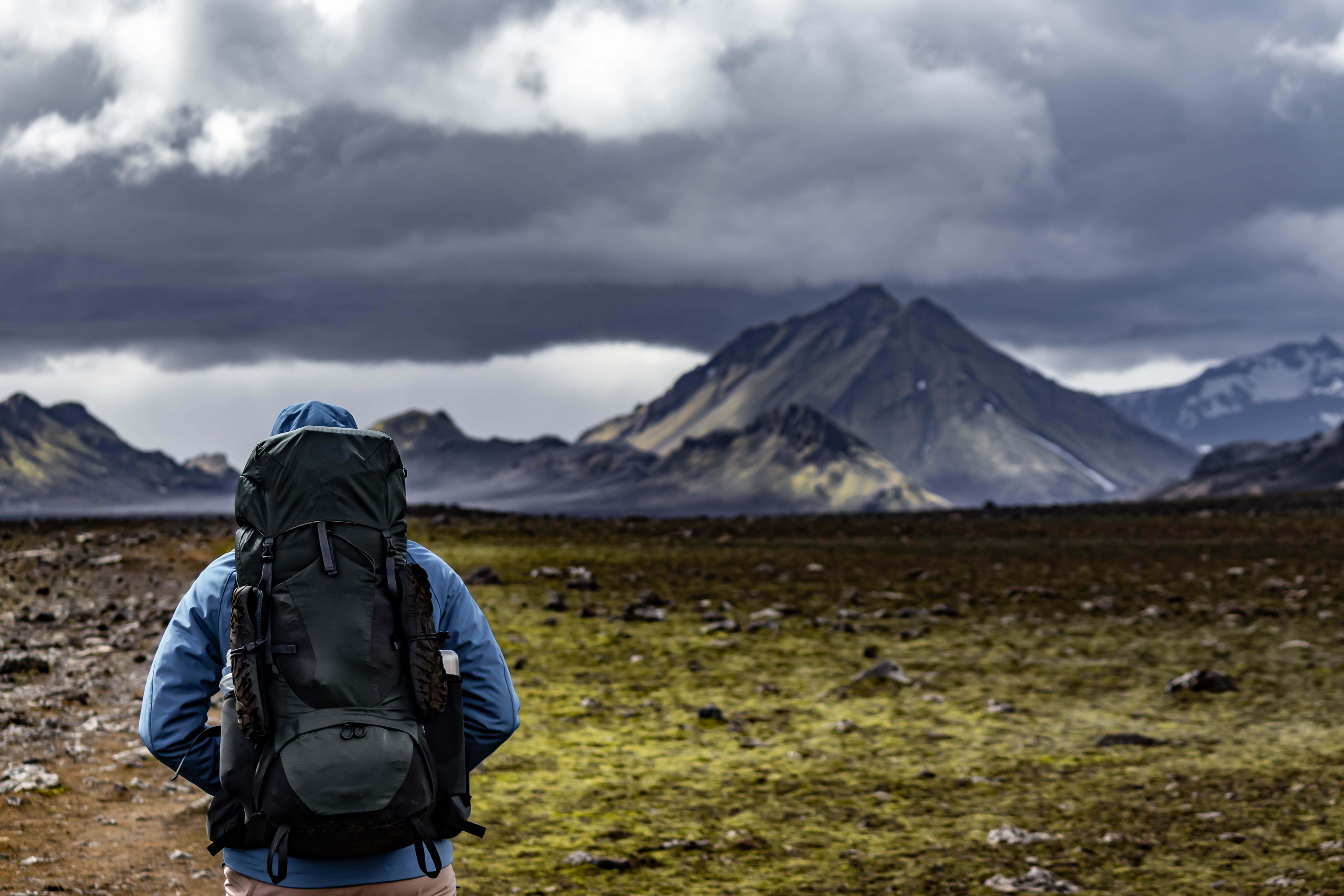
The Kanchenjunga Circuit Trek is one of the most remote and rewarding trekking adventures in Nepal.
Are you tired of crowded mountain trails where you spend more time dodging other tourists than enjoying the scenery? If you want to experience the raw, untouched magic of the Himalayas, the Kanchenjunga Circuit Trek is your ultimate calling. As the third-highest peak on Earth, Kanchenjunga (8,586 m) offers a rugged and untouched wilderness experience that popular routes like Everest or Annapurna simply cannot match anymore.
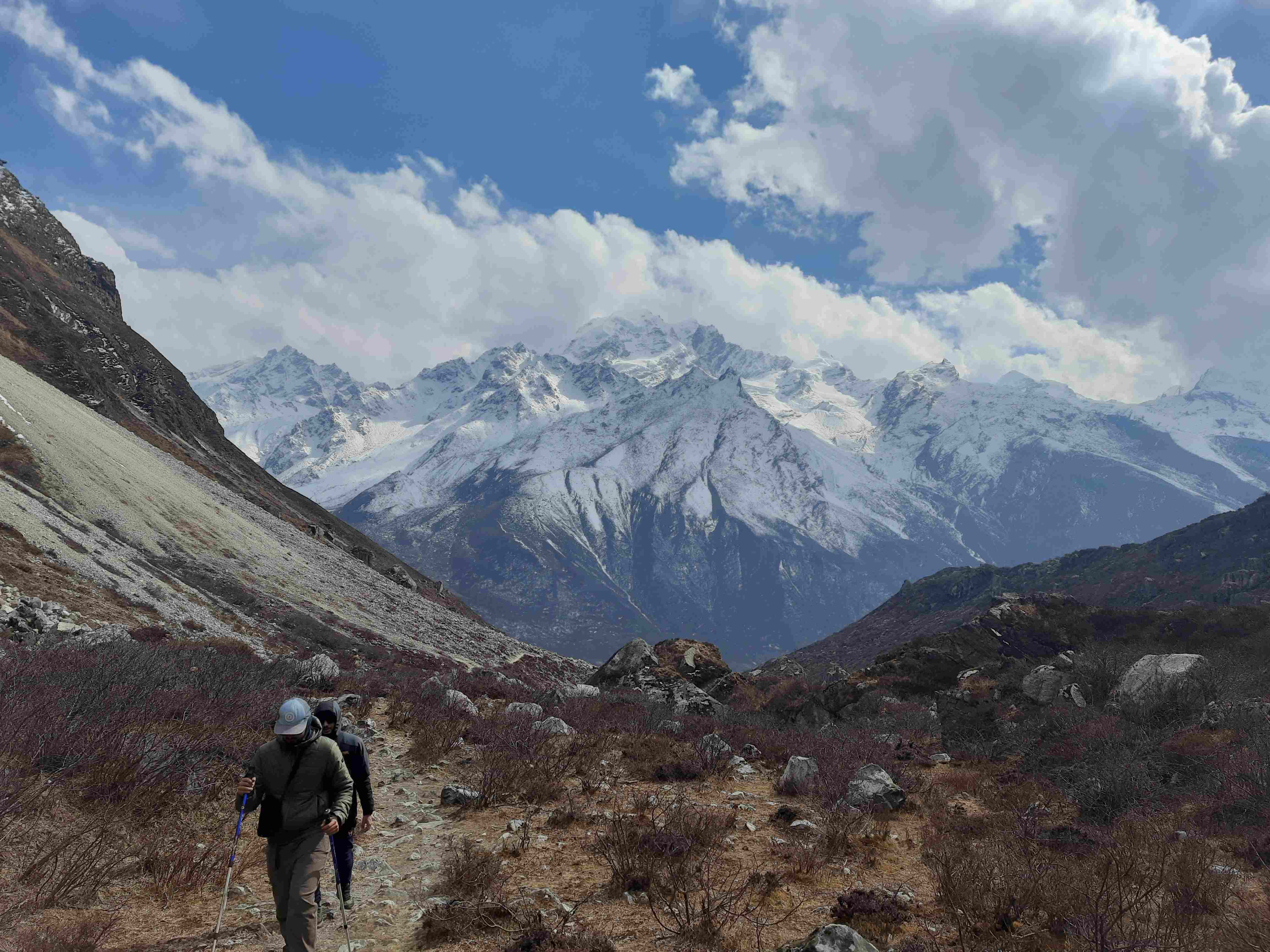
While commercial trekking destinations slowly turn into busy tourist hubs, eastern Nepal still protects its isolation. This isn’t just another Himalayan trek. It feels like a real expedition through roaring river valleys, dense rhododendron forests, remote Tibetan villages, and giant glacial landscapes where the silence feels unbelievably deep.
For trekkers who want adventure, remoteness, culture, and truly wild mountain scenery, the Kanchenjunga Circuit Trek remains one of the greatest journeys in Nepal.
Kanchenjunga Circuit Trek: Quick Facts & Highlights (2026)
Kanchenjunga Circuit Trek is Nepal’s most remote and rewarding Himalayan adventure, offering breathtaking mountain scenery, authentic local culture, and access to both the North and South Base Camps of the world’s third-highest mountain.
| Kanchenjunga Circuit Trek: Quick Facts & Highlights (2026) | Details |
|---|---|
| Location | Eastern Nepal, Kanchenjunga Conservation Area |
| Trek Duration | 18–22 Days |
| Total Distance | Approximately 220 km (136 miles) |
| Highest Altitude | Pangpema (North Base Camp) – 5,143 m / 16,873 ft |
| South Base Camp Altitude | Oktang Viewpoint – Approx. 4,730 m / 15,518 ft |
| Difficulty Level | Strenuous & Challenging |
| Daily Trekking Hours | 5–8 Hours Per Day |
| Best Time to Trek | March–May and October–November |
| Accommodation | Basic Teahouses and Local Homestays |
| Permits Required | Restricted Area Permit (RAP) and KCAP Permit |
| Guide Requirement | Licensed Guide Mandatory |
| Minimum Group Size | At Least 2 Trekkers Required |
| Starting Point | Taplejung, Nepal |
| Ending Point | Taplejung, Nepal |
| Highest Peak Viewed | Kanchenjunga (8,586 m), the Third-Highest Mountain in the World |
| Major Highlights | North Base Camp, South Base Camp, Pangpema, Oktang, Lhonak Valley, Yalung Glacier, Remote Himalayan Villages |
| Average Cost | USD 1,800–3,500 Per Person |
| Physical Fitness | Good Fitness and Previous Trekking Experience Recommended |
| Altitude Sickness Risk | Moderate to High Above 3,500 m |
| Travel Insurance | Recommended with High-Altitude Helicopter Rescue Coverage |
| Mobile Network | Limited Coverage at Higher Elevations |
| Internet & Charging | Available in Some Villages but Limited and Unreliable |
| Wildlife | Red Panda, Himalayan Thar, Blue Sheep, and Rare Snow Leopard Sightings |
| Ideal For | Adventure Seekers Looking for Nepal’s Most Remote and Authentic Himalayan Trek |
HOW TO REACH KANCHENJUNGA CIRCUIT TREK
One of the reasons the Kanchenjunga Circuit Trek feels so remote and untouched is because reaching the trailhead itself requires a small adventure. Unlike Everest Base Camp, where a short mountain flight places you directly in the heart of the Himalayas, reaching Kanchenjunga involves a combination of flights and overland travel through eastern Nepal.
Most trekkers begin their journey in Kathmandu, Nepal’s capital city. From Kathmandu, you will take a domestic flight to Bhadrapur, a town located in the eastern plains near the Indian border. The flight takes around 45 minutes and, on a clear day, offers spectacular aerial views of the Himalayan range.
After landing in Bhadrapur, a short drive brings you to Birtamod, where many trekkers spend the night before continuing deeper into the mountains. The following day, a long jeep journey takes you to Taplejung, the main gateway to the Kanchenjunga region. Depending on road conditions and weather, this drive can take between 8 and 10 hours.
Once you arrive in Taplejung, the trekking adventure officially begins. Over the following days, the trail gradually climbs through traditional villages, river valleys, forests, and alpine landscapes before reaching the remote base camp regions of Kanchenjunga.
Typical Travel Route:
Kathmandu → Bhadrapur (Flight) → Birtamod → Taplejung (Jeep) → Kanchenjunga Circuit Trek
Because flights and road transportation in the Himalayas can occasionally be delayed by weather conditions, it is always wise to keep one or two extra buffer days in your Nepal itinerary. These spare days provide flexibility and help ensure a stress-free trekking experience.
WHY THE KANCHENJUNGA CIRCUIT TREK FEELS SO SPECIAL
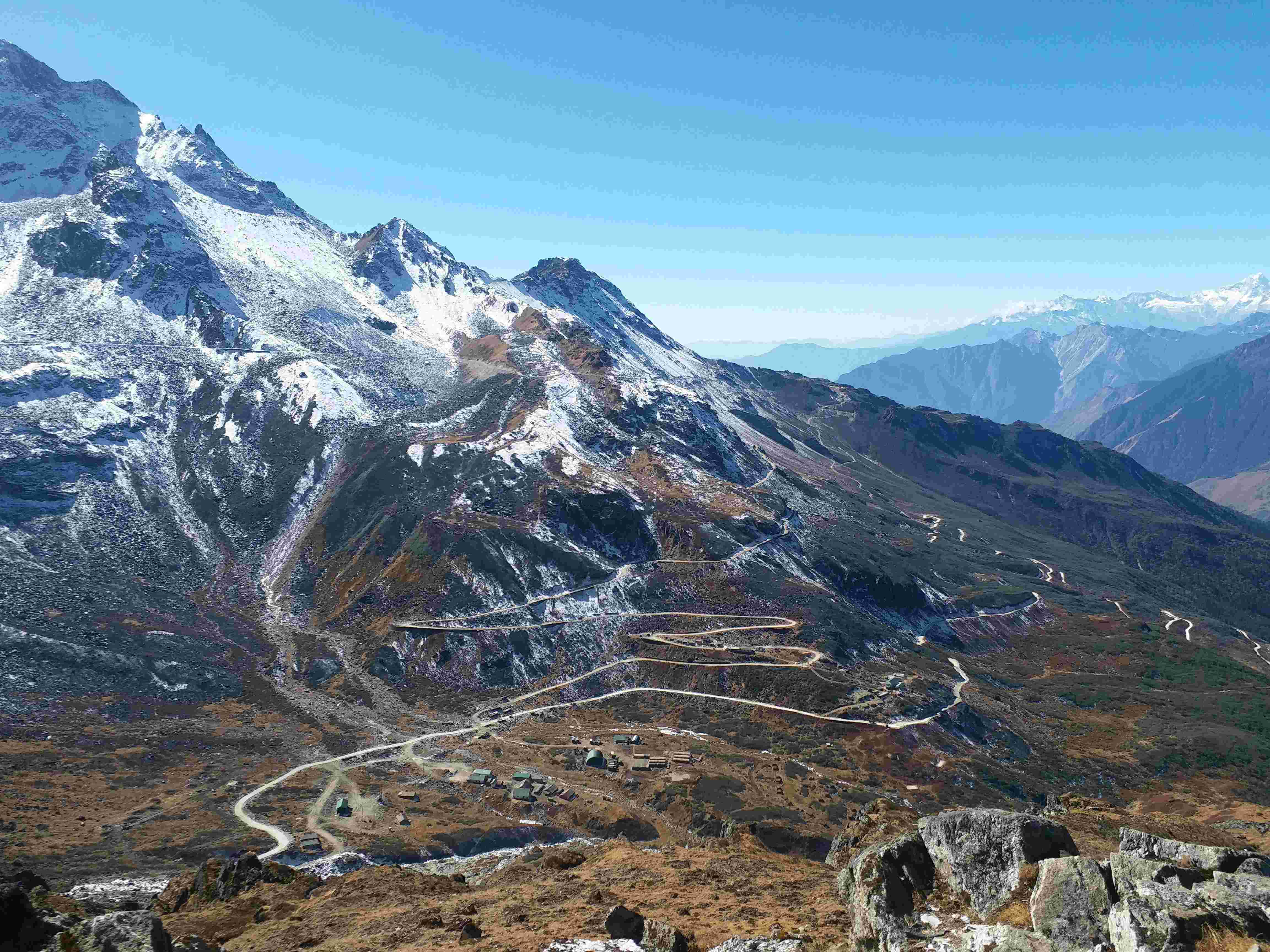
Most famous trekking routes in Nepal have changed rapidly over the last decade. Roads are slowly replacing walking trails, and luxury lodges are appearing even in remote mountain villages.
Kanchenjunga still feels different.
Because the region lies in far eastern Nepal near the borders of Sikkim and Tibet, it remains naturally isolated. Walking through these valleys feels like stepping back into old Himalayan trekking days.
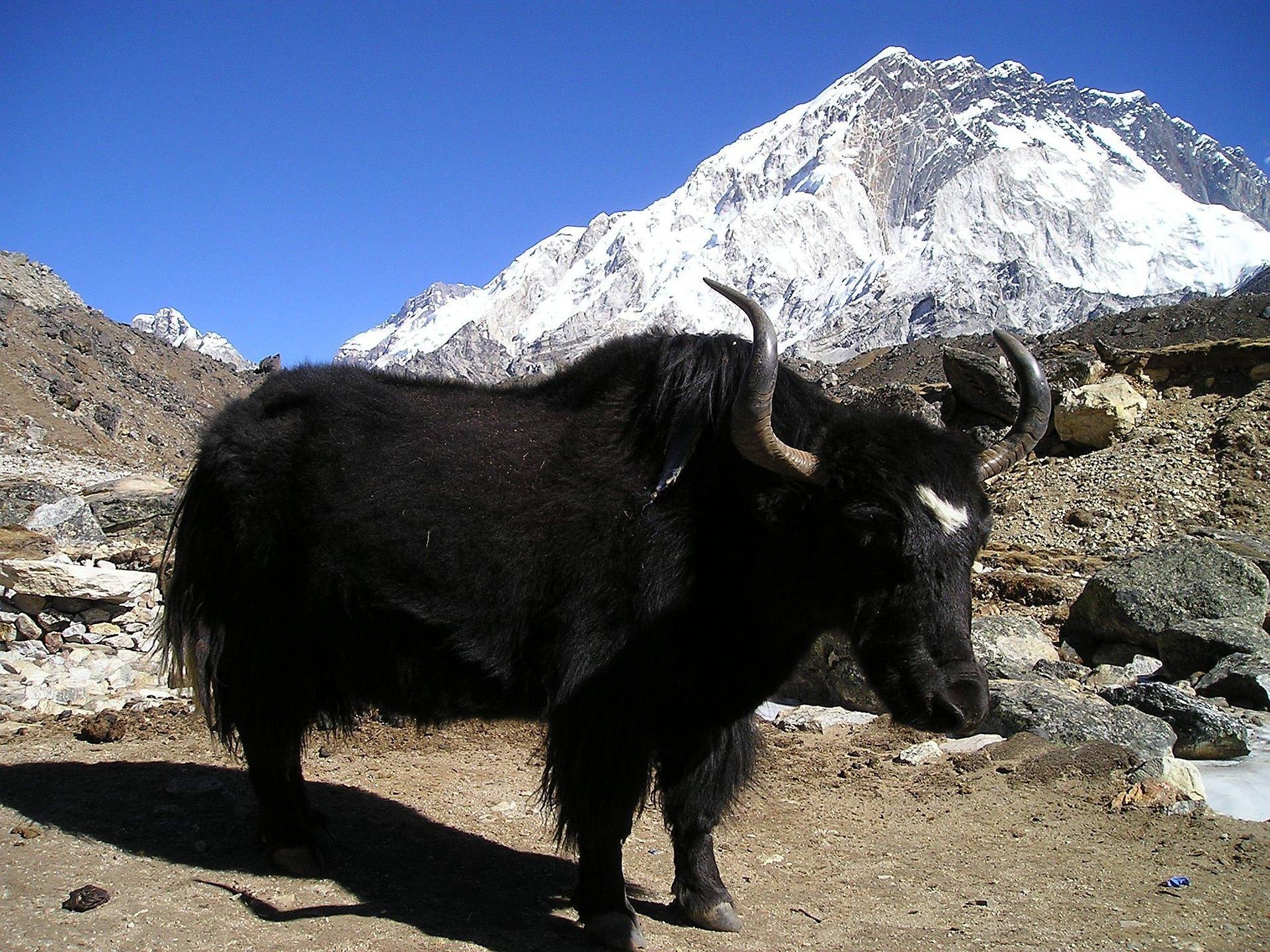
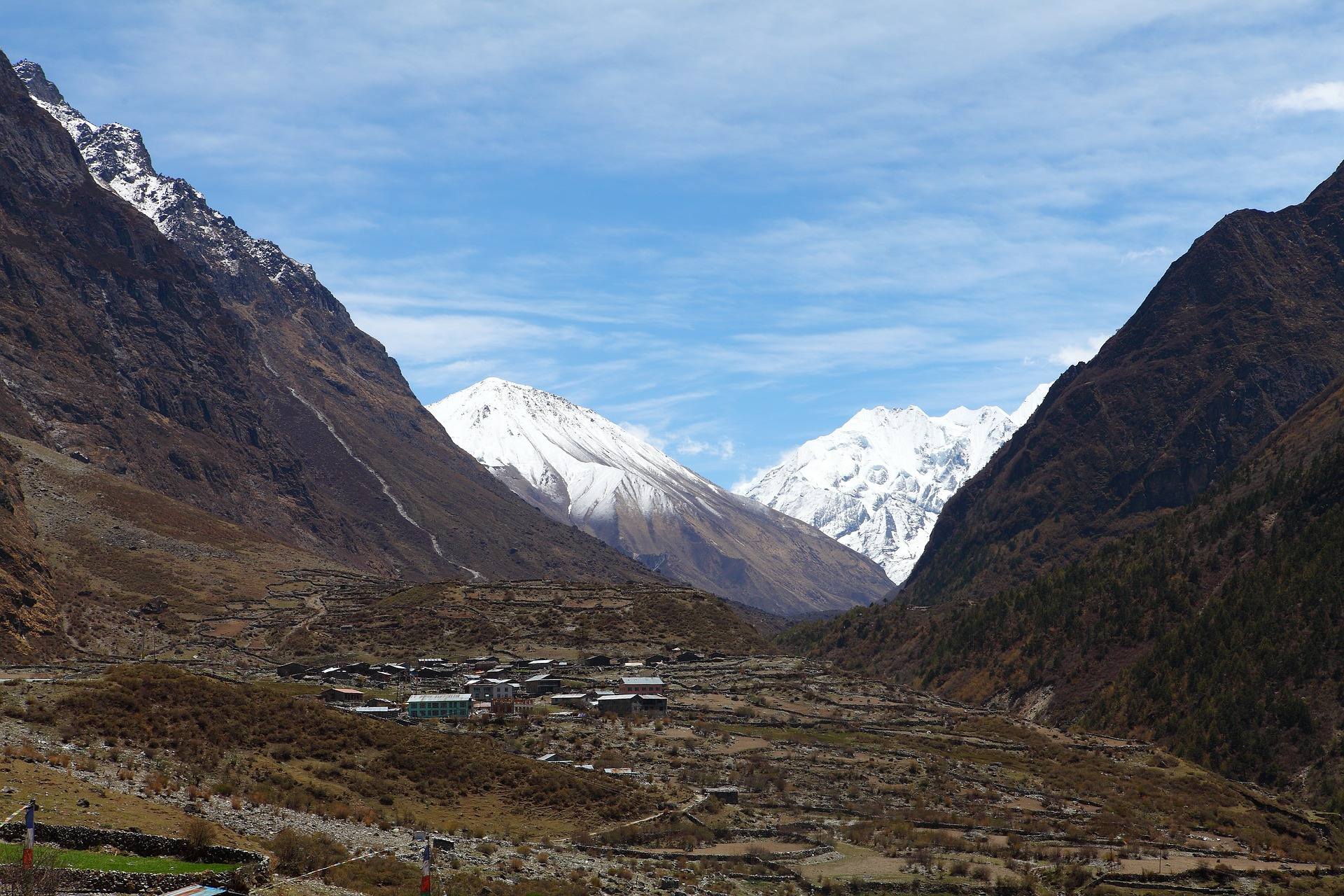
You pass through authentic Limbu, Rai, and Tibetan Buddhist villages where traditional mountain lifestyles still continue. Prayer flags flutter above suspension bridges while yak caravans slowly move through narrow trails beneath massive peaks.
One thing that truly makes this trek unforgettable is the solitude. Standing beneath giant Himalayan walls without crowds of tourists around you creates a completely different emotional experience compared to commercial trekking routes.
Many trekkers say Kanchenjunga feels like the Nepal trekking experience people used to talk about twenty or thirty years ago.
WHY THE KANCHENJUNGA CIRCUIT TREK IS SO POPULAR
Although Kanchenjunga does not attract huge tourist crowds, it has become a dream trek for experienced hikers and serious mountain lovers.
One major reason is the unique opportunity to visit both the North and South Base Camps of Kanchenjunga during the same circuit. Pangpema on the northern side and Oktang on the southern side offer completely different perspectives of the mountain massif.
Another reason is the incredible biodiversity of the Kanchenjunga Conservation Area. The landscapes constantly change throughout the trek. One day you walk through humid bamboo forests and cardamom farms, while a few days later you are surrounded by glaciers and alpine rock valleys.
The scale of the mountains also feels overwhelming here. Kanchenjunga is not just a single summit. It is an enormous mountain system with multiple massive ridges and peaks rising above 8,000 meters.
For many trekkers, the raw scale of the landscape becomes one of the most memorable parts of the journey.
KANCHENJUNGA CIRCUIT TREK DIFFICULTY
The Kanchenjunga Circuit Trek is considered a strenuous and challenging Himalayan trek. This should not be your first long high-altitude adventure unless you already have strong fitness and trekking experience.
The biggest challenge is the combination of duration, altitude, and remoteness.
Trekkers spend nearly three weeks walking through isolated mountain terrain where facilities remain basic and rescue access is limited. Some sections involve steep stone staircases, rocky glacier moraines, slippery forest trails, and exposed mountain passes.
Another major difficulty comes from the altitude. Spending several days above 4,000 meters places serious pressure on the body. Even simple uphill walking begins to feel exhausting because of the lower oxygen levels.
The good news is that technical climbing skills are not required. You do not need ropes, crampons, or mountaineering experience. However, strong legs, good endurance, and mental resilience are extremely important.
Training before the trek helps tremendously. Long hikes, cardio exercises, stair climbing, and leg strengthening workouts can make the journey significantly easier and safer.
BEST TIME FOR KANCHENJUNGA CIRCUIT TREK
Choosing the right season is extremely important for the Kanchenjunga Circuit Trek because eastern Nepal receives heavier rainfall compared to many western Himalayan regions.
Autumn (October to November)
Autumn is considered the best season overall. After the monsoon rains clear the atmosphere, mountain visibility becomes incredibly sharp and skies remain deep blue for days.
Temperatures during daytime are comfortable for trekking, although nights above 4,000 meters become freezing cold.
This season also offers the most stable weather conditions for crossing high mountain passes safely.
Spring (March to May)
Spring is another excellent season, especially for trekkers who love forests and colorful landscapes.
The lower valleys become filled with blooming rhododendrons in red, pink, and white colors. Temperatures remain slightly warmer compared to autumn, although afternoon clouds sometimes block mountain views.
Winter (December to February)
Winter trekking becomes extremely difficult because heavy snowfall blocks high sections like Sele La Pass. Many teahouses also close during the coldest months.
Monsoon (June to September)
Monsoon season is generally avoided because eastern Nepal receives intense rainfall. Trails become muddy and slippery while landslides frequently damage roads and trekking paths.
Leeches are also common in the lower forests during this season.
ALTITUDE SICKNESS – THE MOST IMPORTANT THING TO UNDERSTAND
Altitude sickness is one of the most serious things trekkers need to understand before attempting the Kanchenjunga Circuit Trek.
Once you climb beyond 3,000 meters, oxygen levels begin dropping significantly. Your body needs enough time to adjust gradually to the thinner air.
One mistake many beginners make is walking too fast during the early trekking days. Even physically strong trekkers can suffer from altitude sickness if they gain elevation too quickly.
Common symptoms include headaches, dizziness, nausea, fatigue, poor appetite, and difficulty sleeping. If symptoms worsen, immediate descent becomes necessary.
One important thing I always tell trekkers is this: never try to compete with altitude.
Walk slowly, drink at least 4 liters of water daily, eat properly, and communicate honestly with your guide if you feel unwell. Hiding symptoms can become dangerous in remote mountain regions.
Acclimatization days in villages like Ghunsa and Kambachen are extremely important. They allow your body to adjust naturally before climbing higher.
Some trekkers use Diamox to help with acclimatization, but medication should never replace proper pacing and rest.
Because the Kanchenjunga region is highly isolated, helicopter evacuations can sometimes take longer due to weather and terrain conditions. Taking altitude seriously is one of the smartest things you can do during this trek.
How Does It Compare to Nepal’s Most Famous Base Camp?
Reaching the base camp of the world’s third-highest peak is a massive achievement, but it requires serious stamina. If you are using this expedition to prepare for other iconic Himalayan giants, or if you want to compare this rugged east-Nepal experience with the legendary Khumbu region, scaling the Everest Base Camp Trek should definitely be next on your bucket list. It offers a completely different, bustling atmosphere paired with world-famous mountain vistas.
KANCHENJUNGA CIRCUIT TREK PERMITS (2026)
The Kanchenjunga region is classified as a restricted area because it lies close to international borders. Trekking independently is not allowed here.
All foreign trekkers must travel with a registered Nepalese trekking agency and licensed guide.
The most important permit is the Kanchenjunga Restricted Area Permit (RAP). This permit costs around USD 20 per person per week for the first four weeks.
Trekkers also need the Kanchenjunga Conservation Area Permit (KCAP), which costs approximately NPR 2,000 or around USD 15 per person.
To process these permits, agencies require passport copies, Nepal visa details, and passport-size photographs before the trek begins.
One important rule many people do not know is that at least two trekkers are officially required for the restricted area permit. Many agencies combine solo travelers together to solve this issue.
Permit checkpoints appear at multiple villages throughout the route, especially after entering the conservation area.
Looking for Another Offbeat Himalayan Adventure?
If you love the raw, untouched beauty of Kanchenjunga but want to experience a classic teahouse journey with rich cultural transitions, the Manaslu Circuit Trek is a phenomenal alternative. Much like the Kanchenjunga circuit, it takes you away from the commercial crowds and challenges you with a high-altitude pass, making it a favorite for seasoned trekkers looking for a true Himalayan adventure.
FOOD AND ACCOMMODATION DURING THE TREK
A few years ago, Kanchenjunga was mostly a camping trek. Today, there are basic teahouses available along most sections of the route, although facilities remain much simpler compared to Everest or Annapurna.
Rooms usually contain twin wooden beds with foam mattresses inside simple stone or plywood buildings. Heating is generally available only in the common dining hall where trekkers gather around wood or yak-dung stoves during cold evenings.
A high-quality sleeping bag rated for at least -15°C is strongly recommended because nighttime temperatures become extremely cold at higher elevations.
Food during the trek is simple, filling, and surprisingly satisfying after long walking days.
Dal Bhat remains the most reliable meal because it provides unlimited rice refills and enough calories for sustained trekking. Other common foods include Tibetan bread, noodle soups, chowmein, fried rice, potatoes, eggs, pancakes, porridge, tea, and garlic soup.
One thing many trekkers remember is how comforting a hot bowl of garlic soup feels after walking through icy glacier valleys all day.
As altitude increases, food prices naturally become more expensive because every supply must be transported manually by porters, mules, or yaks.
KANCHENJUNGA CIRCUIT TREK COST DETAILS (2026)
The Kanchenjunga Circuit Trek is one of Nepal’s more expensive trekking adventures, primarily because of its remote location, restricted-area permit requirements, domestic flights, and mandatory guide regulations.
For most trekkers, the complete trip cost generally ranges between USD 1,600 and USD 2,200 per person.
In Indian currency, this equals approximately ₹1.35 lakh to ₹1.90 lakh, depending on exchange rates, group size, season, and the level of service provided by the trekking agency.
A typical cost breakdown looks like this:
• Restricted Area & Conservation Permits: USD 55–75 (₹4,700–₹6,500)
• Licensed Trekking Guide: USD 30–40 per day (₹2,500–₹3,400 per day)
• Porter Services: USD 25–30 per day (₹2,100–₹2,600 per day)
• Kathmandu–Bhadrapur Round-Trip Flights: USD 300–350 (₹25,500–₹30,000)
• Jeep Transportation: USD 100–200 (₹8,500–₹17,000)
• Food and Accommodation: USD 35–50 per day (₹3,000–₹4,300 per day)
It is also recommended to carry additional cash for charging electronics, WiFi, snacks, hot showers, drinks, and tips for guides and porters.
Experience Preview
Walking this wild loop feels like stepping straight into a classic mountain expedition journal. You will experience the dramatic transition from sweating through humid, terraced cardamom fields to breathing crisp alpine air alongside massive blue glaciers. It is a long, challenging road that tests your endurance, but standing before the colossal mountain wall makes every tough step worth it.
THE ULTIMATE 18-DAY KANCHENJUNGA CIRCUIT TREK ITINERARY
(COMPLETE DAY-BY-DAY GUIDE)
Day 1: Flight from Kathmandu to Bhadrapur, Drive to Birtamod
Altitude: 150 m / 492 ft
Travel Time: 45-minute flight, 45-minute drive
Your journey starts with a scenic domestic flight over the Himalayan chain to the low tropical plains of eastern Nepal. The air here is warm, thick, and heavy. Grab a short local drive to Birtamod to rest for the night before the long mountain roads begin.
Day 2: Long Drive from Birtamod to Taplejung
Altitude: 1,820 m / 5,971 ft
Travel Time: 8 to 10 hours by jeep
This is a long, winding road day. You will drive through scenic green tea gardens, winding through hills before climbing steadily into the rugged mountain terrain of Taplejung. It’s a bumpy ride, but the views of rural life keep the drive interesting throughout the day.
Day 3: Trek from Taplejung to Mitlung
Altitude: 920 m / 3,018 ft
Walking Hours: 4 to 5 hours
You finally lace up your boots. The trail drops down through rich green terraced fields and small village paths, descending steadily toward the Tamor River valley. The atmosphere feels warm and humid, surrounded by birds and the sound of rushing water.
Day 4: Trek from Mitlung to Chirwa
Altitude: 1,270 m / 4,166 ft
Walking Hours: 5 to 6 hours
Today’s trail follows the river through dense vegetation and cardamom farms. Several stable suspension bridges cross roaring rivers below steep cliffs. Chirwa feels incredibly peaceful and authentic, with traditional village life clearly visible.
Day 5: Trek from Chirwa to Sukathum
Altitude: 1,576 m / 5,170 ft
Walking Hours: 5 to 6 hours
The valley becomes narrower and more dramatic today. Forests grow denser while the river sounds become louder. Sukathum lies near the meeting point of two rivers and marks an important stop before entering higher, more rugged mountain terrain.
Day 6: Trek from Sukathum to Amjilosa
Altitude: 2,308 m / 7,572 ft
Walking Hours: 6 hours
This is one of the first physically demanding days of the trek. The trail climbs steeply out of the river canyon on stone steps and rocky paths exposed to the sun. As you gain altitude, the air becomes cooler and the atmosphere starts feeling distinctly Himalayan.
Day 7: Trek from Amjilosa to Gyabla
Altitude: 2,730 m / 8,956 ft
Walking Hours: 4 to 5 hours
The trail passes through beautiful bamboo forests, hidden waterfalls, and lush rhododendron sections. Walking feels peaceful and highly scenic throughout the day. Gyabla offers beautiful mountain valley views and noticeably colder evening temperatures.
Day 8: Trek from Gyabla to Ghunsa
Altitude: 3,595 m / 11,794 ft
Walking Hours: 5 hours
The scenery changes dramatically as the trail enters a wide glacial valley surrounded by giant mountain walls. Ghunsa is the largest village on the route and features small shops, rustic lodges, and local electricity. You can feel the real high-Himalayan atmosphere beginning here.
Day 9: Acclimatization Day at Ghunsa
Altitude: 3,595 m / 11,794 ft
Activity: Rest and exploratory ridge walks
Today is strictly reserved for acclimatization. Exploring the nearby high hills and dropping back down helps your body adjust to the thinner air conditions. The cold mornings and crisp air become much more prominent from this point onward.
Day 10: Trek from Ghunsa to Kambachen
Altitude: 4,050 m / 13,287 ft
Walking Hours: 5 to 6 hours
The green forests slowly disappear as rocky alpine terrain begins dominating the landscape. Walking becomes noticeably slower because of the altitude, but the sweeping glacier views grow more dramatic with every hour you put in.
Day 11: Trek from Kambachen to Lhonak
Altitude: 4,780 m / 15,682 ft
Walking Hours: 5 hours
This section feels incredibly remote, vast, and wild. Massive glaciers border the edges of the valley while icy winds flow down directly from the high summits. The sheer silence here feels unforgettable and humbling.
Day 12: Trek to Pangpema (North Base Camp) and Return to Lhonak
Altitude: 5,143 m / 16,873 ft
Walking Hours: 7 to 8 hours
This is one of the ultimate highlights of the entire journey. Standing beneath the enormous, sheer north face of Kanchenjunga feels deeply emotional and surreal. The massive glacier scenery, freezing winds, and giant mountain walls create an atmosphere that photos never fully capture. After soaking it in, retrace your steps back to Lhonak.
Day 13: Trek from Lhonak back down to Ghunsa
Altitude: 3,595 m / 11,794 ft
Walking Hours: 6 to 7 hours
Descending feels significantly easier physically, although your legs will definitely feel tired after the previous high-altitude pushes. Returning to the cozy, lower-altitude tea houses of Ghunsa feels incredibly comforting after your time in the isolated upper valleys.
Day 14: Trek from Ghunsa to Sele La Camp
Altitude: 4,290 m / 14,074 ft
Walking Hours: 6 hours
The route branches off, becoming exceptionally quiet and rugged again. You climb steadily out of the valley as snow-covered peaks appear constantly throughout the day along a remote, adventurous mountain track.
Day 15: Cross Sele La Pass and Trek to Tseram
Altitude: 3,870 m / 12,697 ft
Pass Elevation: 4,480 m
Walking Hours: 7 to 8 hours
Today is long and physically demanding. Crossing the high pass rewards you with spectacular panoramic mountain views across the horizon before you descend steadily into another completely isolated valley system.
Day 16: Trek to Ramche and Oktang Viewpoint (South Base Camp Side)
Altitude: 4,730 m / 15,518 ft
Walking Hours: 6 to 7 hours
The southern side of Kanchenjunga has a completely unique structural feel compared to the northern route. Glaciers appear incredibly close while giant peaks dominate the immediate skyline. The Oktang viewpoint offers one of the most breathtaking alpine panoramas of the entire trek.
Day 17: Trek Back from Tseram and Descend to Yamphudin
Altitude: 2,080 m / 6,824 ft
Walking Hours: 6 to 7 hours
You continue your steady descent toward the lower, warmer villages. As the trail drops rapidly down through the valleys, rich greenery and thick sub-tropical forests slowly return to the landscape.
Day 18: Complete the Loop to Taplejung / Drive to Lower Plains
Altitude: 1,820 m / 5,971 ft
Walking/Travel Time: Final trail wrap-up and local jeep transfer
Seeing local farming villages, terraced fields, and flowing rivers again after days surrounded by cold rock and ice feels deeply grounding. Many trekkers finish the Kanchenjunga Circuit with a profound sense of pride because the journey feels physically and mentally transformative.
PACKING LIST FOR KANCHENJUNGA CIRCUIT TREK
Packing properly is absolutely critical because weather conditions in the Kanchenjunga region can shift rapidly from hot and humid to sub-zero within a couple of days.
Core Essentials
A proper layering system is extremely important. Carry moisture-wicking thermal base layers, fleece mid-layers, and a rugged waterproof shell jacket for changing mountain conditions.
A high-quality down jacket and a 4-season sleeping bag rated to at least -15°C are essential for cold nights in higher camps.
Footwear should include sturdy trekking boots with solid ankle support and several pairs of thick wool socks to avoid blisters and cold feet.
Other important gear includes UV-protection sunglasses, insulated gloves, trekking poles, sunscreen, lip balm, water purification tablets, and a reliable first-aid kit.
A large power bank is also highly recommended because electricity becomes limited in remote villages.
FREQUENTLY ASKED QUESTIONS (FAQS)
1. Can I do the Kanchenjunga Circuit Trek without a guide?
No. The Kanchenjunga region is a restricted area of Nepal, and independent trekking is not permitted. Foreign trekkers must travel with a licensed guide through a registered trekking agency.
2. Is the Kanchenjunga Circuit Trek suitable for beginners?
The trek is generally recommended for trekkers with previous high-altitude hiking experience. While technical climbing skills are not required, the combination of altitude, duration, and remoteness makes it challenging for complete beginners.
3. What is the highest point of the trek?
The highest point is Pangpema, also known as Kanchenjunga North Base Camp, which sits at an altitude of 5,143 meters (16,873 feet).
4. How difficult is the Kanchenjunga Circuit Trek compared to Everest Base Camp?
Most trekkers consider Kanchenjunga more challenging than Everest Base Camp because it is longer, more remote, and involves fewer facilities along the route. However, it rewards trekkers with greater solitude and a true wilderness experience.
5. How many days are needed for the Kanchenjunga Circuit Trek?
Most itineraries range between 18 and 22 days. This allows enough time for proper acclimatization and exploration of both the North and South Base Camp regions.
6. Is travel insurance necessary?
Yes. Comprehensive travel insurance that includes high-altitude trekking and helicopter evacuation coverage is strongly recommended for all trekkers.
7. Is internet available during the trek?
Internet access is extremely limited. A few villages may offer basic WiFi services, but speeds are slow and connections are often unreliable.
8. How much cash should I carry during the trek?
Since there are no reliable ATMs after Taplejung, trekkers should carry enough Nepalese cash to cover personal expenses, snacks, charging fees, hot showers, and tips.
9. What kind of accommodation is available?
Most villages offer simple teahouses with twin-sharing rooms, shared dining halls, and basic facilities. Luxury lodges are not available in the Kanchenjunga region.
10. What wildlife can be seen in the Kanchenjunga Conservation Area?
The conservation area is home to Himalayan blue sheep, musk deer, red pandas, Himalayan black bears, and the elusive snow leopard, although sightings are rare.
11. What is the best month for the Kanchenjunga Circuit Trek?
October is widely considered the best month due to stable weather, clear mountain views, and comfortable trekking conditions. April is another excellent choice because of blooming rhododendron forests.
12. Which is better: North Base Camp or South Base Camp?
Both offer unique experiences. Pangpema (North Base Camp) provides dramatic close-up views of Kanchenjunga’s massive north face, while Oktang on the southern side offers spectacular glacier scenery and panoramic views of the entire mountain massif. Most trekkers agree that visiting both is what makes the full Kanchenjunga Circuit so special.
Craving More Diverse Landscapes and High Passes?
The sheer diversity of landscapes on the Kanchenjunga route – from lush green valleys to alpine scree – is mind-blowing. For trekkers who find themselves falling in love with this dramatic shift in terrain, the Annapurna Circuit Trek is another legendary route that offers a similar geological variety. It seamlessly connects distinct cultural villages and lower-elevation forests with the high-altitude thrill of the Thorong La Pass.
FINAL THOUGHTS
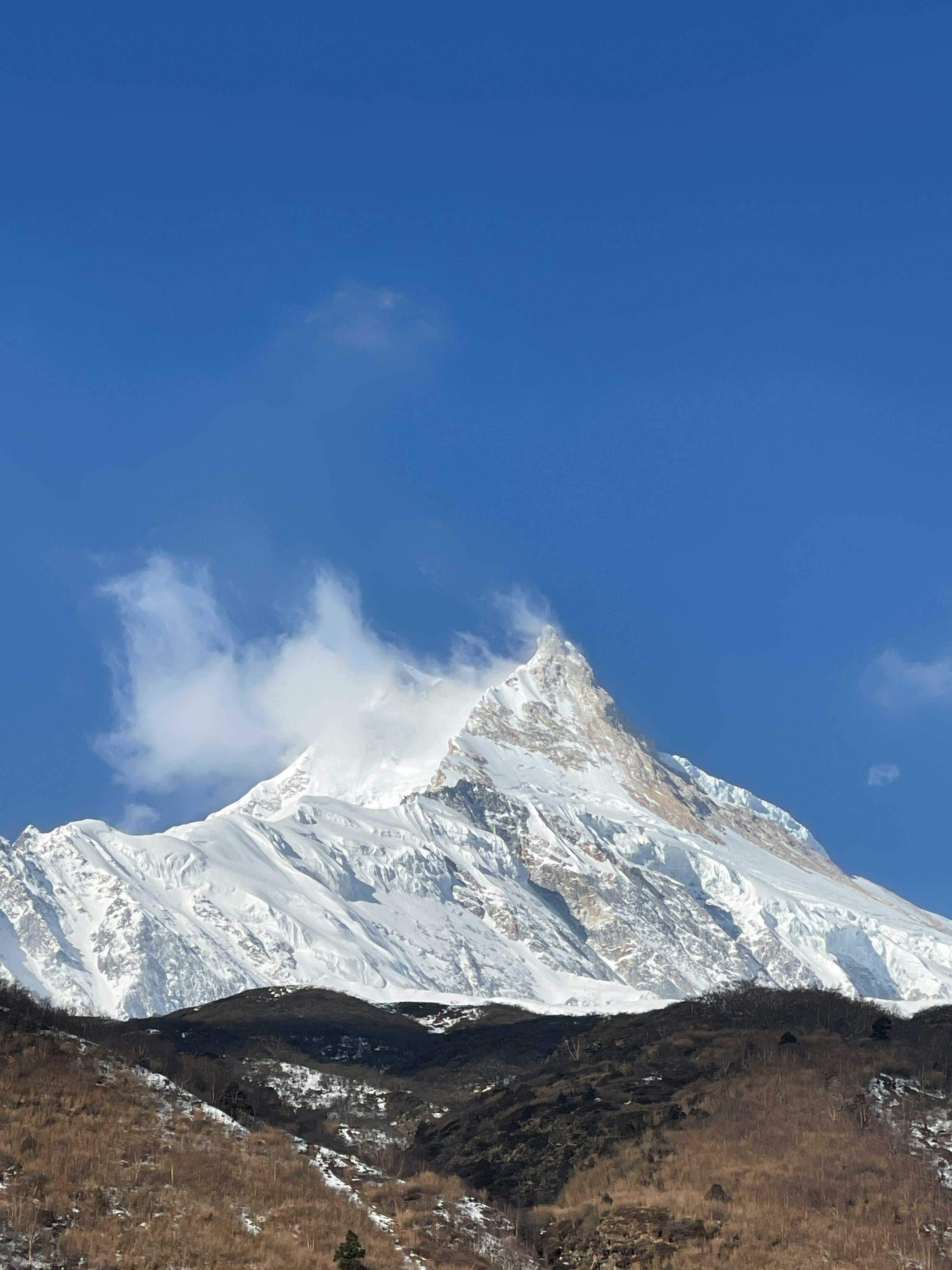
The Kanchenjunga Circuit Trek is not just another mountain holiday. It is a deeply immersive Himalayan expedition through one of the last truly wild trekking regions in Nepal.
The journey demands physical preparation, patience, and respect for altitude, but the reward is unforgettable. Massive glaciers, authentic mountain villages, complete silence, and giant Himalayan panoramas combine to create an experience that feels incredibly raw and real.
If you want to experience the Himalayas beyond the crowded commercial trekking routes, Kanchenjunga delivers something genuinely special.
Looking for another unforgettable Himalayan adventure? After completing the remote and challenging Kanchenjunga Circuit Trek, consider the Hampta Pass Trek. Unlike Kanchenjunga’s long wilderness journey, Hampta Pass offers a unique experience where trekkers witness a dramatic transition from the lush green valleys of Kullu to the stark, high-altitude desert landscapes of Lahaul in just a few days. It’s one of the most scenic and rewarding treks in the Indian Himalayas.
Ready to plan your adventure? Contact Epic Himalayan Trails and start preparing for one of the most rewarding trekking journeys in the Himalayas.
Discover More Epic Himalayan Treks
Planning your next adventure? Explore our detailed trekking guides, itineraries, permit information, costs, and expert tips for the most spectacular Himalayan trails.
ABOUT AUTHOR
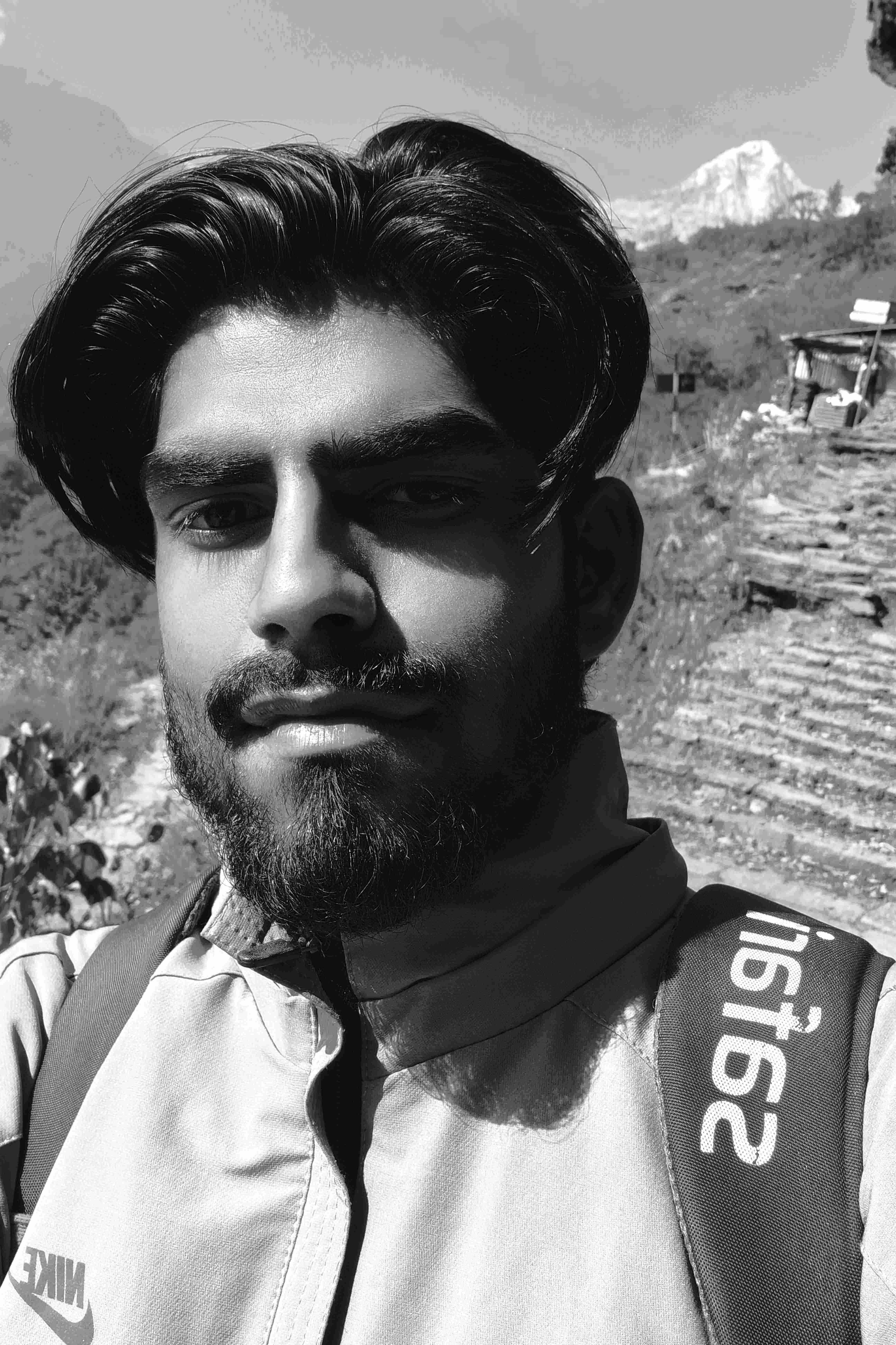
Afjal Khan
Afjal Khan is the founder of Epic Himalayan Trails and a passionate Himalayan trekker. He shares trekking guides, route information, itineraries, and practical travel tips to help trekkers plan better journeys across Nepal and the Indian Himalayas. Through Epic Himalayan Trails, his goal is to make trekking information simple, reliable, and useful for both beginners and experienced trekkers.